The United Arab Emirates is a federation of seven emirates — Abu Dhabi, Dubai, Sharjah, Ajman, Umm Al Quwain, Ras Al Khaimah, and Fujairah — occupying 83,600 km² of the Arabian Peninsula's eastern coast. In 1971, when the federation was formed after British withdrawal, the territory was largely desert with a population of fewer than 300,000 people, an economy based on pearl fishing and date cultivation, and no paved roads outside the major settlements. By 2024, the UAE has a population of over 9 million (90% expatriates), the world's tallest building, the busiest international airport, a space programme, and two of the most visited cities in the world. The transformation is one of the most dramatic in human history.
Capital: Abu Dhabi (political capital); Dubai (economic capital and most visited city)
Population: ~9.9 million — approximately 90% are foreign nationals
Area: 83,600 km²
Currency: UAE Dirham (AED)
Language: Arabic (official); English the dominant language of business and daily life; Hindi, Urdu, Malayalam widely spoken
Independence: 2 December 1971 from Britain; oil discovered in Abu Dhabi 1958; federation formed from seven Trucial States
Fascinating Facts
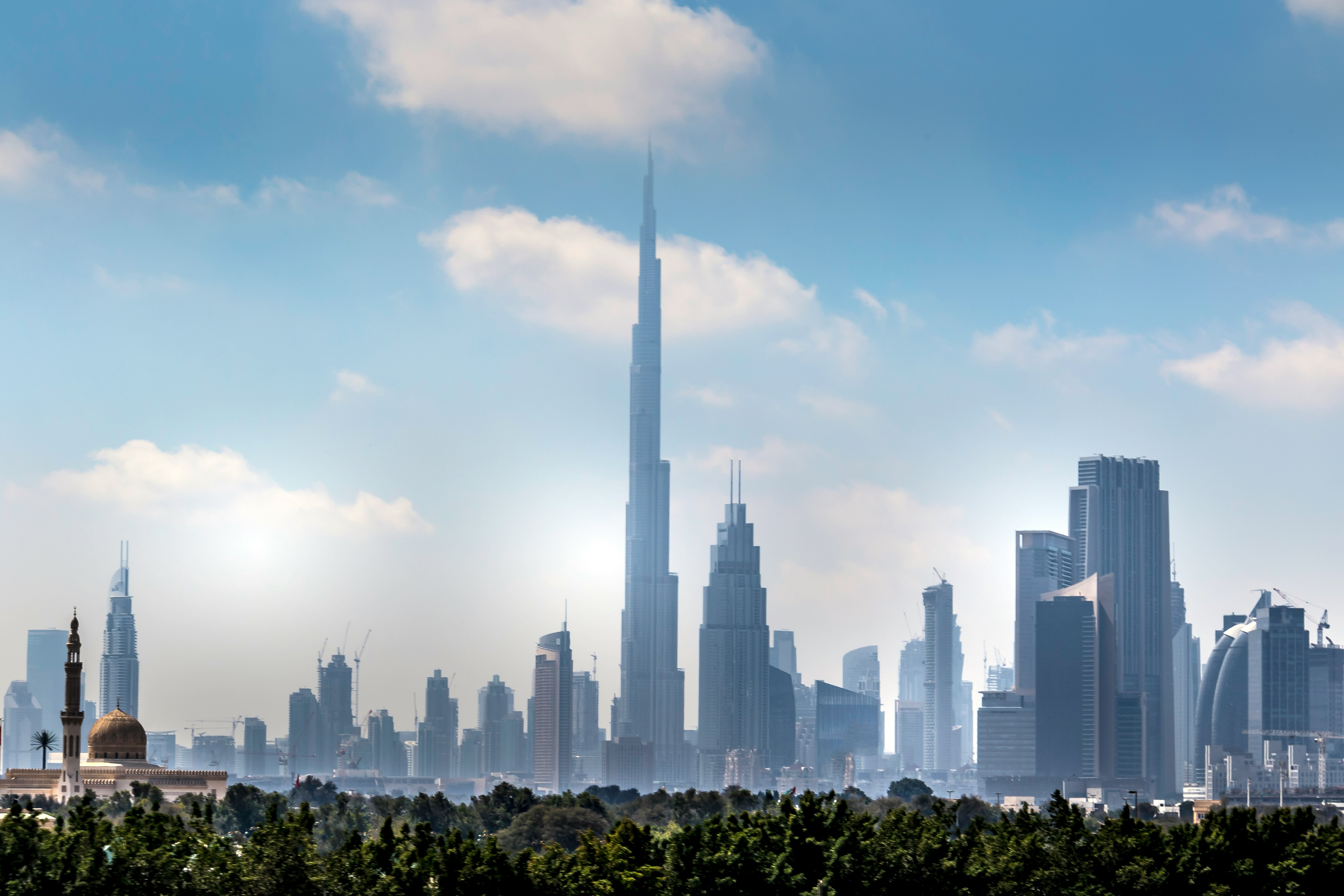
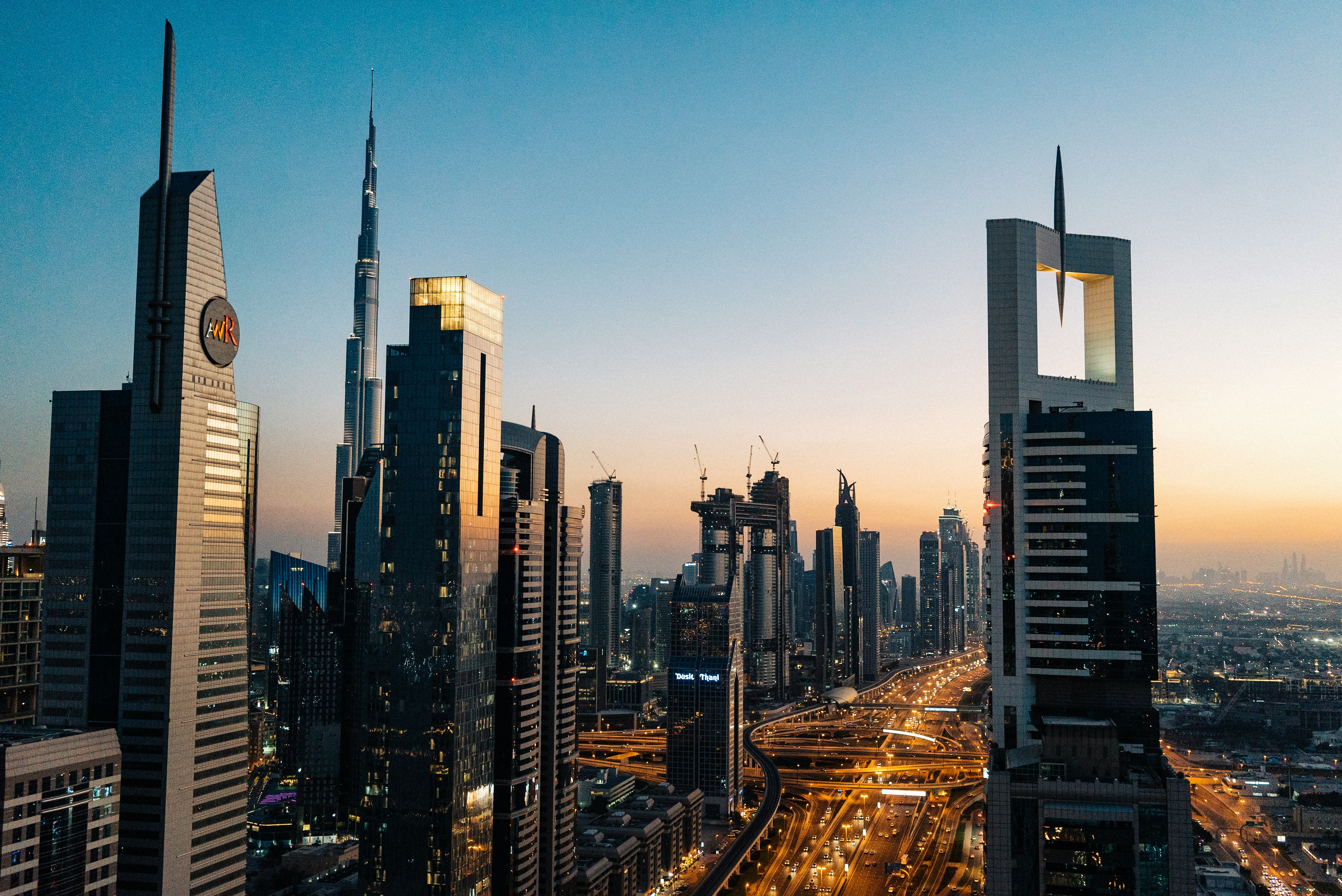
- The Burj Khalifa — engineering at the edge of possibility: The Burj Khalifa (828 m, 163 floors, completed 2010) is the world's tallest structure — designed by Adrian Smith of SOM, its Y-shaped floor plan inspired by the desert hymenocallis flower, engineered to withstand wind loads through a buttressed core system. The view from the 124th floor observation deck extends 95 km on a clear day. It contains a hotel, apartments, offices, and the world's highest restaurant — a vertical city within a tower.
- Dubai's transformation — within living memory: The oldest living Emiratis were born in a country without electricity, hospitals, schools, or paved roads. Dubai's first hotel opened in 1959; the first bank in 1963; the first school in the 1950s. Sheikh Rashid bin Saeed Al Maktoum — Dubai's visionary ruler from 1958 to 1990 — said: 'My grandfather rode a camel, my father rode a camel, I drive a Mercedes, my son drives a Land Rover, his son will drive a Land Rover, but his son will ride a camel.' The oil will run out; Dubai has tried to ensure it won't matter.
- The Empty Quarter — the largest sand desert on Earth: The Rub' al Khali (Empty Quarter) — covering approximately 650,000 km² across Saudi Arabia, UAE, Oman, and Yemen — is the largest continuous sand desert on Earth. Its UAE portion in Abu Dhabi's Liwa Oasis contains some of the highest dunes in the world (up to 250 m). Wilfred Thesiger crossed it twice with Bedouin companions in 1946–48, the last great geographical exploration of the Arabian Peninsula.
- The Louvre Abu Dhabi — art under a rain of light: The Louvre Abu Dhabi (designed by Jean Nouvel, opened 2017) is covered by a 180 m dome of interlocking geometric steel panels that create a 'rain of light' — thousands of points of filtered sunlight moving across the galleries below as the sun traverses the sky. The museum holds works from the Louvre, Pompidou, Versailles, and other French institutions alongside permanent acquisitions, building the Arab world's most ambitious art collection under the world's most spectacular museum roof.
Nature & Key Destinations
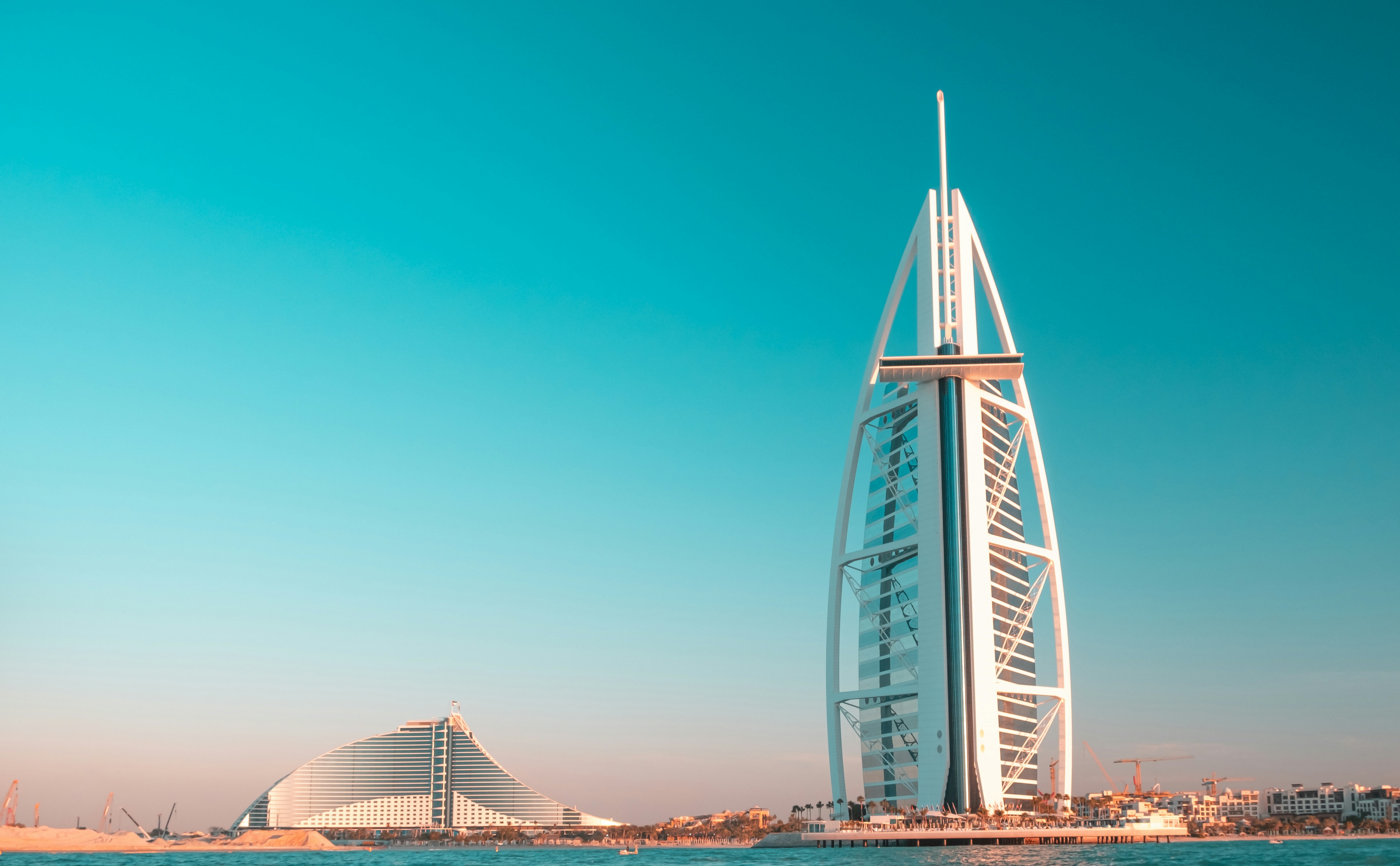
- Dubai — the city as spectacle: The Burj Khalifa and Dubai Fountain (the world's largest choreographed fountain, shooting water 150 m), the Palm Jumeirah (an artificial island visible from space), the Dubai Frame (a 150 m picture frame overlooking old and new Dubai simultaneously), the Creek's dhow wharves where wooden cargo boats still load for Iran and Somalia, and the gold and spice souks of Deira.
- Abu Dhabi — culture and the desert: The Sheikh Zayed Grand Mosque (one of the world's largest, capable of holding 40,000 worshippers, its 82 white marble domes and 1,000-tonne chandelier defining the Abu Dhabi skyline), the Louvre Abu Dhabi, the Qasr Al Hosn fort (the oldest stone building in Abu Dhabi), and the Liwa Oasis dunes — the gateway to the Empty Quarter's world of towering red sand.
- Al Ain & heritage: Al Ain — the UAE's only UNESCO World Heritage city (the oasis city of date palms, falaj irrigation channels, and Bronze Age archaeological sites of extraordinary significance) — and the Al Ain National Museum, preserving the artefacts of a 4,000-year-old civilisation that occupied this oasis before oil was imagined.
- Fujairah & the East Coast: The UAE's east coast on the Gulf of Oman — the Hajar Mountains descending to sandy bays, the ancient Fujairah Fort (the oldest in the UAE), the wadi drives of Hatta (the mountain enclave with its heritage village and kayaking reservoir), and the diving and snorkelling of Dibba and Khor Fakkan on the clearer waters of the Indian Ocean side.
Cuisine
- Machboos & Emirati heritage food: Machboos (spiced rice with meat or fish, cooked in broth with dried lemon, cinnamon, and rose water — identical to Bahraini kabsa) is the Emirati national dish. Al harees (wheat and meat slow-cooked together for hours until indistinguishable, fragrant with cardamom and butter) is the festive dish of Ramadan and celebrations. Luqaimat (crispy deep-fried dough balls drizzled with date syrup and sesame) is the most universally loved Emirati sweet.
- The world food capital: Dubai has more restaurants per capita than almost any city on Earth — every cuisine in the world is represented at every price point, from Michelin-starred tasting menus to Indian thali canteens serving construction workers for $2. The city's 90% expatriate population has created the world's most cosmopolitan food scene: Levantine, Iranian, South Asian, Filipino, Ethiopian, and every other diaspora cuisine coexists in a single city.
- Dates, coffee & Ramadan culture: The Emirati coffee ceremony — qahwa, lightly roasted coffee flavoured with cardamom and saffron, served in small handleless cups with fresh dates — is the supreme expression of Gulf hospitality, offered to every guest before any conversation begins. Ramadan transforms the UAE's culinary culture: the iftar (breaking of the fast at sunset) is the most social meal of the year, with elaborate buffets, communal tables, and the warmth of collective observance.
Traditions & Culture
- Falconry & Bedouin heritage: Falconry — the ancient Bedouin practice of training peregrine and saker falcons to hunt Houbara bustards across the desert — is UNESCO-listed Intangible Cultural Heritage and the UAE's most passionately maintained traditional practice. The Abu Dhabi Falcon Hospital (the world's largest, treating over 11,000 birds per year) and the annual falconry competitions reflect a culture that has transplanted Bedouin tradition from the camel-back world to the private jet era.
- The Emirati identity question: With 90% of the population being foreign nationals — South Asian workers, Arab professionals, Western executives — Emirati citizens are a minority in their own country. The question of national identity, cultural preservation, and the relationship between the citizen minority and the expatriate majority is the defining social challenge of the UAE. The mandatory national dress (kandura for men, abaya for women), the Arabic language requirements in schools, and the emphasis on Emirati heritage in museums and public culture are responses to this pressure.
Climate
- Desert, extreme summer heat: The UAE has two seasons: a hot season (May–September, 38–48°C with extreme humidity on the coast, making outdoor activity dangerous midday) and a pleasant season (October–April, 20–30°C, low humidity, virtually no rain). The best time to visit is November–March. Rain is rare (Dubai averages 75 mm per year). The mountains of Fujairah and Ras Al Khaimah are slightly cooler. Dubai's indoor attractions (malls, museums, aquariums) make it a year-round destination regardless of heat.