China is the world's most populous nation (1.4 billion people, though recently surpassed by India) and its second largest economy — a civilisation of 5,000 years that has been, for most of human history, the world's most technologically advanced and economically productive society. It invented paper, printing, gunpowder, the compass, cast iron, paper money, and the civil service examination system. Its territory of 9.6 million km² spans five time zones, contains the world's highest plateau (Tibet), the third longest river (the Yangtze), the most populous city on Earth (Shanghai, by some measures), and landscapes of extraordinary variety from the Gobi Desert to the subtropical rainforests of Yunnan. Understanding China — its past, its present, and its ambitions — is perhaps the most important intellectual project of the 21st century.
Capital: Beijing — 3,000 years of continuous urban history, current population ~22 million
Population: ~1.4 billion — recently surpassed by India as the world's most populous country
Area: 9,596,960 km² — 3rd or 4th largest country in the world (disputed with the US)
Currency: Chinese Yuan / Renminbi (CNY / RMB)
Languages: Mandarin Chinese (Putonghua — official); approximately 300 living languages including Cantonese, Hokkien, Shanghainese, Tibetan, Uyghur, Mongolian, and Zhuang
History: Continuous civilisation from c. 2100 BC; Republic 1912; People's Republic of China since 1 October 1949
Fascinating Facts
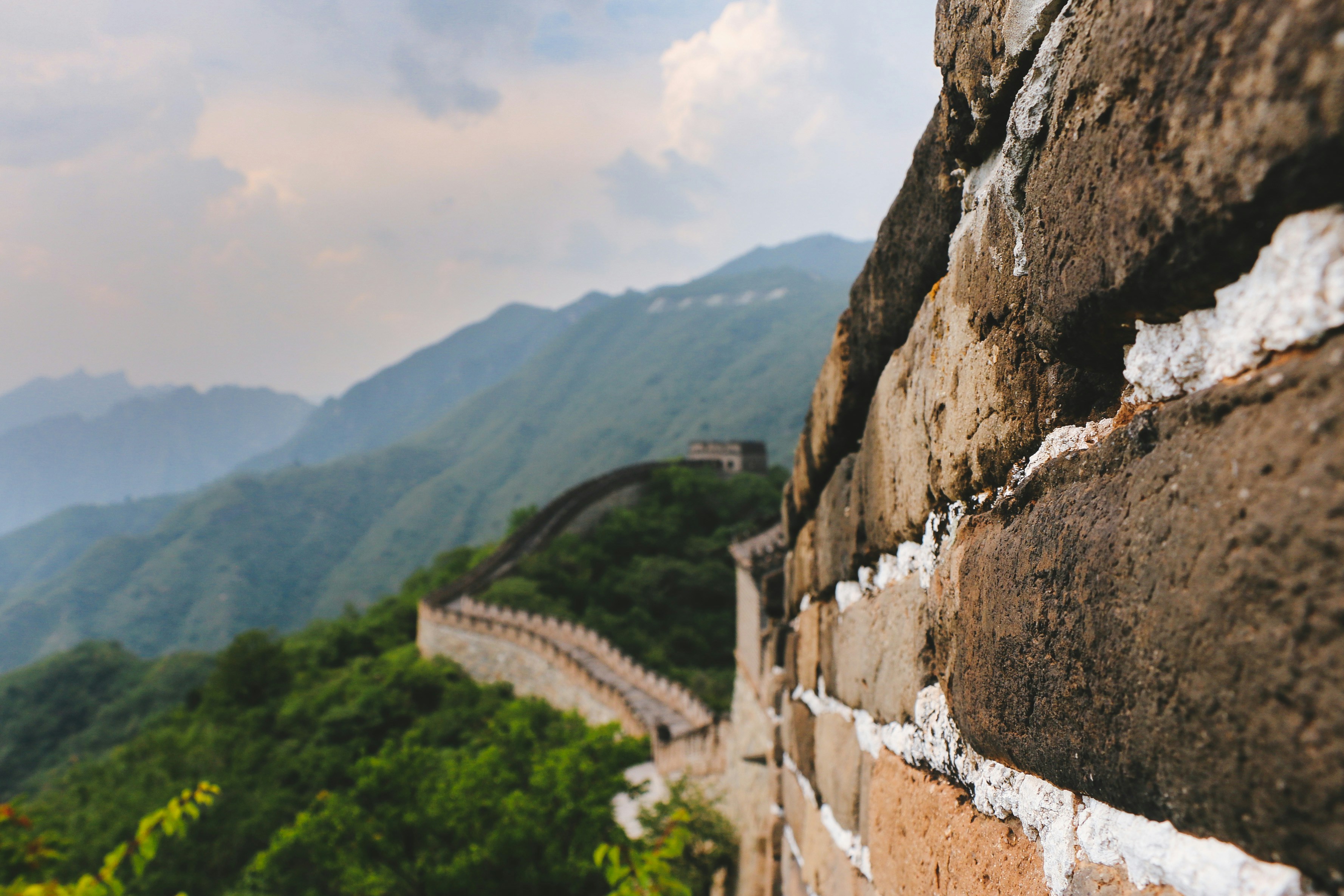
- The Great Wall — 21,000 kilometres of human effort: The Great Wall of China — not a single wall but a series of walls and fortifications built across multiple dynasties from the 7th century BC to the 17th century AD — stretches approximately 21,196 km in total length when all sections are measured. The most visited section (Mutianyu, near Beijing) dates from the Ming dynasty (1368–1644). It is not visible from space with the naked eye, despite the myth — it is too narrow. At its peak construction, hundreds of thousands of conscript workers laboured on it simultaneously.
- The Terracotta Army — an empire's afterlife: Qin Shi Huang (the first emperor of a unified China, 221–210 BC) was buried with an army of approximately 8,000 life-size terracotta warriors, 130 chariots, and 670 horses — each warrior with individualised facial features, arranged in military formation in three pits near Xi'an, sealed underground for 2,200 years until a farmer struck one while digging a well in 1974. The scale and craftsmanship of the mausoleum complex (the full extent of which remains largely unexcavated) is without parallel in the ancient world.
- China invented everything first: China's 'Four Great Inventions' — paper (2nd century BC), printing (woodblock 7th century, movable type 11th century, predating Gutenberg by 400 years), gunpowder (9th century, originally for fireworks and incendiary weapons), and the magnetic compass (11th century) — transformed human civilisation worldwide. China also invented cast iron (5th century BC, 1,400 years before Europe), paper money (7th century), the mechanical clock, porcelain, and the civil service examination (605 AD, the world's first merit-based government recruitment system).
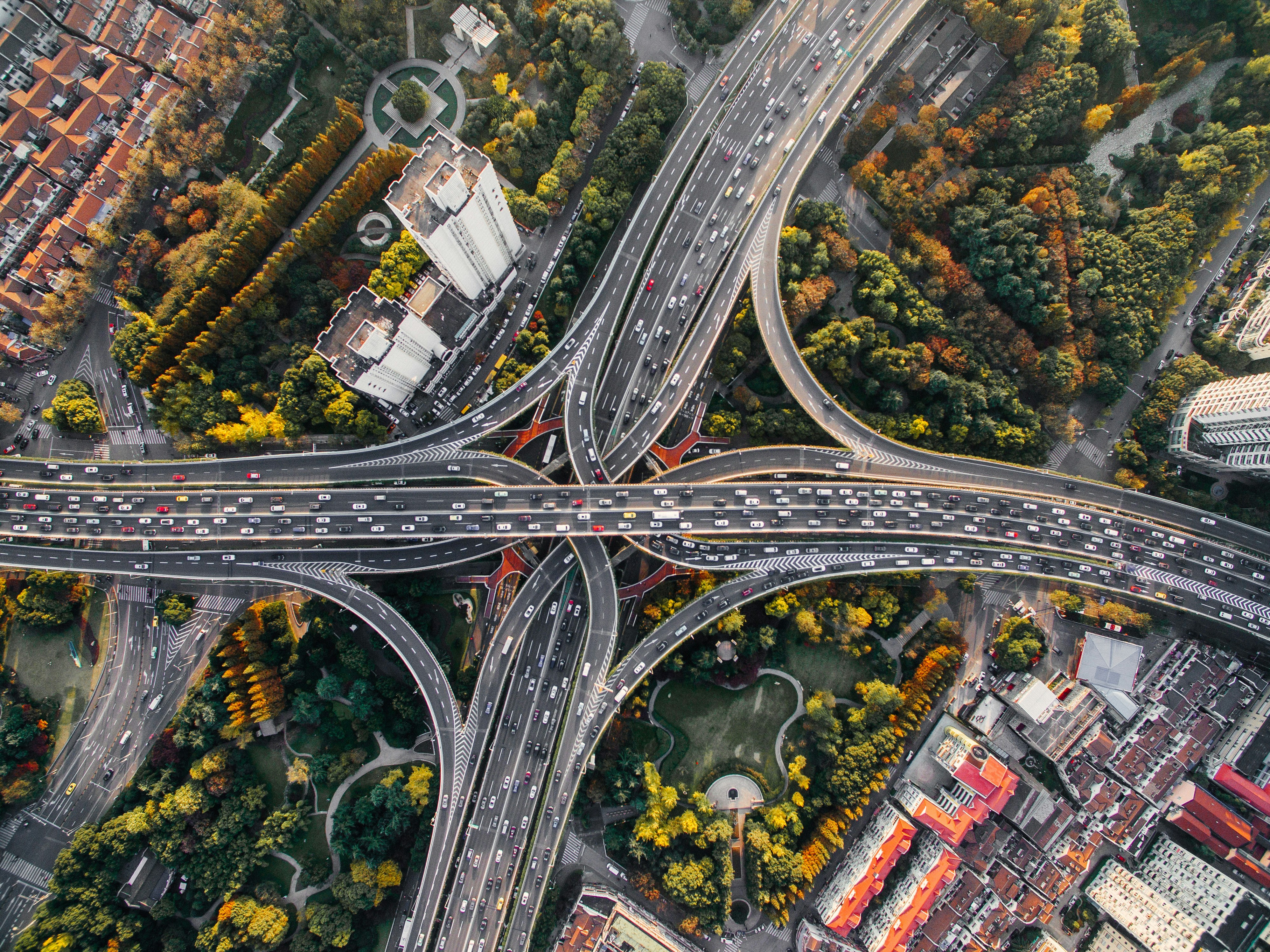
- The scale of Chinese urbanisation: China has undergone the largest and fastest urbanisation in human history — moving approximately 500 million people from rural areas to cities between 1978 and 2020, building the equivalent of a city the size of Chicago every year for 40 years. China has 15 cities with populations over 10 million; its high-speed rail network (45,000 km, the world's longest) connects them at speeds up to 350 km/h. Shanghai's Pudong district, now a skyline of 100+ skyscrapers, was farmland in 1990.
Nature & Key Destinations
- Beijing: The Forbidden City (the largest palace complex in the world, 980 buildings across 720,000 m², home to 24 emperors across 500 years), Tiananmen Square, the Temple of Heaven, the Summer Palace's lake and pavilions, the hutong alleyway neighbourhoods of the old city, and the Mutianyu Great Wall section — a city where 3,000 years of imperial history coexists with the world's largest urban metro system.
- Xi'an, Guilin & Yunnan: Xi'an (the Terracotta Army, the Tang dynasty city walls, the Muslim Quarter's lamb skewers and pomegranate juice), the karst peaks of Guilin and the Li River (the landscape on the 20 Yuan note, its misty limestone towers and river reflections), and Yunnan (the Tiger Leaping Gorge, the old town of Lijiang, the rice terraces of Yuanyang, the tropical biodiversity of Xishuangbanna) — three of China's most spectacular non-Beijing destinations.
- Shanghai & the Yangtze Delta: The Bund's colonial banking facades facing Pudong's hypermodern skyline across the Huangpu River — the world's greatest juxtaposition of old and new in a single panorama. The Yu Garden's classical architecture, the French Concession's plane-tree lanes and art deco apartments, and the hairy crab restaurants of autumn.
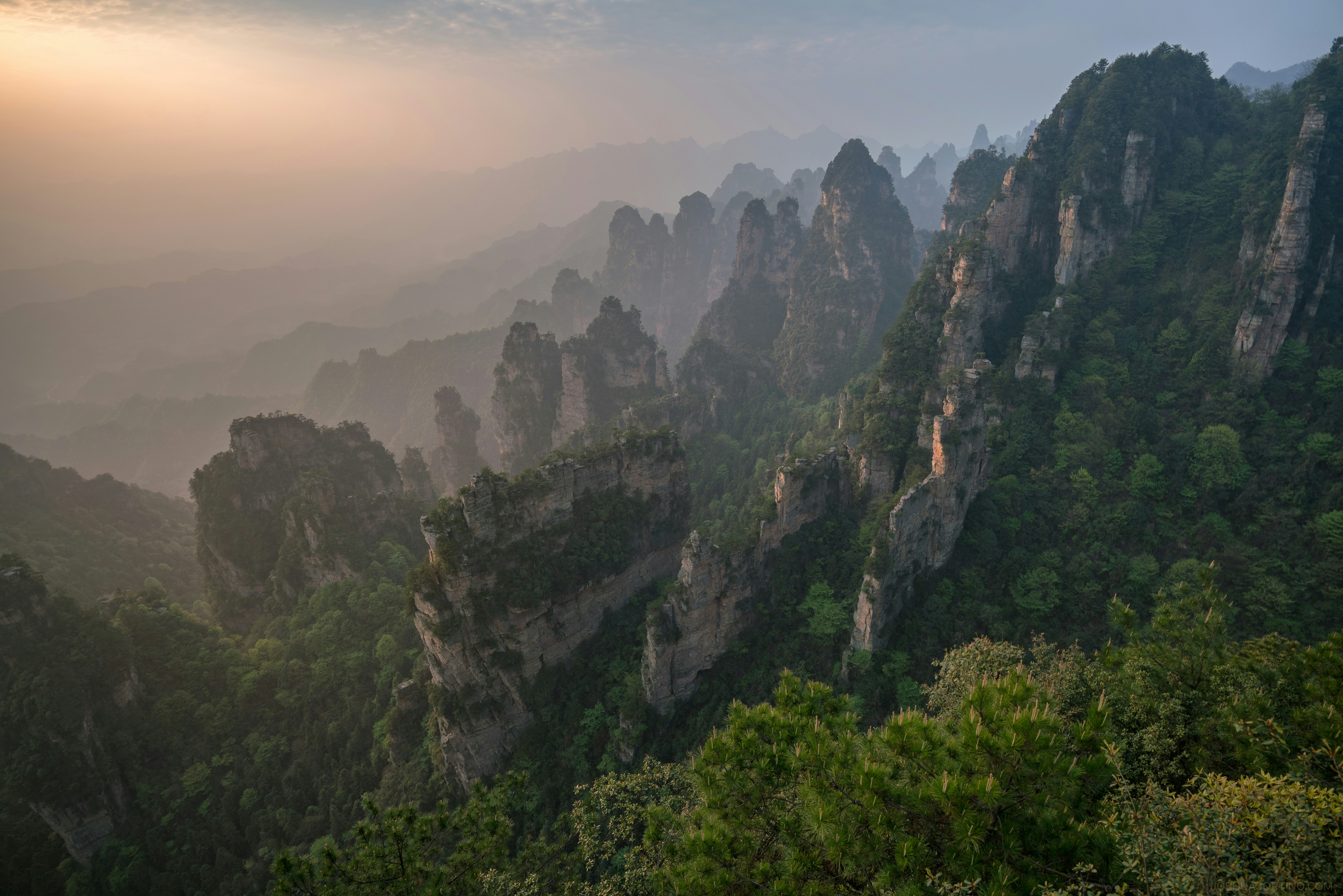
- Tibet, Zhangjiajie & Sichuan: The Tibetan Plateau's Potala Palace (the Dalai Lamas' winter palace in Lhasa), the Avatar Hallelujah Mountains of Zhangjiajie (the real landscape that inspired James Cameron's Pandora, its sandstone pillars rising vertically from forested valleys), and Sichuan's Jiuzhaigou Valley (UNESCO, its multicoloured lakes stacked between snow peaks) — China's three most visually extraordinary landscape destinations.
Cuisine
- The eight great cuisines: Chinese cuisine is not one cuisine but eight officially recognised regional traditions — Sichuan (numbing Sichuan peppercorn and fiery chilli doubanjiang), Cantonese (the dim sum tradition, the freshest seafood, the wok techniques that influenced all of Asian cooking), Shanghainese (xiao long bao soup dumplings, red-braised pork belly), Shandong (the seafood and braised traditions of the north), Hunan (smokier and fiercer than Sichuan), Fujian (clear soups and seafood), Anhui (wild herbs and mountain ingredients), and Jiangsu (delicate knife work and sweetness) — together representing the most diverse single national cuisine on Earth.
- Dim sum, dumplings & Peking duck: Dim sum (the Cantonese tradition of small shared dishes eaten with tea in a yum cha sitting — har gow, siu mai, cheung fun, egg tarts) is perhaps Chinese cuisine's greatest gift to the world's restaurant culture. Peking duck (the imperial dish of Beijing — crispy lacquered skin carved tableside, eaten in pancakes with hoisin sauce and scallion) and the xiao long bao (Shanghai's soup-filled dumplings, eaten by biting a hole and drinking the broth) are the two most celebrated individual Chinese dishes internationally.
- Street food & regional snacks: China's street food culture is the world's most varied — the hand-pulled noodles (la mian) of Lanzhou, the jianbing (savoury crepe with egg and fermented sauce) of Beijing breakfast stalls, the hotpot culture of Chongqing (diners cooking raw ingredients in a bubbling divided pot of broth — one side mild, one side fiery), and the thousand regional variations of baozi (filled steamed buns) that appear at every railway station and street corner across the country.
Traditions & Culture
- Confucianism and the Chinese worldview: Confucianism — the philosophical system of Kong Qiu (Confucius, 551–479 BC) emphasising filial piety, social harmony, ritual propriety, and the cultivation of virtue — has shaped Chinese society, government, and family structure for 2,500 years. The examination system (605–1905 AD), the hierarchical family structure, the emphasis on education as the path to social mobility, and the Confucian concept of 'face' (mianzi) in social interactions are its living expressions in contemporary Chinese culture.
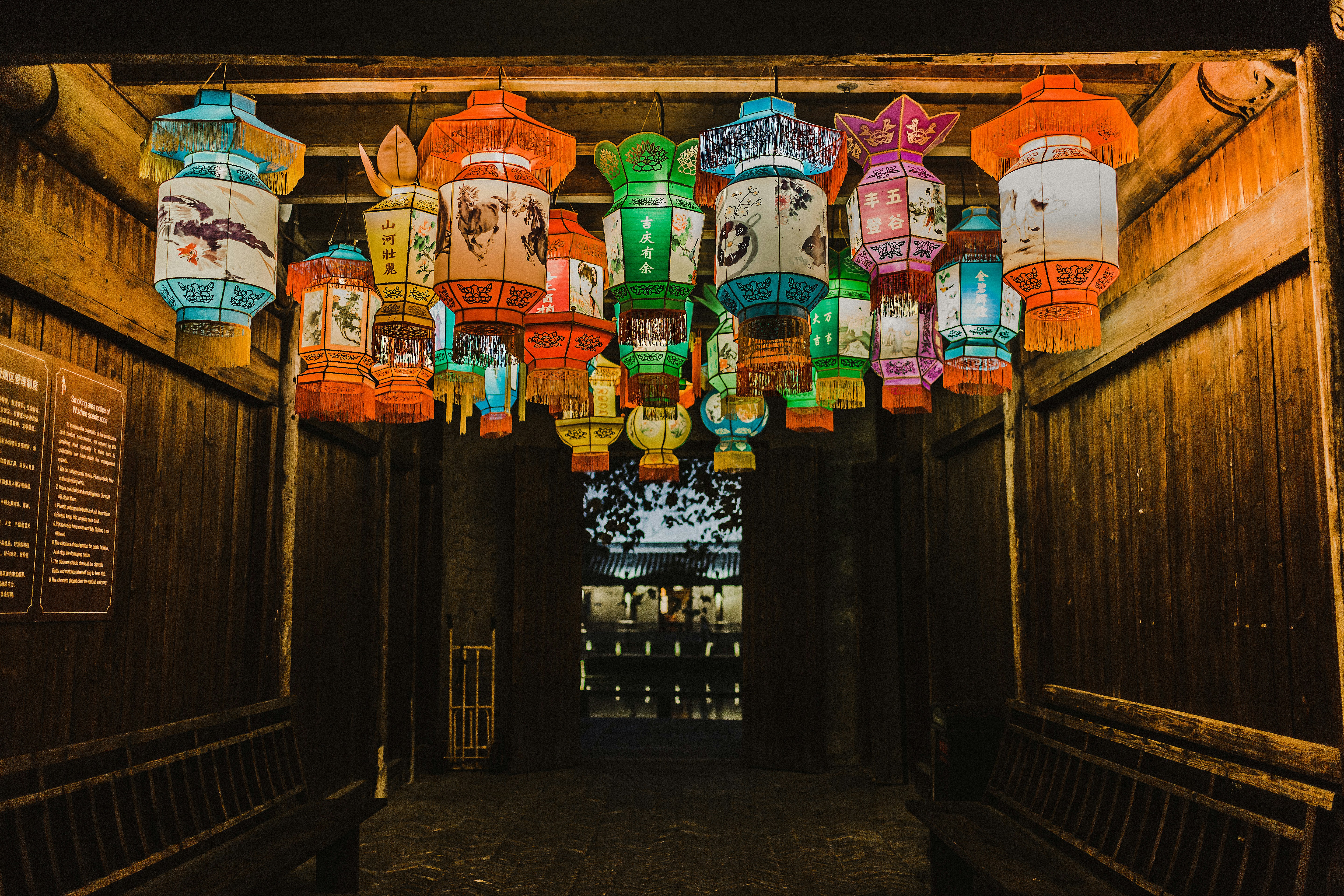
- Chinese New Year & the festival calendar: Chinese New Year (Spring Festival, Chūnjié) — the 15-day lunar new year celebration that begins on the first new moon between 21 January and 20 February — is the world's largest annual human movement, as hundreds of millions of Chinese travel home for the family reunion dinner. The holiday, with its red envelopes (hongbao), dragon dances, temple fairs, and fireworks, is the supreme expression of Chinese cultural identity — celebrated by over 1.4 billion people in China and diaspora communities on every continent.
Climate
- Continental to tropical — enormous variation: China's vast size creates extreme climatic diversity — Beijing has cold, dry winters (−10°C, December–February) and hot, humid summers (35°C with smog). Shanghai is mild and wet (best March–May and September–November). Yunnan is spring-like year-round (20–25°C). Tibet is cold at altitude. Southern China (Guangdong, Hainan) is subtropical. The best time for most of China is April–May and September–October, avoiding the July–August heat and humidity. The Yangtze River valley has oppressive summer heat (38–40°C, July–August).