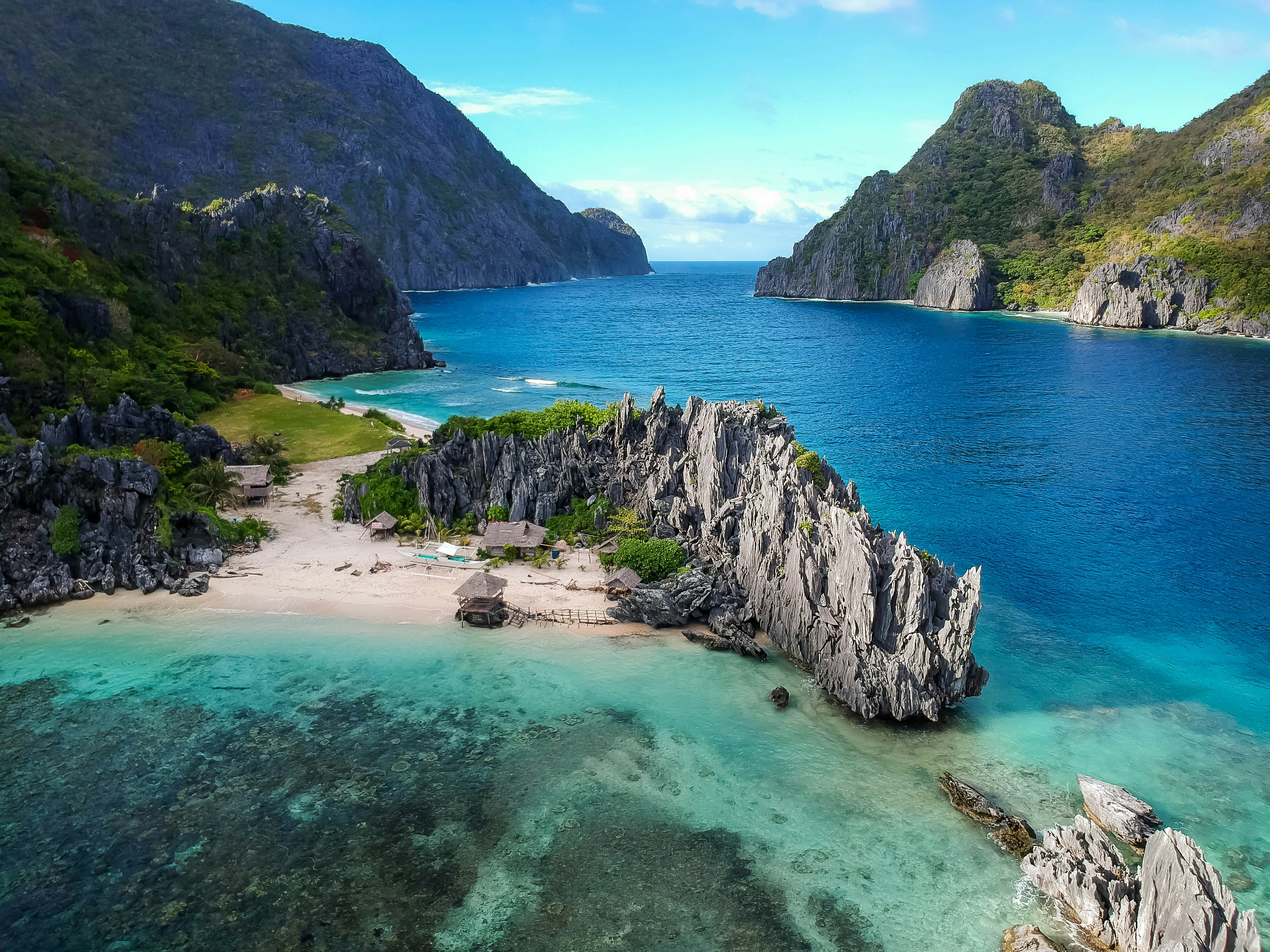
The Philippines is an archipelago of 7,641 islands in Southeast Asia — a nation of 115 million people whose cultural identity blends three centuries of Spanish colonial rule (1565–1898), half a century of American influence, and the deep-rooted traditions of over 100 distinct indigenous peoples speaking 170 languages. It is the world's second largest archipelago nation (after Indonesia), the third largest English-speaking country, and one of the world's most biodiverse — its oceans containing the highest marine biodiversity on Earth (the Coral Triangle), its forests sheltering endemic species found nowhere else, from the Philippine eagle (the world's largest by wingspan) to the tarsier (the world's smallest primate, with eyes larger than its brain).
Capital: Manila (Metro Manila, with ~14 million people)
Population: ~115 million — the 13th most populous country in the world
Area: 300,000 km² of land across 7,641 islands
Currency: Philippine Peso (PHP)
Languages: Filipino (based on Tagalog) and English — both official; 170 languages spoken; Spanish influence evident in vocabulary
Independence: 1898 from Spain (to US); 1946 from US; unique as the only Southeast Asian nation colonised by a Western power for over three centuries
Fascinating Facts
- The Coral Triangle — the Amazon of the Seas: The Philippines sits at the heart of the Coral Triangle — the 5.7 million km² of ocean between the Philippines, Indonesia, Malaysia, Papua New Guinea, the Solomon Islands, and Timor-Leste that contains 76% of the world's coral species, 37% of all coral reef fish species, and six of the seven species of marine turtle. The Philippines' Tubbataha Reef (UNESCO World Heritage) is considered one of the finest dive sites on Earth.
- The Banaue Rice Terraces — 2,000-year-old engineering: The rice terraces of the Cordillera mountains in northern Luzon — carved into the mountains over 2,000 years by the Ifugao people using only hand tools, fed by an ancient irrigation system drawing water from the rainforest above — cover over 10,000 km² of mountain slope. If all the terraces were laid end to end, they would circle half the Earth. UNESCO World Heritage, they are still actively farmed by Ifugao communities.
- The tarsier — eyes larger than its brain: The Philippine tarsier (Carlito syrichta) — found only on the islands of Bohol, Samar, Leyte, and Mindanao — is one of the smallest primates in the world (8–16 cm long) and has the largest eyes relative to body size of any mammal. Its eyes are so large they cannot rotate in their sockets; instead, the tarsier can rotate its entire head 180 degrees like an owl. It is the world's only carnivorous primate, eating insects, small lizards, and birds.
- Jeepneys — the art of public transport: The jeepney — originally converted from US military jeeps left after World War II, elaborately decorated with chrome horses, religious icons, coloured lights, and hand-painted murals — is the defining symbol of Filipino popular culture and the primary form of public transport in cities and provincial towns. Each jeepney is uniquely decorated by its owner; together they form the most colourful public transport fleet in the world.
Nature & Key Destinations
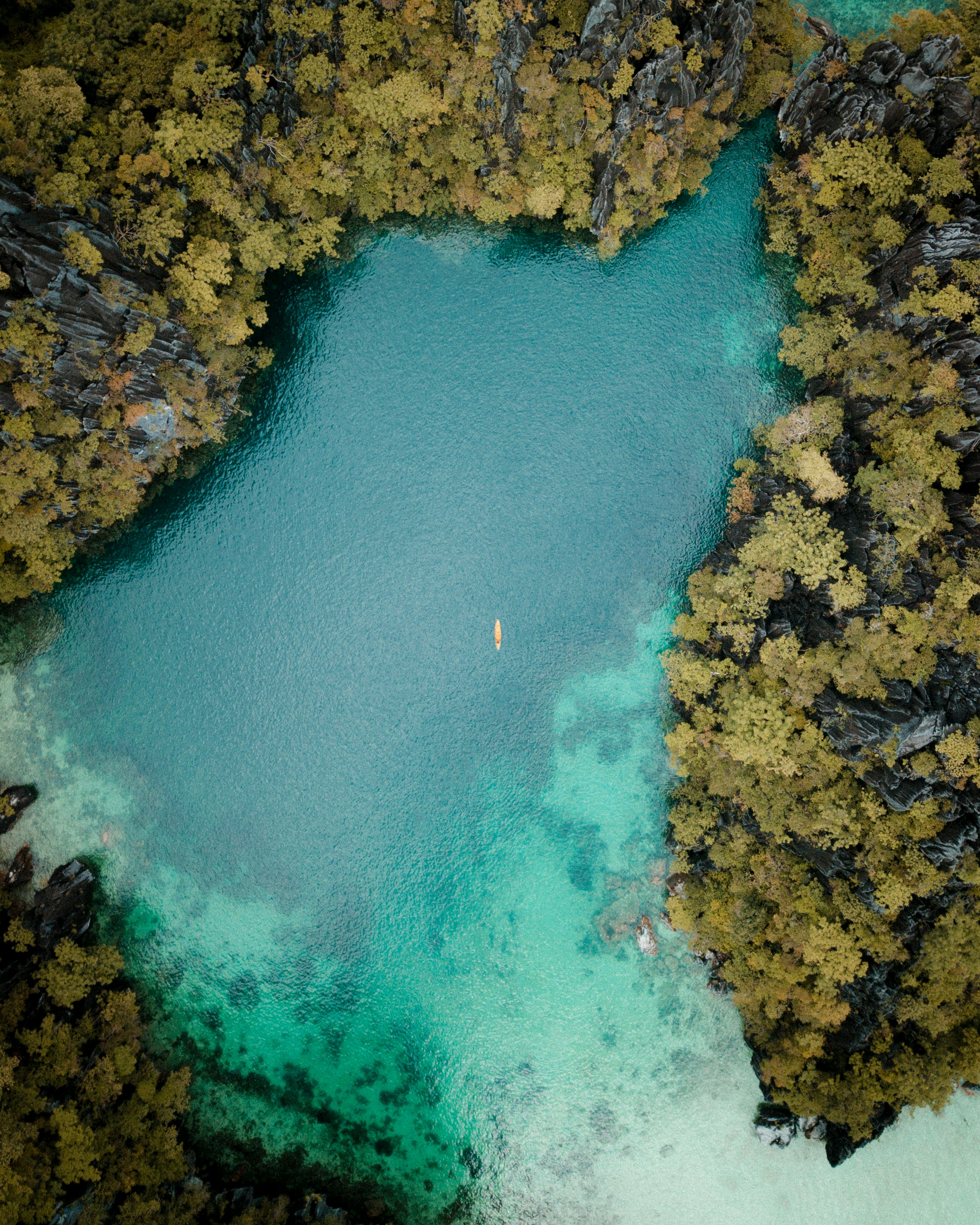
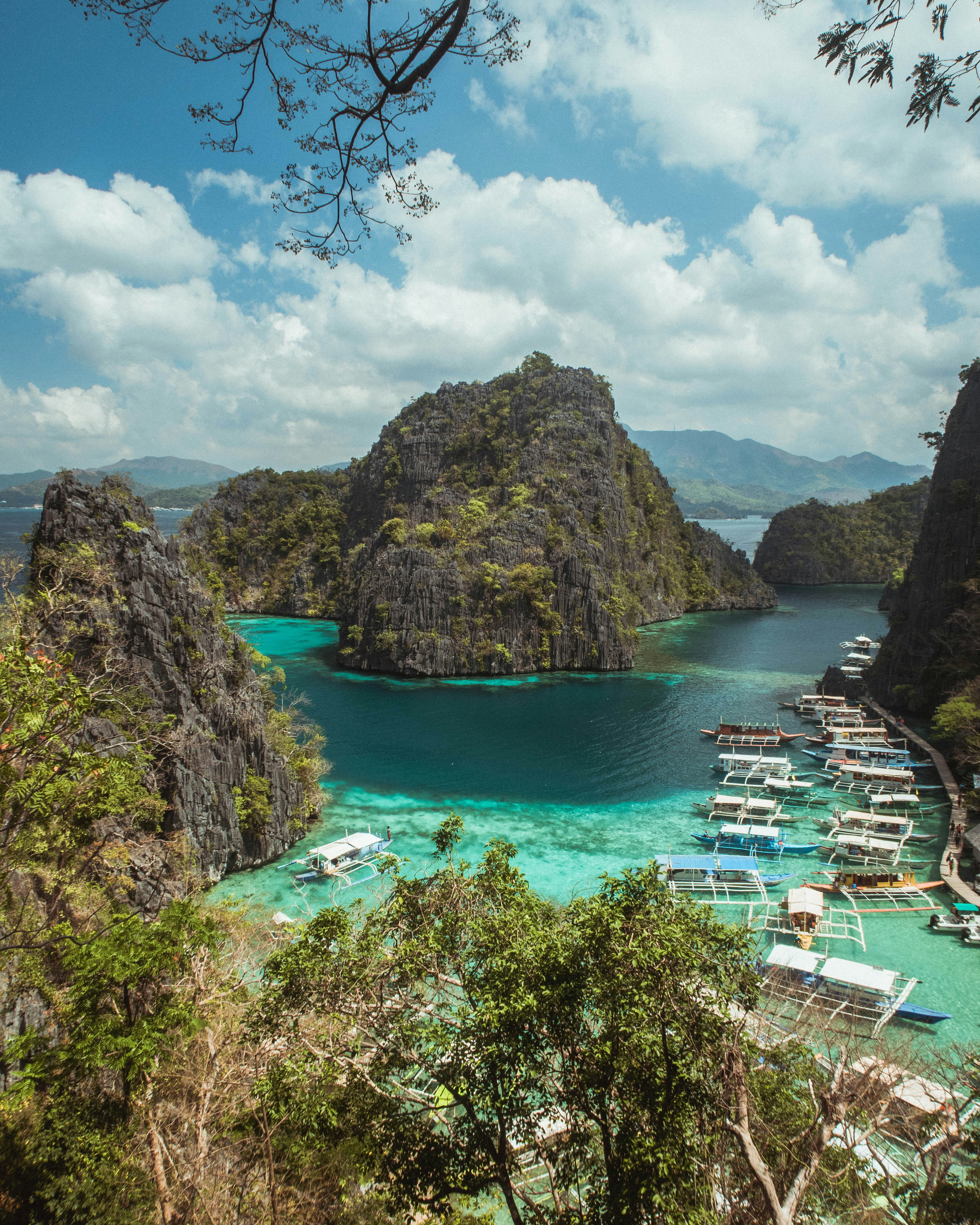
- Palawan: Consistently rated one of the world's best islands — the Puerto Princesa Underground River (UNESCO, one of the New Seven Wonders of Nature — a navigable subterranean river flowing through a spectacular cave system), the limestone karst islands and turquoise lagoons of El Nido, and the remote Tubbataha Reef (only accessible by liveaboard) for world-class diving.
- Bohol: The Chocolate Hills — over 1,200 perfectly conical grass-covered hills turning chocolate brown in the dry season, one of the most surreal landscapes in Asia — the Philippine Tarsier Sanctuary, the Spanish colonial churches of Baclayon, and the Loboc River chocolate hills boat cruise.
- Banaue & the Cordillera: The 2,000-year-old Ifugao rice terraces on the Cordillera mountains — trekking between terrace-farming villages, staying in Ifugao longhouses, and watching the mist rise from the terraced mountainsides at dawn. The best preserved terraces are at Batad, accessible only on foot.
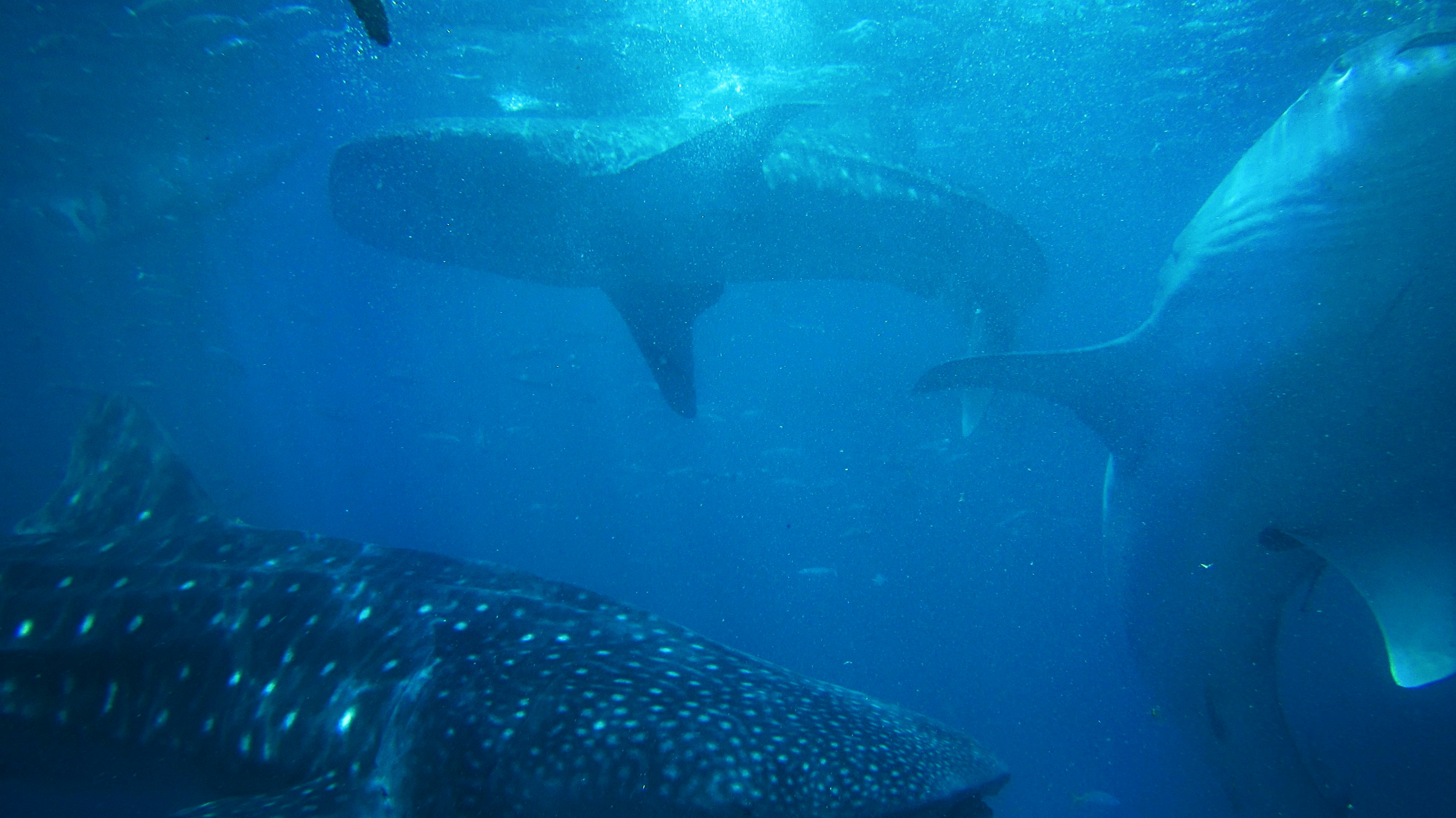
- Cebu, Siargao & diving: Swimming with whale sharks at Oslob (Cebu), surfing the perfect cloud-nine break of Siargao (the surf capital of the Philippines), thresher shark diving at Malapascua, and the extraordinary sardine run at Moalboal (millions of sardines swirling in a column just metres from the shore) represent the Philippines' extraordinary marine experiences.
Cuisine
- Adobo & sinigang: Adobo — meat (chicken, pork, or both) braised in vinegar, soy sauce, garlic, bay leaves, and black pepper until the liquid reduces to a caramelised glaze — is the Philippines' national dish, invented as a preservation technique before refrigeration and now the most universally loved Filipino food. Sinigang (a sour tamarind-based soup with pork, shrimp, or fish and vegetables) is the other contender for national dish — sour, savoury, and profoundly comforting.
- Lechon & fiesta culture: Lechon — a whole suckling pig roasted on a spit over charcoal for hours until the skin is shatteringly crisp and the meat tender — is the centrepiece of every Filipino fiesta (celebration) and considered by many food writers the finest roast pig in the world. The fiesta culture of the Philippines, in which communities celebrate patron saints with street parades, brass bands, dancing, and communal feasting, produces lechon as its supreme culinary expression.
- Halo-halo & street food: Halo-halo (literally 'mix-mix') — a towering glass of shaved ice over a base of sweetened beans, jelly, coconut, banana, jackfruit, purple yam ice cream, and leche flan — is the Philippines' definitive summer dessert and one of Asia's most extravagant sweet constructions. Balut (a fertilised duck egg with a partially developed embryo, eaten warm from the shell) is the Philippines' most notorious street food — a protein snack eaten by millions and feared by visitors.
Traditions & Culture
- Bayanihan — community spirit: Bayanihan — the Filipino tradition of community cooperation in which neighbours gather to help each other without expectation of payment (the original expression being the communal carrying of a family's house, literally, to a new location) — is the philosophical foundation of Filipino social life. It explains the extraordinary warmth, generosity, and helpfulness of Filipinos toward strangers and guests, which consistently surprises visitors.
- Filipino music & karaoke culture: The Philippines has given the world two musical inventions: the karaoke machine (co-invented by Roberto del Rosario in 1975, though Japan's Daisuke Inoue made an earlier version) and the videoke — and has elevated karaoke to a genuine cultural institution. Every barangay (neighbourhood) has a karaoke bar; singing is the universal social language. Kundiman (the romantic Filipino ballad tradition of the Spanish era) and OPM (Original Pilipino Music) are the two poles of Filipino musical identity.
Climate
- Tropical, three seasons: The Philippines has three seasons: Tag-init (hot dry season, March–May), Tag-ulan (rainy season, June–November, with typhoon risk June–October), and Tag-lamig (cool dry season, December–February, the best for travel). The Visayas (Cebu, Bohol) and Palawan are best November–May. The east coast (Siargao) is dry during the west's wet season. Typhoons can be severe — check forecasts carefully June–October.

 Philippines