Chile is one of the world's most geographically extraordinary countries — a narrow strip averaging just 177 km in width but extending 4,270 km from the Atacama Desert in the north to Cape Horn in the south. It borders the Pacific Ocean to the west and the Andes to the east for its entire length, producing an almost unimaginable variety of landscapes. Chile is also one of South America's most politically stable and economically developed nations, with excellent infrastructure, world-class wines, and one of the finest seafood traditions in the hemisphere.
Capital: Santiago
Population: ~19.5 million
Area: 756,102 km² (including Easter Island and Antarctic territory)
Currency: Chilean Peso (CLP)
Language: Spanish
Religion: Predominantly Roman Catholic, though secularisation has accelerated significantly
Fascinating Facts
- The world's driest non-polar desert: The Atacama Desert in northern Chile receives less than 1 mm of rain per year in some areas — making it the driest non-polar desert on Earth. Some weather stations have never recorded rain. It is also the world's best location for astronomical observation, home to several of the world's most powerful telescopes.
- The world's longest country: Chile stretches 4,270 km from north to south — if superimposed on Europe, it would reach from London to Tehran. The climate range is accordingly enormous: the Atacama has never recorded rain; southern Patagonia receives over 3,000 mm per year.
- Easter Island (Rapa Nui): A UNESCO World Heritage island 3,700 km off the Chilean coast — home to 900 monumental moai statues carved by the Rapa Nui people between the 13th and 16th centuries. How and why they were built and moved remains one of archaeology's most debated mysteries.
- Chile is the world's largest copper producer: Chile produces approximately 27% of the world's copper — the Atacama's mines (including Chuquicamata, the world's largest open-pit copper mine) are the backbone of the Chilean economy.
Nature & Key Destinations
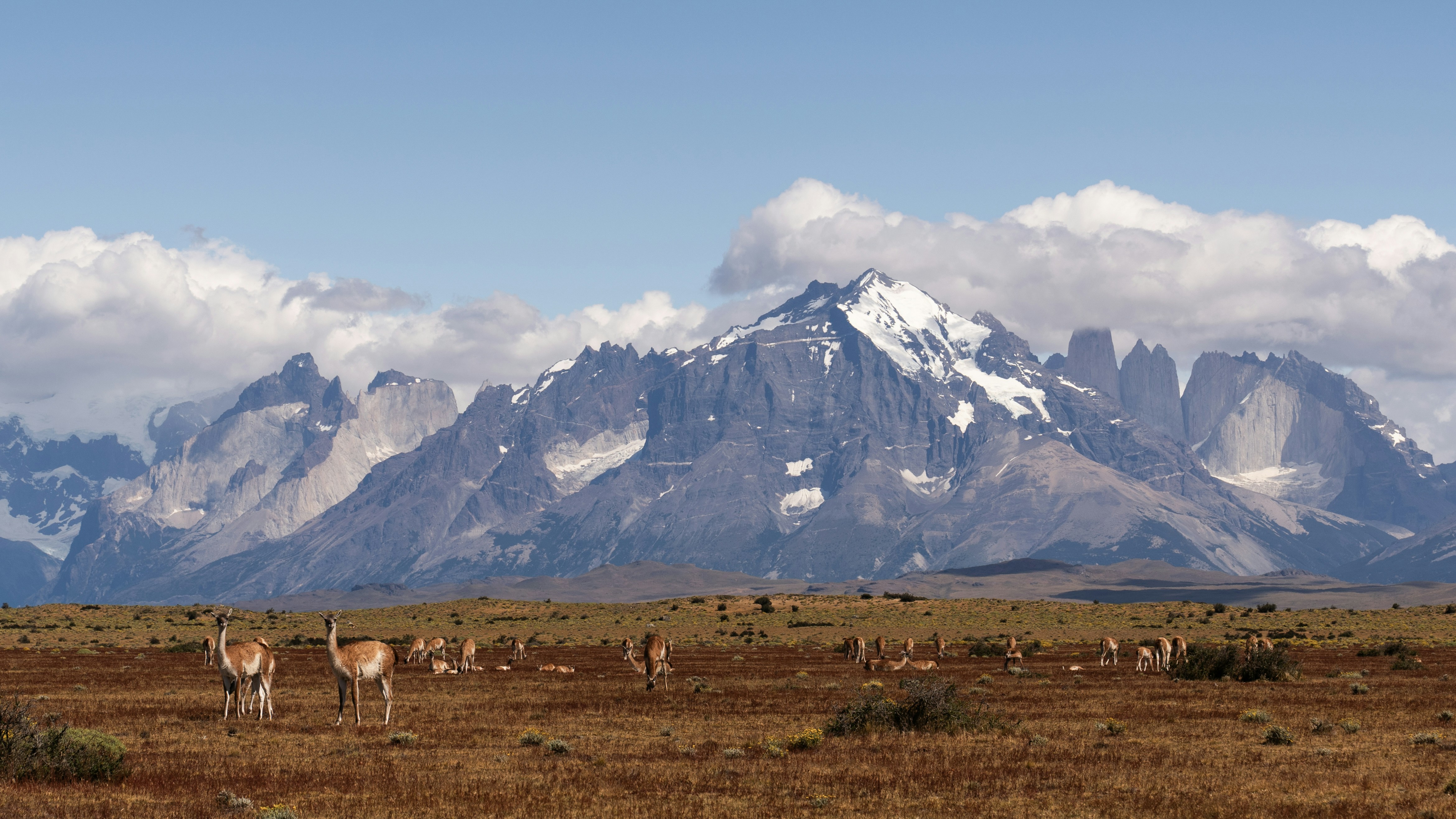
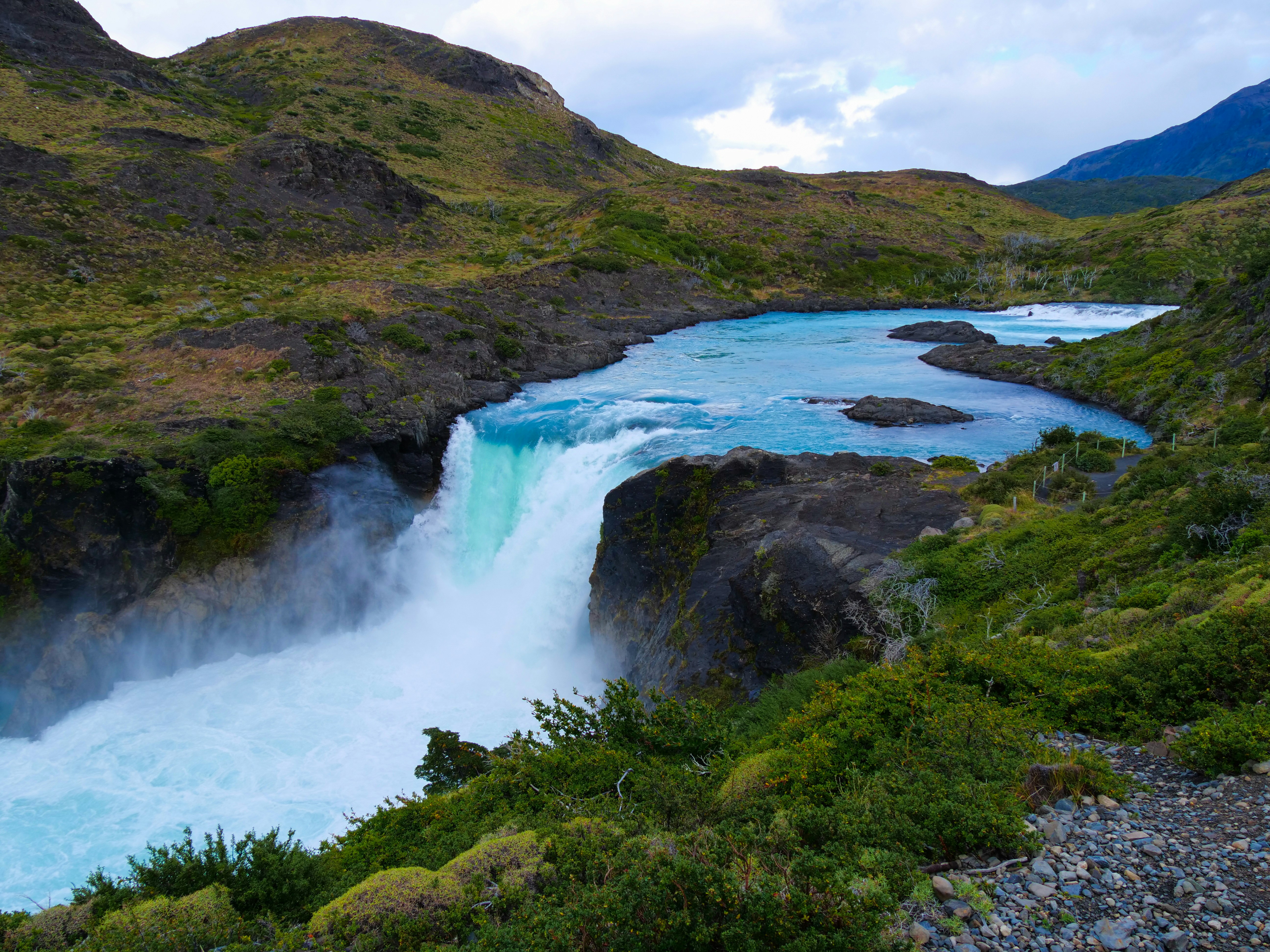
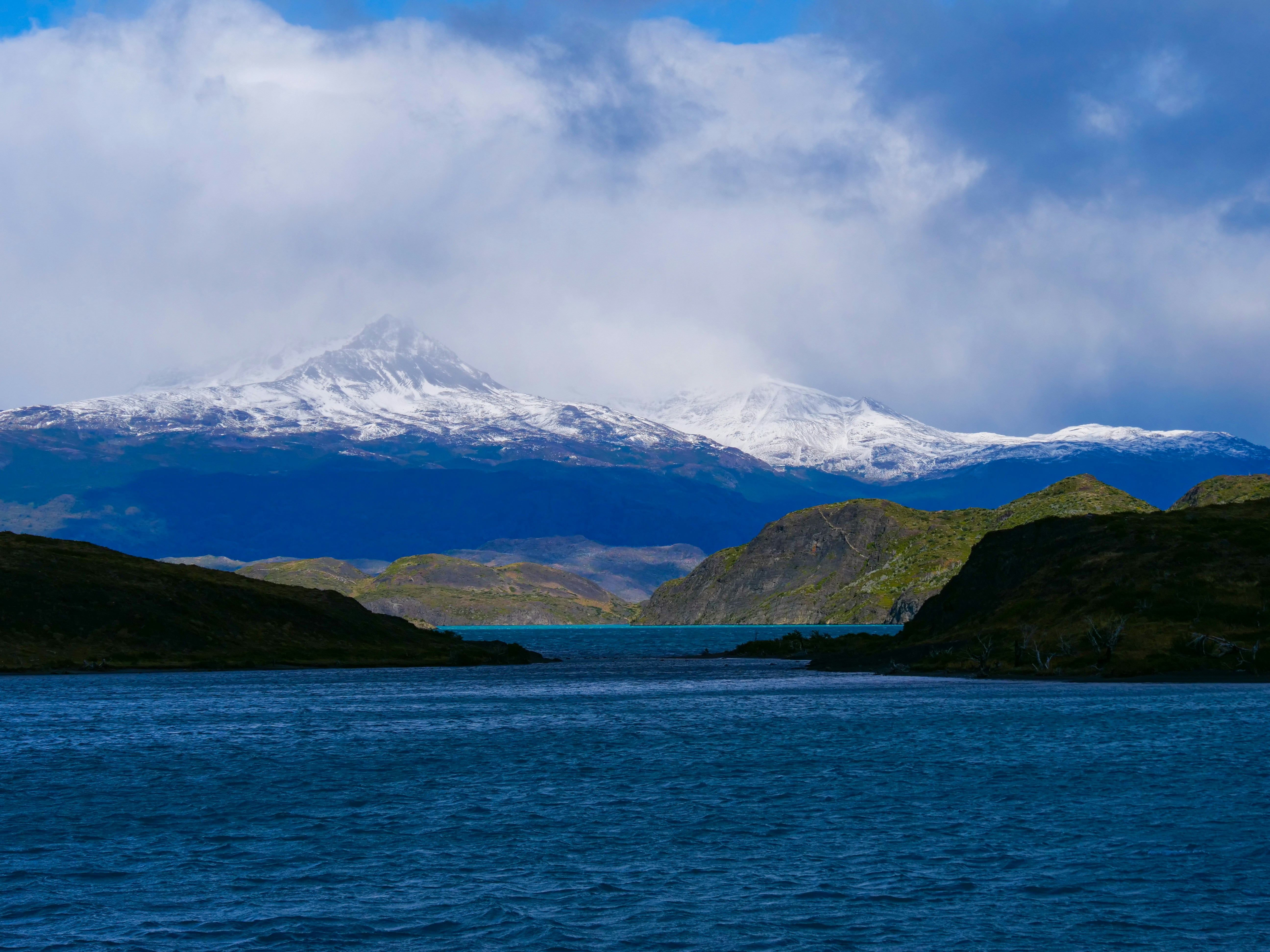
- Torres del Paine: The most celebrated national park in South America — three granite towers rising 2,850 m above the Patagonian steppe, glaciers, turquoise lakes, and the famous 'W Trek' and 'O Circuit' hiking routes.
- Atacama Desert: The driest place on Earth — Valle de la Luna, El Tatio geysers at dawn, the Atacama salt flat, coloured lagoons with flamingos, and the world's finest stargazing from San Pedro de Atacama.
- Easter Island (Rapa Nui): One of the most remote inhabited islands in the world — the moai statues on Ahu Tongariki at sunrise are one of travel's truly unforgettable experiences.
- Lake District & Chiloé: The Chilean Lake District (Pucón, Puerto Varas) — snow-capped volcanoes, deep blue lakes, and hot springs. Chiloé Island — stilted palafito houses, UNESCO-listed wooden churches, and a misty Celtic-feeling landscape.
Cuisine
- Seafood: Chile's Pacific coastline produces extraordinary seafood — centolla (king crab from Patagonia), locos (abalone), erizos (sea urchin), machas (razor clams), and the giant congrio fish celebrated by Pablo Neruda in his 'Ode to Conger Chowder'.
- Empanadas de pino & cazuela: Chilean empanadas are baked (not fried) and filled with beef, onion, hard-boiled egg, and olives. Cazuela is a clear, nourishing broth of beef or chicken with potato, pumpkin, and corn — the definitive Chilean home-cooked meal.
- Chilean wine: Chile is one of the world's top wine exporters — Carménère (a grape variety lost in France after phylloxera but thriving here) is Chile's signature red. The Colchagua and Maipo valleys produce internationally acclaimed wines at excellent value.
Traditions & Culture
- Pablo Neruda's legacy: Pablo Neruda — Nobel Prize-winning poet and one of the 20th century's greatest literary voices — is Chile's most celebrated cultural figure. His three eccentric houses (La Chascona in Santiago, La Sebastiana in Valparaíso, Isla Negra) are national monuments and museums.
- Cueca: Chile's national dance — a courtship dance with handkerchiefs, representing a rooster pursuing a hen. Performed at the Fiestas Patrias (18–19 September national celebrations) in huaso (cowboy) costume.
- Valparaíso: A UNESCO-listed port city of 42 hills covered in street art, funicular lifts, colourful corrugated-iron houses, and a bohemian culture that has inspired poets and artists for over a century.
Climate
- Extreme north-south variation: The Atacama is rainless year-round. Santiago has a Mediterranean climate (hot dry summers 30°C, mild wet winters). Patagonia is cold, wet, and extremely windy year-round. Best for Patagonia: November–March; Atacama: any time; Santiago: October–April.
 ВалпараисоВеликденския островЕзеро ГрейКатедралата на СантягоЛедника ГрейНационален парк Торес дел ПайнеНационалният парк Рапа НуиОстров МагдаленаПлажа АнакенаПланината Пайне ГрандеПрезидентския дворец Ла МонедаПуерто НаталесПунта АренасСантяго де ЧилеСтатуята на Дева МарияХанга РоаХълма Сан Кристобал