New Caledonia is a French special collectivity in the southwestern Pacific Ocean — an archipelago of one large main island (Grande Terre) and several island groups, including the Loyalty Islands and the Isle of Pines, located approximately 1,200 km east of Australia. Its 270,000 people are a remarkably diverse mix of Indigenous Kanak Melanesians, French settlers (Caldoches), and immigrants from across the Pacific and Asia. The country contains 25% of the world's known nickel reserves, the world's second largest coral lagoon (UNESCO World Heritage), and some of the most ancient and biodiverse terrestrial ecosystems in the Pacific.
Capital: Nouméa
Population: ~270,000
Area: 18,575 km²
Currency: CFP Franc (XPF) — linked to the Euro
Languages: French (official); 28 Kanak languages and various Pacific languages widely spoken
Status: French special collectivity (sui generis); independence referendums held 2018, 2020, and 2021 — all voted to remain French
Fascinating Facts
- 25% of the world's nickel: New Caledonia sits on approximately 25% of the world's known nickel reserves — a geological endowment that has made it one of the most strategically important Pacific territories. The SLN (Société Le Nickel) has operated smelters since 1910. Nickel dominates the economy and the landscape of the northeast coast.
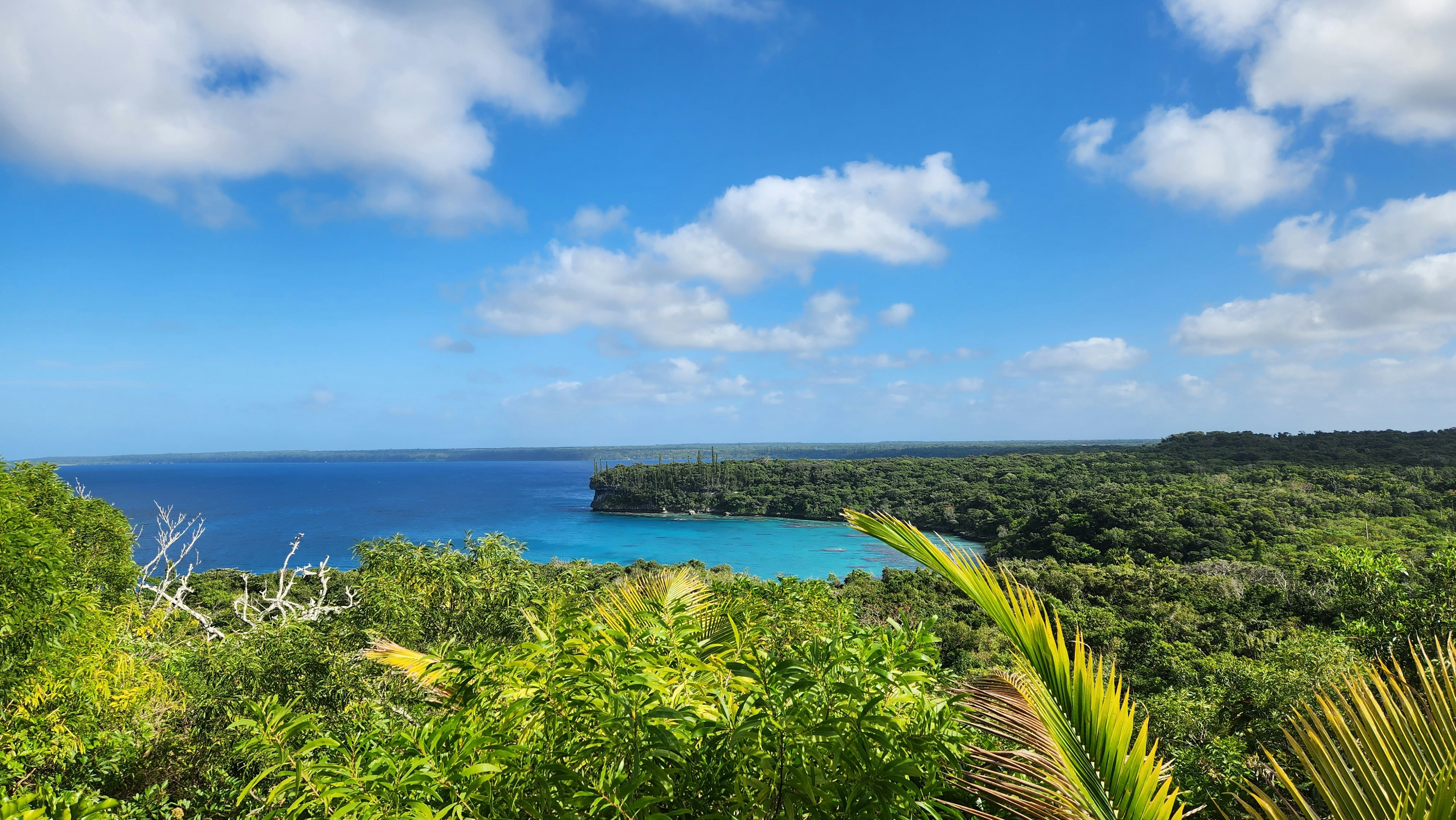
- The world's second largest lagoon: New Caledonia's lagoon — enclosed by one of the world's longest barrier reefs (1,600 km) — covers 24,000 km² and is a UNESCO World Heritage Site. Its coral diversity, dugong population, and nesting sea turtle colonies make it one of the most significant marine ecosystems in the Pacific.
- Ancient forests — a biological ark: Grande Terre was separated from Gondwana 80 million years ago — its forests contain plant species of extraordinary antiquity, including the Araucaria columnaris (Norfolk Island pine), tree ferns, and over 3,000 plant species, 75% of which are found nowhere else on Earth.
- The Kanak independence struggle: The Kanak independence movement — which fought a violent conflict against French rule in the 1980s culminating in the 1988 Ouvéa massacre — remains central to New Caledonian politics. Three independence referendums (2018–2021) produced narrow 'non' votes; the political future remains unresolved.
Nature & Key Destinations
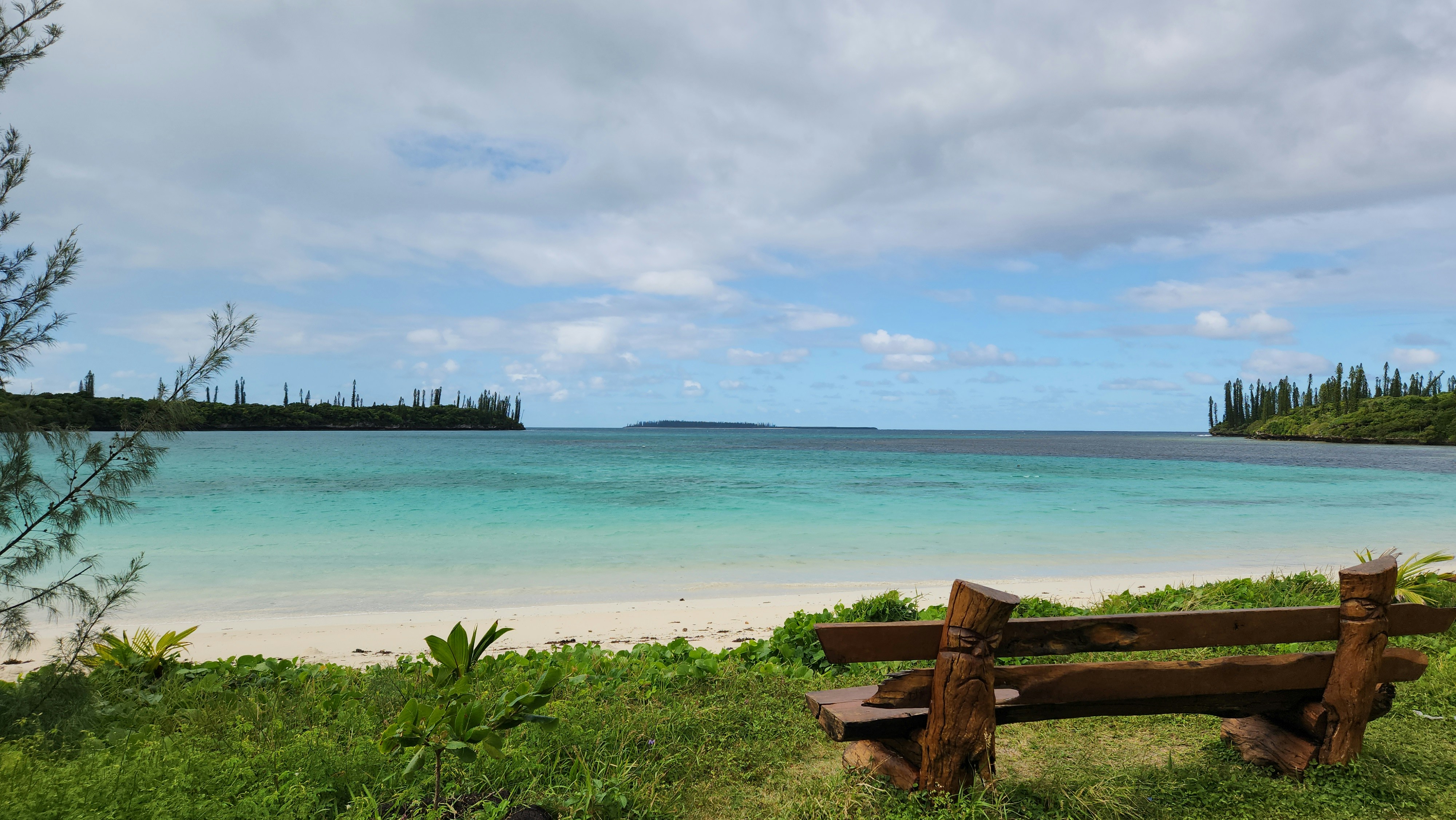
- Isle of Pines (Île des Pins): The most beautiful island in New Caledonia — columnar pines rising from white sand, the extraordinary Oro Bay lagoon with its turquoise transparency, and the natural swimming pools at Oro and Kanumera. Often called the 'closest island to paradise'.
- Loyalty Islands: Lifou, Maré, and Ouvéa — three raised coral Loyalty Islands east of Grande Terre, each with distinct Kanak cultures, extraordinary snorkelling, and beaches of powdery white. Ouvéa's lagoon is one of the finest in the Pacific.
- Nouméa & the lagoon: New Caledonia's sophisticated French-Polynesian capital — excellent restaurants, the Tjibaou Cultural Centre (designed by Renzo Piano to honour Kanak martyr Jean-Marie Tjibaou), and day trips to the lagoon's myriad islets by catamaran.
- Blue River Park (Parc de la Rivière Bleue): A protected reserve of ancient humid forest in the south of Grande Terre — home to the kagu (New Caledonia's flightless national bird, found nowhere else), enormous araucaria trees, and one of the oldest terrestrial ecosystems in the Pacific.
Cuisine
- Bougna — the Kanak earth oven: Bougna is the ceremonial dish of the Kanak people — chicken, lobster, or flying fox (fruit bat) cooked with taro, yam, and coconut milk wrapped in banana leaves and baked in a traditional earth oven. The dish is prepared for feasts, weddings, and welcoming ceremonies, and is the most distinctive food in New Caledonia.
- French cuisine in the tropics: Nouméa's restaurants combine French culinary tradition with Pacific ingredients — fresh lagoon prawns, coconut-fed venison from the Loyalty Islands, locally caught blue parrotfish, and the New Caledonian blue shrimp (the finest in the Pacific) served with French sauces and accompanied by baguettes baked daily.
- Niaouli honey & local produce: New Caledonia's niaouli tree (a Pacific relative of the tea tree) produces a distinctive amber honey of complex flavour. Local venison (deer were introduced in the 19th century and thrive on Grande Terre), tropical fruits, and the remarkable diversity of lagoon seafood complete the local larder.
Traditions & Culture
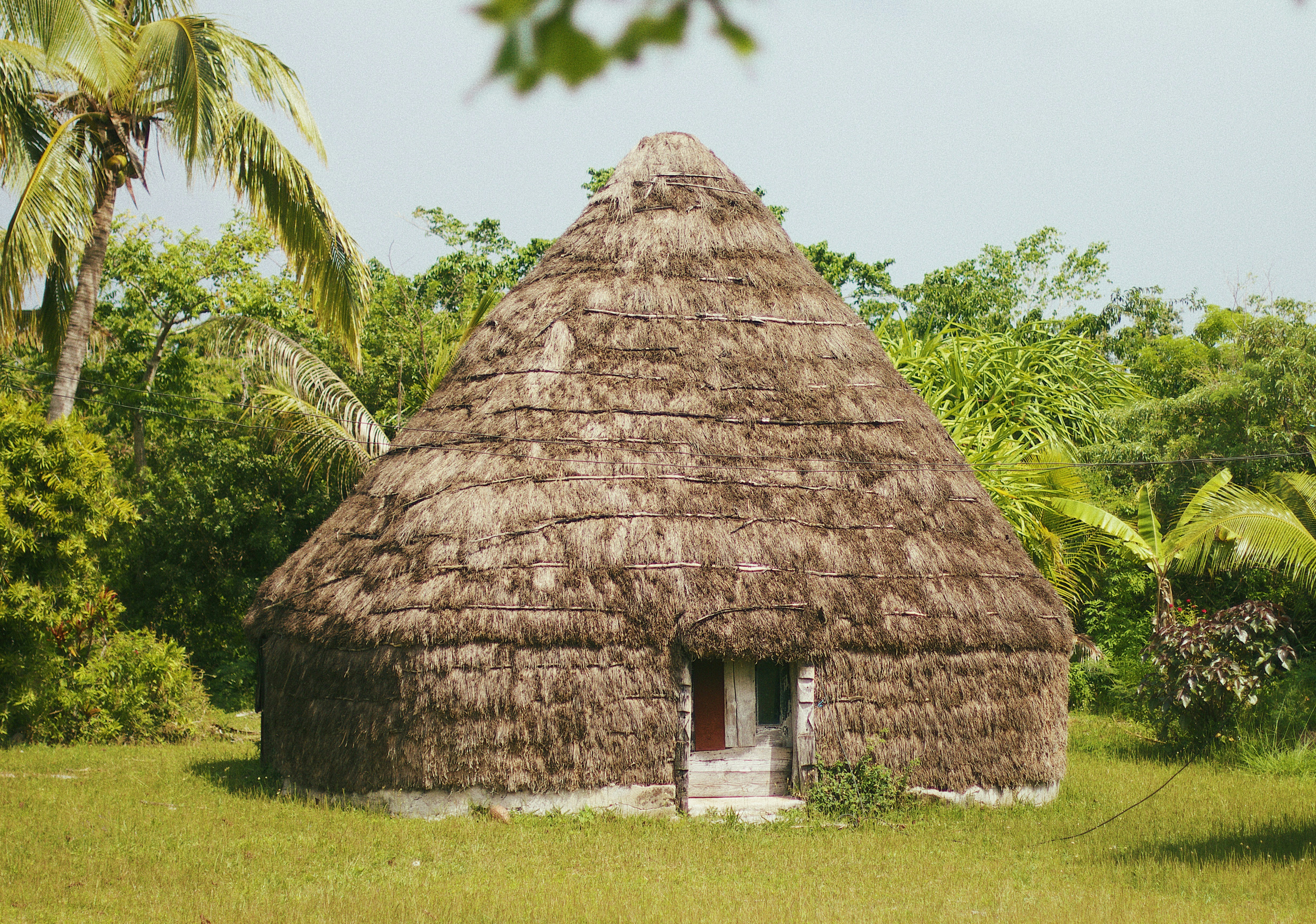
- Kanak culture & coutume: The Kanak ceremonial exchange system (coutume) — in which gifts of tapa cloth, yam, and the sacred monnaie kanak (traditional currency of fabric and shells) are exchanged to mark births, deaths, marriages, and meetings — governs social relations across the Loyalty Islands and tribal areas of Grande Terre.
- Tjibaou Cultural Centre: The Jean-Marie Tjibaou Cultural Centre in Nouméa — designed by Renzo Piano and opened in 1998 — is one of the most architecturally celebrated buildings in the Pacific, its 'village cases' inspired by traditional Kanak architecture. It is the primary institution for Kanak art, music, and cultural expression.
Climate
- Subtropical to tropical: Nouméa has a pleasant subtropical climate (19–28°C) — dry season May–October (the best for travel), wet season November–April (cyclone risk). The Loyalty Islands and Isle of Pines are slightly more tropical. Trade winds moderate the heat year-round on the east coast.