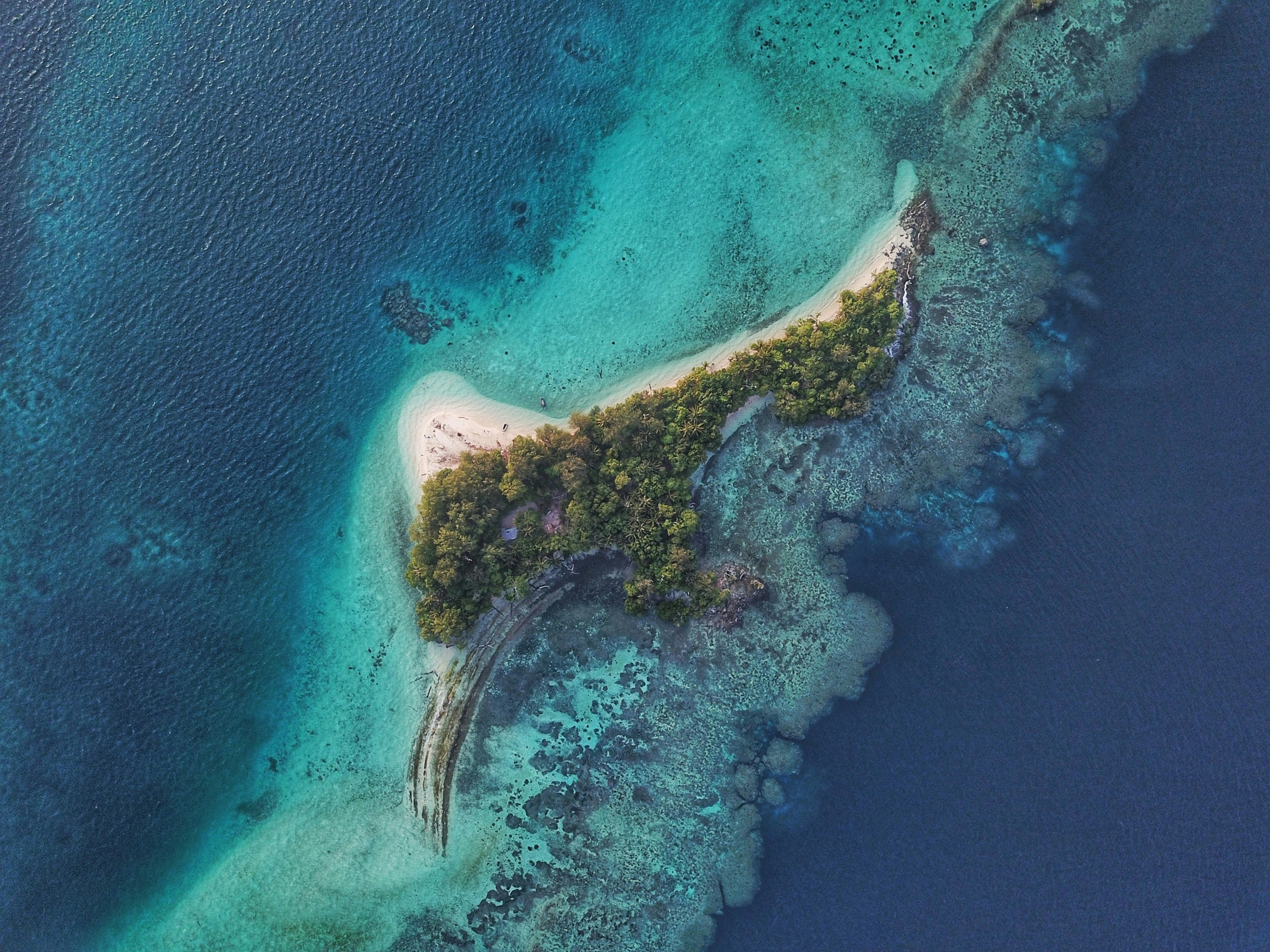
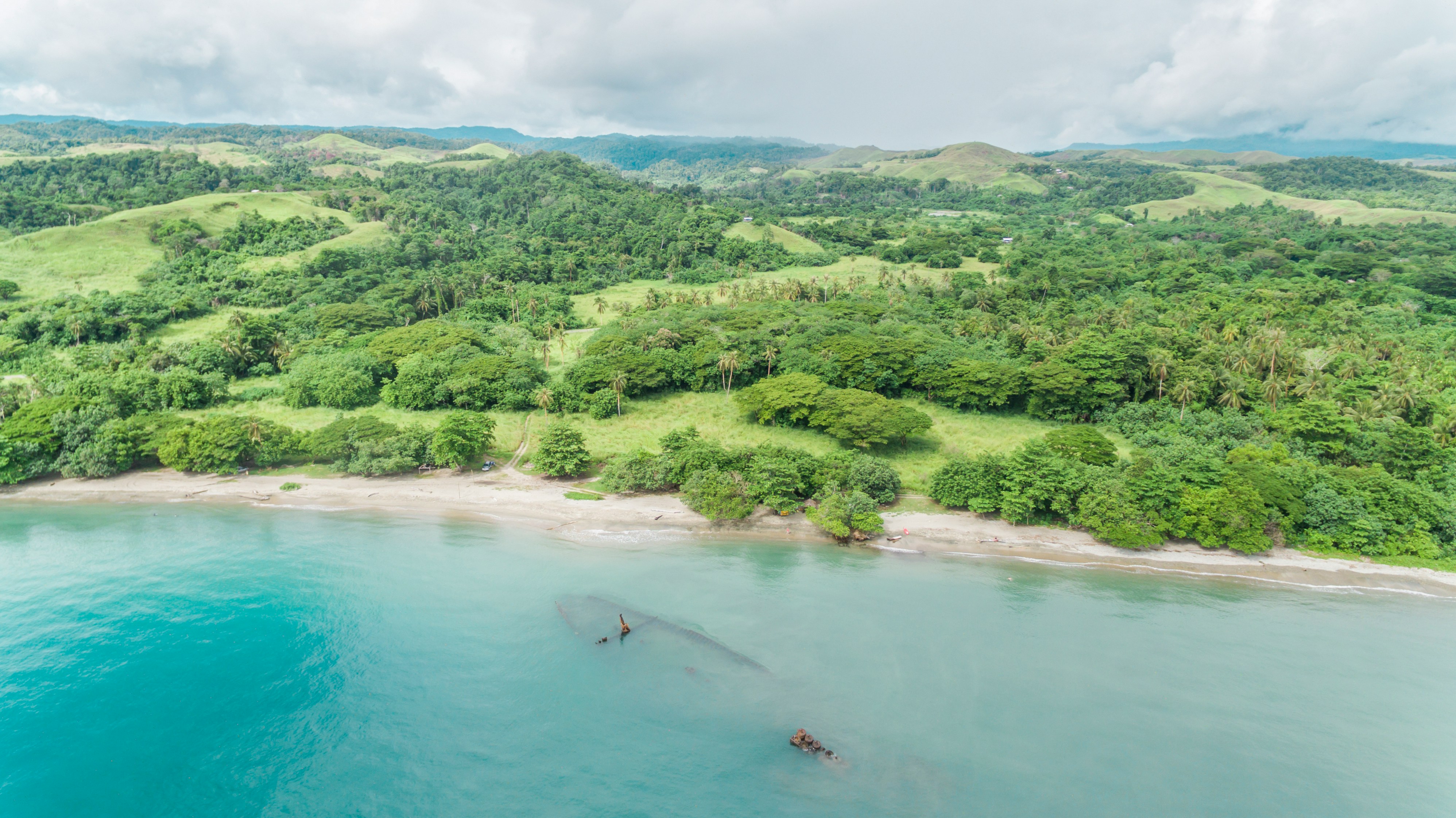
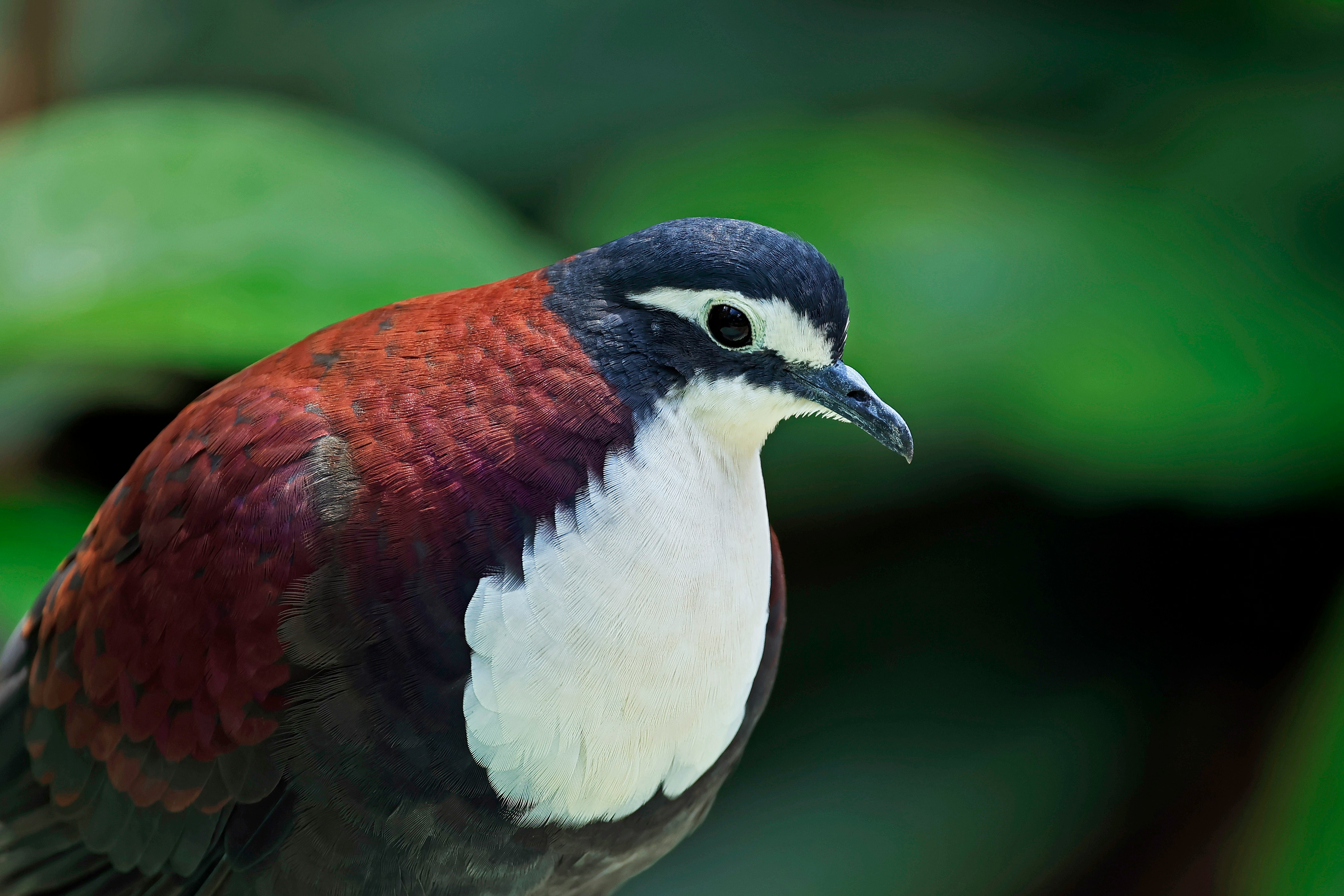
The Solomon Islands is an archipelago of approximately 900 islands in the southwestern Pacific Ocean — a Melanesian nation of 700,000 people with extraordinary cultural and biological diversity. The islands are most internationally known for the Guadalcanal Campaign of 1942–43, one of the decisive turning points of the Pacific War: Iron Bottom Sound (named for the hundreds of ships sunk there) contains one of the greatest concentrations of WWII wrecks in the world. Beyond the history, the Solomons offer pristine coral reefs, the world's largest saltwater lagoon, ancient kastom villages with skull shrines, traditional shark-calling ceremonies, and jungle of breathtaking density.
Capital: Honiara (Guadalcanal)
Population: ~700,000 across approximately 350 inhabited islands
Area: 28,896 km²
Currency: Solomon Islands Dollar (SBD)
Languages: Solomon Islands Pijin and English — both official; over 70 Indigenous Melanesian languages spoken
Independence: 1978 from Britain; member of the Commonwealth
Fascinating Facts
- Iron Bottom Sound: The stretch of water between Guadalcanal and Florida Islands contains the wrecks of approximately 50 Allied and Japanese warships sunk during the Guadalcanal Campaign (1942–43) — giving it the name Iron Bottom Sound. The USS Atlanta, HMAS Canberra, and the Japanese battleship Kirishima are among the vessels resting on the sea floor.
- Shark calling in New Georgia: In the New Georgia island group, traditional shark callers use rattles of coconut shells to attract sharks from the deep — believed to be the embodied spirits of ancestors. The callers enter the water unarmed, and the sharks respond to their ritual presence. The practice has been performed without interruption for generations.
- Skull shrines: In the Lau Lagoon of Malaita, ancient skull shrines — platforms displaying the skulls of ancestors and enemies — are still maintained as sites of spiritual power. They represent a living connection to pre-Christian Melanesian spiritual practice found nowhere else in the Pacific.
- JFK's PT-109: In August 1943, Lieutenant John F. Kennedy's torpedo boat PT-109 was sunk by a Japanese destroyer in Blackett Strait near Gizo. Kennedy swam for hours towing an injured crew member before being rescued by Solomon Islanders — an episode that became central to his political legend.
Nature & Key Destinations
- Iron Bottom Sound wreck diving: The concentration of WWII wrecks around Guadalcanal — the Japanese transport Hirokawa Maru with tanks still in the hold, the USS John Penn, and dozens of aircraft — makes this coastline one of the Pacific's most historically rich and accessible dive destinations.
- Marovo Lagoon: The world's largest saltwater lagoon — a UNESCO candidate double barrier reef enclosing a vast, pristine lagoon in the Western Province, with traditional carving villages, exceptional diving, and the most complex reef ecosystem in the entire Solomons.
- Tetepare Island: The largest uninhabited island in the South Pacific — a pristine jungle reserve managed by the Tetepare Descendants Association, with nesting leatherback turtles, dugongs, and a wilderness that has had no permanent settlement for over 100 years.
- Lau Lagoon, Malaita: Traditional artificial island villages — built on platforms of coral rubble in the lagoon — where Lau people have lived for centuries, fishing and maintaining kastom practices including the skull shrines and ancestral ceremonies that connect them to their deepest past.
Cuisine
- Fresh fish & coconut: Reef fish grilled over coconut husks, coconut crab, clam, and lobster from the Western Province's pristine reefs are the staple proteins of traditional Solomons cooking. Fish cooked in lolo (coconut cream) with taro or sweet potato is the definitive everyday meal.
- Root vegetables & taro: The Solomon Islands' traditional diet is built on root vegetables — taro, yam, sweet potato, and cassava — cooked in earth ovens or boiled. Each island group has its own variations, reflecting the extraordinary cultural diversity of the archipelago.
- Kastom feasting: Traditional kastom food — whole pig roasted for community feasts, shellfish from the lagoon, and the various taro preparations of different island groups — remains the centrepiece of every significant celebration, birth, marriage, and death across the archipelago.
Traditions & Culture
- Kastom & Melanesian diversity: The Solomons' 70+ distinct cultural groups each maintain their own kastom — ceremonies, dances, carving traditions, and spiritual practices varying from island to island. The shell money of Malaita, the warrior traditions of Are'are, and the woodcarving of the Western Province are all expressions of this extraordinary diversity.
- Marovo Lagoon carving: The ebony and rosewood carvings of Marovo Lagoon — intricate sharks, bonito fish, and ancestral figures made by master carvers — are internationally acclaimed as among the finest tribal art objects in the Pacific. Visitors can buy directly from carvers at prices far below what the same works command in galleries abroad.
Climate
- Tropical: Hot and humid year-round (27–32°C). The southeast trade winds May–October bring the drier, slightly cooler season — the best time for diving and trekking. The northwest monsoon November–April brings heavy rain. Cyclone risk exists but the Solomons lie south of the main typhoon track.