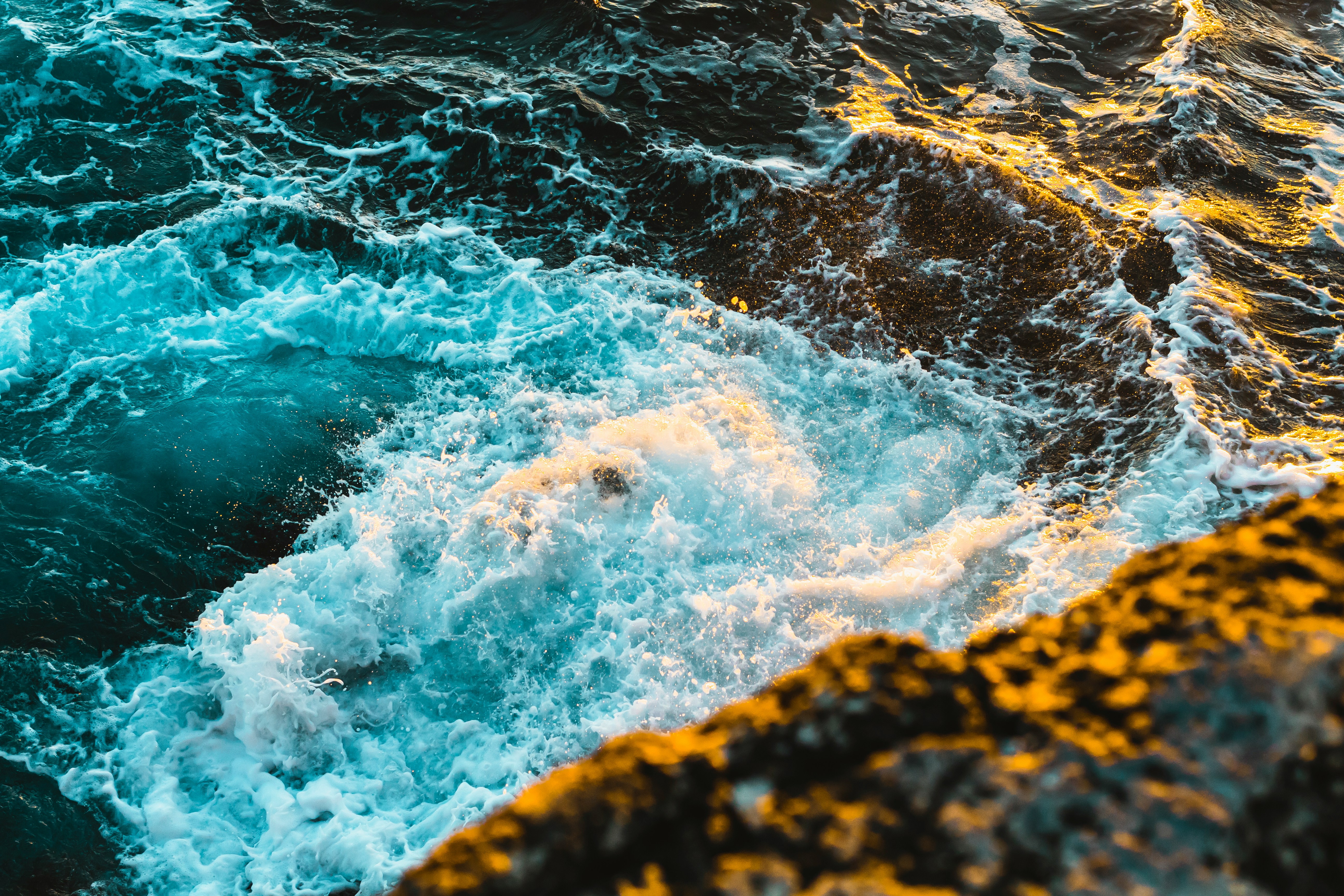
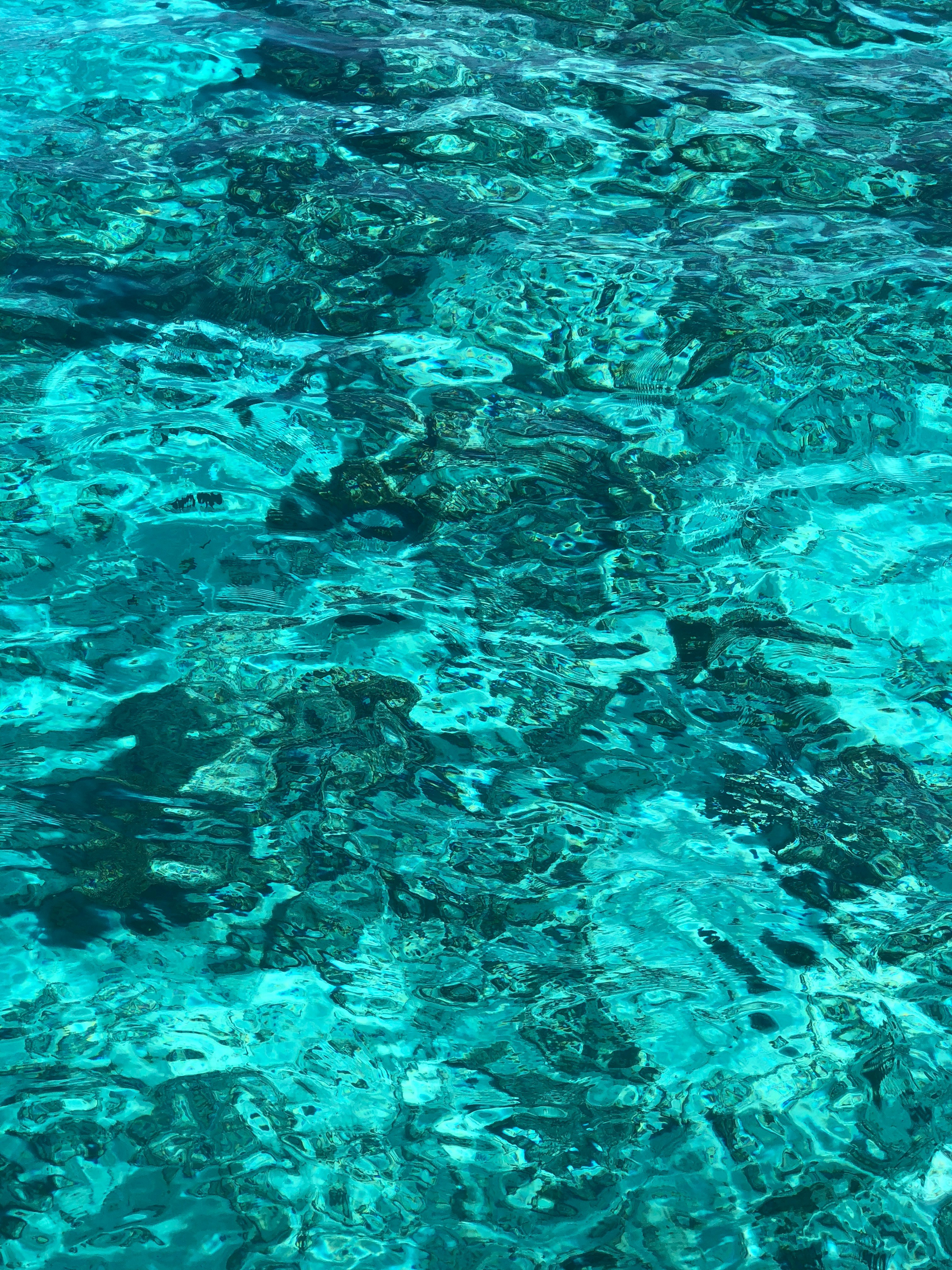
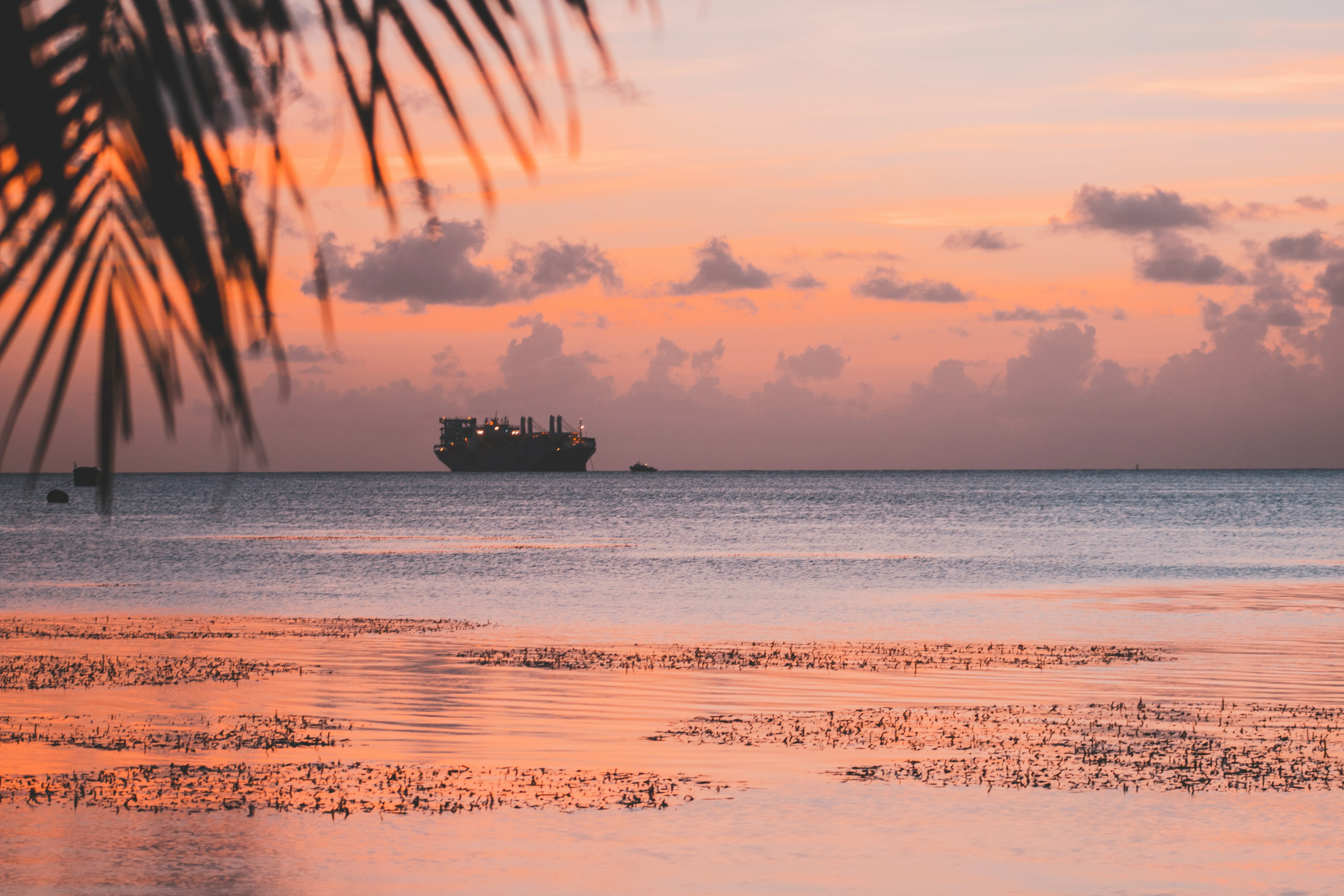
The Commonwealth of the Northern Mariana Islands (CNMI) is a US territory of 14 islands in the western Pacific — the northernmost part of the Mariana archipelago, stretching in a volcanic chain north of Guam. Saipan, Tinian, and Rota are the main islands. Tinian hosted the airfields from which the Enola Gay and Bockscar departed to drop atomic bombs on Hiroshima and Nagasaki in August 1945, making it one of the most historically significant small islands in the world. Today the CNMI offers excellent diving, pristine beaches, and the living CHamoru and Carolinian cultures of its 50,000 inhabitants.
Capital: Saipan
Population: ~50,000
Area: 464 km²
Currency: US Dollar (USD)
Languages: English, CHamoru, and Carolinian — all three official
Status: Commonwealth of the United States; residents are US citizens
Fascinating Facts
- The atomic bombs took off from here: On 6 August 1945, the B-29 Enola Gay departed Tinian's North Field to drop the first atomic bomb on Hiroshima; three days later, Bockscar left the same airfield for Nagasaki. The concrete blast pits where the bombs were loaded are preserved exactly as they were — the most historically significant WWII site in the Pacific.
- The Battle of Saipan and Marpi Point: The 1944 Battle of Saipan — a three-week struggle for an island just 2,400 km from Tokyo — ended with thousands of Japanese civilian deaths at Marpi Point, where families jumped from the cliffs rather than surrender. The tragedy deeply shocked Allied commanders and influenced US planning for the invasion of Japan.
- Rota — the untouched island: Rota, the southernmost CNMI island, is one of the most pristine and least visited islands in Micronesia — ancient latte stone quarries, the Tonga Cave, the Sasanhaya Bay marine reserve with its resident hawksbill turtles, and an almost complete absence of tourism.
- The Grotto — Micronesia's finest dive site: The Grotto on Saipan's northern coast is a sea cave with four underwater tunnels opening to the open ocean — a dramatic cathedral of limestone and turquoise water consistently rated among Micronesia's top dive sites, accessible by a long staircase from the clifftop.
Nature & Key Destinations
- Tinian WWII sites: The North Field atomic bomb loading pits, preserved in a quiet field of limestone scrub — the place where the atomic age reached its most terrible chapter. The Japanese headquarters cave and the civilian settlement ruins complete a site of profound historical significance.
- Saipan diving & Managaha: The Grotto sea cave, WWII wrecks in the lagoon (the Shoun Maru and sunken Zero fighters), and Managaha — a pristine protected island in Saipan's lagoon with excellent snorkelling and nesting sea turtles, accessible by short boat ride.
- Rota: An island of exceptional beauty and almost no visitors — the Taga Latte Stone Quarry with ancient CHamoru pillars still in the ground, the Sasanhaya Bay pristine reef, and the spectacular Bird Sanctuary plateau above the village.
- Suicide Cliff & Banzai Cliff: The solemn cliffs at Saipan's northern tip from which thousands of Japanese soldiers and civilians leapt to their deaths in July 1944 — now a peaceful memorial site with Japanese peace monuments and panoramic views over the Philippine Sea.
Cuisine
- Kelaguen & red rice: The CHamoru tradition shared with Guam — kelaguen (grilled chicken or seafood mixed with fresh lemon, coconut, and hot pepper) and red rice (achote-coloured rice) are the foundation of every CNMI fiesta. The communal feast for patron saint days is the central social institution of island life.
- Carolinian influences: The Carolinian community adds its own food traditions from the outer Pacific atolls — pounded taro, preserved breadfruit, and the fishing techniques of open-ocean navigation. The fusion of CHamoru and Carolinian culinary traditions is found only in the CNMI.
- Fresh seafood: Mahi-mahi, wahoo, tuna, and the deep-water hairy crab are the prized catches of CNMI waters. Japanese culinary influence — from the significant Japanese diaspora community — adds sashimi and tempura to an island food scene of genuine variety.
Traditions & Culture
- CHamoru and Carolinian heritage: The CNMI's cultural identity is shaped by the ancient CHamoru people and the Carolinian immigrants who arrived in the 19th century. Both communities maintain distinct languages, dances, and weaving traditions alongside their shared American citizenship — a bicultural identity unique in the US territories.
- Liberation Day & Covenant Day: Liberation Day (15 July) commemorates the end of Japanese occupation in 1944. Covenant Day (4 March) celebrates the 1976 political union with the United States. Both are marked with cultural performances, parades, and the communal feasting that defines public life across the islands.
Climate
- Tropical marine: Warm year-round (27–31°C), moderated by trade winds. The dry season January–June is best for diving and beach visits. The wet season July–November brings typhoon risk — the CNMI is in the western Pacific typhoon belt and has been severely struck by storms in recent decades.