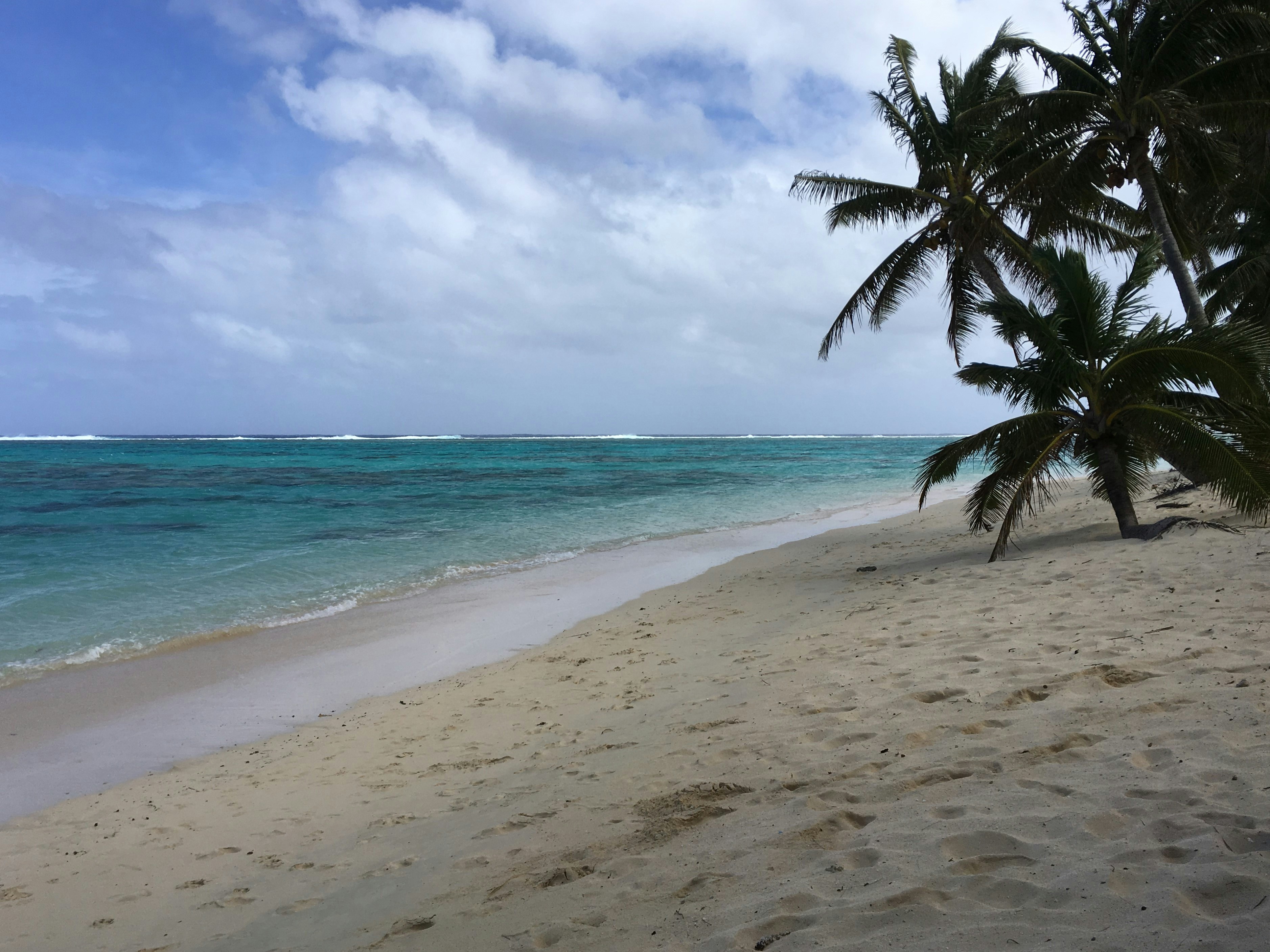
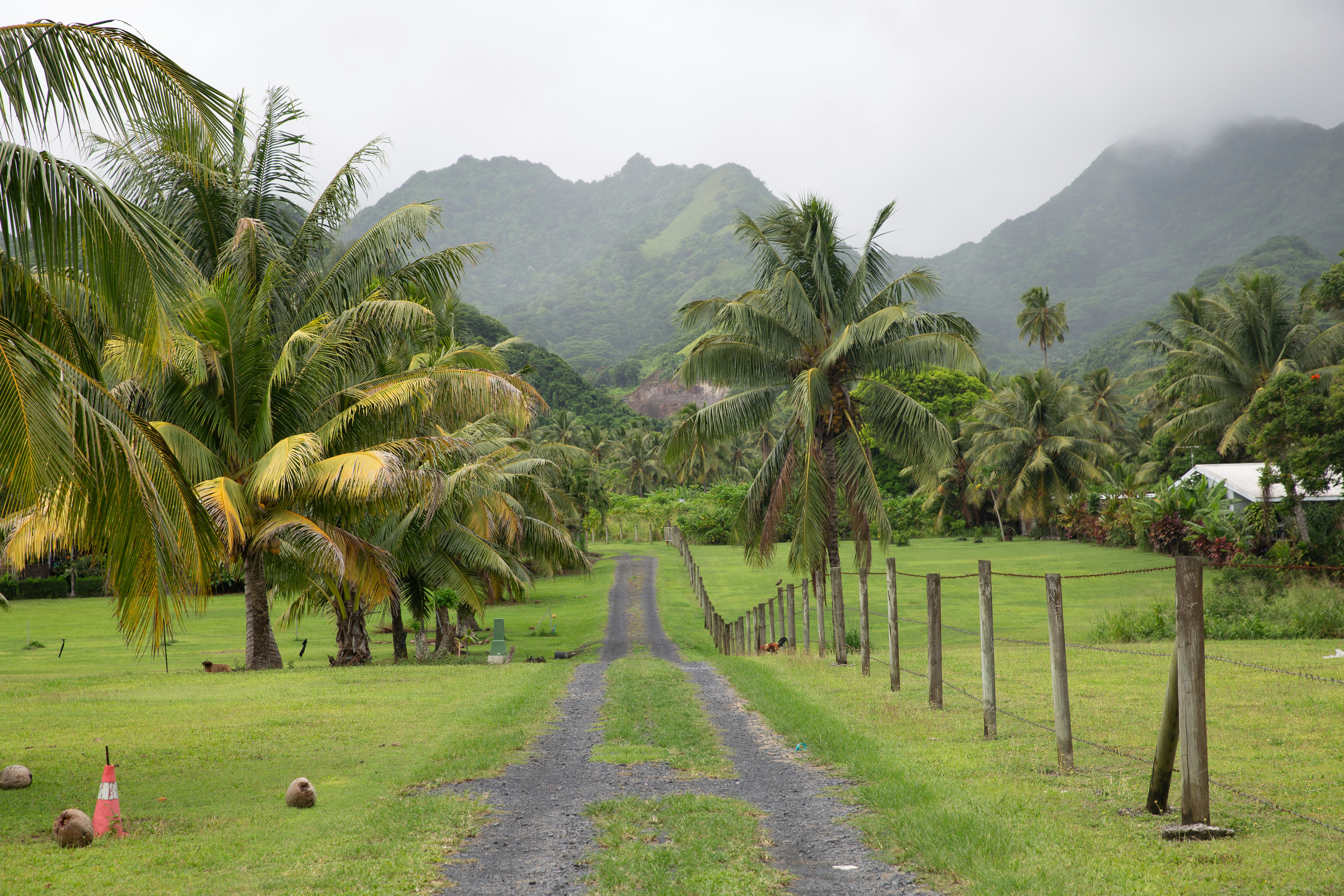
The Cook Islands are a self-governing state in free association with New Zealand — 15 islands scattered across 2.2 million km² of the South Pacific, divided between the mountainous, densely vegetated Southern Group (including Rarotonga) and the flat, remote atolls of the Northern Group. Named after Captain James Cook (who visited in 1773 and 1777 but never landed), the islands are home to approximately 17,000 people, with another 80,000 Cook Islanders living in New Zealand and Australia. The Cook Islands produce the finest black pearls in the Pacific (from Manihiki Atoll), maintain one of the Pacific's most vibrant cultural traditions, and possess in Aitutaki a lagoon that consistently ranks among the most beautiful on Earth.
Capital: Avarua (Rarotonga)
Population: ~17,000 on the islands; ~80,000 Cook Islanders in New Zealand and Australia
Area: 236 km² of land across 2.2 million km² of ocean
Currency: New Zealand Dollar (NZD); Cook Islands Dollar also issued (at parity)
Language: Cook Islands Māori (Rarotongan) and English — both official
Status: Self-governing state in free association with New Zealand; Cook Islanders are New Zealand citizens
Fascinating Facts
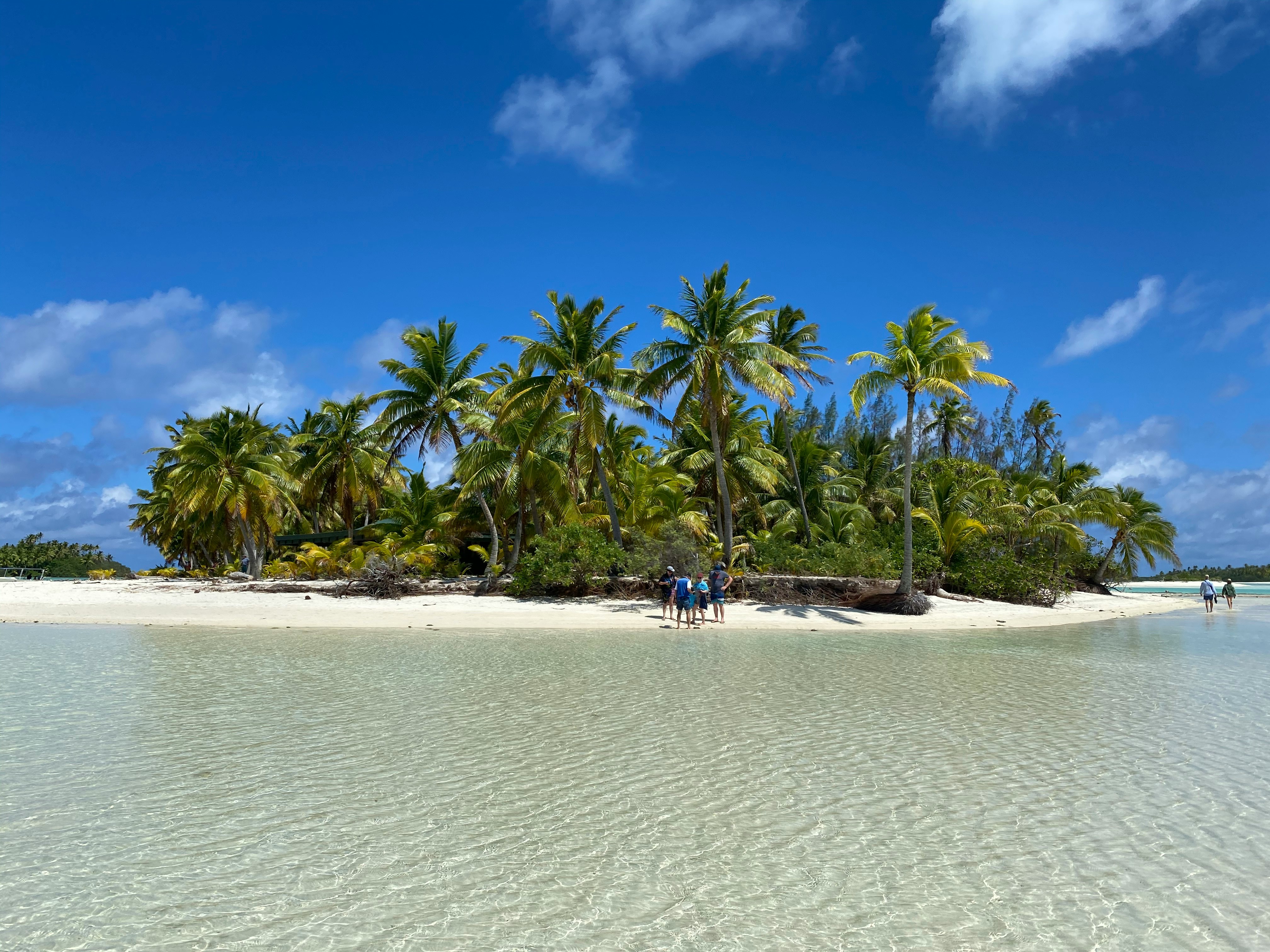
- Aitutaki — among the world's most beautiful lagoons: Aitutaki's triangular lagoon — a shallow, sheltered turquoise expanse dotted with white sand motu (islets) and surrounded by a barrier reef — is consistently ranked among the most beautiful in the world. One Foot Island (Tapuaetai) at its southern edge, reached by boat tour, is the definitive Cook Islands image.
- The black pearl capital: Manihiki Atoll in the Northern Group produces some of the finest black pearls in the world — the deep, lustrous Pinctada margaritifera oysters of Manihiki's lagoon yield pearls whose dark iridescence is unmatched. Cook Islands black pearls are among the most sought-after in international jewellery markets.
- The first contact with the Cook Islands: The islands were settled by Polynesian navigators approximately 1,000 years ago — the same great seafaring migration that reached New Zealand, Hawaii, and Easter Island. Captain Cook arrived in 1773 but was repelled from landing on several islands, naming them the Hervey Islands; they were renamed after him posthumously.
- A nation of navigators: The Cook Islands sit at the heart of the ancient Polynesian navigational triangle — their ancestors navigated thousands of kilometres of open ocean using stars, wave patterns, and wind. The revival of traditional vaka (outrigger canoe) navigation has been a powerful expression of Cook Islands cultural pride.
Nature & Key Destinations
- Aitutaki Lagoon: The jewel of the Cook Islands — a day cruise around the lagoon's motu, snorkelling over coral gardens with giant clams and reef sharks, and lunch on the white sand of One Foot Island. Consistently ranked one of the most beautiful places in the South Pacific.
- Rarotonga: The main island — the Cross-Island Trek through volcanic jungle to the needle-peak of Te Rua Manga, the Muri lagoon with its four offshore motu, the CICC church (built in 1853) and Avarua's colourful market. The cultural and administrative heart of the islands.
- Atiu, Mangaia & the outer islands: The outer Southern Group islands offer the most authentic Cook Islands experience — Atiu's makatea (raised coral) limestone caves and birdlife (the rare Atiu swiftlet nests only in its caves), Mangaia's ancient marae ceremonial platforms, and a pace of life unchanged for generations.
- Manihiki Atoll: The remote northern atoll of the black pearl — a circular lagoon of extraordinary beauty accessible only by Air Rarotonga's infrequent flights, where pearl farmers dive to tend their oysters in water of astonishing clarity.
Cuisine
- Umu & ika mata: The umu (earth oven) feast — uru (breadfruit), taro, pork, and fresh fish cooked over hot stones — is the centrepiece of every Cook Islands celebration. Ika mata (raw fish marinated in fresh lime and coconut cream with tomato and cucumber) is the essential Cook Islands appetiser, made daily with whatever the fishermen bring in.
- Rukau & fresh seafood: Rukau — young taro leaves cooked slowly in rich coconut cream — is the most beloved traditional Cook Islands side dish. Freshwater eels from Rarotonga's streams, grilled over coconut husks, are a local delicacy. The lagoon and deep ocean around the islands provide mahi-mahi, wahoo, tuna, and lobster of exceptional quality.
- Bush beer & tumunu: The tumunu — a traditional orange-beer brewed from fermented orange juice and hops in a coconut shell — is consumed at bush beer clubs across Rarotonga, gatherings of men (and increasingly women) that function as informal community parliaments. The tumunu tradition is unique to the Cook Islands.
Traditions & Culture
- Dance — the ura: The Cook Islands ura (dance) is one of the most technically demanding and visually spectacular in Polynesia — the Dancer of the Year competition at the annual Constitution Celebrations (August) showcases the island's finest performers in elaborate costumes of tivaevae (patchwork) and feathers, with intricate hip movements of extraordinary precision.
- Tivaevae & tattoo: Tivaevae — hand-sewn appliqué patchwork quilts of vivid floral designs, made by women working communally — are the most treasured material expressions of Cook Islands culture, given as gifts at births, marriages, and deaths. The revival of traditional Cook Islands tatau (tattoo), with geometric designs encoding genealogy and identity, is a parallel expression of cultural pride.
Climate
- Tropical South Pacific: Rarotonga is warm year-round (23–28°C). The dry season April–November is the best for travel — trade winds, lower humidity, and reliable sunshine. The wet season December–March brings higher rainfall and cyclone risk. The northern atolls are hotter and drier. Aitutaki is at its most beautiful in the dry season when the lagoon is calmest.