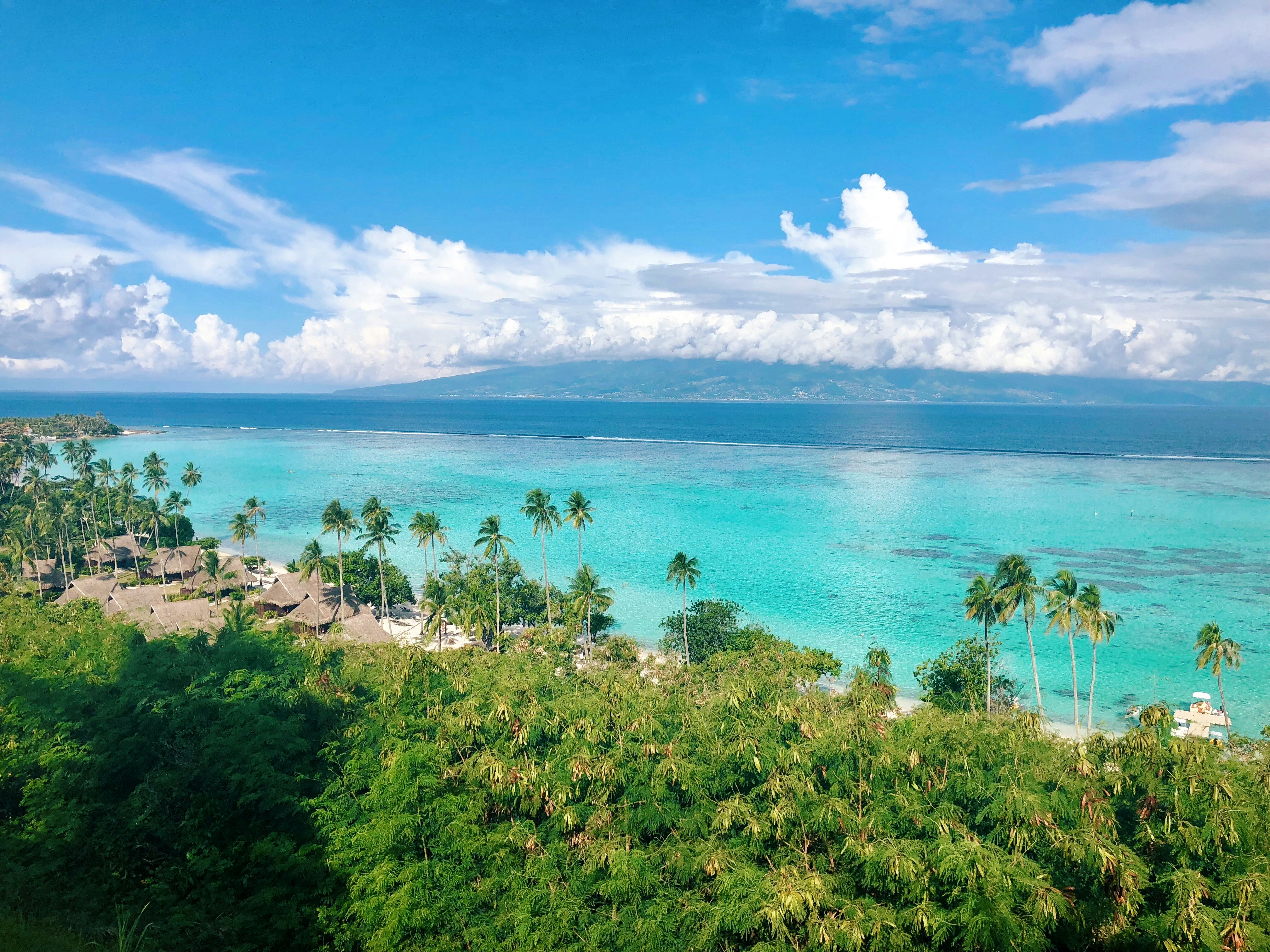
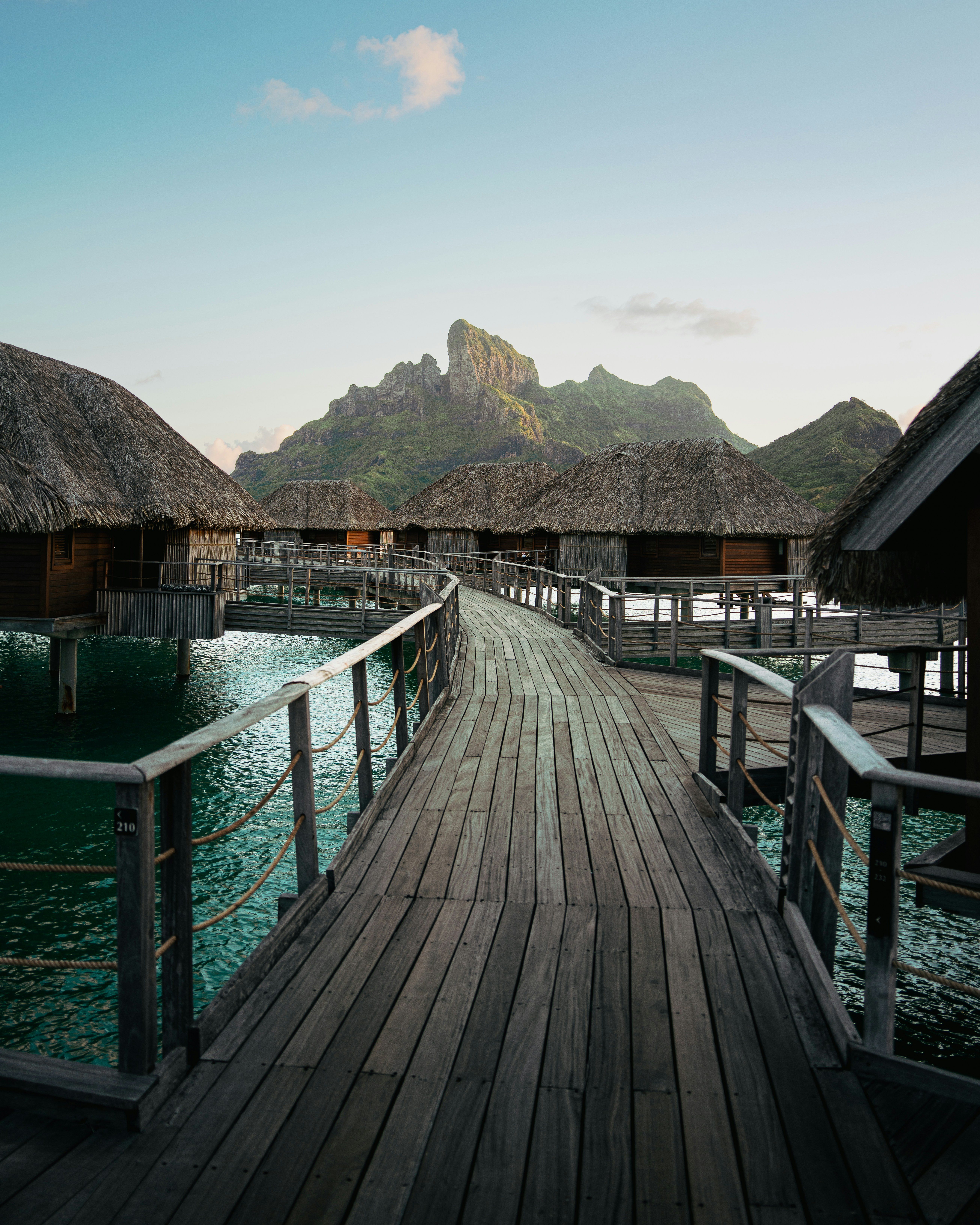
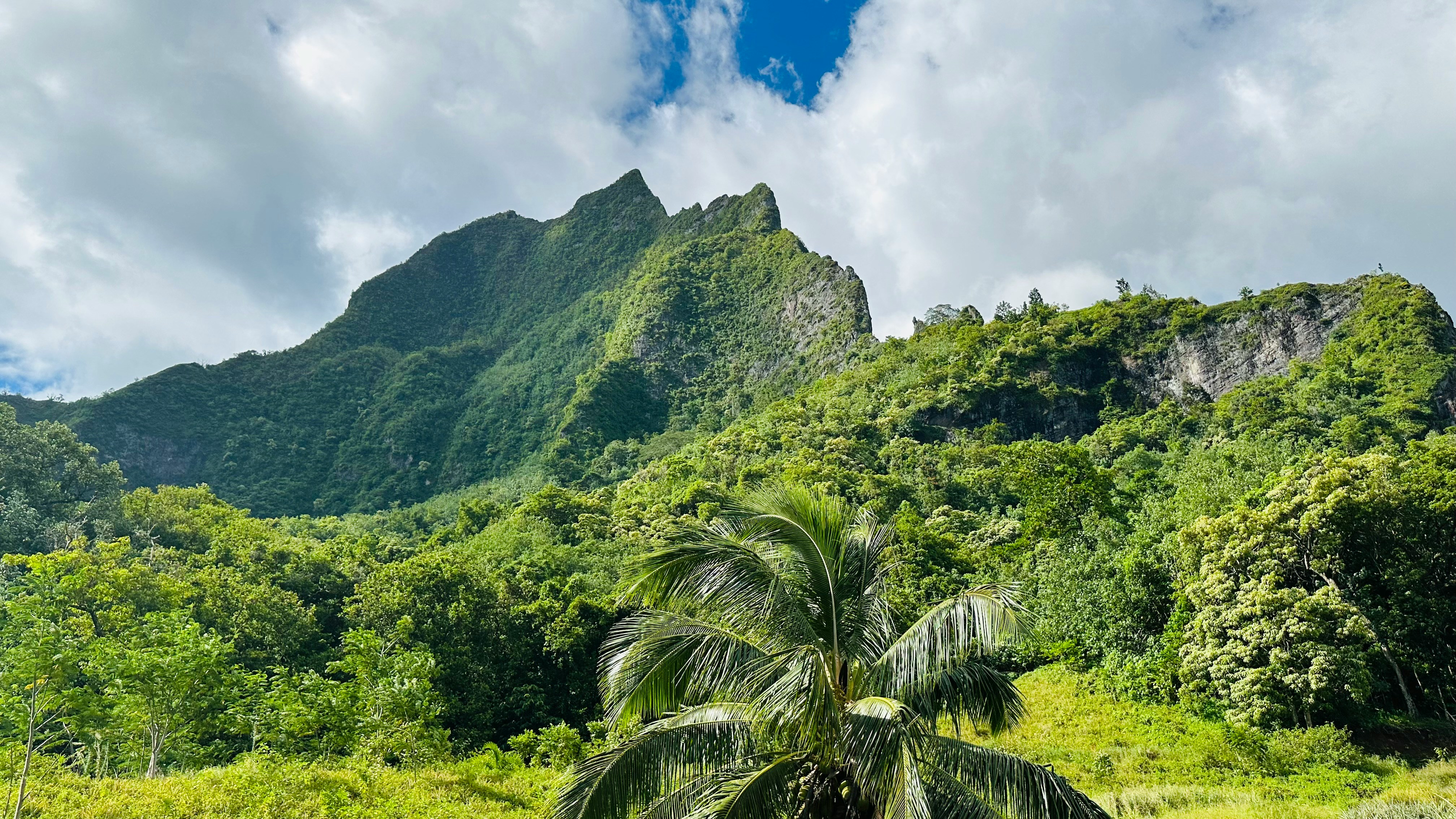
French Polynesia is an overseas collectivity of France in the central South Pacific — 118 islands and atolls spread across an ocean area roughly the size of Europe, grouped into five archipelagos: the Society Islands (Tahiti, Moorea, Bora Bora), the Tuamotu Archipelago (the world's largest chain of atolls), the Gambier Islands, the Austral Islands, and the remote Marquesas. Home to 280,000 people, it is the place that gave the world the overwater bungalow, inspired Paul Gauguin and Herman Melville, and shaped the Western imagination of the South Seas more than any other destination on Earth. Its living Polynesian culture — from the elaborate tattooing of the Marquesas to the himene choral tradition — matches its legendary natural beauty.
Capital: Papeete (Tahiti, Society Islands)
Population: ~280,000
Area: 3,521 km² of land across 4.5 million km² of ocean
Currency: CFP Franc (XPF) — linked to the Euro
Languages: French (official); Tahitian and other Polynesian languages widely spoken
Status: Overseas collectivity of France with significant internal autonomy; part of the French Republic
Fascinating Facts
- The overwater bungalow was invented here: The overwater bungalow — the defining image of luxury Pacific travel worldwide — was invented in Bora Bora in 1967 by three American expats who built the first bungalows directly over the lagoon at the Hotel Bora Bora. What began as a practical experiment became the most imitated resort concept in the history of tourism.
- Paul Gauguin's obsession: The Post-Impressionist painter Paul Gauguin moved to Tahiti in 1891 in search of a civilisation untouched by Europe. His paintings of Tahitian women, landscapes, and spiritual life transformed Western art and created the enduring myth of the South Seas as a paradise of colour, freedom, and beauty.
- The Marquesas — 1,500 km from the nearest major island: The Marquesas Islands — volcanic, dramatic, culturally intense — are among the most remote inhabited islands on Earth, 1,500 km northeast of Tahiti. They are believed to be the origin point of the Polynesian migrations that reached Hawaii, Easter Island, and New Zealand; their stone tikis and tiki platforms (me'ae) are among the most powerful pre-European monuments in the Pacific.
- The world's largest atoll chain: The Tuamotu Archipelago consists of 78 atolls — the world's largest atoll chain. Rangiroa, the second largest atoll on Earth, has a lagoon so vast that the island of Tahiti could fit inside it. The pass diving at Rangiroa and Fakarava (a UNESCO Biosphere Reserve) is among the finest in the world.
Nature & Key Destinations
- Bora Bora: The most famous island in the South Pacific — a dramatic volcanic peak (Mount Otemanu, 727 m) rising from an impossibly turquoise lagoon, ringed by a barrier reef and a necklace of white motu (sand islets). The overwater bungalows, snorkelling with manta rays, and shark feeding in the lagoon define the experience.
- Moorea: Tahiti's breathtaking neighbour — 35 minutes by fast ferry — with twin bays of Cook's Bay and Opunohu Bay cutting deep into jungle-covered volcanic peaks, whale watching (humpbacks July–November), and arguably the most dramatic island scenery in all of French Polynesia.
- Tuamotu Atolls — Rangiroa & Fakarava: Rangiroa's Blue Lagoon and pass diving through the Tiputa Pass (with hundreds of grey sharks, dolphins, and Napoleon wrasse in the current) and Fakarava's UNESCO-protected south pass (a wall of grey sharks hovering in the outgoing tide) are the finest atoll diving experiences on Earth.
- The Marquesas — Nuku Hiva & Hiva Oa: Raw, dramatic volcanic islands of waterfalls, ancient stone platforms, and giant tikis — Herman Melville jumped ship here in 1842 (the basis for Typee); Paul Gauguin is buried in Hiva Oa. The Marquesas Festival of Arts, held every four years, is the most extraordinary cultural gathering in the Pacific.
Cuisine
- Poisson cru — the national dish: Poisson cru (ia ota in Tahitian) — raw tuna cut into cubes, marinated in fresh lime juice, and then bathed in rich coconut milk with tomato, cucumber, and spring onion — is the most beloved dish in French Polynesia. Simple, fresh, and perfectly balanced, it is eaten daily across all five archipelagos.
- French-Polynesian fusion: Papeete's restaurants combine French culinary tradition with Pacific ingredients — vanilla from Tahaa (one of the world's finest vanillas, grown in the shadow of Bora Bora's peaks), black pearl oysters from the Tuamotus, fresh lagoon prawns, and locally caught tuna prepared with French technique and Polynesian flavour.
- Tahitian vanilla & tropical produce: Tahitian vanilla — a thick-podded, intensely floral variety unique to French Polynesia — is among the world's most prized. Tropical fruits (mangoes, papayas, rambutan, and star fruit), the noni (a traditional medicinal fruit), and breadfruit baked in a hima'a (earth oven) complete the extraordinary local larder.
Traditions & Culture
- Heiva i Tahiti — the great festival: Every July, the month-long Heiva i Tahiti festival in Papeete brings together the finest dancers, singers, outrigger canoe racers, and stone-lifters from across French Polynesia. The ori tahiti (Tahitian dance) — with its rapid, precise hip movements — is one of the most technically demanding and visually stunning dances in the entire Pacific.
- Tattoo & tapa — living art: The Marquesan tattoo tradition — intricate geometric designs covering the entire body, encoding genealogy, spiritual protection, and social rank — is one of the oldest and most sophisticated tattoo cultures in the world, and the direct ancestor of all Polynesian tattooing. Tapa cloth made from beaten bark, decorated with black geometric patterns, is the other great visual art form of the archipelago.
Climate
- Tropical, two seasons: The Society Islands (Tahiti, Bora Bora, Moorea) are warm year-round (24–30°C) — wet season November–April, dry season May–October (the best for travel). The Tuamotus are drier and sunnier. The Marquesas receive more rain and have a more dramatic, verdant character year-round. Cyclone risk exists but rarely affects the Marquesas.