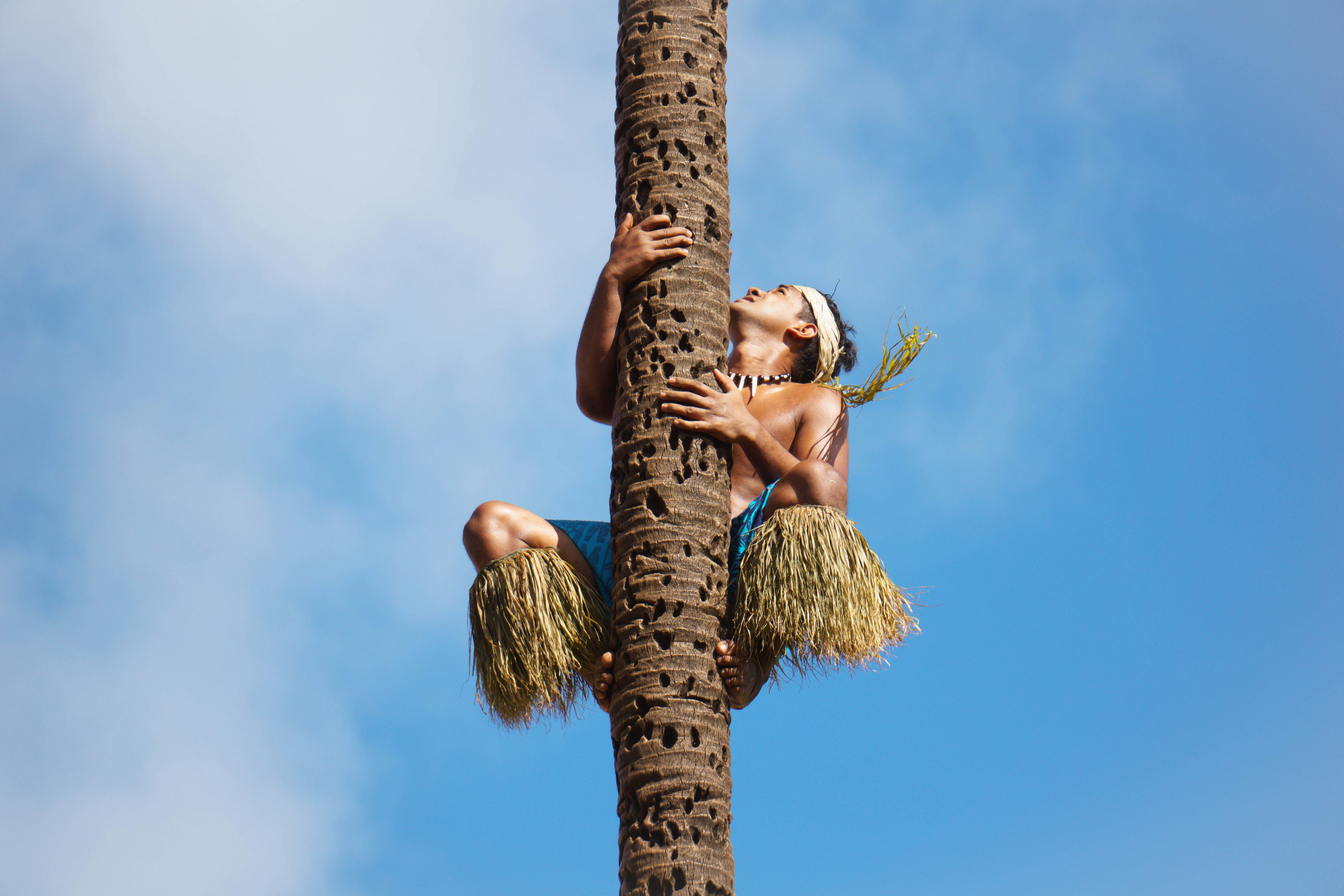
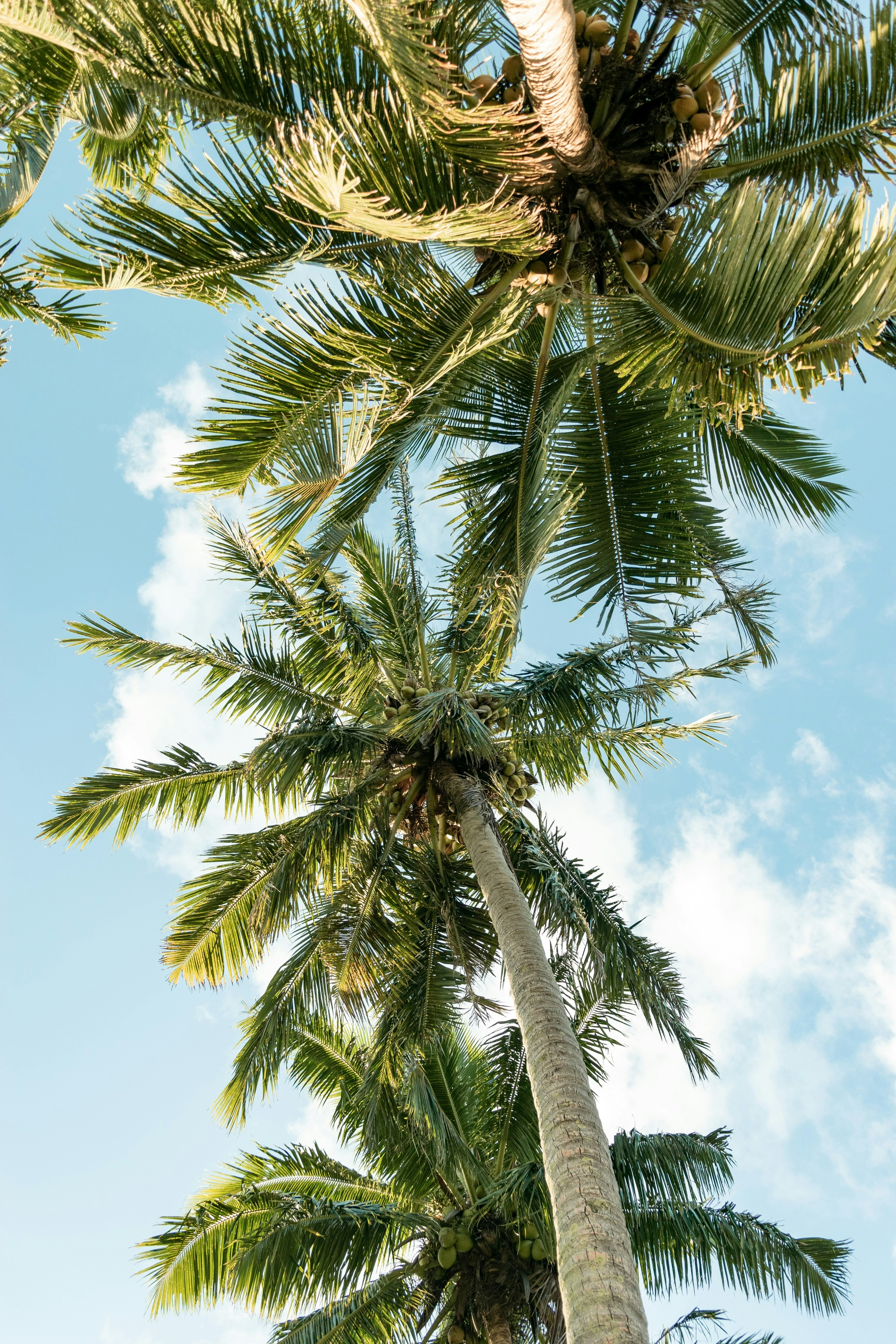
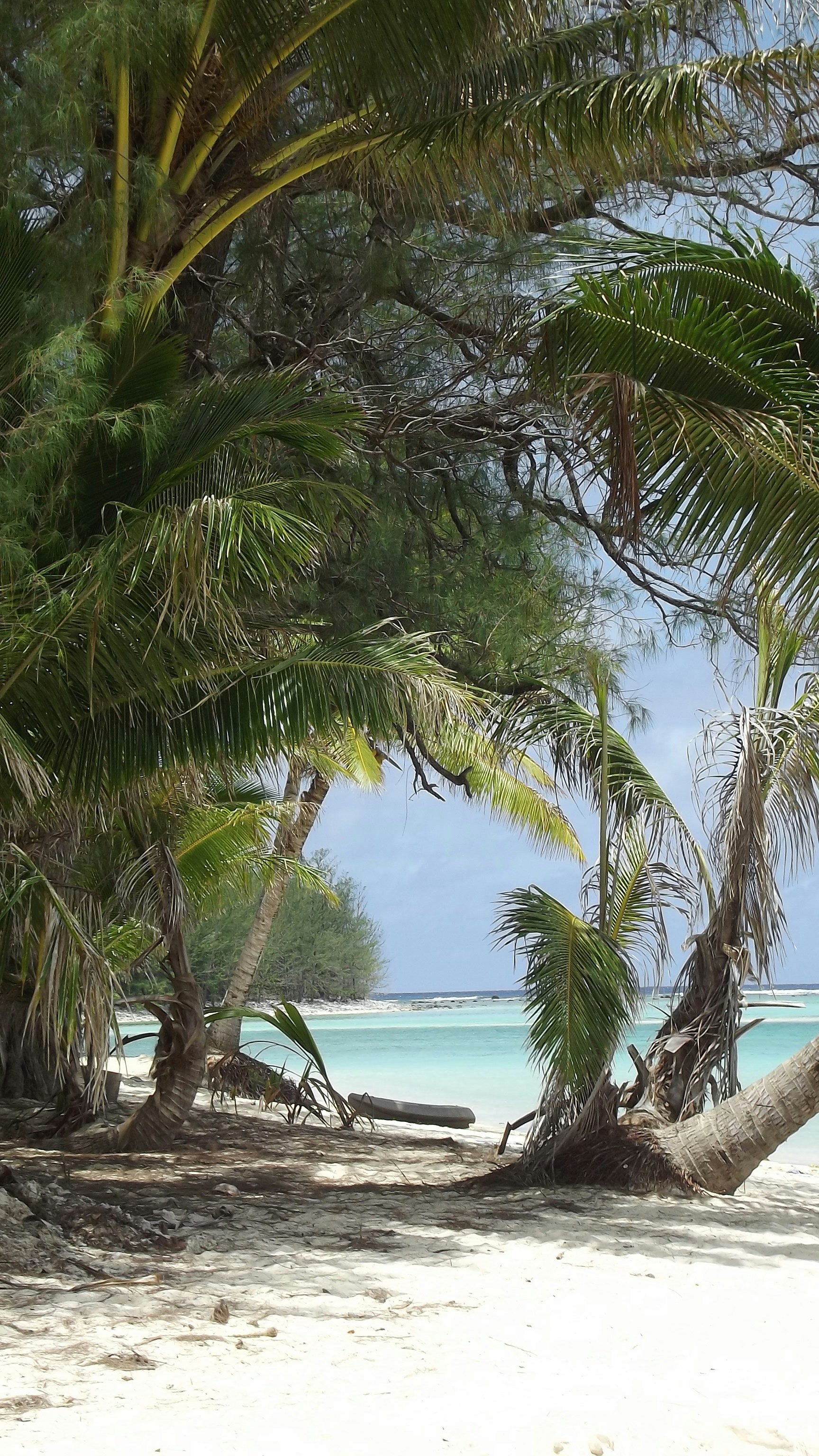
Samoa (formerly Western Samoa) is an independent nation of two main islands — Upolu and Savai'i — in the central South Pacific, 65 km west of American Samoa. It is widely regarded as the cultural heartland of Polynesia — the society that most purely embodies the fa'asamoa (the Samoan way), with its communal village structure governed by matai chiefs, its open-sided fale architecture, and its deep Christian faith expressed in four-part harmonies drifting from every village church on Sunday morning. The islands are strikingly beautiful — volcanic peaks, tropical rainforest, waterfalls, and one of the Pacific's most extraordinary natural features: To Sua Ocean Trench.
Capital: Apia (Upolu)
Population: ~220,000 (another ~180,000 Samoans living abroad)
Area: 2,842 km²
Currency: Samoan Tālā (WST)
Languages: Samoan and English — both official
Independence: 1962 — the first Pacific Island nation to achieve independence in the 20th century
Fascinating Facts
- Samoa skipped a day in 2011: On 29 December 2011, Samoa crossed to the western side of the International Date Line — skipping Thursday 29 December entirely — to align its working week with Australia and New Zealand, its major trading partners. It was the most dramatic time zone change in modern history.
- Robert Louis Stevenson died here: The author of Treasure Island spent the last four years of his life on Upolu (1890–1894), building his estate Vailima and becoming deeply beloved by the Samoan people. He died of a cerebral haemorrhage in 1894 and is buried on the summit of Mount Vaea, his tomb inscribed with his own poem 'Requiem'.
- To Sua Ocean Trench: To Sua ('the big hole') is a volcanic sea trench on Upolu's south coast — a 30 m deep pit of brilliant turquoise seawater connected to the ocean by an underwater lava tube, accessible by a long wooden ladder. One of the most extraordinary natural swimming holes in the entire Pacific.
- The birthplace of the Polynesian migration: Samoa is widely considered the staging post from which the great Polynesian migration of 1,000–800 years ago set out — the ocean voyages that reached New Zealand, Hawaii, Easter Island, and the Cook Islands from a Samoan base, using stars, waves, and birds for navigation across vast open ocean.
Nature & Key Destinations
- To Sua Ocean Trench: Upolu's most extraordinary natural feature — a deep volcanic pit of turquoise ocean water on the rugged south coast, entered by a long wooden ladder, surrounded by lush tropical garden. Swimming in the trench with filtered light from above is a genuinely unique experience.
- Savai'i Island: The larger, wilder, less visited island — the Saleaula lava fields (where a 1905 eruption entombed a village and church still visible under hardened lava), the Afu Aau waterfall, and beaches of complete and undisturbed tranquillity.
- Vailima & Mount Vaea: The beautifully restored colonial estate of Robert Louis Stevenson above Apia — his study, library, and personal effects preserved — and the forest trail to his grave on the summit of Mount Vaea, with its sweeping views over Upolu and the sea.
- Palolo Deep Marine Reserve: A coral-filled underwater canyon accessible by snorkelling directly from Apia's waterfront, with excellent reef fish. The annual palolo worm rising (October–November) — when the edible worms emerge at dawn in vast numbers — draws Samoans to harvest them in a tradition centuries old.
Cuisine
- Umu & palusami: The Sunday umu — an earth oven feast of taro, breadfruit, fish, chicken, and pork wrapped in banana leaves and slow-cooked on hot stones — is the most important social ritual of the Samoan week. Palusami (young taro leaves baked in coconut cream) is Samoa's most beloved dish.
- Oka & fresh seafood: Oka (raw fish cured in coconut cream and lime) is the Samoan ceviche — made daily with the freshest tuna or reef fish. Coconut crab, lobster, and giant clam from the outer reef complete the extraordinary Samoan seafood larder.
- Koko Samoa: Thick drinking chocolate made from roasted and ground Samoan cacao, drunk hot at breakfast with coconut cream — a tradition of great distinctiveness and depth of flavour, deeply embedded in the Samoan morning ritual.
Traditions & Culture
- Fa'asamoa & the matai system: The fa'asamoa (Samoan way) — communal land ownership, the matai chiefly system, village fono councils, and the elaborate ceremonial gift exchange system (fa'alavelave) — remains the living framework of Samoan society. It is not a museum piece but an active, daily reality.
- White Sunday & Samoan Christianity: The second Sunday of October is White Sunday — the most important day in the Samoan calendar, when children perform at church in white dress and families gather for the largest feast of the year. The sound of Samoan church choirs — four-part harmonies of extraordinary power — is the most beautiful sound in the Pacific.
Climate
- Tropical: Hot and humid year-round (26–30°C). The dry season May–October is the best for travel. The wet season November–April brings heavy rain and cyclone risk. The south coasts receive more rain than the north. Trade winds moderate the heat year-round.