Belize is a small country on the Caribbean coast of Central America — the only nation in the region where English is the official language, a legacy of British Honduras that gained independence in 1981. It is one of the most biodiverse countries on Earth relative to its size, containing tropical rainforest, mangroves, savannas, and the Mesoamerican Barrier Reef — the second largest in the world. Ancient Mayan cities buried in the jungle, a jaguar sanctuary, and one of the world's great dive destinations combine to make Belize one of the hemisphere's most rewarding destinations for nature and adventure tourism.
Capital: Belmopan (largest city: Belize City)
Population: ~440,000
Area: 22,966 km²
Currency: Belize Dollar (BZD) — pegged at 2:1 to the US dollar
Language: English (official); Kriol, Spanish, Garifuna, and Maya languages widely spoken
Independence: 1981 from Britain; member of the Commonwealth
Fascinating Facts
- The Great Blue Hole: A perfectly circular marine sinkhole 300 m wide and 125 m deep off the coast of Belize — one of the world's most famous dive sites. Jacques Cousteau declared it one of the top dive sites in the world in 1972. Inside, giant stalactites hang from the overhang at 40 m depth, formed when the cavern was above sea level during the last Ice Age.
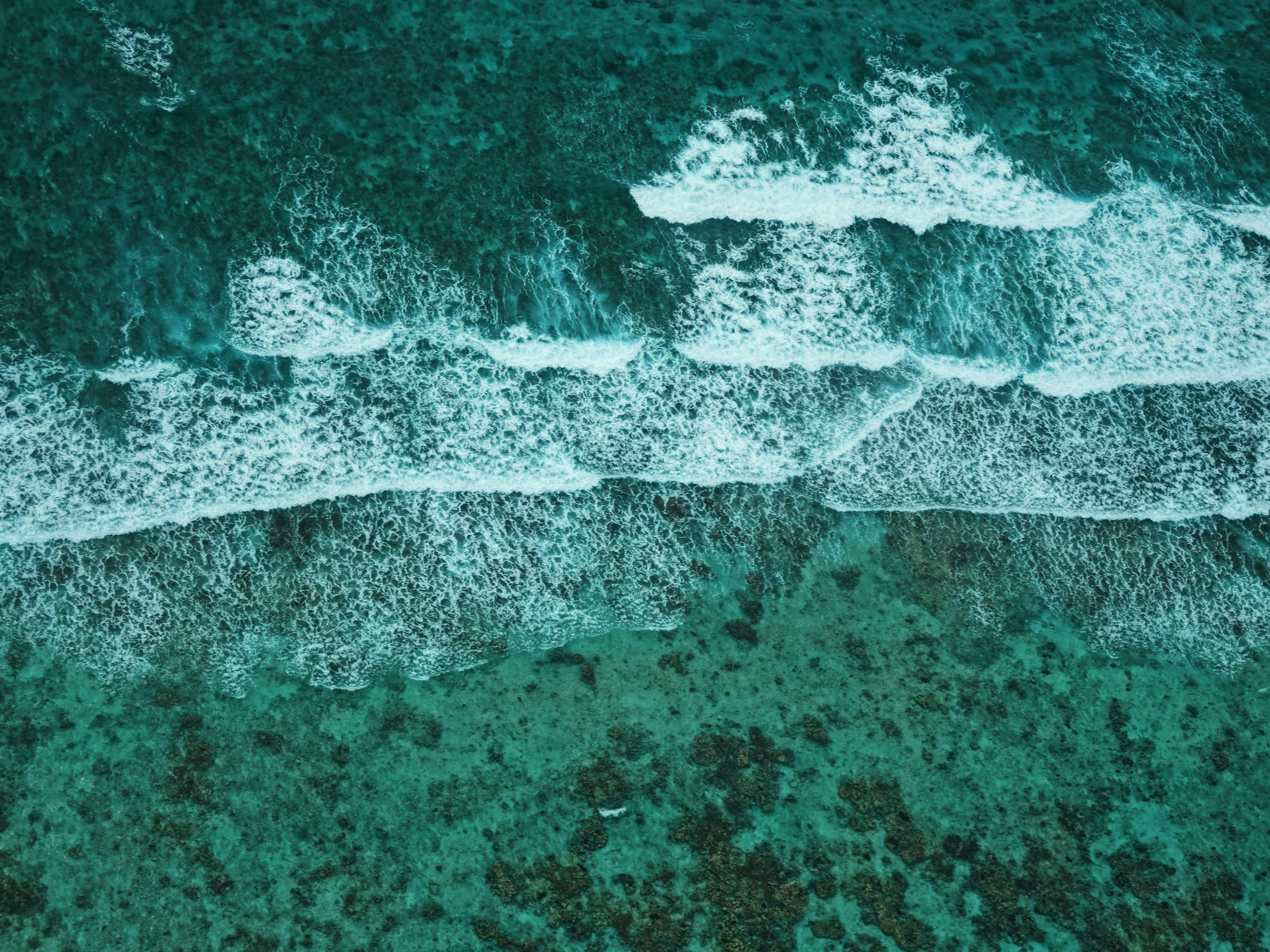
- The second largest barrier reef: The Mesoamerican Barrier Reef stretches 963 km from Mexico's Yucatán to Honduras, with the longest section running along Belize's coast. It is a UNESCO World Heritage Site and one of the most biodiverse marine ecosystems in the Atlantic.
- The jaguar capital of the world: Belize has the highest density of jaguars in the world — the Cockscomb Basin Wildlife Sanctuary was established in 1986 as the world's first jaguar preserve. Belize is the best country in the Americas to see jaguars in the wild.
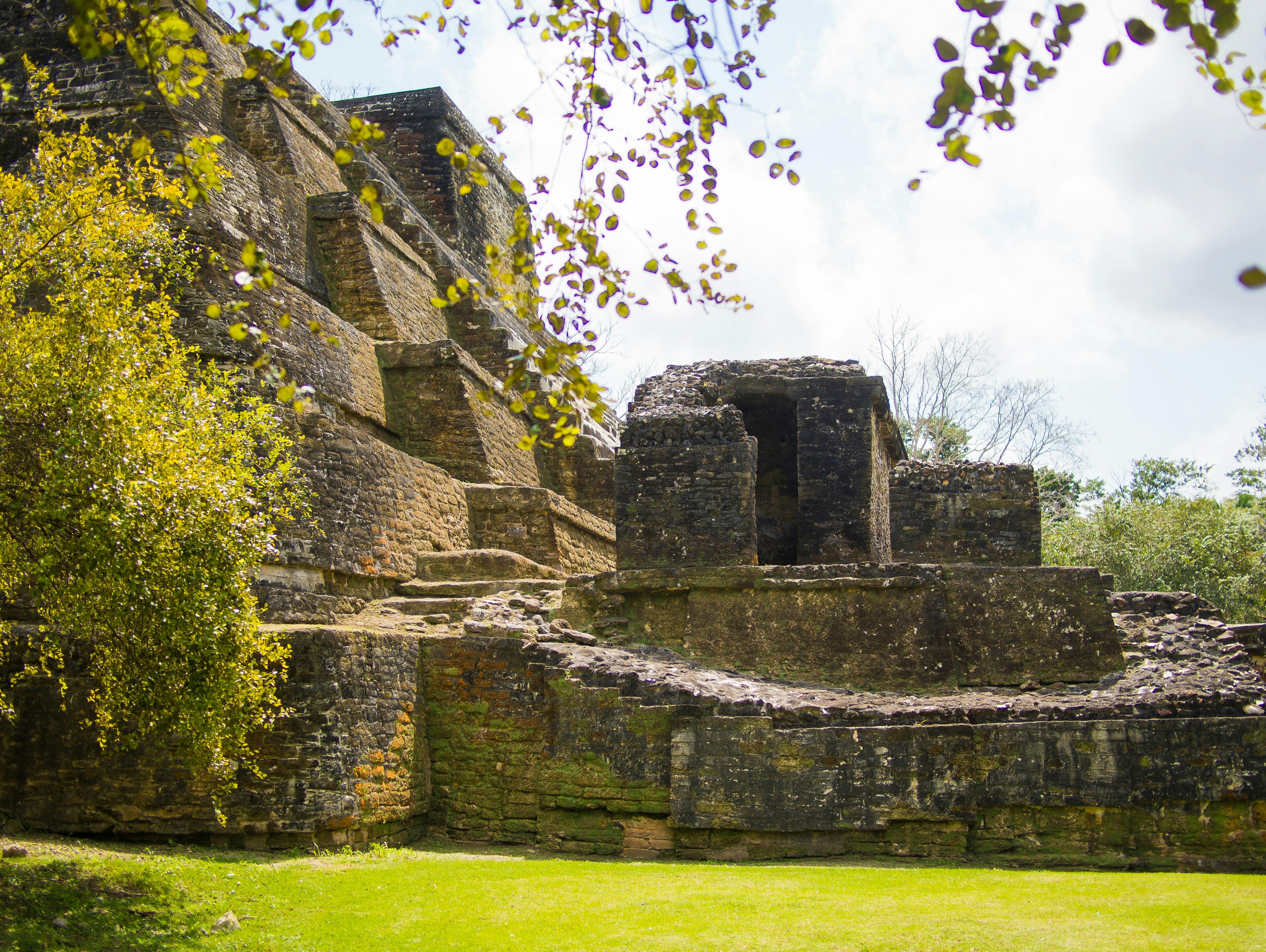
- More Mayan ruins than villages: Belize has over 900 recorded Maya sites — more than the number of modern towns and villages. Many remain unexcavated beneath the jungle, their temples still forming hills indistinguishable from the forest.
Nature & Key Destinations
- The Blue Hole & Lighthouse Reef: The iconic circular sinkhole from Jacques Cousteau's 1972 documentary — flanked by the Lighthouse Reef atoll, with excellent wall diving, nurse sharks, and Caribbean reef sharks on the Half Moon Caye Wall.
- Tikal-equivalent ruins — Caracol & Xunantunich: Caracol is Belize's largest Mayan site — at its peak larger than modern Belize City, with a central pyramid (Caana, 43 m) still the tallest man-made structure in the country. Xunantunich, near the Guatemalan border, is more accessible and nearly as impressive.
- Ambergris Caye: Belize's most visited island — San Pedro town, the reef just 300 m offshore, world-class snorkelling and diving, and the most developed tourist infrastructure in the country. The departure point for Blue Hole day trips.
- Cockscomb Basin & Cayo District: The jaguar sanctuary in the southern jungle; the Cayo District inland with cave tubing through Mayan ceremonial caves, ziplining, and the market town of San Ignacio as a base for Caracol and the Guatemalan border.
Cuisine
- Rice and beans & stew chicken: The Belizean staple — rice and red kidney beans cooked in coconut milk, served with stew chicken (braised in recado, a paste of achiote and spices) and potato salad. Every Belizean grandmother has the definitive version.
- Hudut & Garifuna food: Hudut — a Garifuna dish of fish in a rich coconut milk broth served with mashed plantain (fufu) — is one of the most distinctive and delicious dishes in Central America. The Garifuna people of southern Belize maintain a food culture unlike anything else in the region.
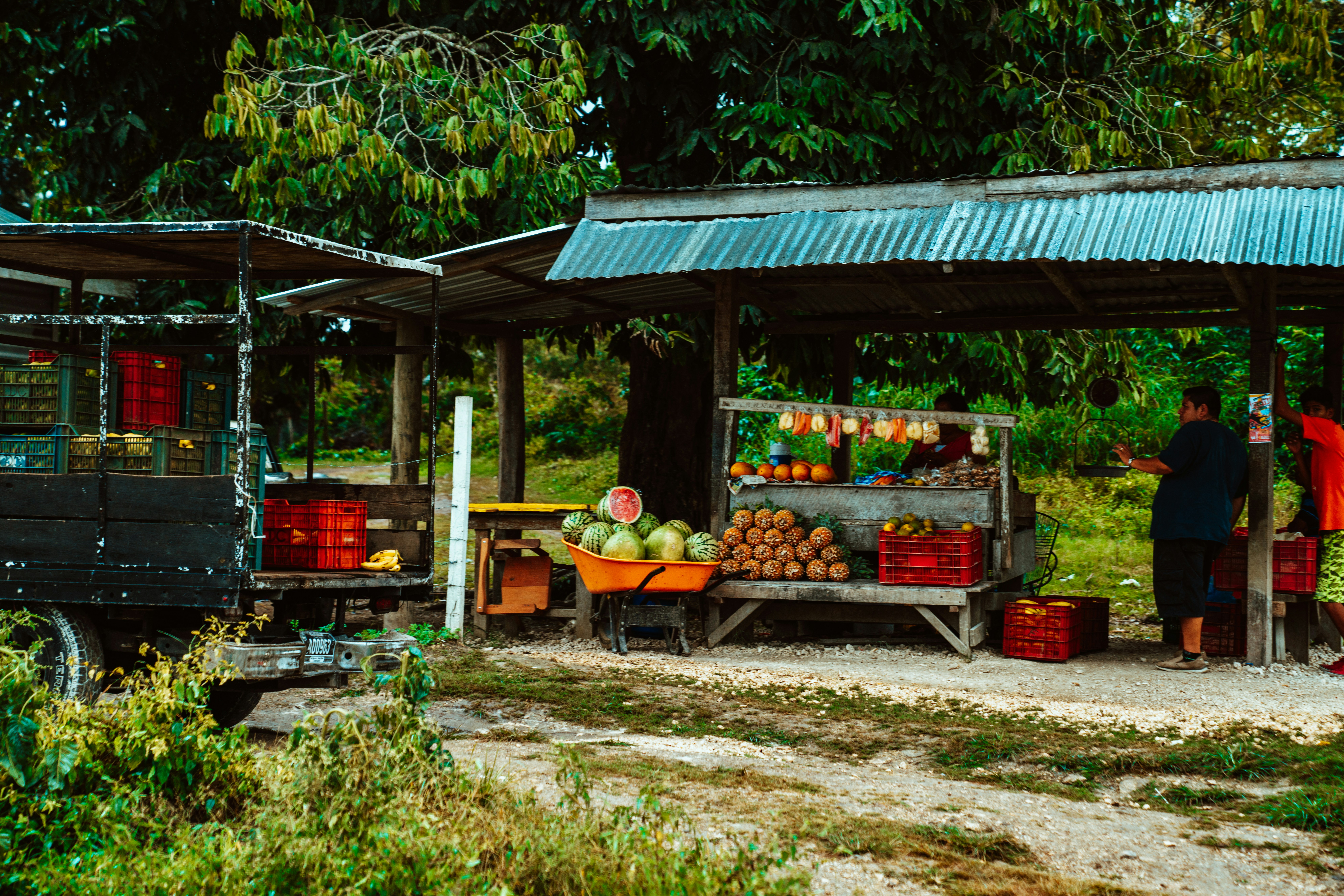
- Conch & seafood: Conch ceviche, grilled snapper, lobster (in season June–February), and stone crab from the reef are the cornerstones of coastal Belizean eating. The split — Ambergris Caye's main street — has the best concentration of fresh seafood in the country.
Traditions & Culture
- Garifuna Settlement Day (19 November): The national celebration of the Garifuna people's arrival on the Belizean coast in 1832 — drumming, singing, traditional food, and the reenactment of the landing in dories (dugout canoes). One of the most authentic and moving cultural celebrations in Central America.
- Belize's extraordinary diversity: Belize is one of the most ethnically diverse countries in the Americas — Creole, Garifuna, Maya (Yucatec, Mopan, Kekchi), Mestizo, Mennonite, Chinese, Lebanese, and East Indian communities all maintain distinct languages, traditions, and foods in a country of 440,000 people.
Climate
- Tropical: Hot and humid year-round (26–33°C). Dry season February–May is ideal for diving and ruins. Wet season June–November — heavy rain, lush jungle, lower prices. The south receives significantly more rain than the north. Hurricane season peaks August–October.