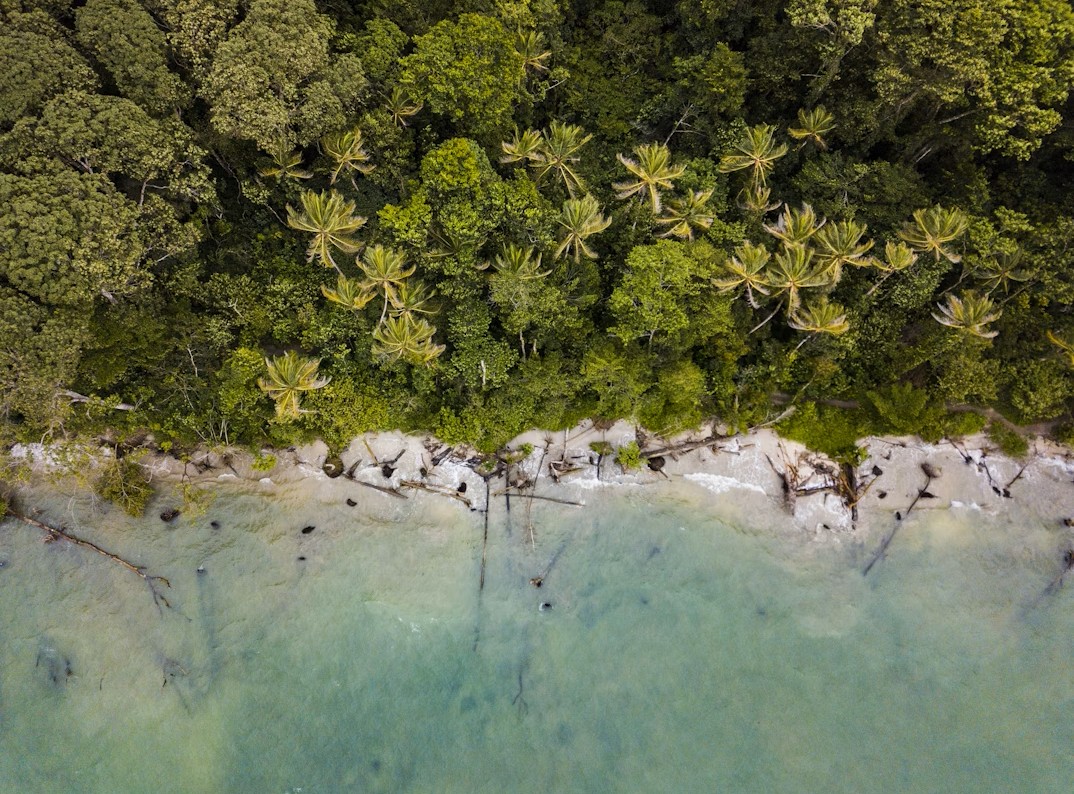
Costa Rica is a small Central American nation between Nicaragua and Panama — one of the most biodiverse places on Earth and the pioneer of sustainable ecotourism. Despite covering just 0.03% of the planet's surface, it contains approximately 5% of the world's biodiversity. It is also a model of political stability and social progress in a region with a turbulent history — abolishing its military in 1948, generating nearly 100% of its electricity from renewable sources, and consistently ranking as the happiest country in Latin America.
Capital: San José
Population: ~5.2 million
Area: 51,100 km²
Currency: Costa Rican Colón (CRC)
Language: Spanish
Religion: Predominantly Roman Catholic
Fascinating Facts
- No army since 1948: Costa Rica abolished its military on 1 December 1948 — the money saved has been invested in education and healthcare. The date is a national holiday. Costa Rica is one of only 22 countries in the world with no standing army.
- 5% of Earth's biodiversity: Costa Rica contains approximately 500,000 species — around 5% of all species on Earth — including 900 species of birds, 220 reptile species, and 35,000 insect species. It has more bird species than the entire United States and Canada combined.
- Pura Vida: The untranslatable Costa Rican motto — literally 'pure life' — is used as a greeting, farewell, expression of contentment, and general philosophy of happiness. It captures the unhurried, optimistic outlook that defines Costa Rican identity.
- Nearly 100% renewable energy: Costa Rica regularly generates over 98% of its electricity from renewable sources — hydropower, geothermal, wind, and solar. It has run on 100% renewable electricity for extended periods and aims to be carbon-neutral.
Nature & Key Destinations
- Monteverde Cloud Forest: A canopy of mist-covered jungle at 1,440 m — home to the resplendent quetzal, three-wattled bellbird, and thousands of orchid species. Hanging bridges, zip lines, and night walks through one of the world's most biodiverse ecosystems.
- Arenal Volcano: A near-perfect conical volcano rising 1,670 m — once one of the world's most active, now quieter but still steaming. Hot springs at its base and Lake Arenal's windsurfing make it Costa Rica's most visited region.
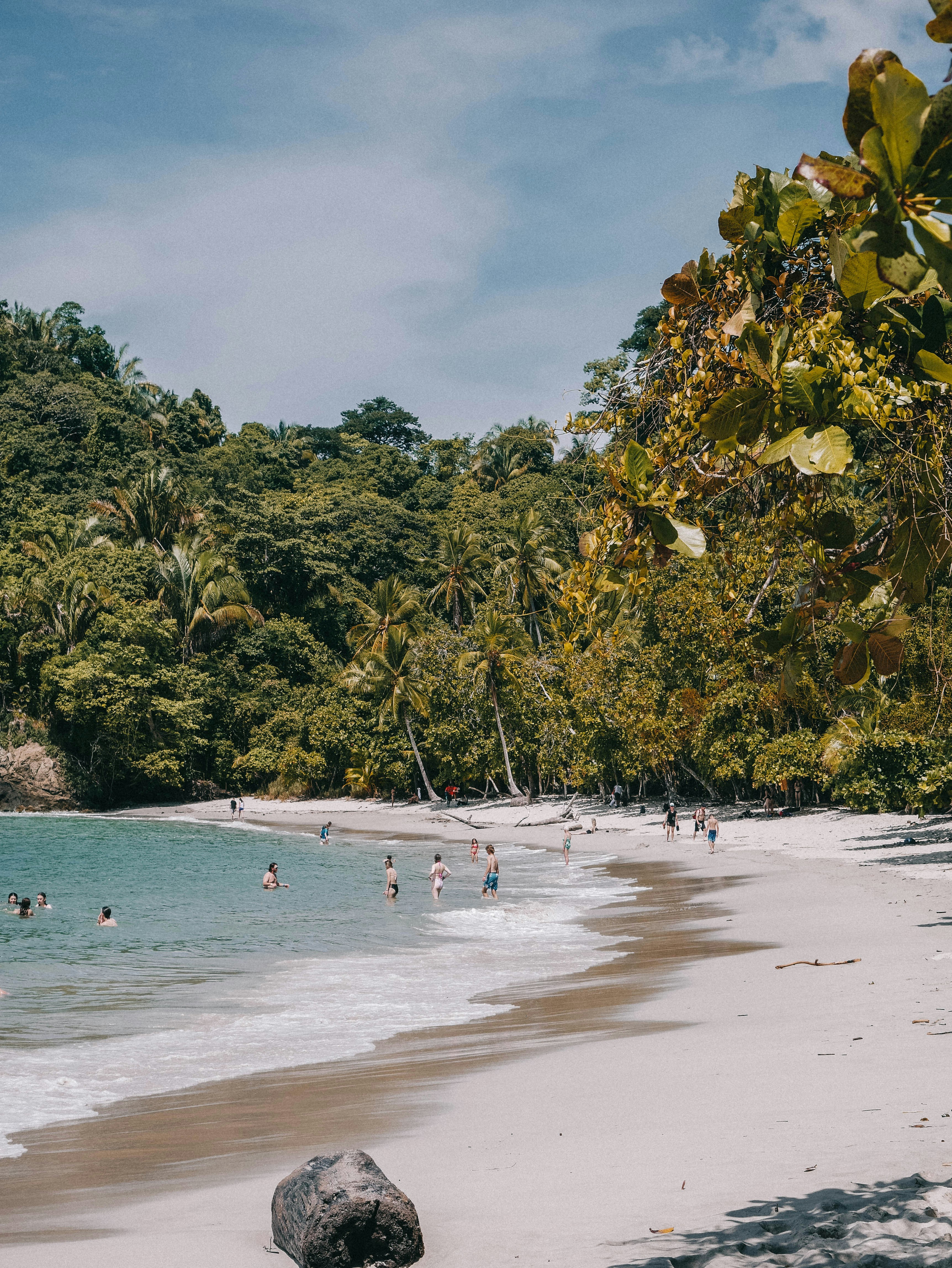
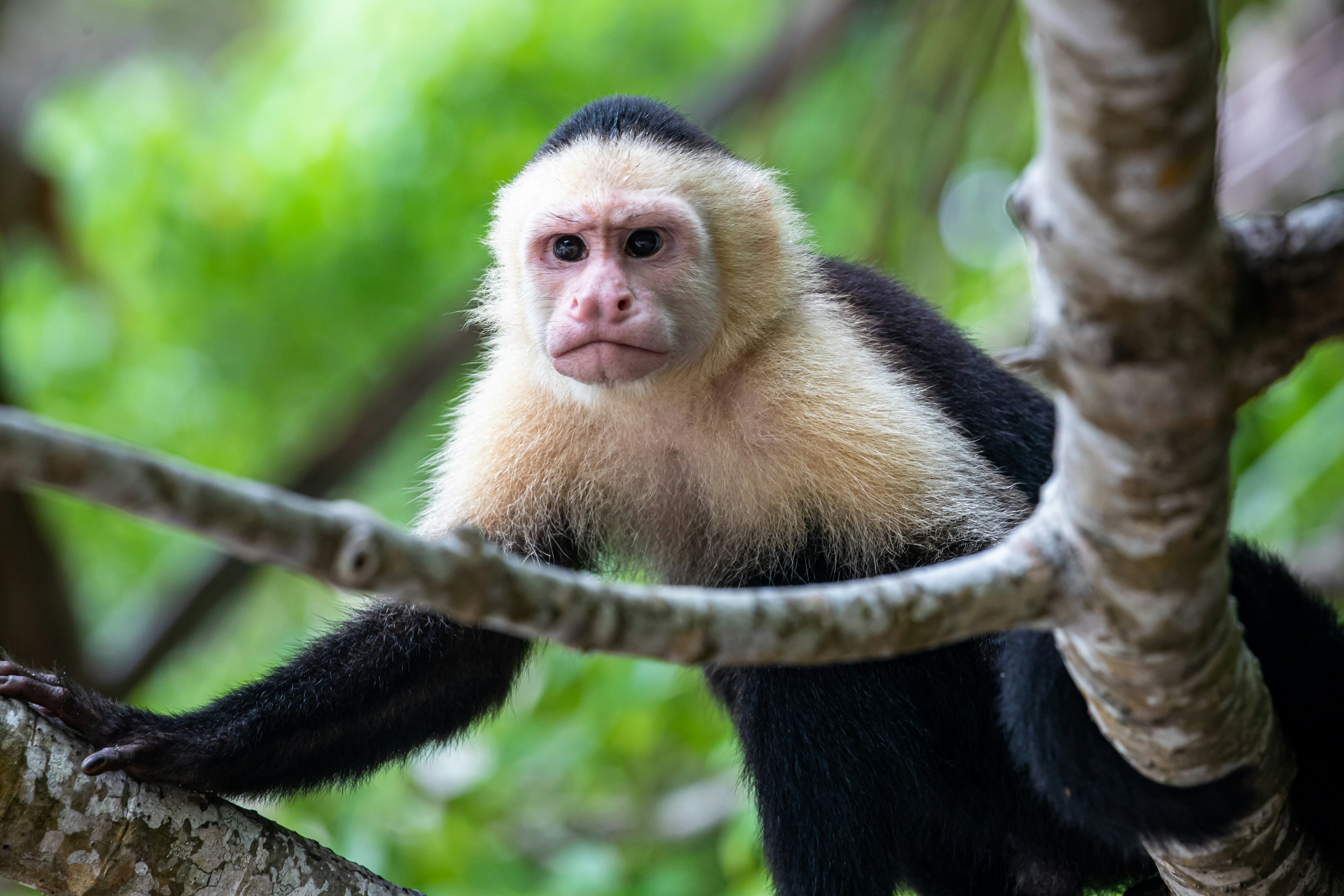
- Manuel Antonio National Park: The country's most popular national park — white sand beaches backed by rainforest, with howler monkeys, sloths, white-faced capuchins, and scarlet macaws visible from the beach.
- Tortuguero & the Caribbean coast: A network of jungle canals on the Caribbean coast — accessible only by boat or plane — where green sea turtles nest in their thousands from July to October. The Corcovado National Park on the Osa Peninsula is the most biodiverse place in the entire country.
Cuisine
- Gallo pinto: Costa Rica's national dish — rice and black beans cooked together with Salsa Lizano (the country's beloved condiment), eaten at breakfast with eggs, sour cream, and plantain. Simple, satisfying, and eaten every single day.
- Casado & ceviche: The casado ('married man's plate') is the standard lunch — rice, beans, salad, plantain, and a protein (fish, chicken, or beef). Costa Rican ceviche uses sea bass or tilapia in a mild lime and coriander marinade — lighter and less spicy than Peruvian.
- Coffee: Costa Rican coffee — grown in the volcanic soils of the Central Valley at 1,200–1,700 m — is among the world's finest. The Tarrazú region produces particularly celebrated single-origin beans.
Traditions & Culture
- Oxcart tradition: The brightly painted ox cart (carreta) — used to transport coffee in the 19th century — is the national symbol of Costa Rica and a UNESCO-listed craft tradition. The Sarchi workshops in the Central Valley produce hand-painted carts of extraordinary intricacy.
- Fiesta de los Diablitos: An annual festival of the Boruca Indigenous people — participants wear carved wooden masks representing the struggle between their ancestors and Spanish conquistadors. One of the most authentic and powerful Indigenous cultural events in Central America.
Climate
- Tropical, two seasons: Dry season (December–April) is sunny and warm (27–32°C on the coasts). Green season (May–November) brings afternoon rain and lush vegetation — lower prices and fewer crowds. The Caribbean coast is wetter year-round. Best overall: December–April.

 Costa Rica