Guatemala is the most populous country in Central America and the cultural heart of the Maya world — a country where ancient civilisation is not a museum exhibit but a living reality. Approximately 40% of the population is of Indigenous Maya descent, maintaining languages, dress, and traditions that predate the Spanish conquest by millennia. From the cobbled streets of Antigua (a UNESCO World Heritage colonial city) to the volcanic shores of Lake Atitlán and the jungle pyramids of Tikal, Guatemala offers a concentration of natural beauty and cultural richness that rivals any destination in the hemisphere.
Capital: Guatemala City
Population: ~17.6 million — the most populous country in Central America
Area: 108,889 km²
Currency: Guatemalan Quetzal (GTQ) — named after the sacred bird of the Maya
Languages: Spanish (official); 22 Maya languages co-recognised, including K'iche', Mam, and Kaqchikel
Religion: Roman Catholic and Evangelical Protestant, both deeply blended with Maya spiritual traditions
Fascinating Facts
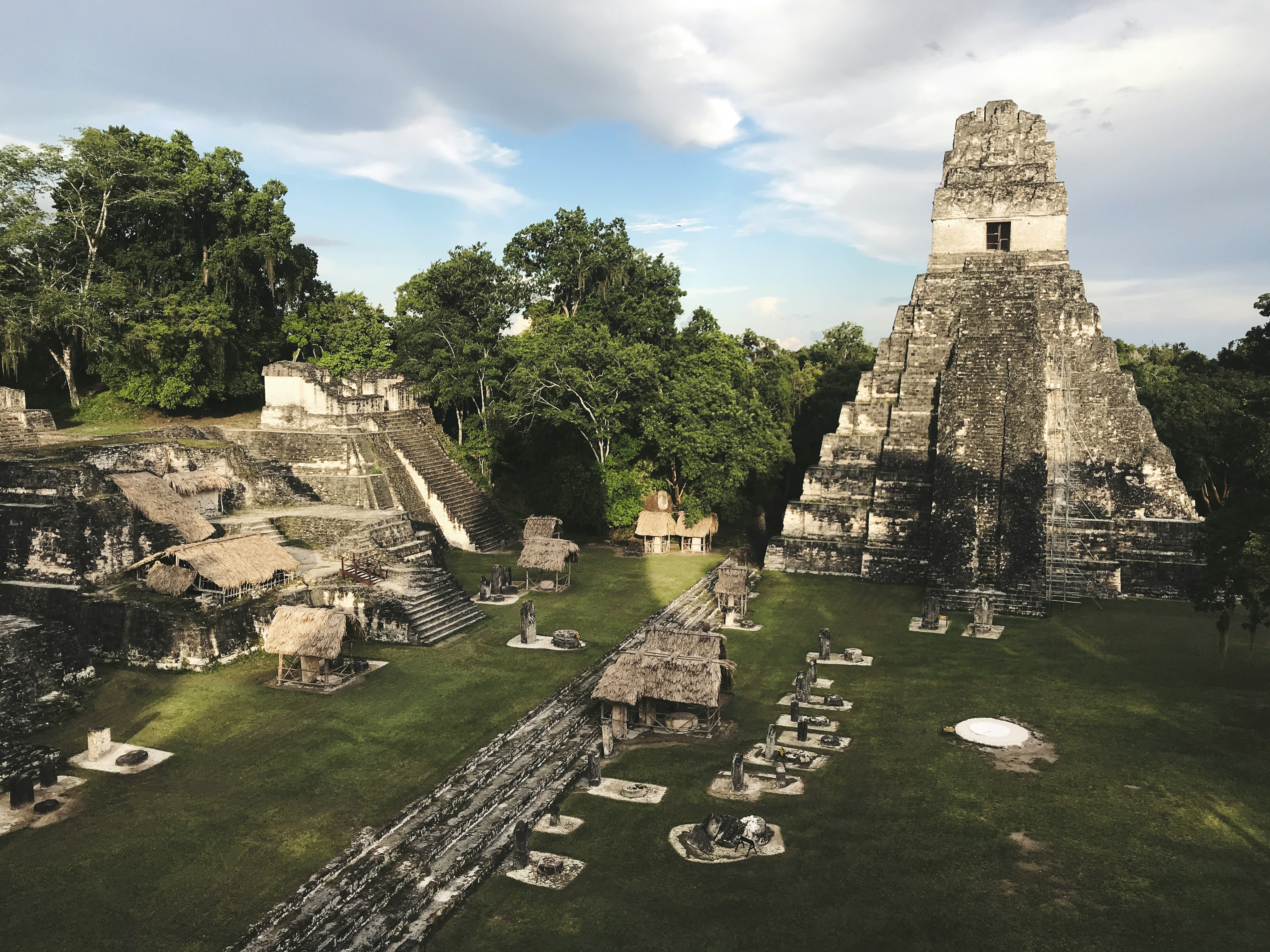
- Tikal — the greatest Maya city: Tikal National Park in the Petén jungle contains one of the largest and most powerful cities of the ancient Maya world — pyramids rising 65 m above the jungle canopy, plazas, ball courts, and palaces of an urban centre that held 100,000 people at its peak. The sounds of howler monkeys and toucans at dawn are inseparable from the experience.
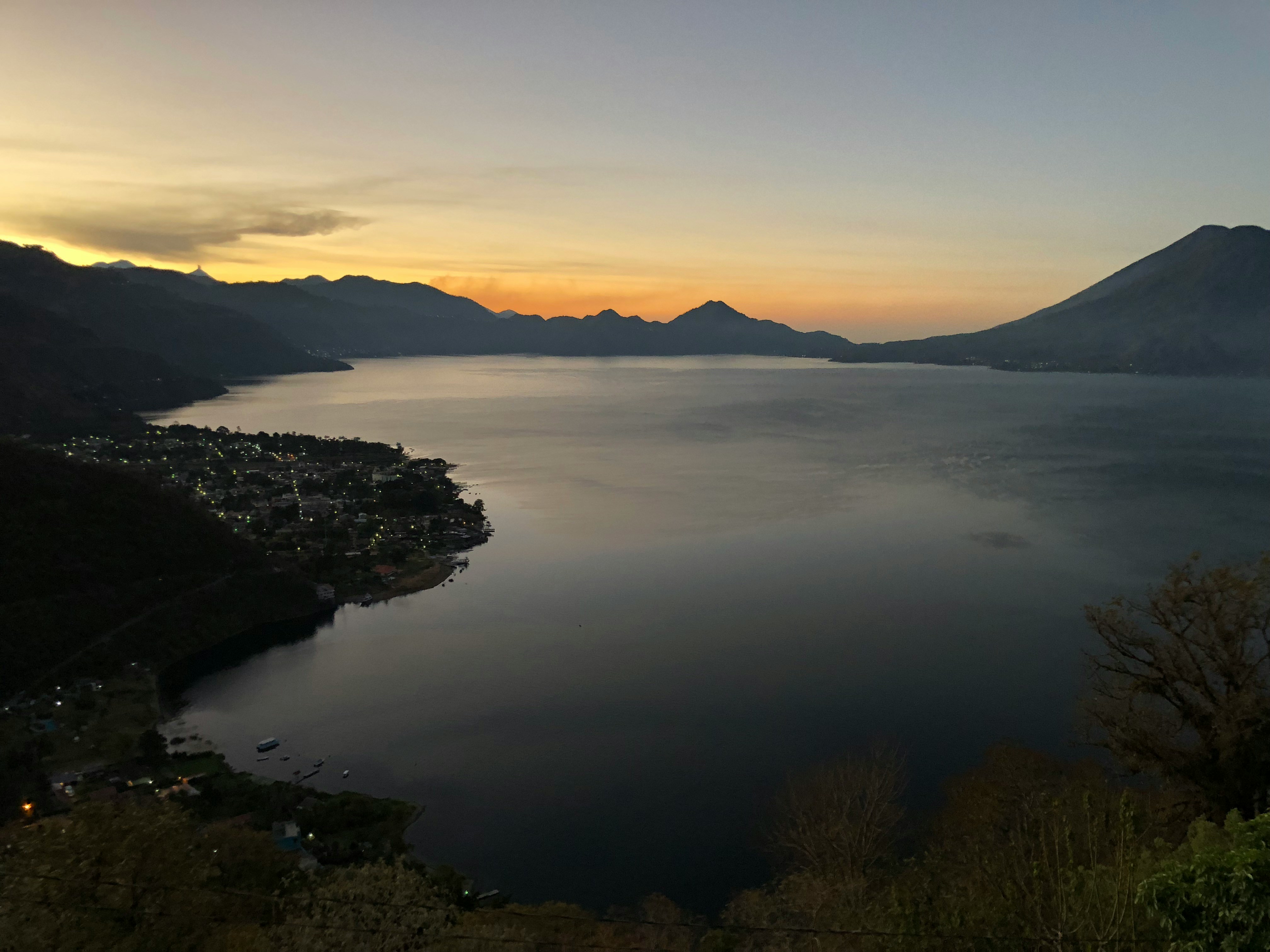
- Lake Atitlán — Huxley's most beautiful lake: Aldous Huxley called Lake Atitlán 'the most beautiful lake in the world' — a deep volcanic caldera lake surrounded by three towering volcanoes and a dozen Maya villages on its shores, each with its own language, textile tradition, and identity.
- The quetzal cannot survive in captivity: The resplendent quetzal — Guatemala's national bird, on the flag and the currency — was sacred to the Maya and Aztec as a symbol of freedom. It cannot survive in captivity; its tail feathers, which can reach 65 cm, were used as currency and worn only by royalty.
- Chichicastenango market: The Thursday and Sunday market at Chichicastenango — where Maya K'iche' traders sell textiles, masks, ceramics, and produce in a riot of colour — is the largest and most celebrated Indigenous market in the Americas, held continuously for centuries.
Nature & Key Destinations
- Tikal National Park: A UNESCO World Heritage jungle site of monumental Maya pyramids — Temple IV (65 m) offers a sunrise view above the canopy used as the Rebel base in Star Wars. The park contains over 3,000 structures.
- Lake Atitlán: A crater lake of exceptional depth and beauty — the villages of Santiago Atitlán, San Juan La Laguna, and San Pedro La Laguna each offer distinct Maya culture, weaving cooperatives, and volcano hiking.
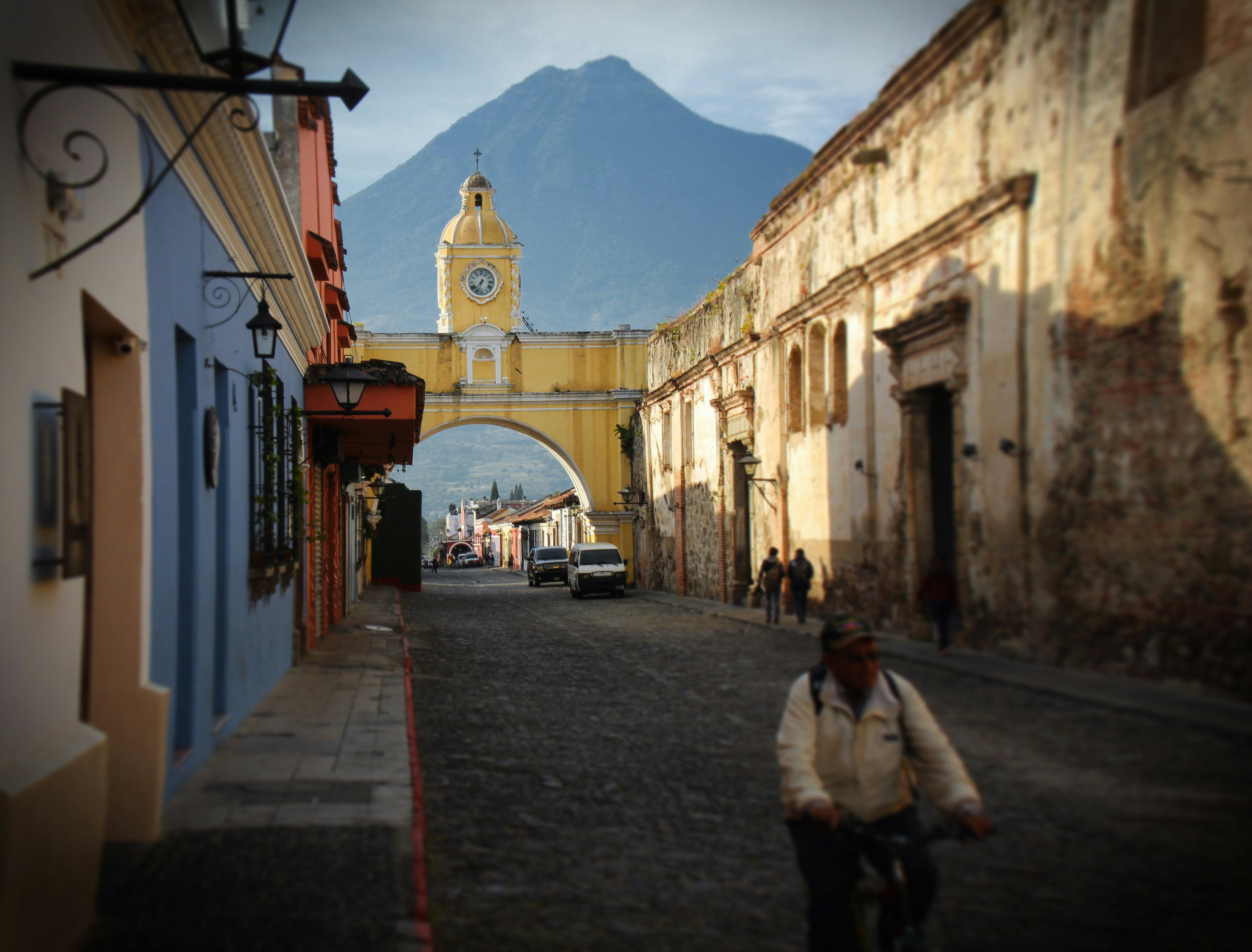
- Antigua Guatemala: A UNESCO World Heritage colonial city of baroque churches, cobblestoned streets, and ruined convents against a backdrop of three active volcanoes — one of the finest preserved Spanish colonial cities in the Americas, and the base for climbing Volcán Pacaya (2,552 m).
- Semuc Champey: A natural limestone bridge over the Cahabón River, topped by a series of turquoise tiered pools — one of the most beautiful and unexpected natural formations in Central America, deep in the Guatemalan jungle.
Cuisine
- Pepián & kak'ik: Pepián — a rich, seeded sauce of toasted pumpkin seeds, chillies, and tomato served over chicken — is Guatemala's national dish and one of the oldest recipes in the Americas. Kak'ik is an ancient Q'eqchi' Maya turkey soup of deep red colour and complex flavour, still cooked according to pre-Columbian tradition.
- Tamales & chuchitos: Guatemalan tamales are wrapped in banana leaves (not corn husks) and filled with pork, chicken, or sweet raisins and prunes — eaten at Christmas and every weekend market. Chuchitos are smaller corn husk tamales, the everyday street food of the highlands.
- Coffee: Guatemalan coffee — from the volcanic highlands of Antigua, Huehuetenango, and Atitlán — is among the world's most celebrated, with a complexity of flavour derived from altitude, volcanic soil, and careful processing. Single-origin Guatemalan beans are prized by specialty roasters worldwide.
Traditions & Culture
- Semana Santa in Antigua: Holy Week in Antigua is one of the most extraordinary religious spectacles in the world — elaborate alfombras (carpets of coloured sawdust, flowers, and fruit) are laid on the cobblestones each night, only to be walked over by the dawn processions of hooded penitents carrying massive andas (floats). A tradition of surpassing beauty.
- Maya textile tradition: Each Maya village around Lake Atitlán and in the highlands maintains its own distinctive huipil (blouse) pattern — woven on backstrap looms using designs that encode cosmological and community identity. The textiles of Santiago Atitlán, Nebaj, and Todos Santos are UNESCO-recognised masterpieces of living craft.
Climate
- Altitude-dependent: Guatemala City and Antigua (1,500 m) have a perpetual spring climate (18–25°C year-round). The highlands are cooler; the Pacific and Caribbean coasts are hot and humid (28–35°C). Dry season November–April is best for travel. Semana Santa falls in the dry season.