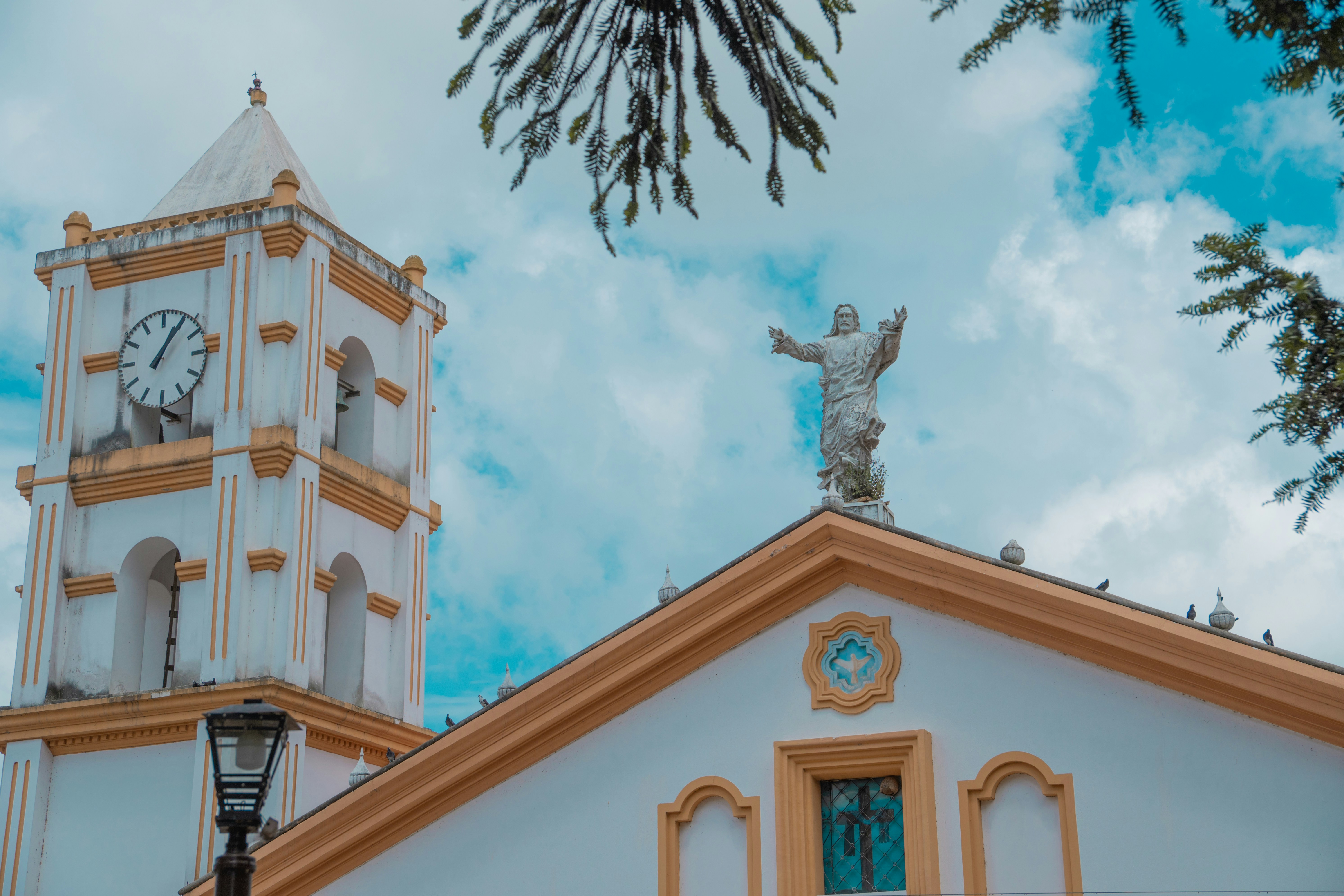
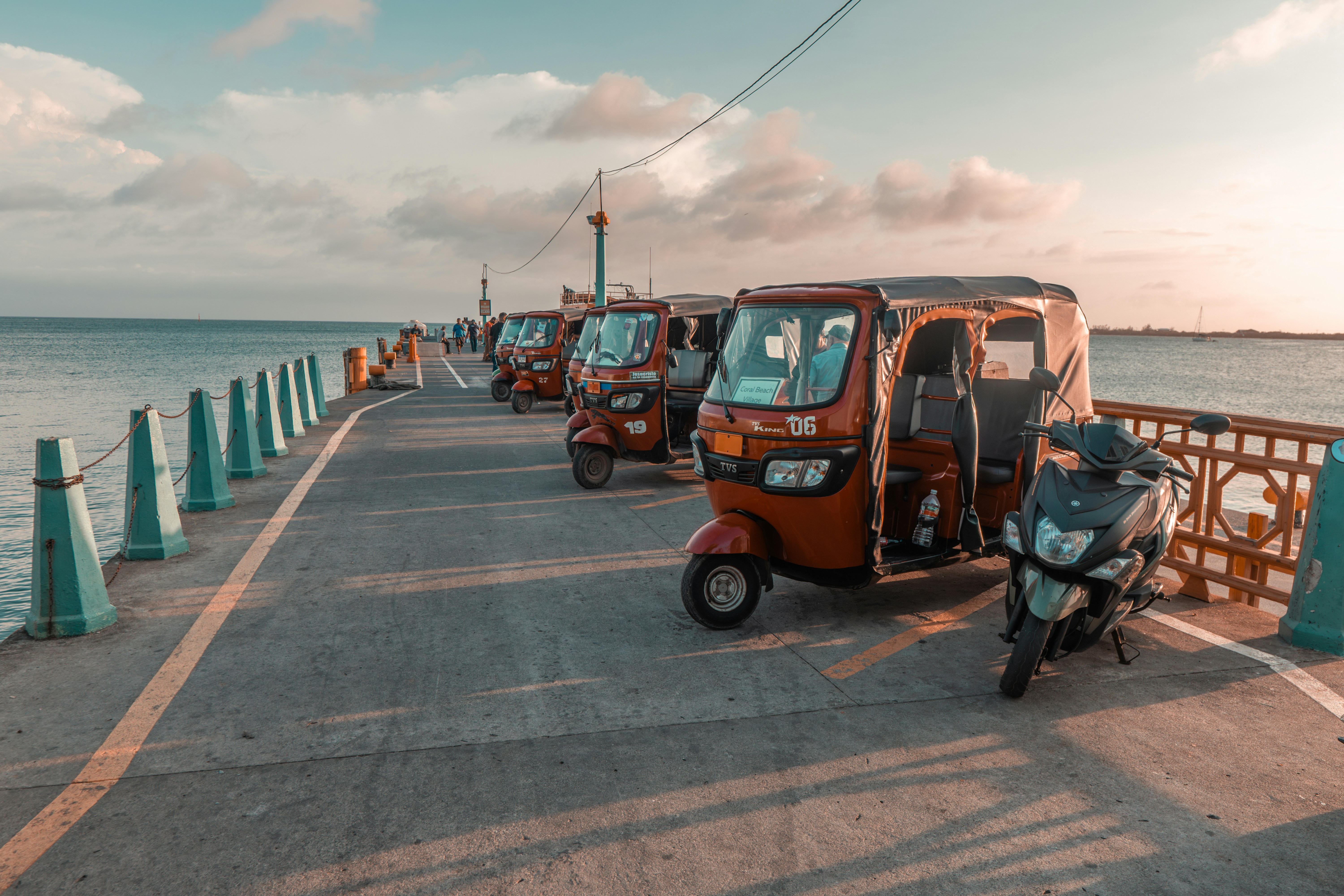
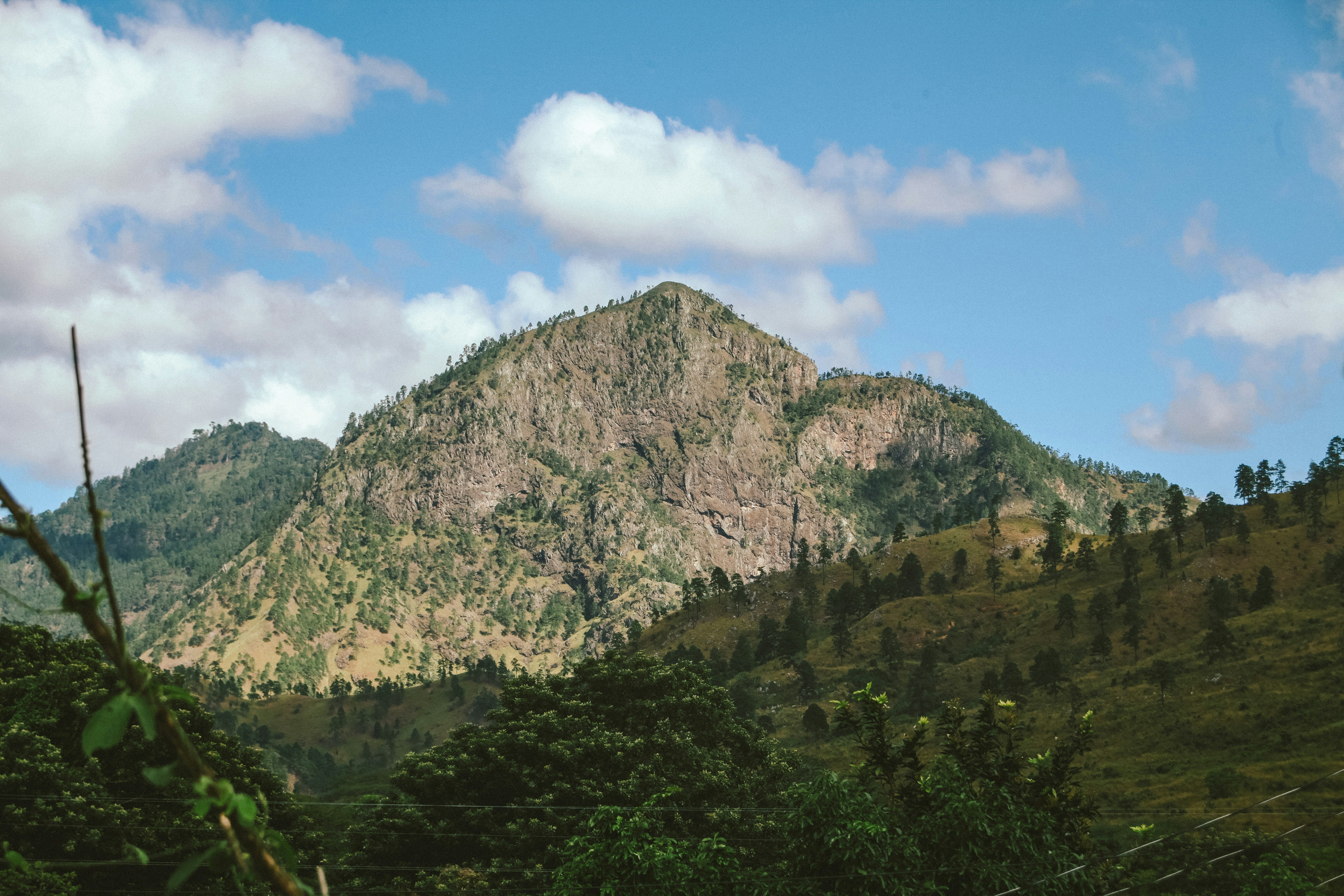
Honduras is the second largest country in Central America — a mountainous, biodiverse nation between Guatemala, El Salvador, Nicaragua, and the Caribbean and Pacific coasts. Its greatest claim to cultural fame is Copán — the southeastern capital of the Maya civilisation, whose sculptural programme is the most sophisticated and artistically refined in the Maya world. Its greatest natural attraction is the Bay Islands — Roatán, Utila, and Guanaja — sitting on the Mesoamerican Barrier Reef and offering some of the most affordable and accessible world-class diving in the Caribbean. Honduras is one of Central America's least visited countries and one of its most rewarding for travellers prepared to look beyond the headlines.
Capital: Tegucigalpa
Population: ~10.3 million
Area: 112,492 km²
Currency: Honduran Lempira (HNL) — named after the 16th-century Lenca chieftain who resisted Spanish conquest
Language: Spanish; Garifuna, Miskito, and other Indigenous languages on the coasts
Religion: Predominantly Roman Catholic; significant Evangelical Protestant community
Fascinating Facts
- Copán — the Athens of the Maya: Copán, in western Honduras, was the intellectual and artistic capital of the Maya world — its Hieroglyphic Stairway (the longest Maya text ever found, with 2,200 glyphs on 63 steps) and its portrait stelae of extraordinary naturalistic sculpture are unique in pre-Columbian art. A UNESCO World Heritage Site.
- The most affordable diving in the Caribbean: Utila, the smallest of the Bay Islands, is one of the cheapest places in the world to learn to dive — PADI open water courses cost a fraction of prices elsewhere, while the diving itself (whale sharks, reef walls, and healthy coral) is world-class.
- The Garifuna people: The Garifuna — descendants of Carib, Arawak, and West African peoples who were exiled from St Vincent by the British in 1797 and settled on the Honduran coast — maintain a culture of unique richness: the punta music and dance, dugout canoe fishing, and cassava-based cuisine are UNESCO-listed.
- The 'Banana Republic' origin: The term 'banana republic' was coined specifically to describe Honduras — where the United Fruit Company (later Chiquita) exercised such control over the government, land, and economy in the early 20th century that the country became a textbook case of corporate imperialism.
Nature & Key Destinations
- Copán Ruinas: The UNESCO Maya site and the charming colonial town around it — the Hieroglyphic Stairway, the Ball Court, the extraordinary portrait stelae, and the Museum of Maya Sculpture with its full-scale reproductions. The most artistically sophisticated Maya site in the world.
- Roatán & the Bay Islands: A 64 km island on the Mesoamerican Barrier Reef — excellent wall diving, snorkelling from the beach, and the most developed tourist infrastructure in Honduras. West End village is the hub of the diving and beach scene.
- Utila: The backpacker and dive capital of the Bay Islands — the most affordable diving in the world, whale shark encounters (year-round but peaking March–April and October–November), and an infectious laid-back atmosphere.
- Celaque National Park: The highest mountain in Honduras (Cerque, 2,849 m) in a cloud forest of quetzals, orchids, and ancient trees — one of the finest cloud forest hiking destinations in Central America, largely unknown to international visitors.
Cuisine
- Baleadas: Honduras's great street food — a thick flour tortilla folded around refried beans, crema (sour cream), and grated cheese, with optional additions of scrambled egg, avocado, or meat. Eaten at breakfast throughout the country, from roadside stalls to restaurant tables.
- Sopa de caracol & tapado: Sopa de caracol (conch soup with coconut milk, plantain, and vegetables) is the definitive Honduran coastal dish — immortalised by the Garifuna tradition and beloved nationwide. Tapado is a similar rich seafood coconut soup of the Garifuna coast, one of the finest dishes in Central America.
- Garifuna food & hudut: The Garifuna community's food tradition is the most distinctive in Honduras — hudut (fish cooked in coconut milk served with mashed plantain fufu) and ereba (cassava flatbread) are ancient recipes maintained with remarkable fidelity on the Caribbean coast.
Traditions & Culture
- Garifuna culture: The Garifuna communities of the north coast — centred on towns like Trujillo, Tela, and Livingston (across the border in Guatemala) — maintain punta music (fast drumming and hip-based dance), Garifuna language, and traditional fishing culture. Garifuna Settlement Day (12 April) is a national holiday.
- Semana Santa in Comayagua: The colonial city of Comayagua produces some of the most elaborate Holy Week sawdust carpets (alfombras) in Central America — intricate designs of coloured sawdust, flowers, and seeds covering entire streets, walked over by dawn processions.
Climate
- Tropical, varied by altitude: The Caribbean coast is hot and humid year-round (28–33°C). The interior highlands are cooler (18–25°C) and more pleasant. The Bay Islands are warm with trade wind relief. Dry season November–April is best for most travel. Hurricane season June–November — the Caribbean coast is highly exposed.