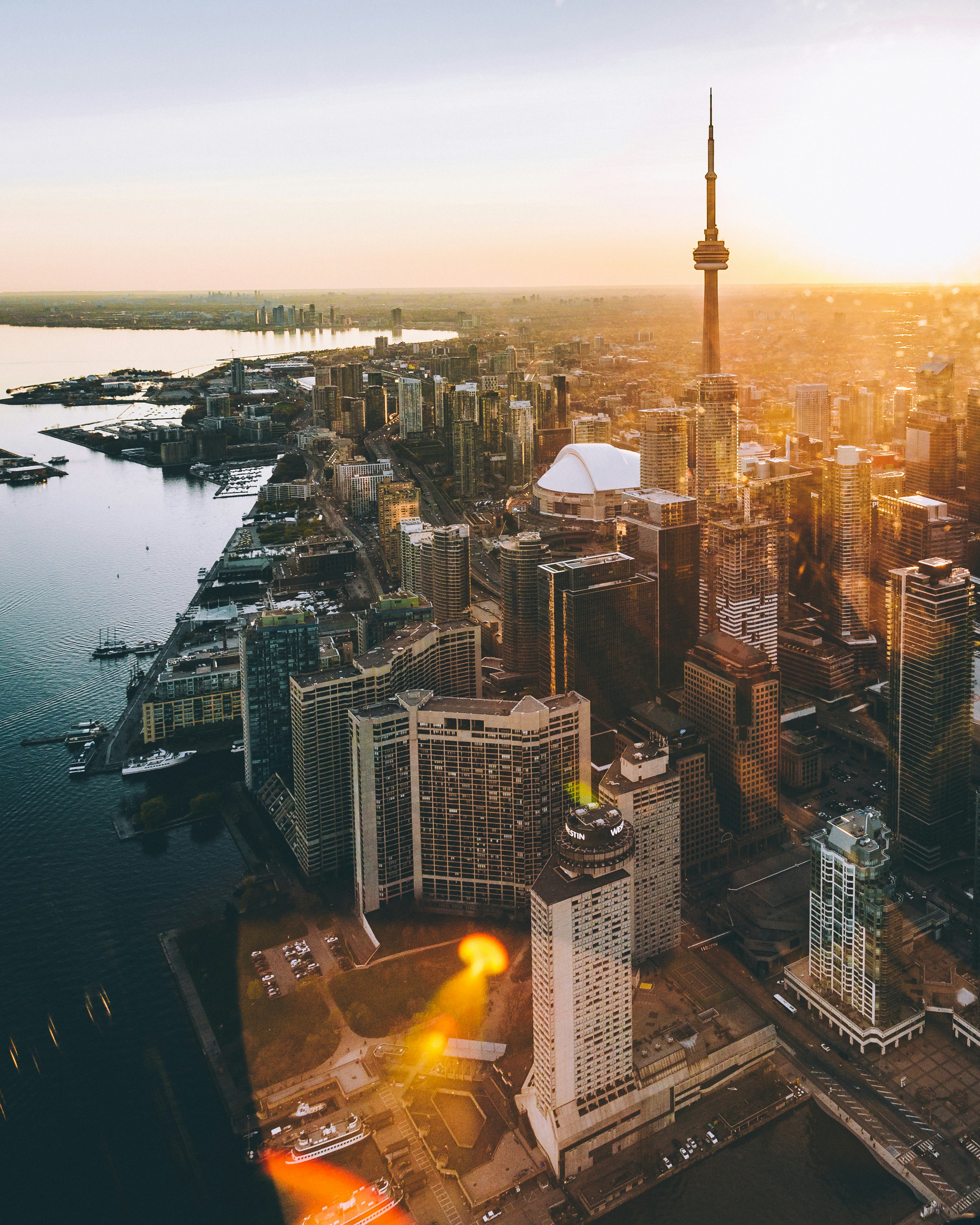
Canada is the world's second largest country by area — 9.98 million km² stretching from the Pacific to the Atlantic to the Arctic Ocean, encompassing ten provinces and three territories. It is one of the world's most sparsely populated large countries (approximately 4 people per km²), with a population of 38 million concentrated overwhelmingly within 160 km of the US border. Canada is defined by its extraordinary natural landscapes, its bilingual French-English identity, its multicultural cities (Toronto is the most ethnically diverse city in the world), and a reputation for politeness and openness that is, by most accounts, entirely deserved.
Capital: Ottawa (largest city: Toronto)
Population: ~38 million
Area: 9,984,670 km² — the world's second largest country
Currency: Canadian Dollar (CAD)
Languages: English and French — both official nationwide; Inuktitut and other Indigenous languages official in Nunavut
Religion: No official religion; predominantly Christian with rapidly growing non-religious population
Fascinating Facts
- More lakes than the rest of the world combined: Canada has approximately 2 million lakes — more than all other countries in the world combined. The Great Lakes alone (shared with the US) contain 21% of the world's surface fresh water.
- The longest coastline on Earth: Canada's coastline measures 202,080 km — the longest of any country in the world, touching the Pacific, Atlantic, and Arctic Oceans. Including all islands, it would circle the Earth five times.
- Invented basketball, insulin, and the telephone: Basketball was invented by Canadian James Naismith in 1891. Insulin was discovered by Frederick Banting and Charles Best at the University of Toronto in 1921. The telephone was invented by Alexander Graham Bell — who did the work in Canada, though he was born in Scotland.
- Nunavut — larger than Western Europe: The territory of Nunavut, created in 1999 as a homeland for the Inuit people, covers 2.093 million km² — larger than Western Europe — with a population of just 39,000. It is the least densely populated territory in the world after Greenland.
Nature & Key Destinations
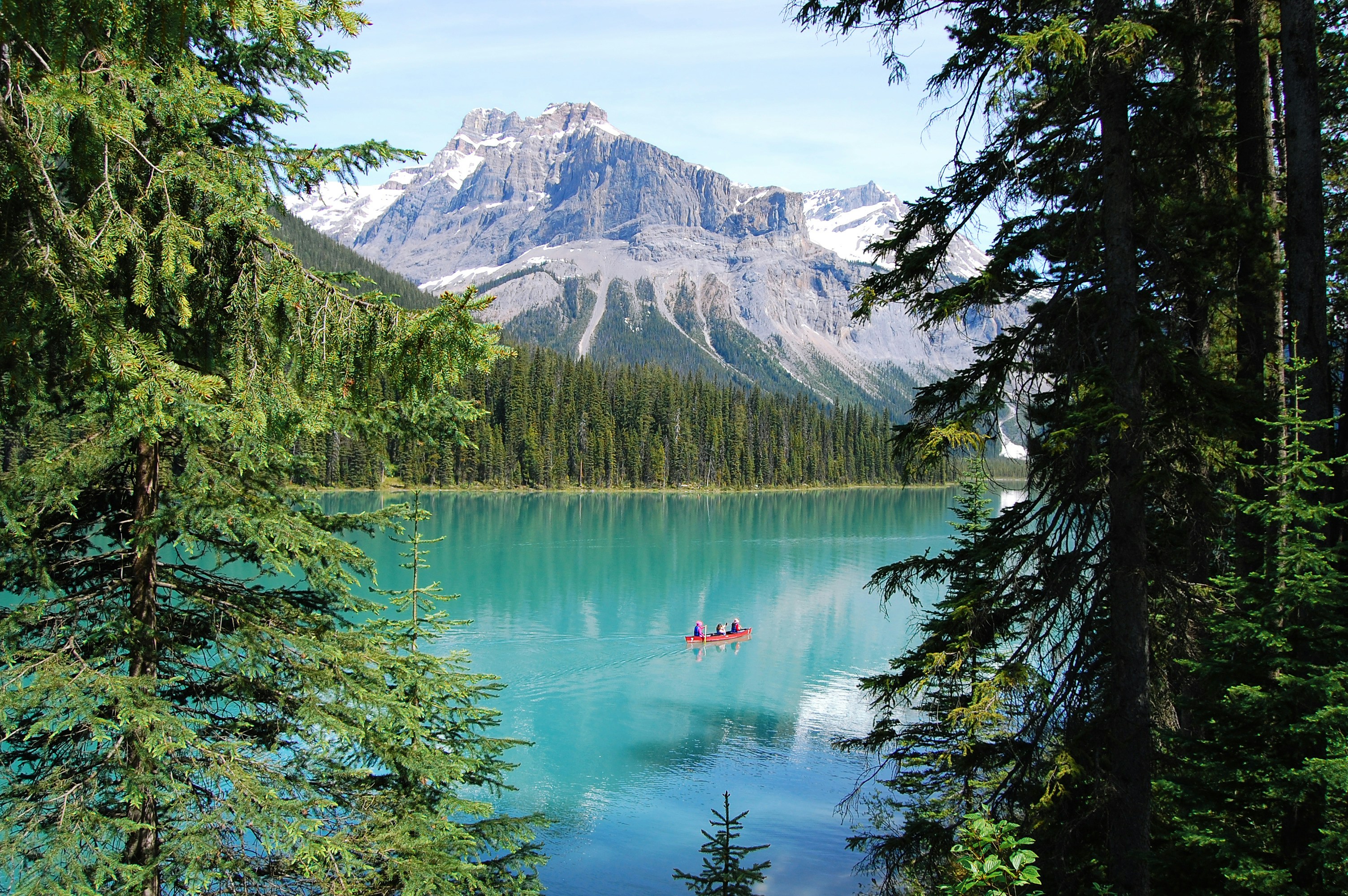
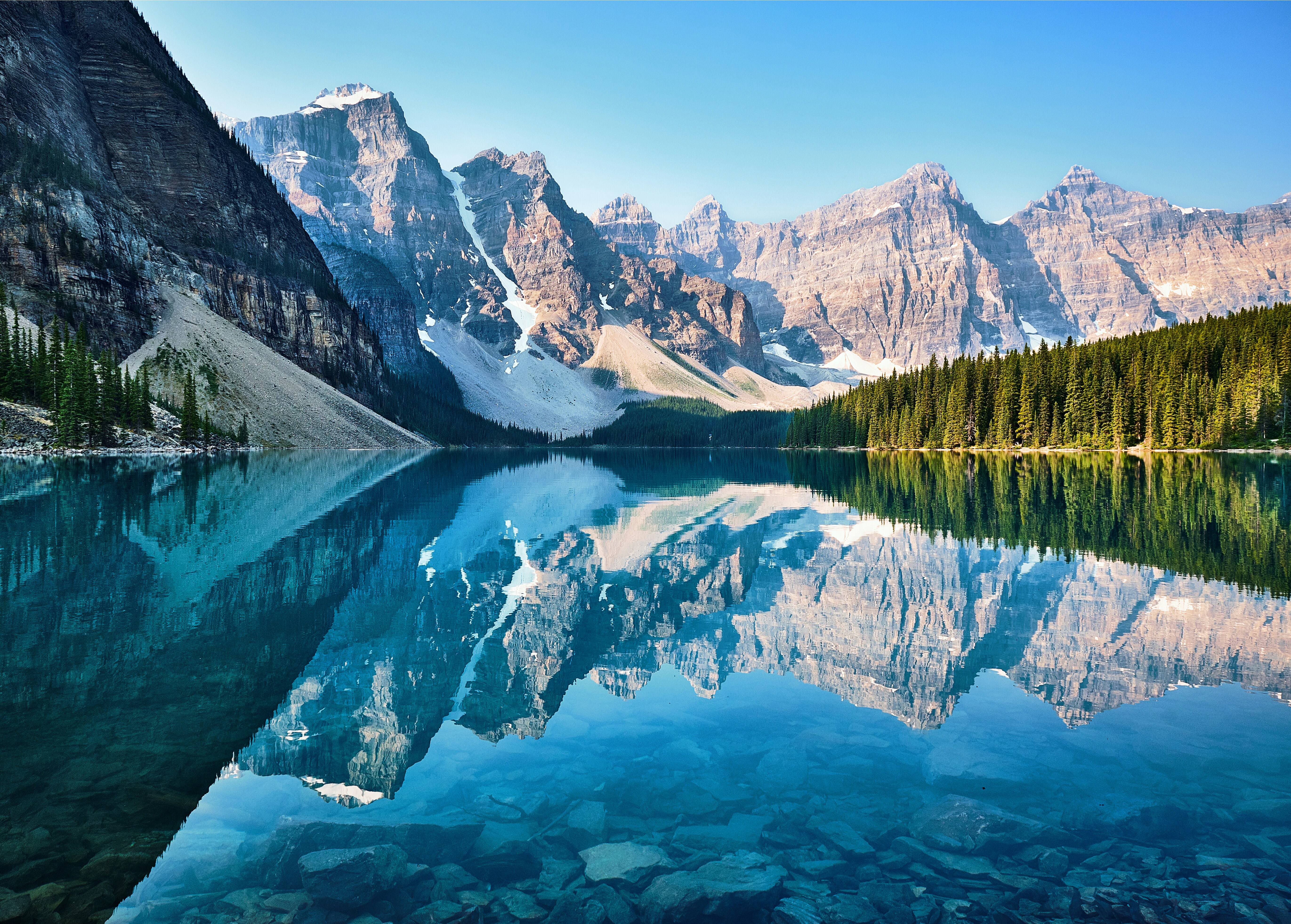
- Canadian Rockies: Banff and Jasper National Parks — turquoise glacial lakes (Moraine Lake, Lake Louise), the Icefields Parkway (one of the world's great scenic drives), and peaks rising to 3,954 m. UNESCO World Heritage Site.
- Niagara Falls: The Horseshoe Falls on the Canadian side — 57 m high and 790 m wide — is the most powerful waterfall in North America by flow. More spectacular from the Canadian bank; best experienced by the Maid of the Mist boat below the falls.
- Quebec City & Montreal: Quebec City's fortified Old Town (UNESCO-listed) is the only walled city north of Mexico — cobblestoned streets, French architecture, and a European atmosphere unlike any other in North America. Montreal is the world's second largest French-speaking city, with the finest food scene in Canada.
- Northern Canada — Yukon & the Arctic: The Yukon's Kluane National Park (UNESCO), the Northern Lights from Whitehorse (September–March), polar bear watching in Churchill (Manitoba), and the raw wilderness of the Northwest Passage — among the last true frontiers of the natural world.
Cuisine
- Poutine & maple syrup: Poutine — french fries topped with cheese curds and hot gravy — originated in Quebec in the 1950s and is now Canada's most iconic dish. Canada produces 71% of the world's maple syrup, almost entirely from Quebec's sugar maple forests. Both are national obsessions.
- Regional diversity: Canada's culinary identity varies dramatically by region — Montreal smoked meat and bagels, Nova Scotia lobster rolls, British Columbia salmon, Québécois tourtière (meat pie), Alberta beef, and the butter tarts of Ontario are all distinctly Canadian dishes with deep regional roots.
- Indigenous food traditions: Canada's First Nations, Métis, and Inuit peoples maintain food traditions of great diversity — bannock (fry bread), bison pemmican, wild game, Arctic char, fiddleheads, and Saskatoon berries reflect the Indigenous heritage that shaped the country's land and larder.
Traditions & Culture
- Ice hockey: Ice hockey is Canada's national winter sport and closest thing to a national religion — the Stanley Cup (donated by Canadian Governor General Lord Stanley in 1892) is the most storied trophy in North American sport. Wayne Gretzky, considered the greatest hockey player of all time, is Canadian.
- Multiculturalism: Canada was the first country in the world to adopt an official multiculturalism policy (1971). Toronto is consistently ranked the most ethnically diverse city on Earth — over 200 languages are spoken, and no single ethnic group constitutes a majority.
- Indigenous heritage: Canada's relationship with its First Nations, Métis, and Inuit peoples — and its ongoing process of Truth and Reconciliation — is central to contemporary Canadian identity. Totem poles, pow wows, and Indigenous art are increasingly recognised as foundational expressions of Canadian culture.
Climate
- Enormous variation: Vancouver is mild and rainy year-round (3–22°C). Toronto has cold snowy winters (-5°C) and warm summers (27°C). Quebec has extreme winters (-15°C) and hot summers. The Arctic is polar year-round. Best summer (June–August) for most of Canada; winter for skiing and Northern Lights in the north.