The United States Virgin Islands are an unincorporated territory of the United States in the Caribbean Sea — three main islands (St Thomas, St John, and St Croix) purchased from Denmark in 1917 for $25 million. They combine the natural beauty of the Caribbean with American infrastructure and the fascinating architectural heritage of Danish colonial rule, which lasted from 1672 to 1917. St Thomas's Charlotte Amalie was one of the great free ports of the 18th-century Caribbean; St John has one of the most beautiful national parks in the US; and St Croix is the most culturally distinctive and least visited of the three.
Capital: Charlotte Amalie (St Thomas)
Population: ~100,000
Area: 347 km²
Currency: US Dollar (USD)
Language: English (official); Virgin Islands Creole (English-based) widely spoken
Status: Unincorporated territory of the United States; residents are US citizens but cannot vote in presidential elections
Fascinating Facts
- America's Caribbean for $25 million: The US purchased the Virgin Islands from Denmark in 1917 for $25 million in gold — primarily for their strategic position during WWI. At the time it was the largest sum the US had ever paid for a territory. Adjusted for inflation, it remains a bargain for prime Caribbean real estate.
- St John is 60% national park: Two-thirds of St John is protected as the Virgin Islands National Park — established in 1956 with land donated by Laurance Rockefeller. This makes St John one of the most protected islands in the entire Caribbean, with pristine forests and some of the finest beaches in the US National Park system.
- Charlotte Amalie was a great free port: St Thomas was declared a free port in 1724 — drawing merchants, pirates, and traders from across the Atlantic world. Charlotte Amalie's warehouses (now duty-free shops) handled sugar, rum, slaves, and contraband from every nation.
- The Danes left their mark: Over 240 years of Danish rule left a distinctive architectural imprint — the yellow fort Christiansborg on St Croix, the red-roofed warehouses of Charlotte Amalie, and Danish street names (Dronningens Gade, Kongens Gade) that persist to this day.
Nature & Key Destinations
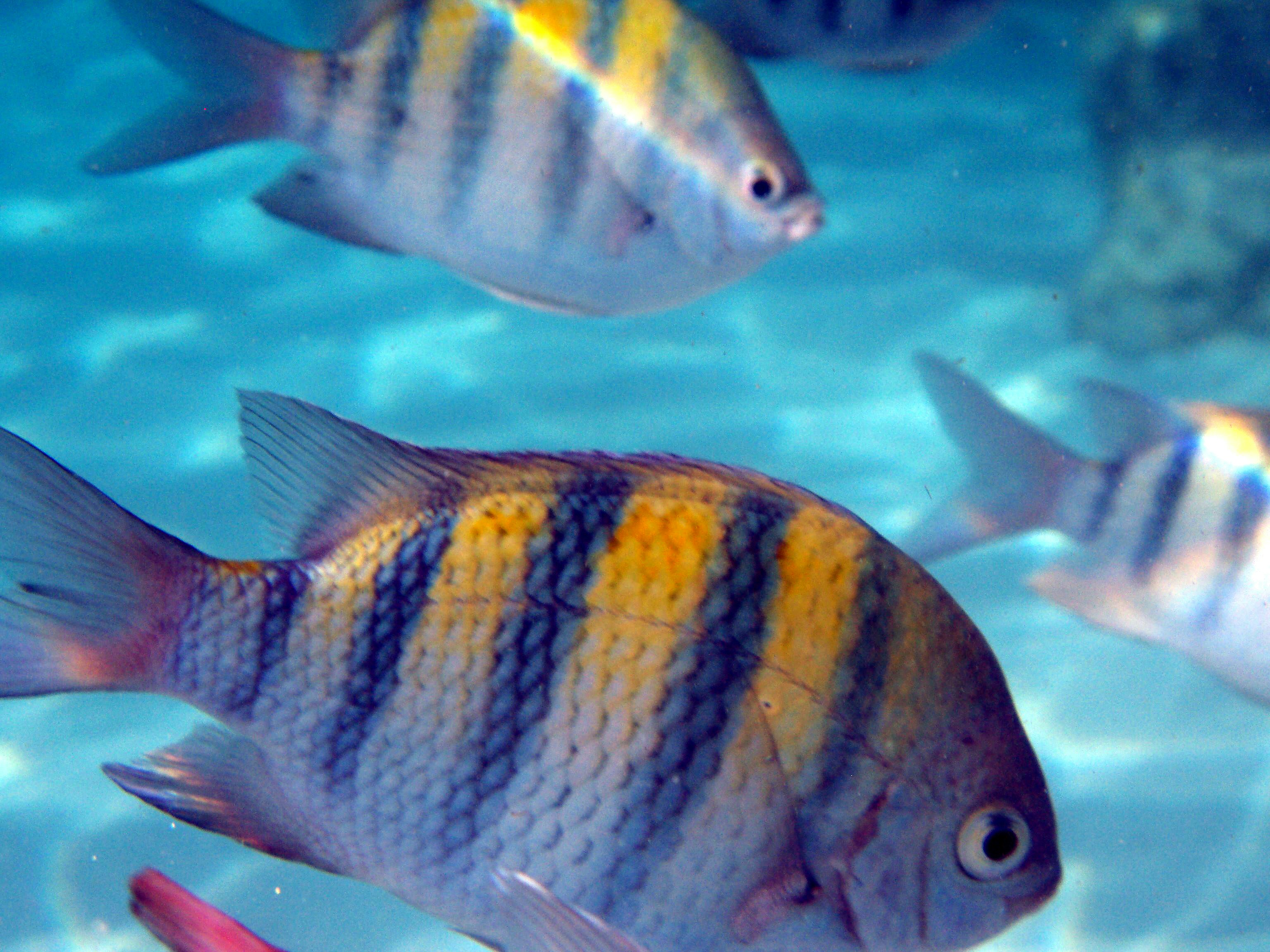
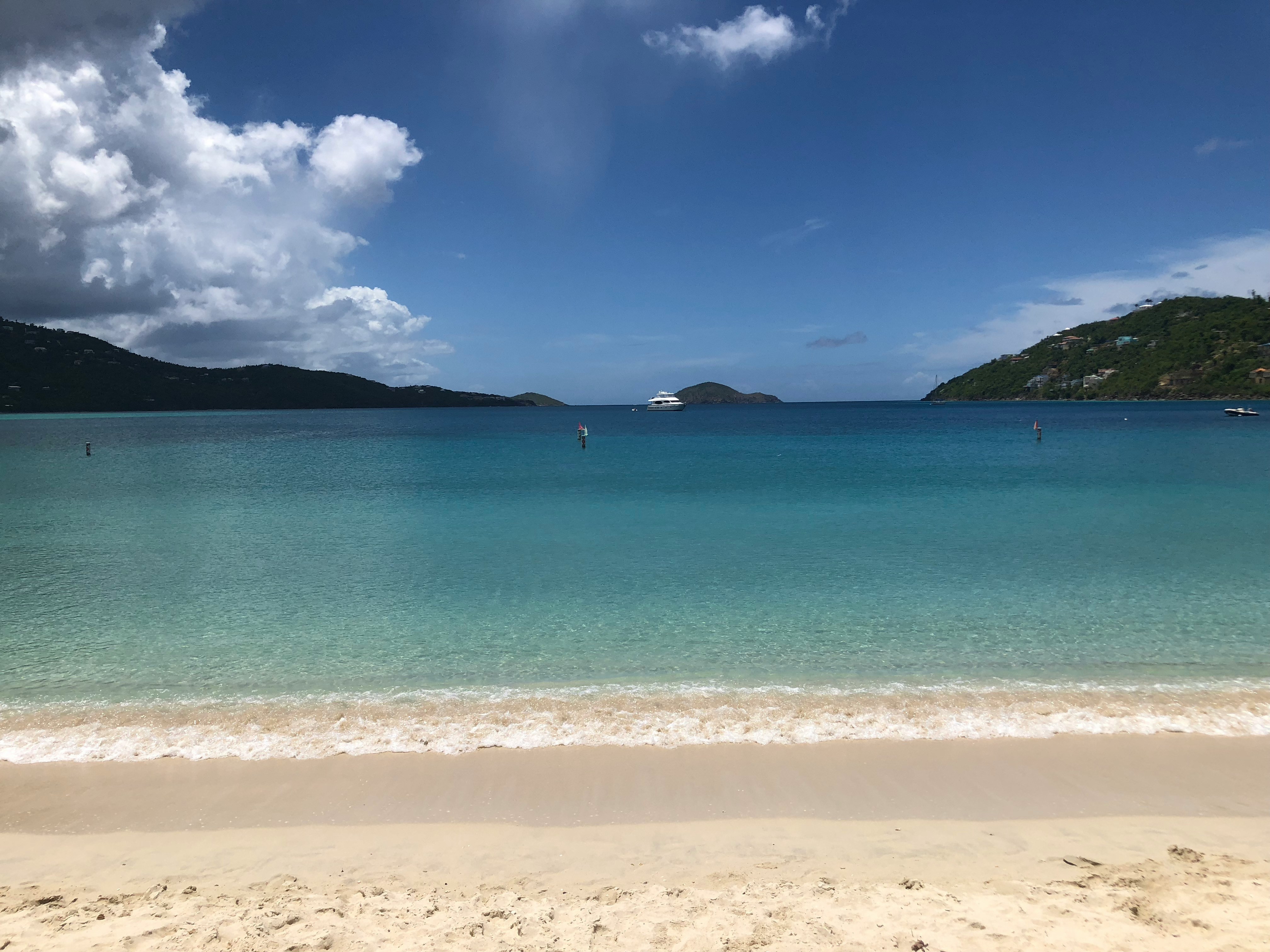
- Trunk Bay, St John: Consistently ranked among the world's most beautiful beaches — a 180 m arc of powdery white sand with an underwater snorkelling trail through elkhorn coral, in the protected waters of the Virgin Islands National Park.
- Charlotte Amalie, St Thomas: The capital and main cruise port — Danish colonial warehouses converted to duty-free shopping, the 1672 Blackbeard's Castle, and spectacular views of the harbour from the hillside. The gateway to the British Virgin Islands by ferry.
- Buck Island Reef, St Croix: A UNESCO-equivalent national monument — an elkhorn coral reef system surrounding a small island, with an underwater snorkelling trail. One of the finest snorkelling experiences in the eastern Caribbean.
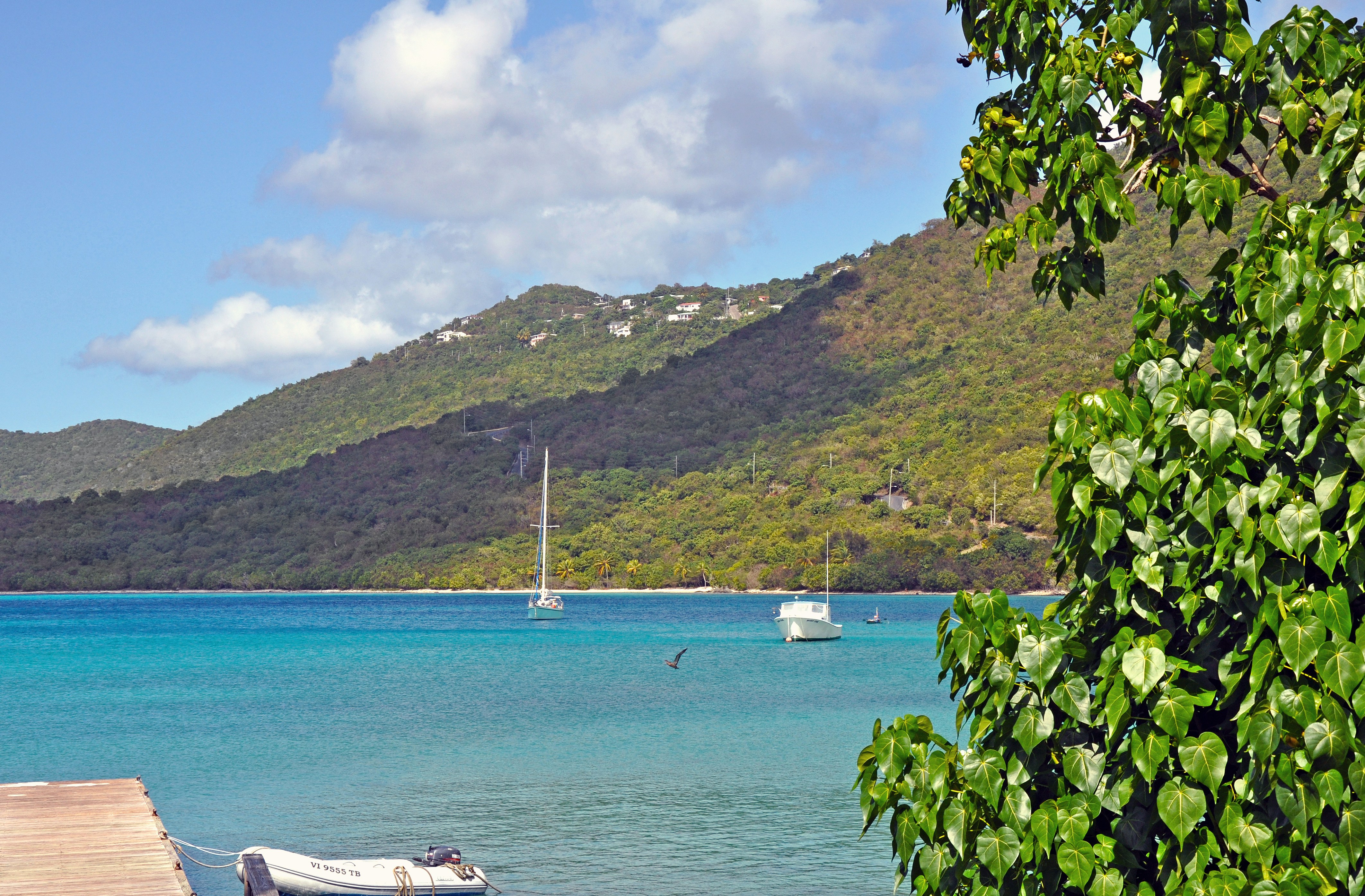
- Sailing the BVI: St Thomas and St John are the starting point for sailing charters into the British Virgin Islands — the Sir Francis Drake Channel offers some of the finest sailing in the world, with sheltered waters, consistent trade winds, and dozens of anchorages.
Cuisine
- Caribbean fusion: USVI cuisine blends African, Danish, Spanish, and American influences — kallaloo (a leafy green soup with crab and okra), fungi (cornmeal cooked with okra, the national side dish), and pates (fried turnover pastries filled with saltfish or beef) are the most distinctively Virgin Islander dishes.
- Seafood & rum cocktails: Fresh-caught lobster, conch fritters, grilled mahi-mahi, and whelk stew reflect the islands' Caribbean seafood tradition. Cruzan Rum (distilled on St Croix since 1760) is the local spirit — the Painkiller cocktail (rum, pineapple, orange, coconut cream) was invented in the neighbouring BVI and is ubiquitous.
Traditions & Culture
- Carnival: St Thomas Carnival (April–May) and St Croix's Christmas Festival (late December–early January) are the islands' two great celebrations — steel pan music, mocko jumbies (stilt dancers), jouvert (pre-dawn street parade), and the cultural diversity of the Caribbean on full display.
- Danish heritage: The USVI's 245 years of Danish rule left a cultural and architectural legacy unique in the Caribbean — the yellow and ochre colonial buildings, Lutheran churches, and the meticulous Danish record-keeping that makes USVI history unusually well-documented.
Climate
- Tropical Caribbean: Warm and pleasant year-round (26–31°C). The dry season (December–April) is the peak tourist season with lower humidity. Hurricane season June–November; the USVI are in the main hurricane belt — August–October carries the highest risk.