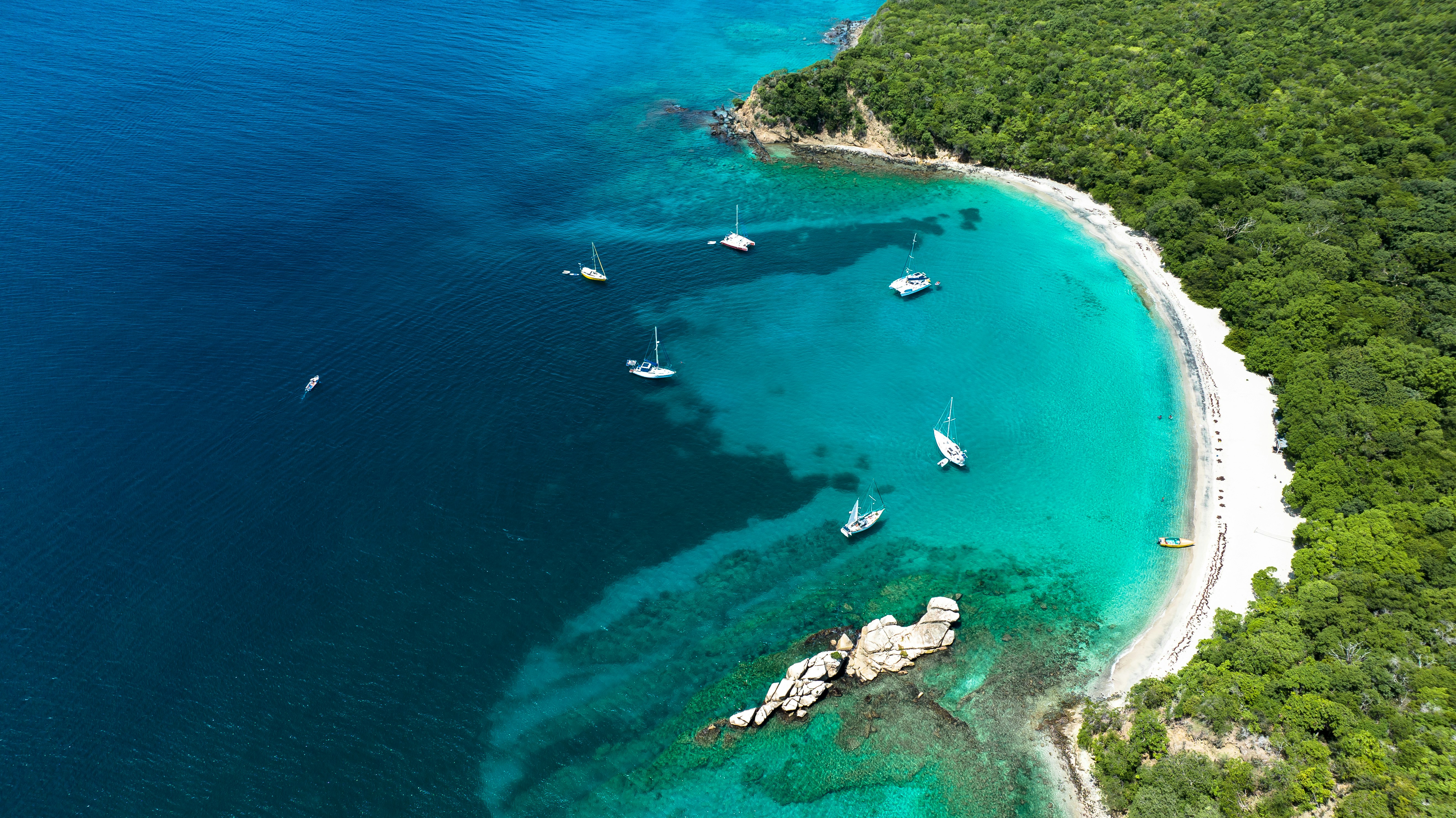
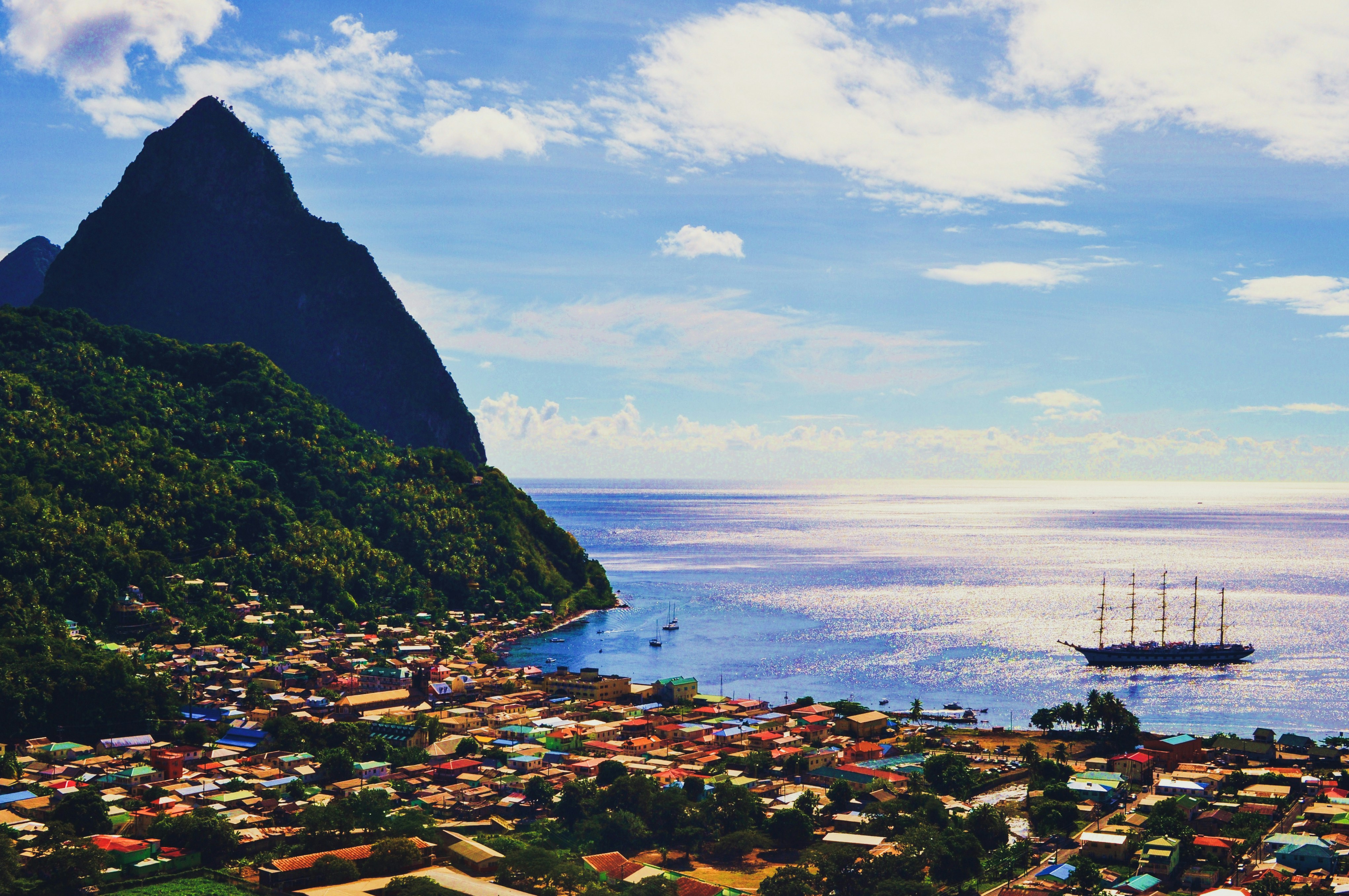
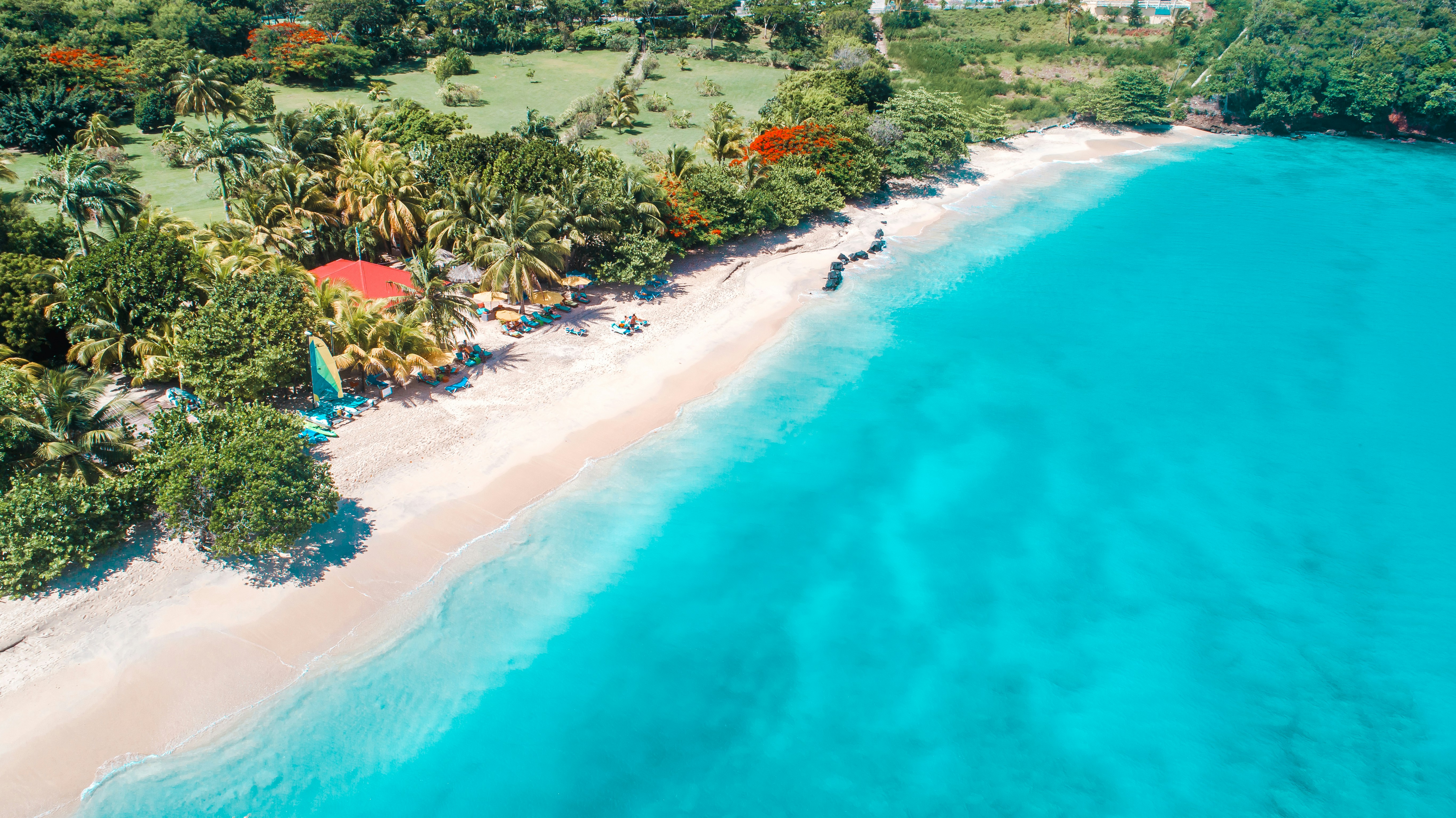
Grenada is the southernmost of the Windward Islands in the Eastern Caribbean — a small, mountainous island of 344 km², plus two smaller inhabited islands (Carriacou and Petite Martinique). Known as the Spice Isle for its production of nutmeg, mace, cinnamon, cloves, and ginger, Grenada was the site of a dramatic 1983 US military intervention following a Marxist coup. Today it is one of the most peaceful, welcoming, and scenically beautiful islands in the Caribbean — with a natural harbour (St George's) consistently ranked among the most beautiful in the world, an extraordinary underwater sculpture park, and a chocolate tradition that has earned international recognition.
Capital: St George's
Population: ~125,000
Area: 344 km²
Currency: Eastern Caribbean Dollar (XCD)
Language: English; Grenadian Creole widely spoken
Independence: 1974 from Britain; member of the Commonwealth
Fascinating Facts
- World's second largest nutmeg producer: Grenada produces approximately 20% of the world's nutmeg — second only to Indonesia. The nutmeg motif appears on the Grenadian flag. After Hurricane Ivan devastated the nutmeg plantations in 2004, Grenada's recovery of its spice industry became a story of remarkable resilience.
- The underwater sculpture park: The Molinere Beauséjour Marine Protected Area off Grenada's west coast contains over 80 life-size sculptures by artist Jason deCaires Taylor submerged on the sea floor — including the famous 'Vicissitudes' ring of children and 'The Lost Correspondent'. The sculptures have become artificial reefs colonised by coral.
- The 1983 US invasion: Operation Urgent Fury — the American military intervention of October 1983, launched after a Marxist coup and the execution of Prime Minister Maurice Bishop — was the largest US military operation since Vietnam. Grenada is the only Caribbean nation to have been invaded by the United States in the modern era.
- Bean-to-bar chocolate pioneer: Grenada Chocolate Company, founded in 1999, pioneered the bean-to-bar craft chocolate movement in the Caribbean — growing, fermenting, roasting, and producing chocolate from Grenadian cacao on a single estate. It remains one of the most admired small chocolate producers in the world.
Nature & Key Destinations
- St George's: Consistently ranked the most beautiful harbour in the Caribbean — the horseshoe-shaped Carenage inner harbour, the Fort George promontory, colourful Georgian warehouses, and the red-roofed market all create a townscape of exceptional charm.
- Grand Anse Beach: A 3 km arc of brilliant white sand with calm turquoise water — one of the finest beaches in the Eastern Caribbean, fronted by a low-rise strip of hotels and restaurants.
- Grand Etang National Park: A crater lake at 530 m surrounded by cloud forest — the hike to the lake passes through nutmeg plantations and bird-filled forest. Mona monkeys introduced from West Africa roam freely around the lake.
- Carriacou: Grenada's largest dependency — a quieter, more traditional island with a boatbuilding tradition of Scottish-African heritage, the Big Drum dance ceremony, and excellent diving on relatively untouched reefs.
Cuisine
- Oil down: Grenada's national dish — breadfruit, salted meat, callaloo leaves, and dumplings cooked slowly in coconut milk spiced with turmeric, saffron, and the island's own spices until the coconut milk is absorbed ('oiled down'). Cooked in a single pot over a wood fire, traditionally shared communally.
- Spice-driven cooking: Grenadian cuisine is perfumed throughout with fresh nutmeg, mace, cinnamon, and cloves from the island's plantations — in fish cakes, rum punch (freshly grated nutmeg is essential), stewed meats, and even ice cream.
- Rum punch & chocolate: Grenadian rum punch with freshly grated nutmeg is the island's signature drink. The craft chocolate of the Grenada Chocolate Company and Crayfish Bay Organic Estate — made from single-estate Trinitario cacao — is among the finest in the Caribbean.
Traditions & Culture
- Carnival (Spicemas): Grenada's carnival — held in August — is known for the jab jab (devil mas) tradition: participants cover themselves in used motor oil, chocolate, or mud and dance through the streets in the pre-dawn J'ouvert. One of the most visceral and uninhibited carnival traditions in the Caribbean.
- Grenada Chocolate Festival: Held each May, the Grenada Chocolate Festival celebrates the island's extraordinary cacao heritage — plantation tours, bean-to-bar demonstrations, chocolate tastings, and the growing international recognition of Grenadian craft chocolate.
Climate
- Tropical Caribbean: Warm year-round (26–30°C). Grenada lies south of the main hurricane track and has historically been less exposed than the northern Windward Islands — though Hurricane Ivan (2004) was a devastating exception. Dry season January–May; wet season June–December. Trade winds provide constant relief.