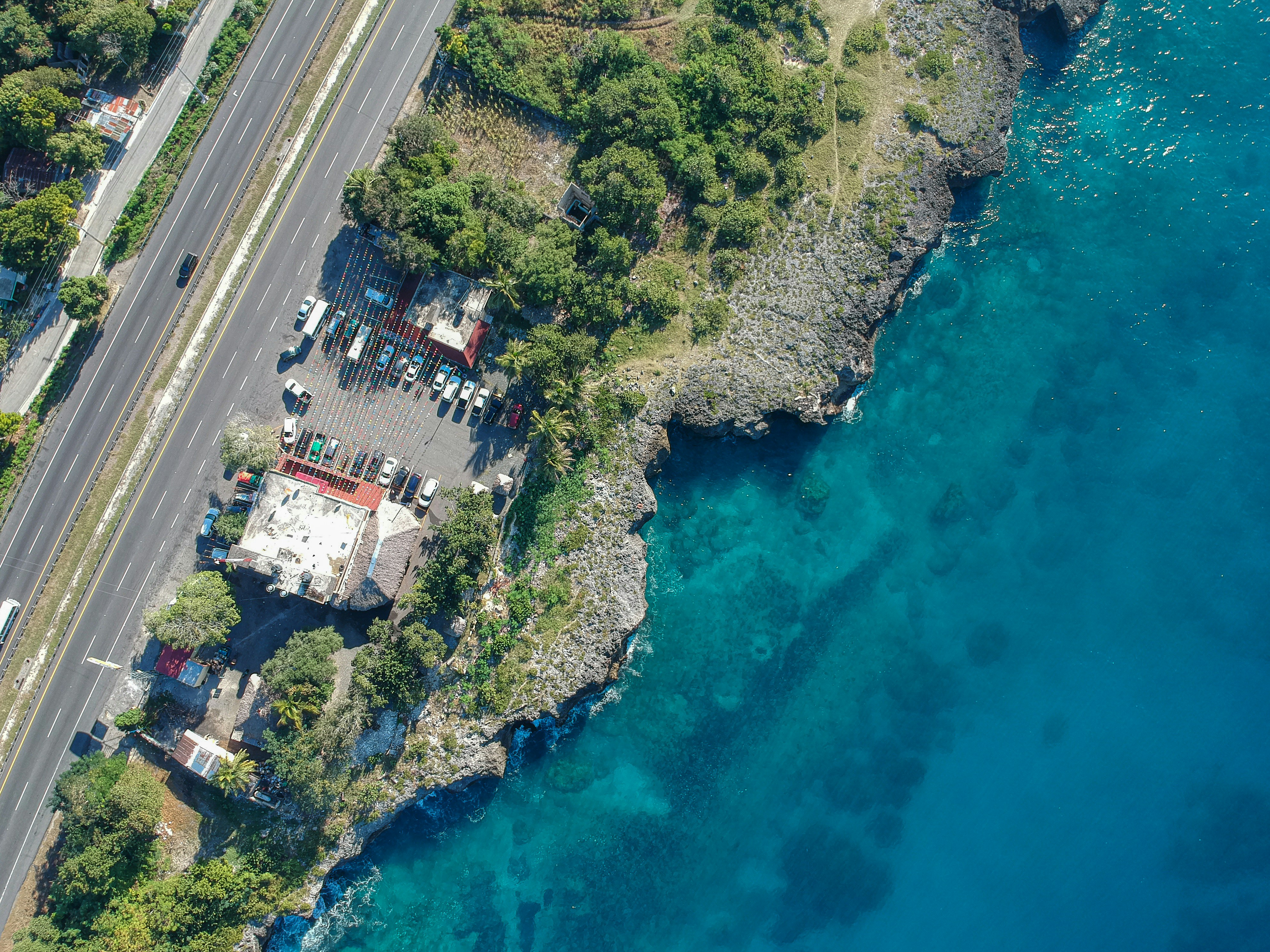
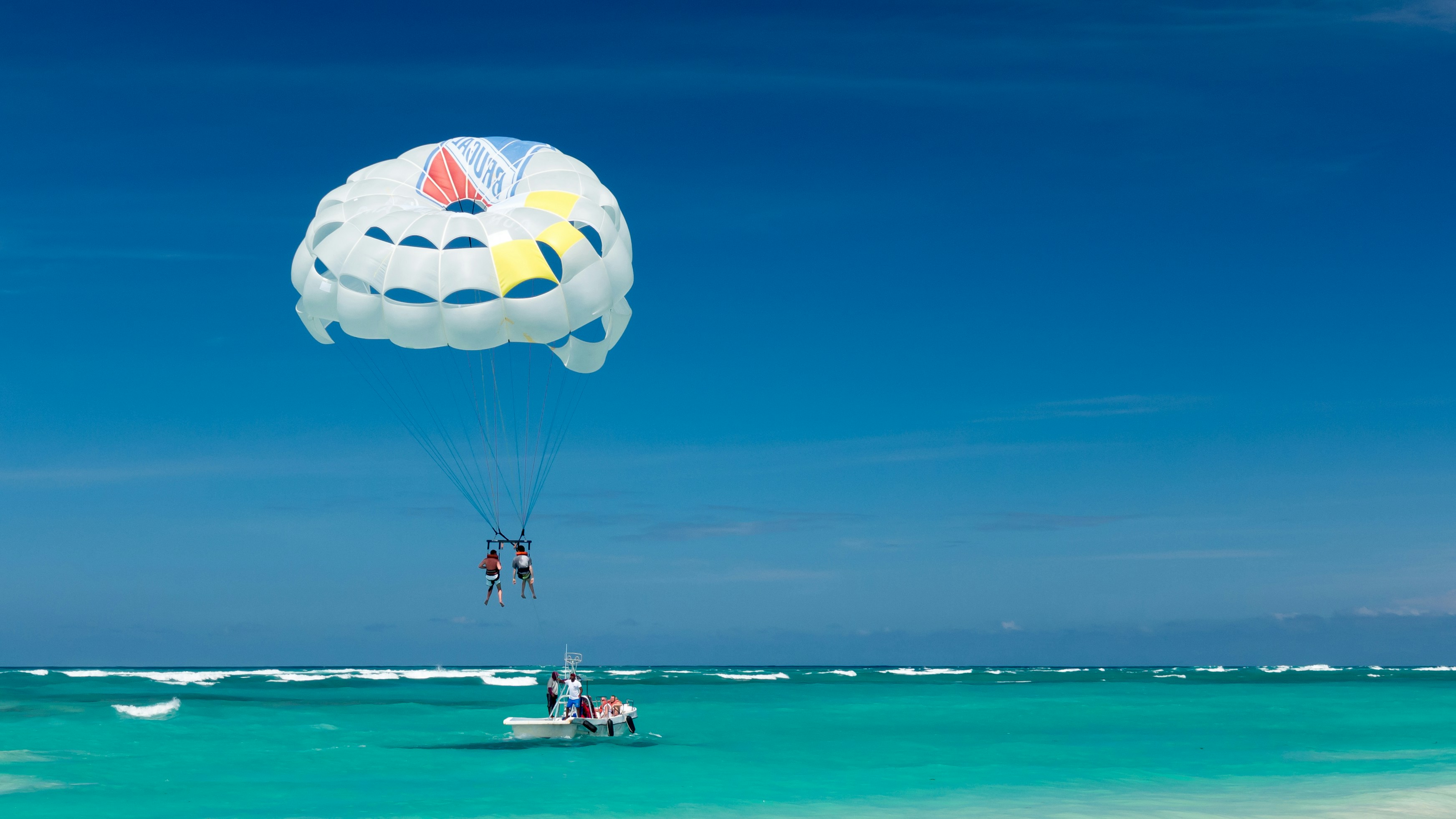
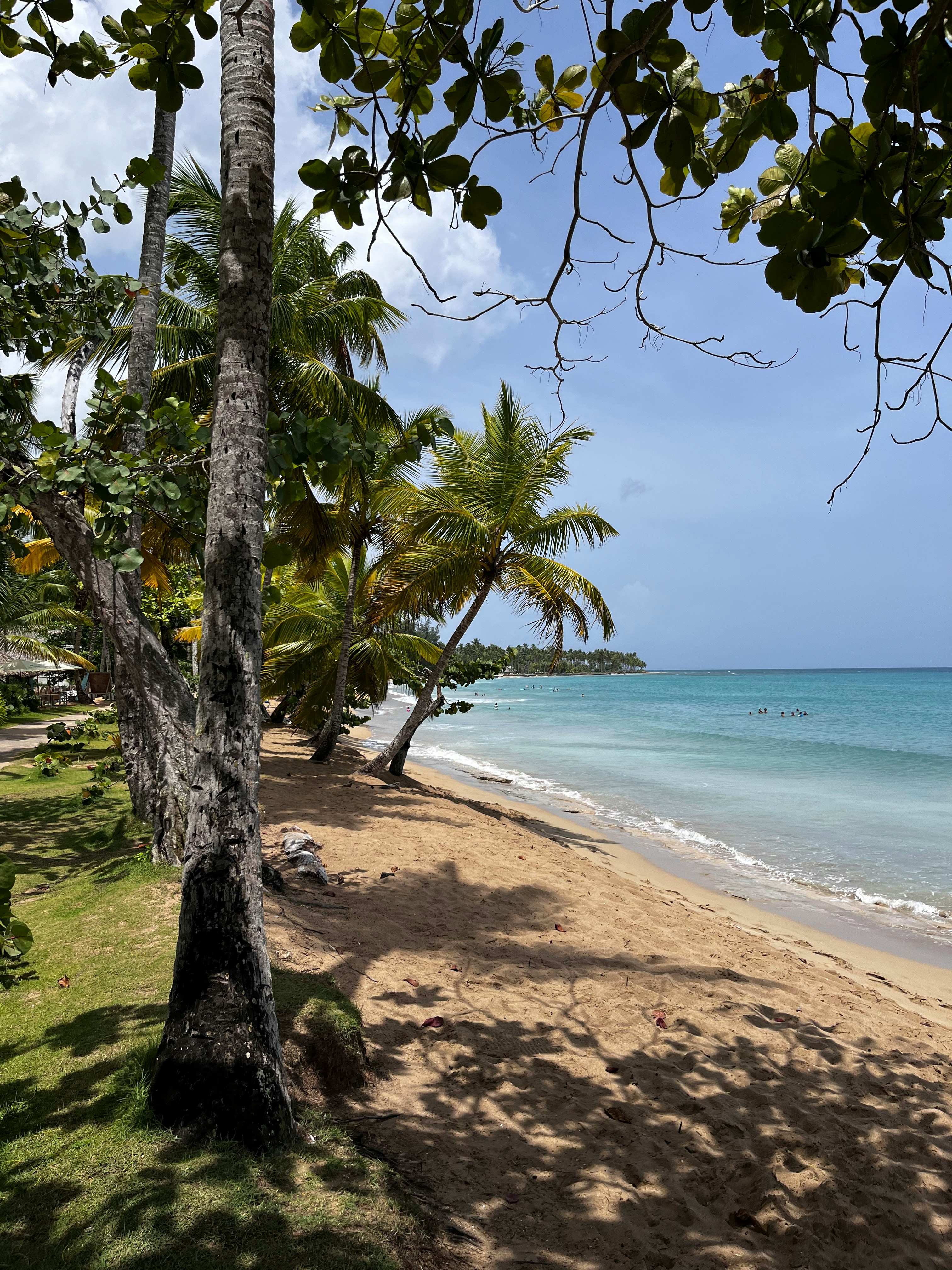
The Dominican Republic occupies the eastern two-thirds of Hispaniola — the island Columbus first colonised in 1492 — and is the most visited country in the Caribbean, receiving over 7 million tourists annually. While Punta Cana's all-inclusive resorts are its best-known face, the Dominican Republic is a country of remarkable variety: the oldest European city in the Americas (Santo Domingo), humpback whale watching in Samaná Bay, the highest peak in the Caribbean (Pico Duarte, 3,098 m), and a culture of merengue and bachata that has spread across the Latin world.
Capital: Santo Domingo — founded 1496, the oldest continuously inhabited European city in the Americas
Population: ~11.1 million
Area: 48,671 km²
Currency: Dominican Peso (DOP)
Language: Spanish
Religion: Predominantly Roman Catholic
Fascinating Facts
- The oldest city in the Americas: Santo Domingo's Colonial Zone — founded by Bartholomew Columbus (Christopher's brother) in 1496 — contains the first cathedral, first university, first hospital, and first paved street in the Americas. The entire colonial city is a UNESCO World Heritage Site.
- Humpback whales of Samaná: Between January and March, up to 3,000 humpback whales gather in Samaná Bay to breed and give birth — one of the largest humpback whale congregations in the world. Whale watching from Las Terrenas and Samaná town is one of the Caribbean's most extraordinary wildlife experiences.
- Birthplace of merengue and bachata: The Dominican Republic gave the world merengue — the fast-paced national dance of swinging hips and shuffling feet — and bachata, the intimate romantic guitar music now danced in clubs worldwide. Both are UNESCO-listed intangible cultural heritage.
- The highest peak in the Caribbean: Pico Duarte (3,098 m) in the central Cordillera Central is the highest mountain in the entire Caribbean — a multi-day trek through pine forests and mountain villages to a summit that can experience near-freezing temperatures.
Nature & Key Destinations
- Punta Cana: The resort capital of the Caribbean — 48 km of white sand beaches (Bávaro, Arena Gorda, Macao) lined with all-inclusive hotels, with the clear warm waters of the Atlantic and Caribbean meeting nearby.
- Santo Domingo Colonial Zone: A UNESCO World Heritage city of firsts — the Catedral Primada de América, the Alcázar de Colón (Columbus's son's palace), the Fortaleza Ozama, and cobblestoned Calle Las Damas. The most historically significant neighbourhood in the Caribbean.
- Samaná Peninsula: Arguably the most naturally beautiful part of the Dominican Republic — Las Terrenas, Las Galeras, and the El Limón waterfall, plus the winter humpback whale migration that fills the bay each January–March.
- Jarabacoa & the mountains: The Dominican Alps — the cool mountain town of Jarabacoa, whitewater rafting on the Yaque del Norte, and the base for the Pico Duarte trek through a landscape unlike anything on the coast.
Cuisine
- La bandera & sancocho: La bandera ('the flag') — rice, stewed red beans, and braised meat — is the Dominican national meal, eaten at lunch daily across all social classes. Sancocho is a rich, slow-cooked stew of seven meats with root vegetables — reserved for celebrations and the definitive expression of Dominican communal eating.
- Mangú & los tres golpes: Mangú — mashed green plantain topped with sautéed onions — is the great Dominican breakfast. Los tres golpes ('the three strikes') adds fried salami, fried cheese, and fried egg to the plate — the most beloved morning meal in the country.
- Mamajuana: The Dominican Republic's legendary herbal spirit — a bottle of rum, red wine, and honey infused with tree bark, roots, and herbs. Believed to have medicinal and aphrodisiac properties, sold everywhere, and offered to every guest as the first and last drink of any visit.
Traditions & Culture
- Merengue & bachata: Merengue is the national music and dance — fast, joyful, and danced with locked hips and shuffling steps. Bachata is the more intimate guitar-driven style of the countryside, now a global phenomenon. Both are heard at every colmado (corner shop), party, and street corner.
- Carnival (February): The Dominican Carnival in La Vega and Santo Domingo — with its elaborate diablos cojuelos (limping devil) costumes of mirrors, bells, and painted masks — is one of the most colourful and energetic carnivals in the Caribbean. Each region has its own distinct mask tradition.
Climate
- Tropical, regionally varied: Punta Cana and the east are warm and dry year-round (27–32°C). The north coast (Samaná, Cabarete) receives more rain. The mountains can be cool (15–20°C). Hurricane season June–November — the Dominican Republic is directly in the hurricane belt. Best December–April for beach visits.