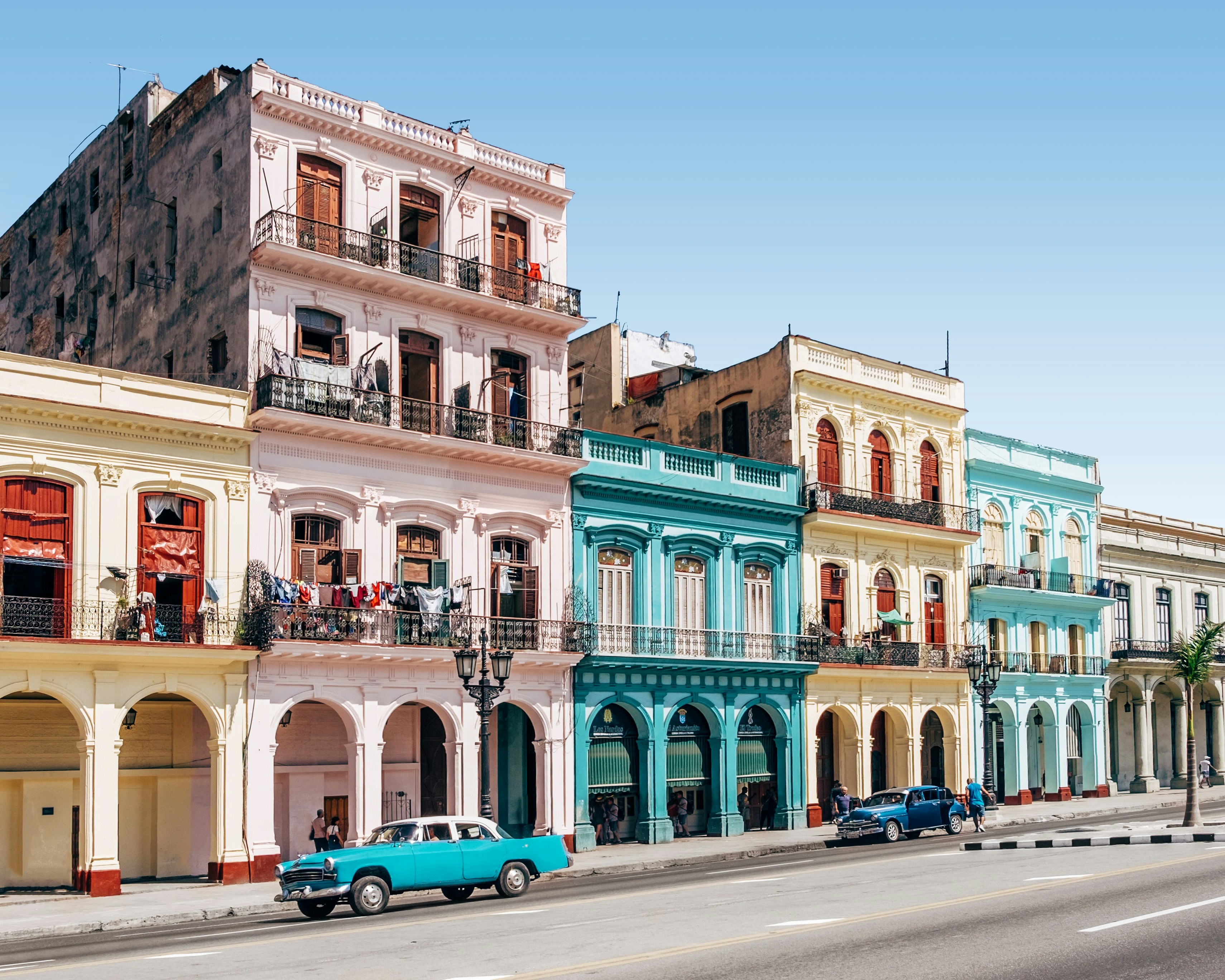
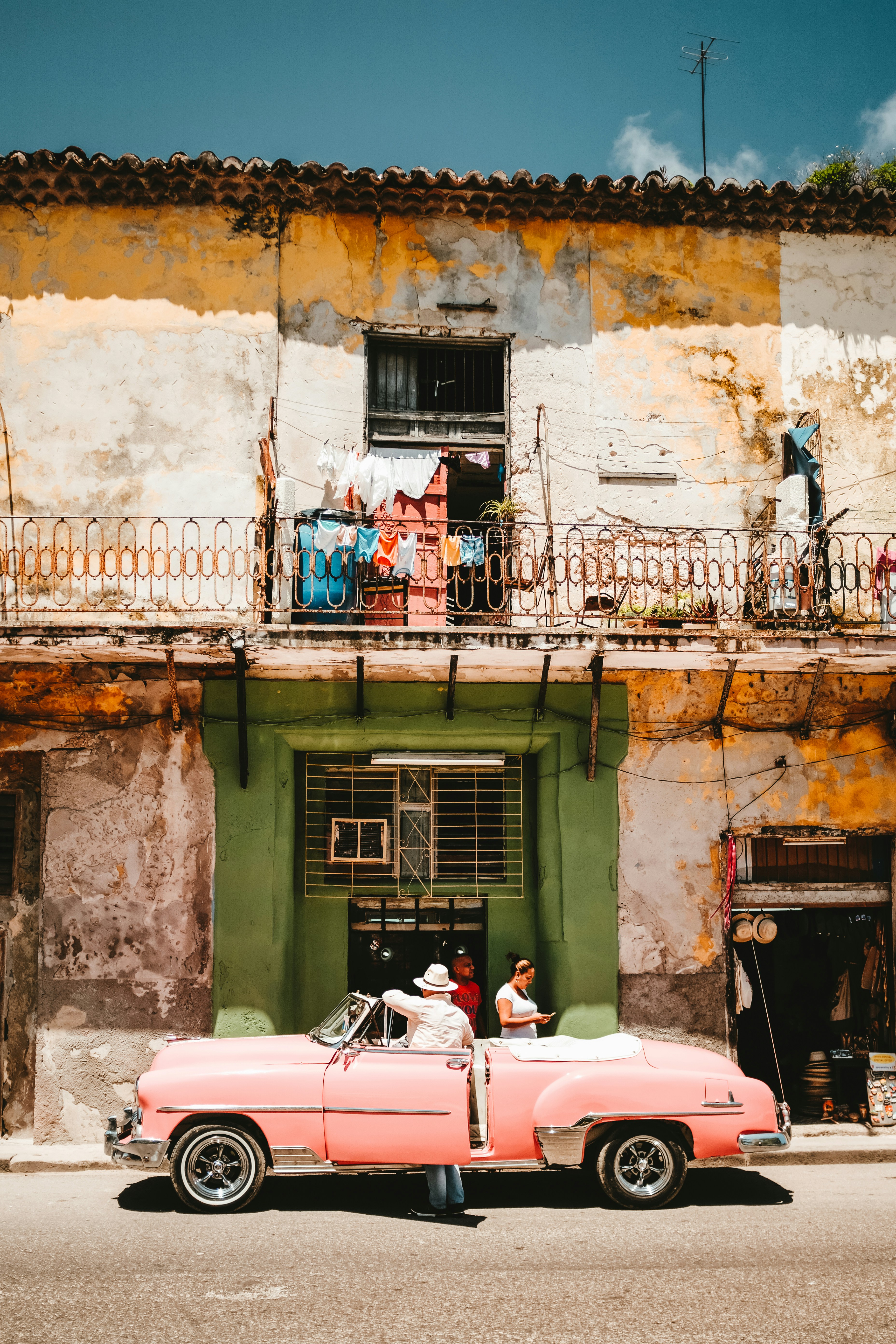
Cuba is the largest island in the Caribbean — a country of extraordinary contradictions: breathtaking colonial architecture slowly crumbling for lack of resources; vintage American cars kept running by ingenuity for over 60 years; a people of remarkable warmth and culture living under one of the world's last communist systems. The Cuban Revolution of 1959 frozen the island in a particular moment, and that very stasis has become its most remarkable quality — a living museum of the mid-20th century, wrapped in tropical heat, music, and rum.
Capital: Havana (La Habana)
Population: ~11 million
Area: 109,884 km²
Currency: Cuban Peso (CUP)
Language: Spanish
Religion: Syncretic — Roman Catholicism blended with Santería (Afro-Cuban Yoruba tradition)
Fascinating Facts
- The world's finest cigars: Cuban cigars — grown in the Vuelta Abajo region of Pinar del Río — are universally acknowledged as the world's best. The specific combination of soil, climate, and centuries of expertise produces a flavour impossible to replicate elsewhere. Cohiba, Montecristo, and Partagás are the most celebrated brands.
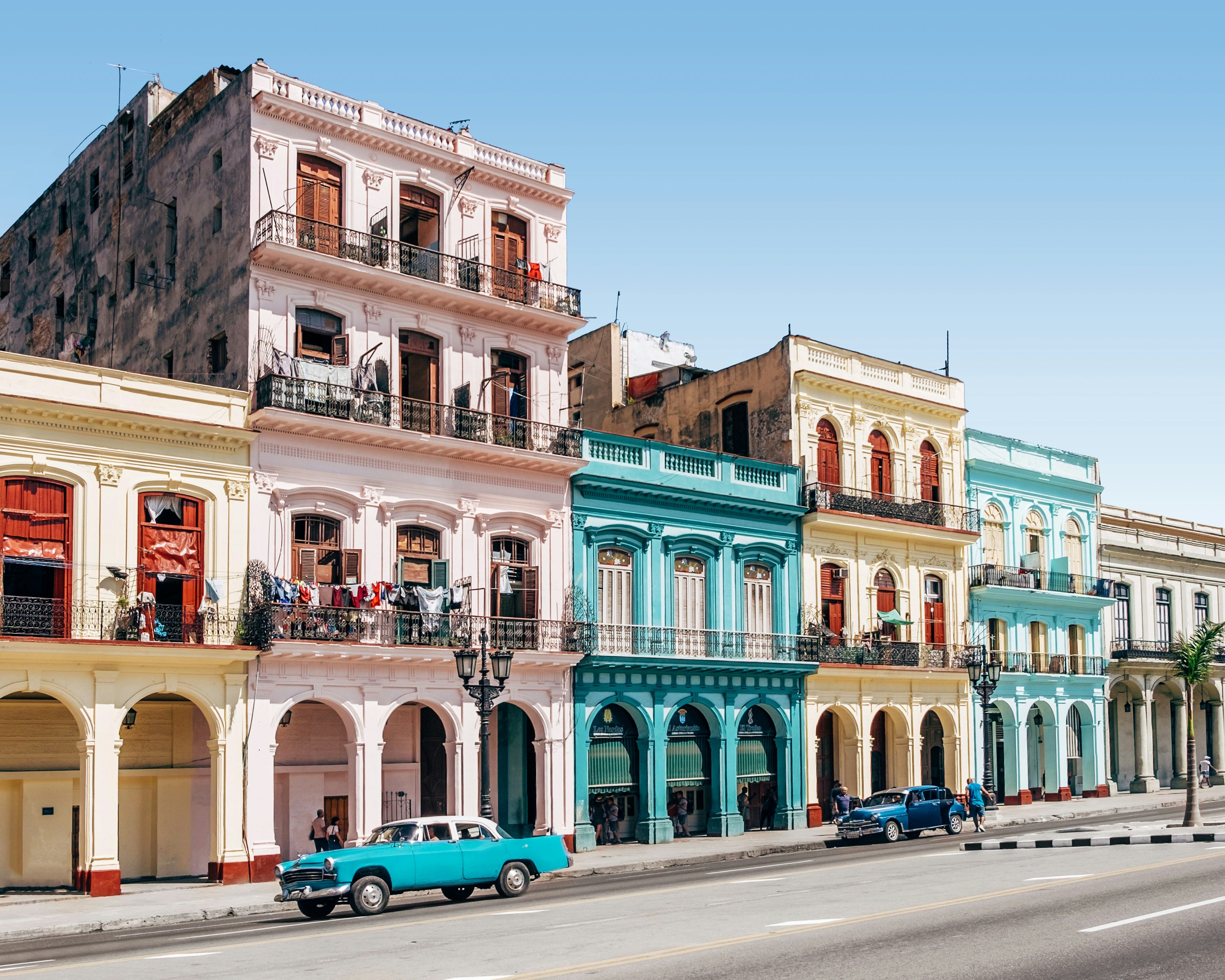
- Classic cars as a living museum: After the US trade embargo (1962), spare parts became unavailable — so Cubans kept their American cars running through extraordinary mechanical ingenuity. Today approximately 60,000 pre-1960 American cars still drive the streets of Cuba, making it the world's largest open-air vintage car museum.
- Hemingway's Cuba: Ernest Hemingway lived in Cuba for 22 years (1939–1961), writing The Old Man and the Sea at his Finca Vigía estate and drinking daiquiris at El Floridita and mojitos at La Bodeguita del Medio in Havana. Both bars are now pilgrimage sites.
- Cuba has one of the world's highest literacy rates: After the 1959 Revolution, a mass literacy campaign reduced illiteracy from 25% to under 4% in a single year. Cuba now has a literacy rate of ~99.8% and more doctors per capita than almost any country in the world.
Nature & Key Destinations
- Havana: One of the world's most atmospheric cities — the UNESCO-listed old town of baroque churches and colonnaded mansions, the Malecón seafront promenade, the rum-soaked bars of Hemingway legend, and vintage cars at every corner.
- Viñales Valley: A UNESCO World Heritage landscape of dramatic limestone mogotes (rounded hills) rising from tobacco fields in Pinar del Río province — cave systems, horse riding through the valley, and the working tobacco farms where Cuban cigars begin.
- Trinidad: The best-preserved colonial city in the Caribbean — cobblestoned streets, pastel-coloured mansions, and the Plaza Mayor unchanged since the 18th century. A UNESCO World Heritage Site surrounded by the Escambray Mountains and Caribbean beaches.
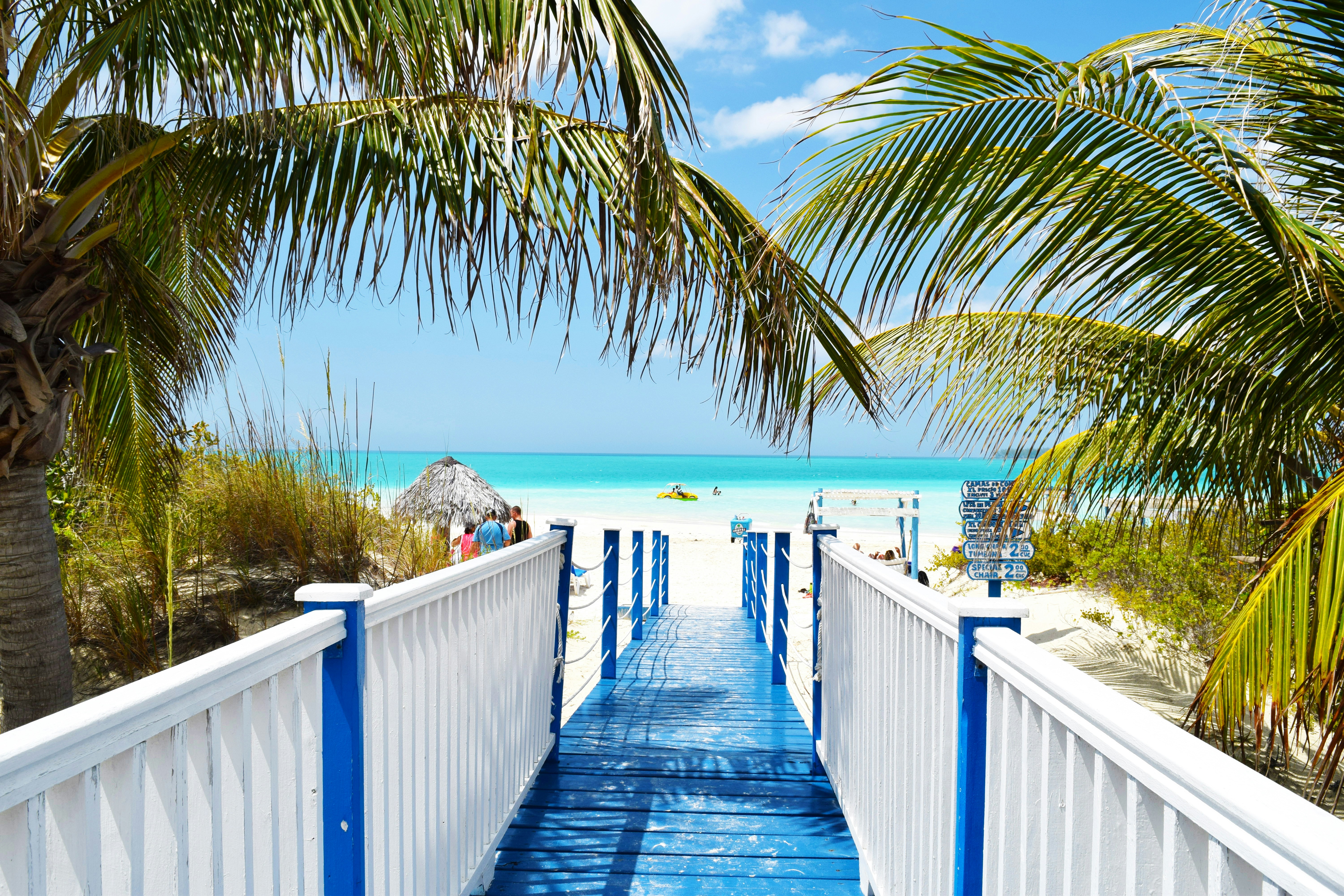
- Varadero & the keys: Cuba's premier beach destination — 20 km of white sand and turquoise Caribbean water. The offshore keys (Cayo Coco, Cayo Guillermo) offer some of the Caribbean's finest snorkelling and flamingo lagoons.
Cuisine
- Ropa vieja & moros y cristianos: Ropa vieja ('old clothes') — shredded slow-cooked beef in tomato and pepper sauce — is Cuba's national dish. Moros y cristianos ('Moors and Christians') — black beans and white rice cooked together — is the essential accompaniment to every Cuban meal.
- Cuban sandwich & street food: The Cuban sandwich (roast pork, ham, Swiss cheese, pickles, and mustard in pressed bread) originated in Tampa and Havana in equal measure. Street food centres on pan con lechón (roast pork on bread) and croquetas de jamón.
- Rum & cocktails: Cuban rum — Havana Club, Santiago de Cuba, Ron Varadero — is the world's most celebrated. The daiquiri (rum, lime, sugar, crushed ice) was perfected at El Floridita in Havana; the mojito (rum, lime, sugar, mint, soda) at La Bodeguita del Medio. Both are Cuban gifts to world cocktail culture.
Traditions & Culture
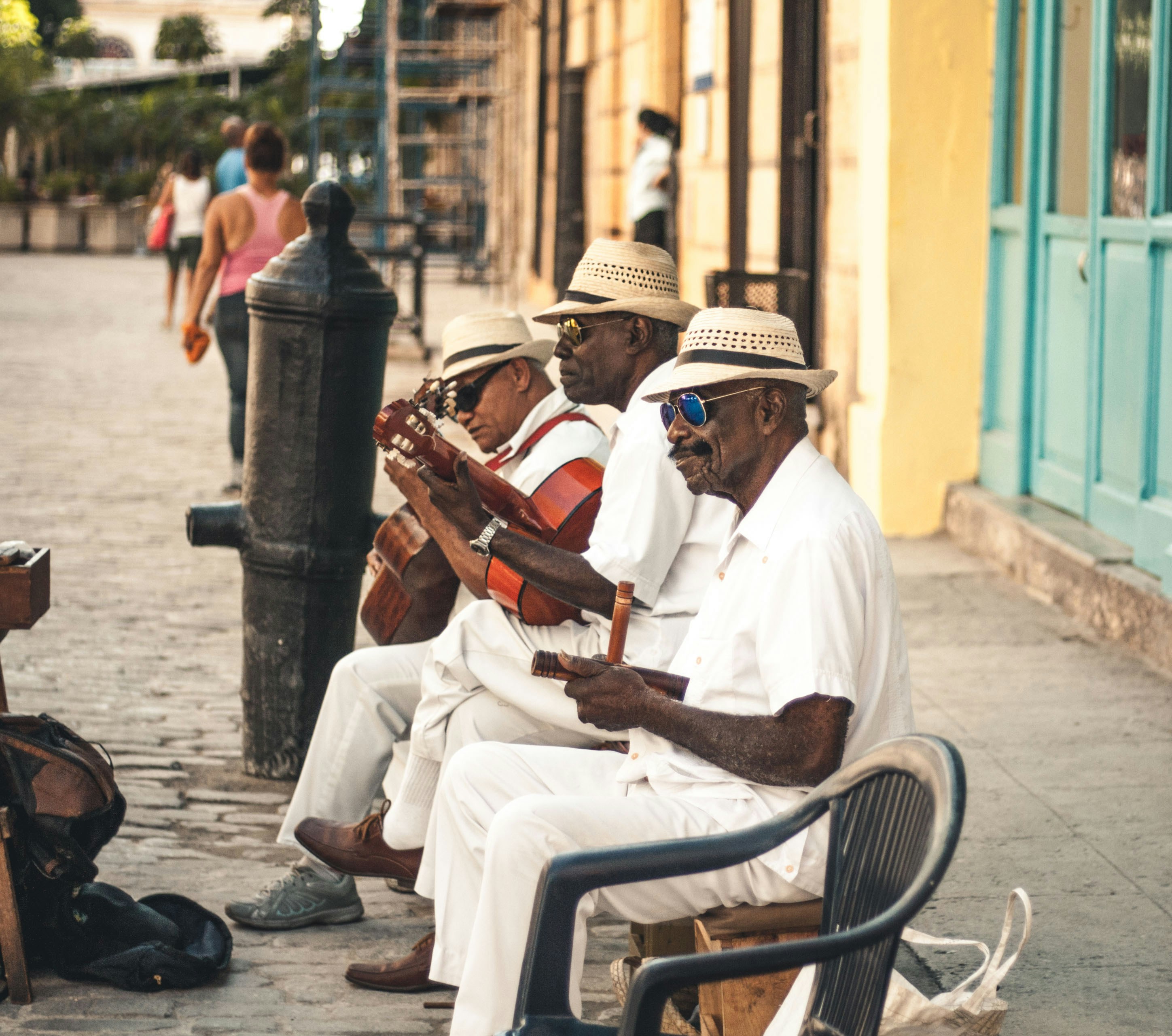
- Music — son, salsa, and beyond: Cuba's musical contribution to the world is incalculable — son (the root of salsa), rumba, mambo, cha-cha-chá, bolero, and nueva trova all originated here. Music spills from every doorway; the Buena Vista Social Club recordings introduced the world to Cuba's greatest traditional musicians.
- Santería: The Afro-Cuban religion brought by Yoruba enslaved peoples — blending Catholic saints with Orisha deities — is practised by a significant portion of the population alongside Catholicism. Its ceremonies, divination practices, and music are central to Cuban spiritual and cultural life.
- Carnival de Santiago de Cuba: The oldest and most exuberant carnival in Cuba — held each July in Santiago, with conga drumming, elaborate costumes, and street dancing that lasts all night. More African in character than Havana's culture and among the finest carnivals in the Caribbean.
Climate
- Tropical: Hot and humid year-round (25–32°C). Dry season November–April is the best time to visit — clear skies and lower humidity. Hurricane season June–November; August–October is highest risk. Havana is cooler and breezier than the east.

 Cuba
Cuba