Curaçao is the largest of the ABC islands (Aruba, Bonaire, Curaçao) — a constituent country of the Kingdom of the Netherlands in the southern Caribbean, just 65 km off the Venezuelan coast. Its capital, Willemstad, is one of the most visually distinctive cities in the Caribbean: a UNESCO World Heritage collection of Dutch colonial townhouses painted in vivid tropical colours, reflected in the Sint Annabaai harbour. Curaçao combines Dutch administrative efficiency with a genuinely warm, multicultural Caribbean culture — over 50 nationalities live on the island — and some of the finest shore diving in the entire Caribbean.
Capital: Willemstad — UNESCO World Heritage Site
Population: ~160,000
Area: 444 km²
Currency: Netherlands Antillean Guilder (ANG)
Languages: Papiamentu, Dutch, English, and Spanish — all four widely spoken
Status: Constituent country of the Kingdom of the Netherlands (self-governing)
Fascinating Facts
- The origin of blue curaçao: The world-famous blue curaçao liqueur is made from the dried peel of the laraha — a bitter orange that grows only on Curaçao, descended from Valencia oranges that adapted to the dry, rocky soil. The Senior Curaçao Liqueur distillery in Willemstad has been producing it since 1896 and is open for tours.
- Willemstad's floating pontoon bridge: The Queen Emma Bridge in Willemstad is one of the world's few operational pontoon bridges — a floating walkway of 16 pontoons that swings open to allow ships to pass through to the inner harbour. Pedestrians cross free; motor vehicles pay a toll of 1 cent.
- The oldest Jewish congregation in the Americas: The Mikvé Israel-Emanuel Synagogue in Willemstad (1732) is the oldest continuously functioning synagogue in the Americas. Curaçao's Sephardic Jewish community, descended from Portuguese Jews who fled the Inquisition, played a central role in the island's commercial history.
- 50+ nationalities, 50+ languages: Curaçao has residents from over 50 countries, speaking over 50 languages. The result is a cultural mix unique in the Caribbean — Dutch, Spanish, English, Portuguese, Papiamentu, and a dozen creoles coexist in a single small island.
Nature & Key Destinations
- Willemstad: A UNESCO World Heritage colonial city of extraordinary colour — the Handelskade row of Dutch-colonial townhouses in tropical pastels reflected in the harbour, the floating market, the pontoon bridge, and the Punda and Otrobanda districts on either bank.
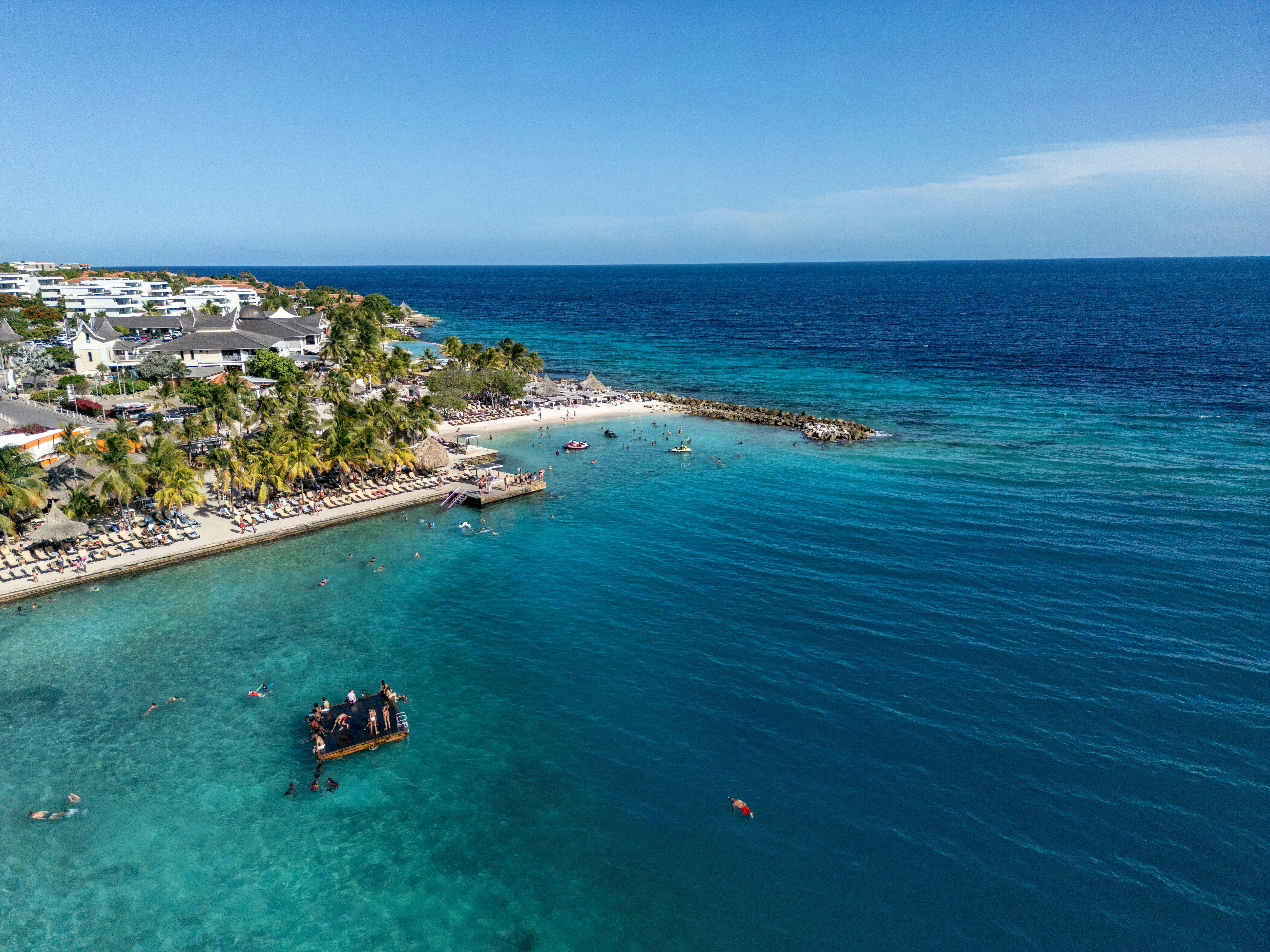
- Shore diving: Curaçao's leeward coast has over 60 accessible shore dive sites — dramatic wall dives beginning just metres from shore, with exceptional visibility and healthy coral. No boat required; some of the most accessible excellent diving in the Caribbean.
- Christoffelpark: A national park covering the island's northwest — Christoffelberg (375 m, Curaçao's highest point), hiking trails through cactus and divi-divi tree landscape, white-tailed deer, and the wild Atlantic northern coast.
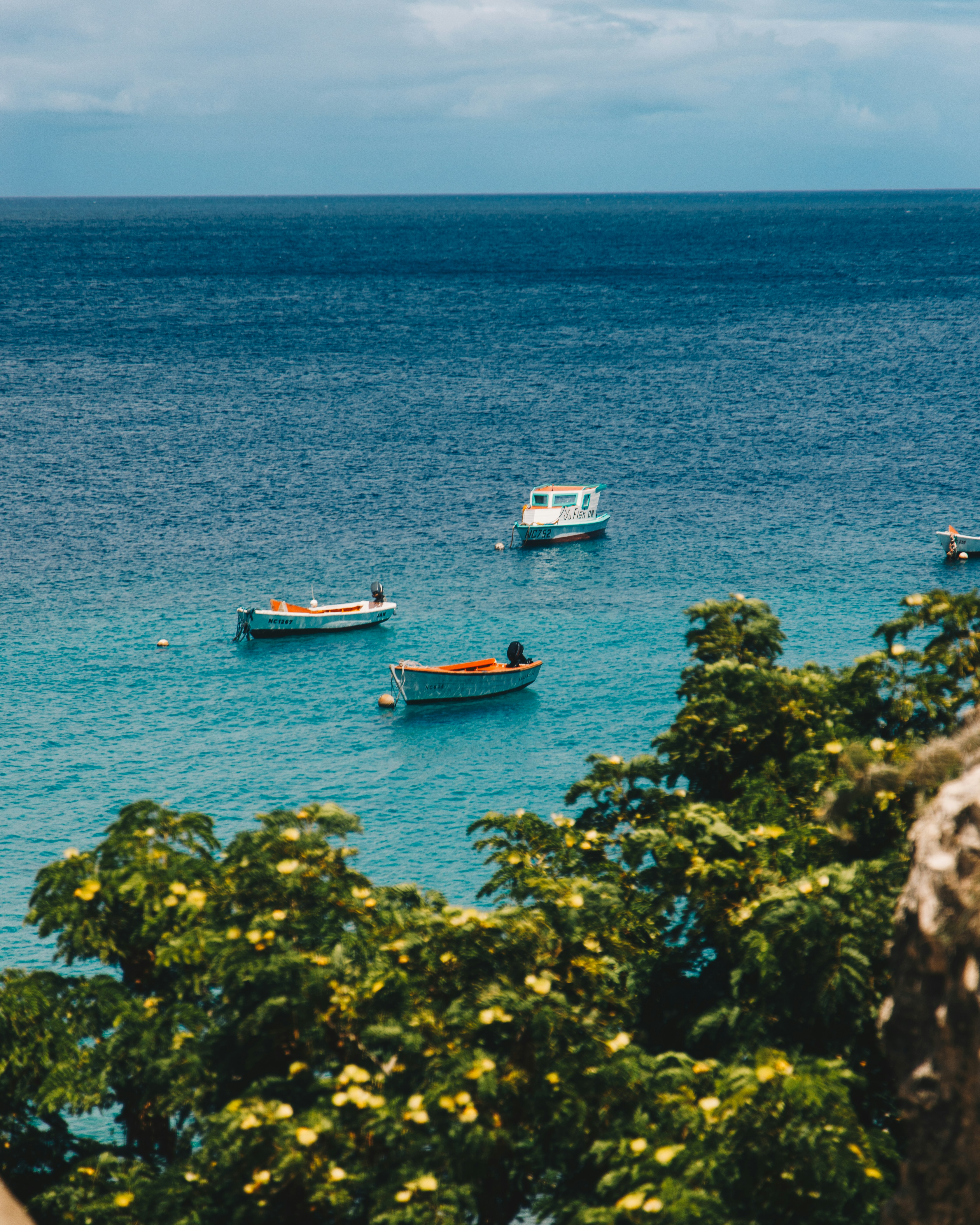
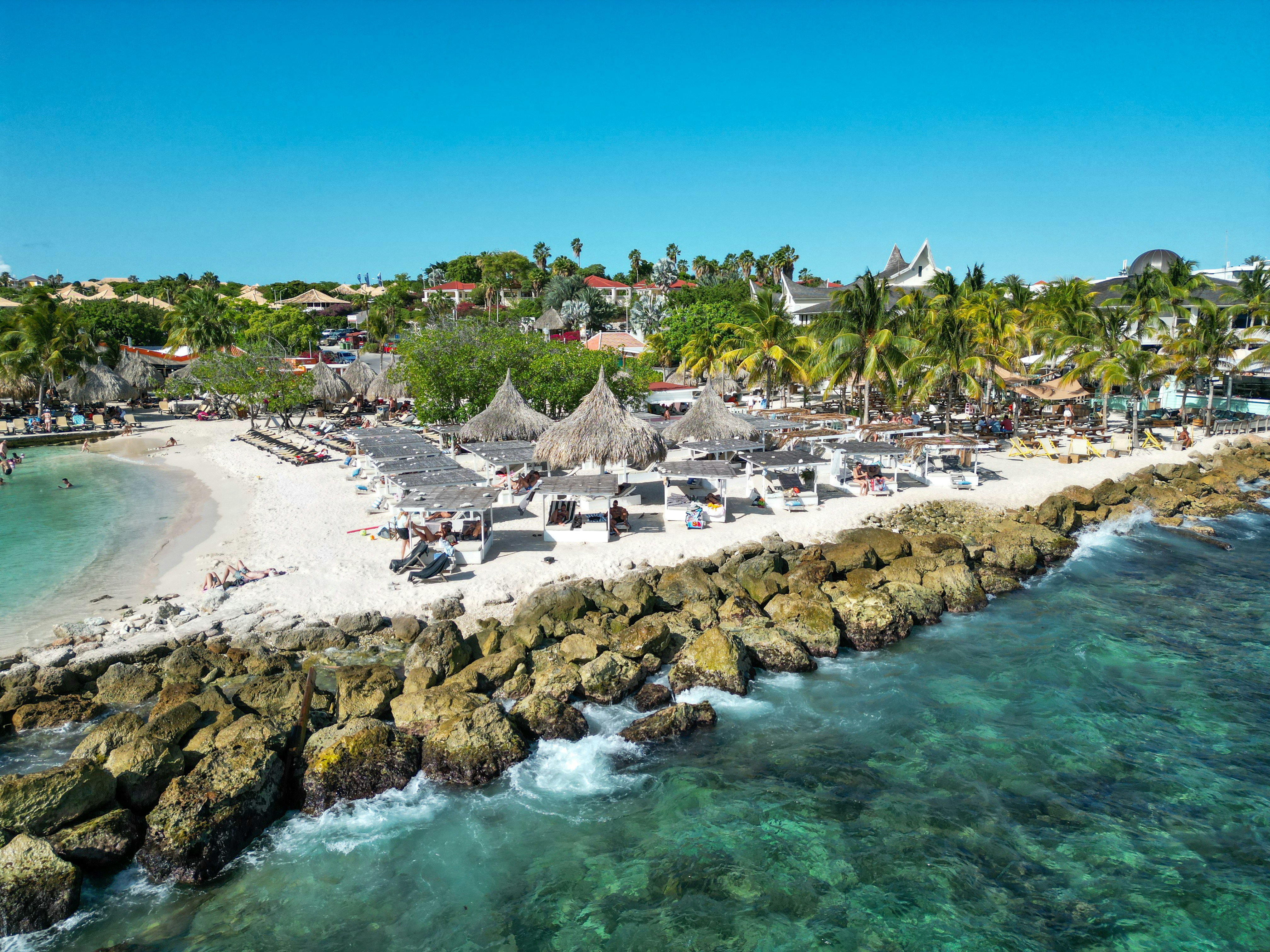
- Cas Abao & Grote Knip beaches: Curaçao's finest beaches — Cas Abao with its boat rental and reef snorkelling, and Grote Knip (Playa Kenepa) with its dramatic cliff backdrop and turquoise water in a sheltered bay.
Cuisine
- Keshi yena & stoba: Keshi yena — a baked Edam cheese shell filled with spiced chicken or meat — is the signature dish of the Dutch Caribbean, with its roots in resourcefulness. Stoba (stew of goat, beef, or iguana with local vegetables) is the island's definitive comfort food, eaten at every family gathering.
- Funchi & fresh seafood: Funchi — cornmeal porridge, the Curaçaoan equivalent of polenta — is the staple side dish, served alongside fresh wahoo, mahi-mahi, or Caribbean lobster. The fishing village of Boca Table offers some of the freshest seafood on the island.
- Blue curaçao cocktails: The island's own liqueur colours cocktails at every beach bar. The Curaçao Sour and the Blue Lagoon are the classics. Senior's Distillery tours conclude with tastings of the full range — from golden to vivid blue.
Traditions & Culture
- Carnival: Curaçao's carnival is one of the Caribbean's most elaborate — weeks of tumba (music competition), road marches, and the grand parade through Willemstad. The tumba festival, in which songwriters compete for the carnival anthem, is the most passionately followed cultural event of the year.
- Seu (harvest festival): A traditional Afro-Curaçaoan thanksgiving ceremony marking the end of the harvest season — participants in distinctive costumes carry symbolic offerings through the streets to the sound of African-derived music. One of the most authentic folk traditions in the Dutch Caribbean.
Climate
- Ideal year-round: Warm and dry (28–32°C) with trade winds providing constant relief. Outside the hurricane belt — Curaçao rarely experiences significant storms. Rainfall is minimal (550 mm/year). Essentially no bad time to visit; the driest and sunniest months are January–September.