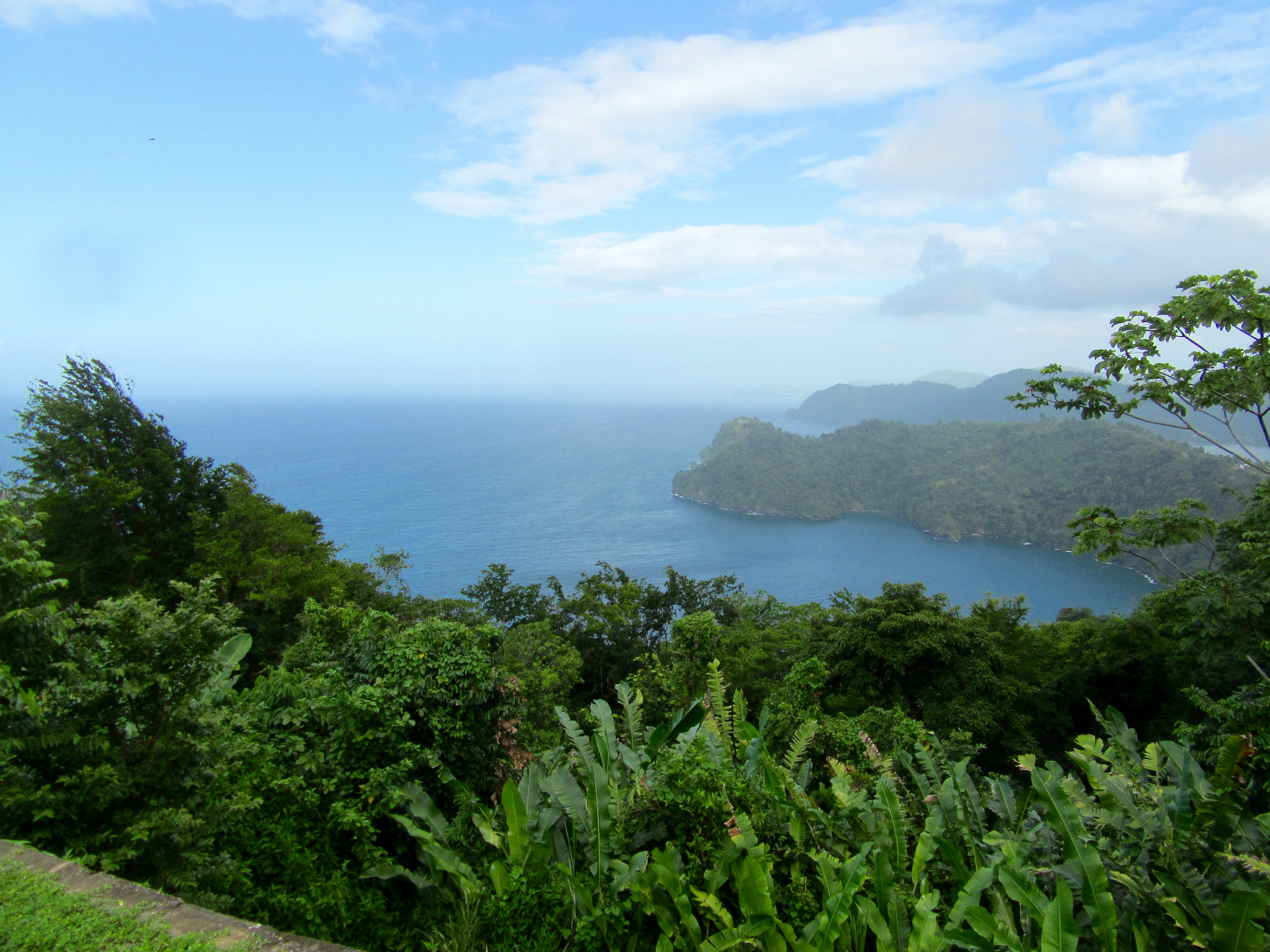
Trinidad and Tobago is a twin-island republic at the southernmost end of the Caribbean — Trinidad, the larger island, sits just 11 km off the Venezuelan coast and has more in common culturally and economically with South America than with the rest of the Caribbean. It is the birthplace of calypso, soca music, and the steel pan (the only acoustic musical instrument invented in the 20th century), and hosts what many consider the greatest carnival in the world. Tobago, 35 km to the northeast, is Trinidad's quieter, more classically Caribbean alter ego — beaches, reef diving, and rainforest, where the pace of life is governed by the sea.
Capital: Port of Spain (Trinidad)
Population: ~1.4 million (approx. 95% on Trinidad)
Area: 5,131 km²
Currency: Trinidad and Tobago Dollar (TTD)
Language: English (official); Trinidad English Creole and Tobagonian Creole widely spoken; Hindi phrases persist in Indo-Trinidadian communities
Independence: 1962 from Britain; became a republic in 1976
Fascinating Facts
- The steel pan — the only instrument invented in the 20th century: The steel pan (steelpan) was developed in Trinidad in the 1930s and 1940s by Afro-Trinidadian musicians who discovered that oil drums, hammered into concave surfaces, could produce a full chromatic scale. It is the only acoustic musical instrument invented in the 20th century, and it is UNESCO-listed.
- The Pitch Lake — the world's largest natural asphalt lake: La Brea Pitch Lake in southwest Trinidad is the largest natural deposit of asphalt in the world — 40 hectares of slowly churning, walkable pitch, up to 75 m deep. Sir Walter Raleigh caulked his ships here in 1595; the pitch has been commercially exported since the 19th century.
- 400 bird species on a small island: Trinidad has recorded over 400 bird species — an astonishing number for an island of its size, due to its proximity to the South American mainland. The Asa Wright Nature Centre in the Northern Range is one of the world's top birdwatching destinations, particularly for the rare oilbird.
- Trinidad carnival — the Greatest Show on Earth: Port of Spain's carnival — held the Monday and Tuesday before Ash Wednesday — is widely considered the greatest carnival in the world. The J'ouvert dawn street party, the Tuesday costume parade, and the soca and calypso competitions that build through the year are its defining elements.
Nature & Key Destinations
- Trinidad Carnival: The two-day carnival culminating on Shrove Tuesday — spectacular costume bands of thousands, soca music at deafening volume, J'ouvert's mud and paint revelry at 4 am, and the competitive calypso and soca monarch competitions that are the cultural soul of the event.
- Asa Wright Nature Centre: A former cocoa estate in the Northern Range cloud forest — veranda birdwatching of extraordinary richness, with hummingbirds, trogons, tanagers, and the rare oilbird colony in the Dunston Cave. One of the world's premier birdwatching lodges.
- Tobago's Buccoo Reef & Nylon Pool: The Buccoo Reef Marine Park — snorkelling over coral gardens, and the Nylon Pool, a shallow mid-sea sandbar of crystal-clear water where legend holds that bathing restores youth. Tobago's reefs are among the best-preserved in the southern Caribbean.
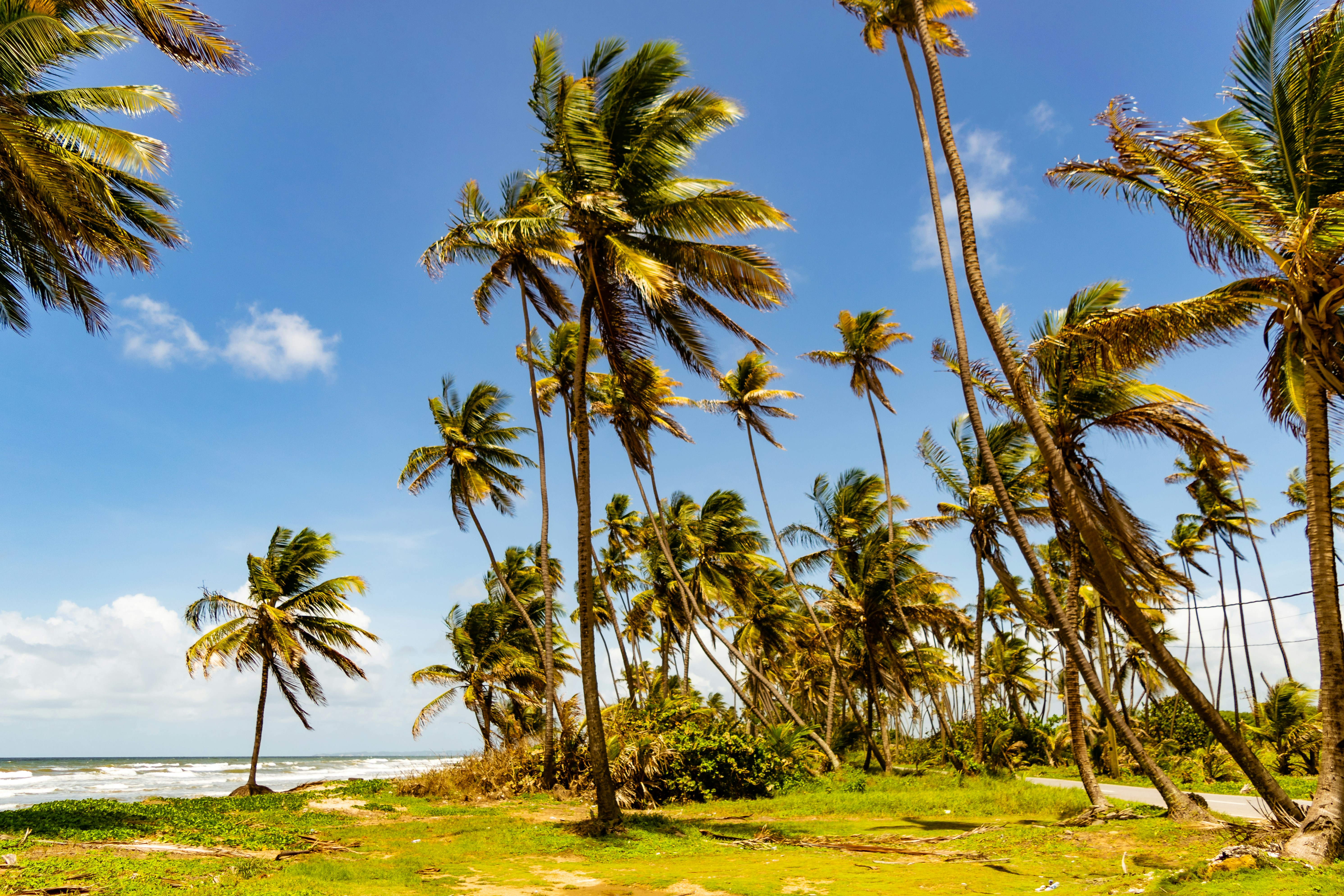
- Pigeon Point & Tobago beaches: Tobago's most photographed beach — a classic Caribbean image of palms over turquoise water. The island's Atlantic coast (Argyle Beach, Bloody Bay) offers wilder, more dramatic scenery for those seeking solitude.
Cuisine
- Doubles & roti: Trinidad's supreme street food — doubles are two bara (fried flatbreads) filled with curried chickpeas, chutney, and pepper sauce, eaten standing at roadside stalls from dawn. The Indian-Trinidadian roti wrap — flatbread filled with curried chicken, goat, or vegetables — is the island's most beloved lunch.
- Pelau & callaloo: Pelau — rice, pigeon peas, chicken or beef, coconut milk, and caramelised sugar cooked together in one pot — is Trinidad's great Sunday dish. Callaloo (dasheen leaves cooked with coconut milk, okra, and crab) is the definitive Trinidadian side dish.
- Rum punch & Carib beer: Trinidad's rum punch — with Angostura bitters (produced in Port of Spain since 1824, the world's most famous bitters) — is a masterclass in balance. Carib lager is the national beer. Sorrel (hibiscus) drink at Christmas and Puncheon rum (overproof, 75%) are the two quintessentially Trinidadian tipples.
Traditions & Culture
- Calypso & soca: Calypso — the witty, politically satirical song tradition born in Trinidad in the 19th century — and its descendant soca (soul-calypso, invented in the 1970s) are the musical foundations of the entire Caribbean. Lord Kitchener, Mighty Sparrow, and David Rudder are the great calypsonians; Machel Montano is soca's reigning monarch.
- Divali & multicultural heritage: Trinidad's extraordinary ethnic diversity — 35% Indo-Trinidadian, 35% Afro-Trinidadian, and significant Chinese, Syrian-Lebanese, Portuguese, and mixed communities — produces a cultural calendar of remarkable richness. Divali is a national public holiday, celebrated with thousands of deyas (clay lamps) lighting up the night.
Climate
- Tropical, south of hurricane belt: Hot and humid year-round (26–32°C). Trinidad is one of the wettest islands in the Caribbean — the wet season (June–December) brings heavy rain. Tobago is drier. Crucially, both islands sit south of the main hurricane track — direct hits are rare. Best January–May for dry weather and carnival season.