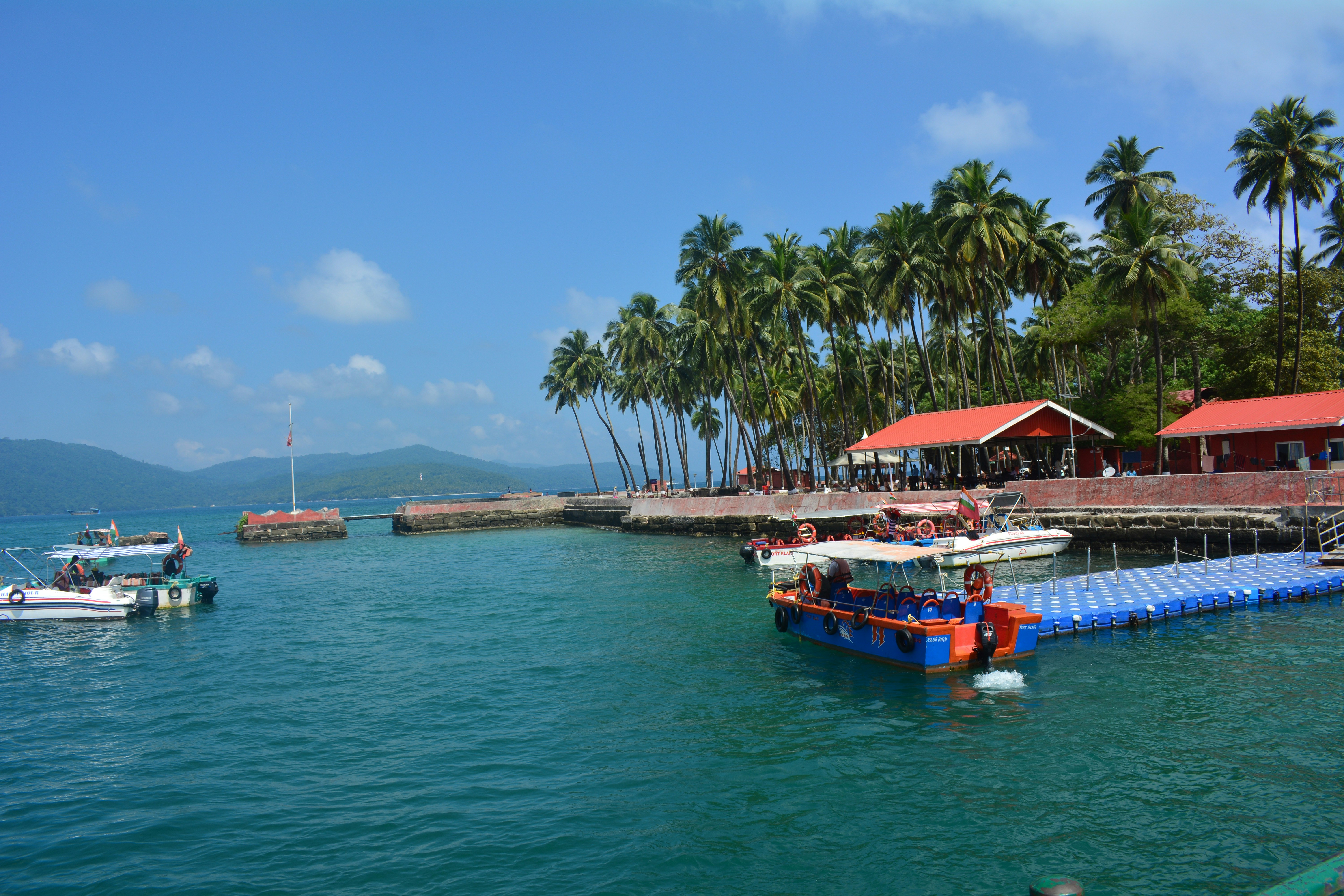
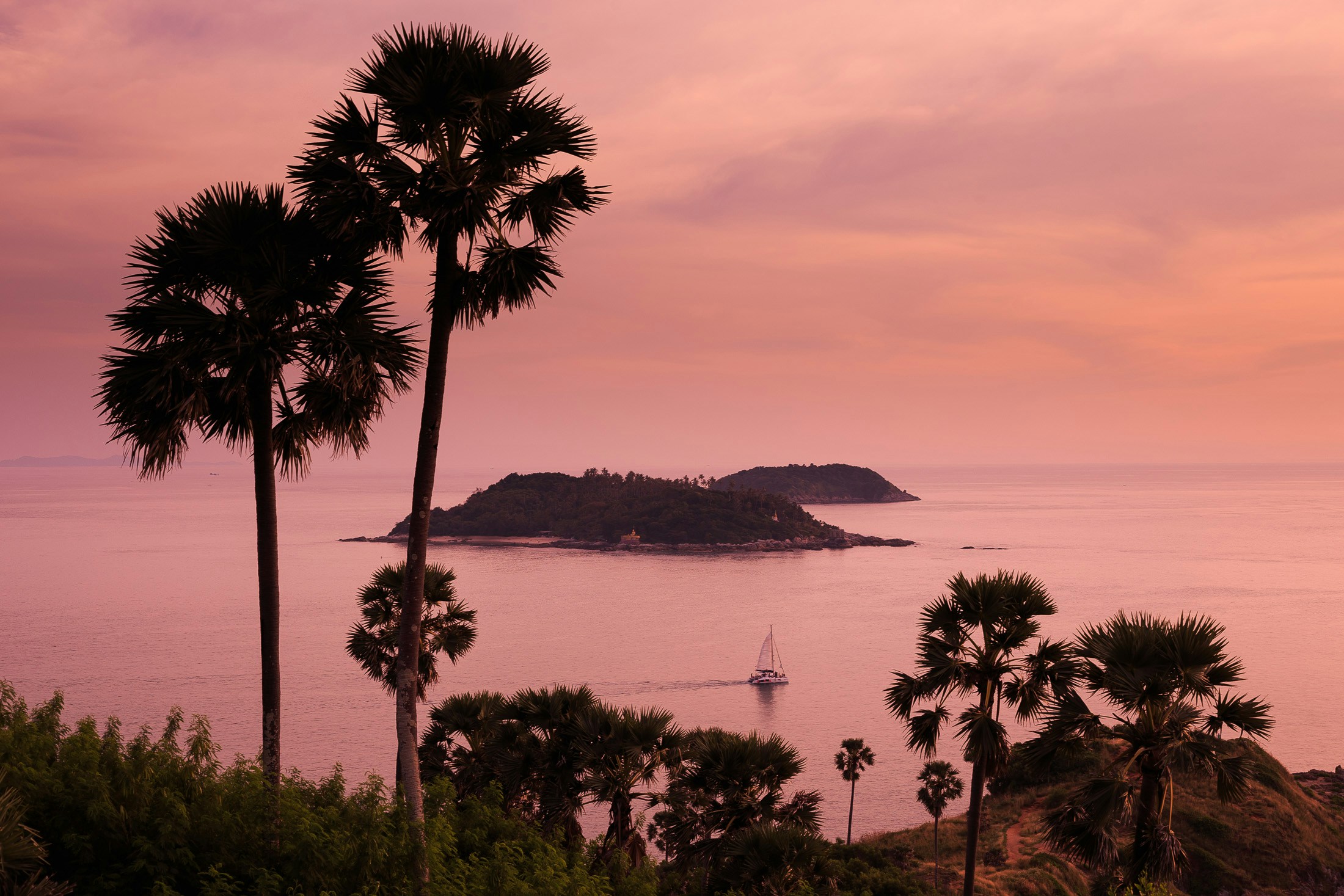
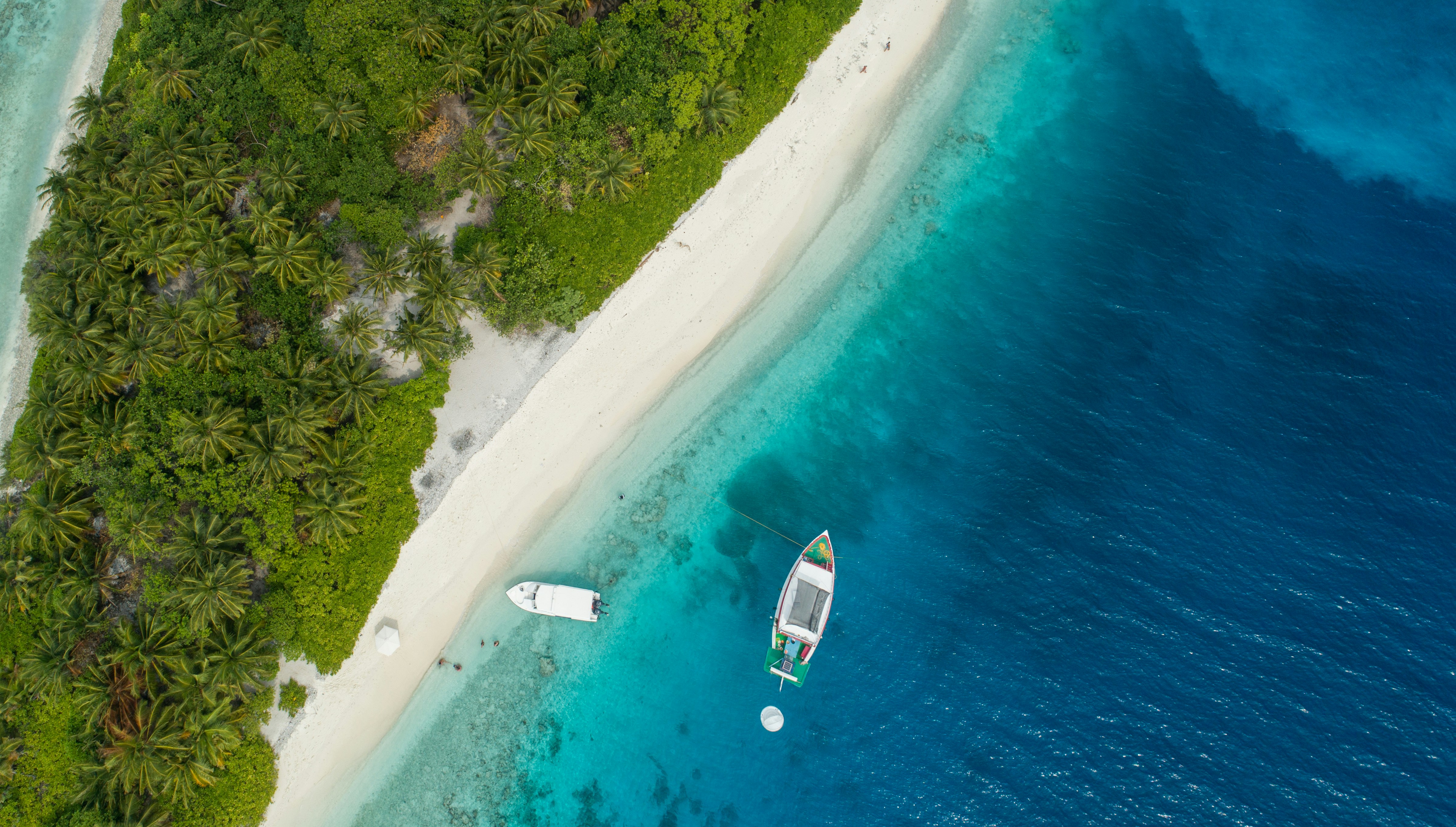
The Cocos (Keeling) Islands are an Australian external territory of 27 coral islands arranged in two atolls in the Indian Ocean — 2,750 km northwest of Perth and 900 km south of Java — with a total land area of just 14.2 km². Permanently populated since 1826 (by John Clunies-Ross, a Scottish sailor, and later by Malay workers he brought to cultivate coconut plantations), the islands have been an Australian territory since 1955. Today approximately 600 people live there, divided between the mostly Malay Muslim community of Home Island and a small Australian settlement on West Island. The lagoon's clarity, the reef's extraordinary marine biodiversity, and the islands' radical isolation make them one of the Indian Ocean's most singular destinations.
Territory: Australian external territory — administered from Canberra
Population: ~600 permanent residents on two inhabited islands
Area: 14.2 km² of land across 27 coral islands
Currency: Australian Dollar (AUD)
Languages: English (official); Cocos Malay — a distinct dialect of Malay, the first language of the Cocos Malay community
History: Uninhabited until 1826; Clunies-Ross family rule 1827–1978; Australian territory 1955; integrated as Cocos Malay community self-governance 1978–present
Fascinating Facts
- Darwin's living laboratory: Charles Darwin visited the Cocos (Keeling) Islands in April 1836 during the voyage of the Beagle — the atolls provided him with the evidence he needed to develop his theory of atoll formation: that coral atolls are built on the rims of slowly subsiding volcanic seamounts, as coral grows upward to maintain its depth in the photic zone while the volcanic rock below sinks. Darwin's 1842 monograph on coral reefs, based in part on his Cocos observations, was his first major scientific publication and remains one of geology's most elegant theoretical contributions.
- The Clunies-Ross dynasty: The Clunies-Ross family (Scottish settlers) ruled the Cocos Islands as a private fiefdom for over 150 years — importing Malay workers (many effectively in conditions of indentured labour), paying them in a private currency (plastic tokens valid only at the family's store), and maintaining feudal authority over the entire territory until the Australian government compulsorily acquired the islands in 1978. The last Clunies-Ross was finally bought out in 1978 and the Cocos Malay community gained genuine self-governance for the first time.
- HMAS Sydney and the Battle of Cocos: On 9 November 1914, the Australian cruiser HMAS Sydney fought and sank the German raider SMS Emden near the Cocos Islands in one of the earliest naval engagements of World War I. The Emden had been raiding Allied shipping across the Indian Ocean for months before receiving the message about Cocos and going to investigate, enabling Sydney to intercept it. The battle is commemorated as a defining moment of Australian naval history.
- One of the world's most isolated inhabited islands: The Cocos Islands sit at the confluence of the South Equatorial Current — a deep-ocean current that brings exceptionally clear, nutrient-rich water from the open Indian Ocean directly to the reef. The result is extraordinary marine biodiversity and visibility (often 30–40 m) at dive sites virtually unknown outside the small community of divers who make the substantial effort to reach them. The lagoon is also a vital staging post for migratory seabirds.
Nature & Key Destinations
- The lagoon & reef diving: The Cocos lagoon — a sheltered body of turquoise water 16 km long and 10 km wide, its coral gardens largely undisturbed — offers some of the finest snorkelling and diving in the Indian Ocean. The outer reef walls drop to great depths with extraordinary coral diversity and pelagic encounters: hammerhead sharks, manta rays, whale sharks (seasonal), and the extraordinary density of fish life that accompanies a healthy, isolated reef system.
- Direction Island — the Ritz of atolls: Direction Island — an uninhabited strip of white sand, coconut palms, and the clearest water imaginable — is the social centrepiece of the Cocos Islands for visiting yachts crossing the Indian Ocean. The 'Ritz' (a table and hammocks under the palms maintained by passing sailors) and the swimming through the tidal cut between the lagoon and ocean are the definitive Cocos experiences for the small number of visitors who reach these islands each year.
- Home Island & Cocos Malay culture: Home Island — the heart of the Cocos Malay community, its wooden houses with decorated verandahs, its Friday mosque, the community meeting hall, and the small museum documenting the Clunies-Ross era — offers the only genuine cultural encounter available in these islands. The Cocos Malay community's distinct language, cuisine, and music (the joget dance brought from Malaysia 200 years ago and preserved in island isolation) are living expressions of an extraordinary story.
- Birdwatching & seabirds: The Cocos Islands are a critical breeding site for Indian Ocean seabirds — red-footed boobies, great frigatebirds, white terns, and the endemic Cocos buff-banded rail breed on the quieter islands. The islands' position in the open ocean makes them a vital refuelling point for long-distance migratory species. Birdwatching here feels like watching birds at the edge of the world.
Cuisine
- Cocos Malay cooking: The cuisine of Home Island is a 200-year-old Malay tradition preserved in Indian Ocean isolation — nasi lemak (coconut rice with sambal, egg, and dried anchovies), rendang (slow-cooked coconut meat curry), satay (grilled skewered meat with peanut sauce), and the distinctively Cocos adaptation using locally abundant coconut, fish, and tropical fruits that have slowly diverged from the Malaysian original into something uniquely Cocos.
- Coconut everything: The coconut plantation economy that sustained the islands for 150 years has left coconut as the ingredient threaded through every aspect of Cocos cooking — coconut milk in curries and sweets, fresh coconut water as the daily drink, coconut sambal as the universal condiment, and the dried copra (coconut flesh) that was the islands' only export for over a century. The coconut palms that cover every island are the visible legacy of the Clunies-Ross plantation economy.
- Fresh fish & the ocean pantry: The Indian Ocean's exceptional productivity around the Cocos reef provides an abundance of fresh fish — wahoo, yellowfin tuna, mahi-mahi, and the extraordinary variety of reef fish grilled, curried, or eaten raw in the simple preparations of a small fishing community. The freshness of seafood caught the same morning in waters of 30 m visibility is the definitive culinary experience of these islands.
Traditions & Culture
- Cocos Malay identity — a community between worlds: The approximately 500 Cocos Malay people of Home Island occupy a unique cultural position — their ancestors were brought from the Malay Archipelago (primarily from the Batavia and Sulawesi regions) in the early 19th century, and their culture has evolved in almost total isolation for nearly 200 years, producing a distinct dialect of Malay, a music tradition (the dondang sayang love song form preserved from early 19th century Malaysia), and a community identity that is simultaneously Malay, Australian, and entirely sui generis.
- Joget Gamelan & island music: The joget dance tradition of the Cocos Islands — preserved from 19th-century Malay performing arts in a form no longer found in Malaysia itself — is performed at community celebrations with a small gamelan-influenced ensemble. The isolation of the Cocos has preserved musical and cultural forms that have otherwise evolved or disappeared from their source cultures, making the islands a living museum of early Malaysian folk tradition.
Climate
- Tropical Indian Ocean — warm year-round: The Cocos Islands have a classic tropical ocean climate — warm and humid year-round (26–30°C), with the northwest monsoon bringing heavier rain and stronger winds November–April. The best time for diving and beach visits is April–October (southeast trade winds, calmer seas, better visibility). Cyclones are rare but possible November–April. The water temperature is 27–29°C year-round — no wetsuit needed.