Myanmar (Burma) is a country of 55 million people in Southeast Asia — the second largest country in the region, bordered by China, Laos, Thailand, Bangladesh, and India, with a long coastline on the Bay of Bengal and the Andaman Sea. It contains some of Southeast Asia's most extraordinary cultural heritage — the 4,000 Buddhist temples of Bagan (the ancient capital of the first Burmese empire), the golden Shwedagon Pagoda of Yangon (possibly the oldest Buddhist stupa in the world), the mountain cultures of the Shan, Kachin, Karen, and Chin peoples — alongside natural landscapes of great beauty. Since the military coup of February 2021, the country has been engulfed in a brutal civil conflict that has killed thousands, displaced millions, and made travel ethically complex and logistically difficult.
Capital: Naypyidaw (purpose-built capital since 2006); Yangon remains the largest city and economic centre
Population: ~55 million
Area: 676,578 km² — second largest country in Southeast Asia
Currency: Myanmar Kyat (MMK)
Languages: Burmese (official); approximately 135 ethnic languages including Shan, Karen, Kachin, Chin, Mon, and Rakhine
History: Bagan Empire 849–1297 AD; British colonial rule 1824–1948; military coups 1958, 1962, 1988; democratic transition 2011–2021; military coup February 2021
Fascinating Facts
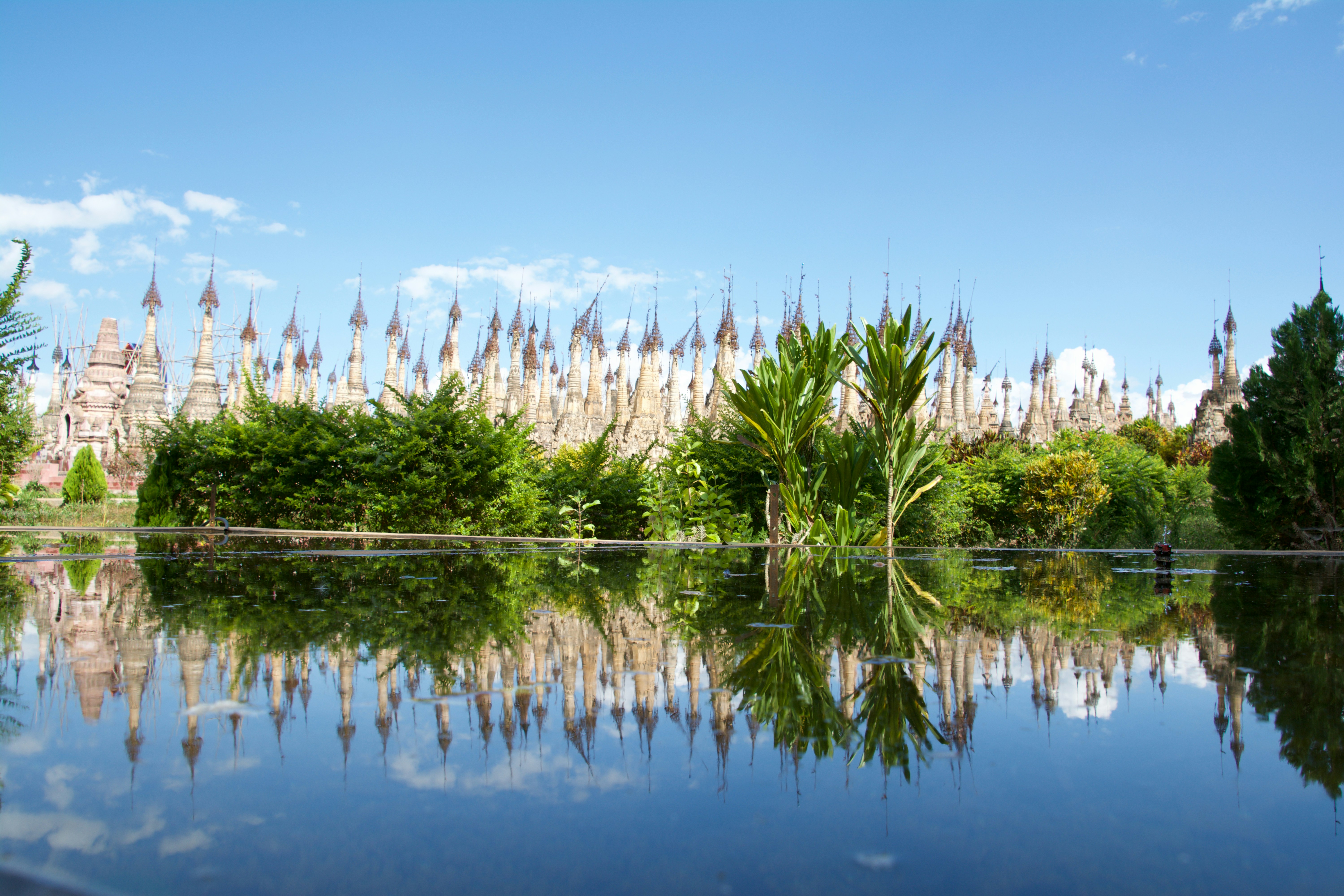
- Bagan — 4,000 temples on a single plain: The plain of Bagan in central Myanmar contains the ruins of approximately 3,500 Buddhist temples, pagodas, and monasteries built between the 9th and 13th centuries — the concentrated religious building programme of a succession of Pagan kings who poured the wealth of an empire into constructing monuments to the Buddha. At its height, Bagan had over 10,000 religious structures. The survivors — spread across 100 km² of flat, dry plain above the Irrawaddy River — create one of the most extraordinary archaeological landscapes in Asia, and hot-air balloon flights above them at dawn are among the most memorable experiences in the world.
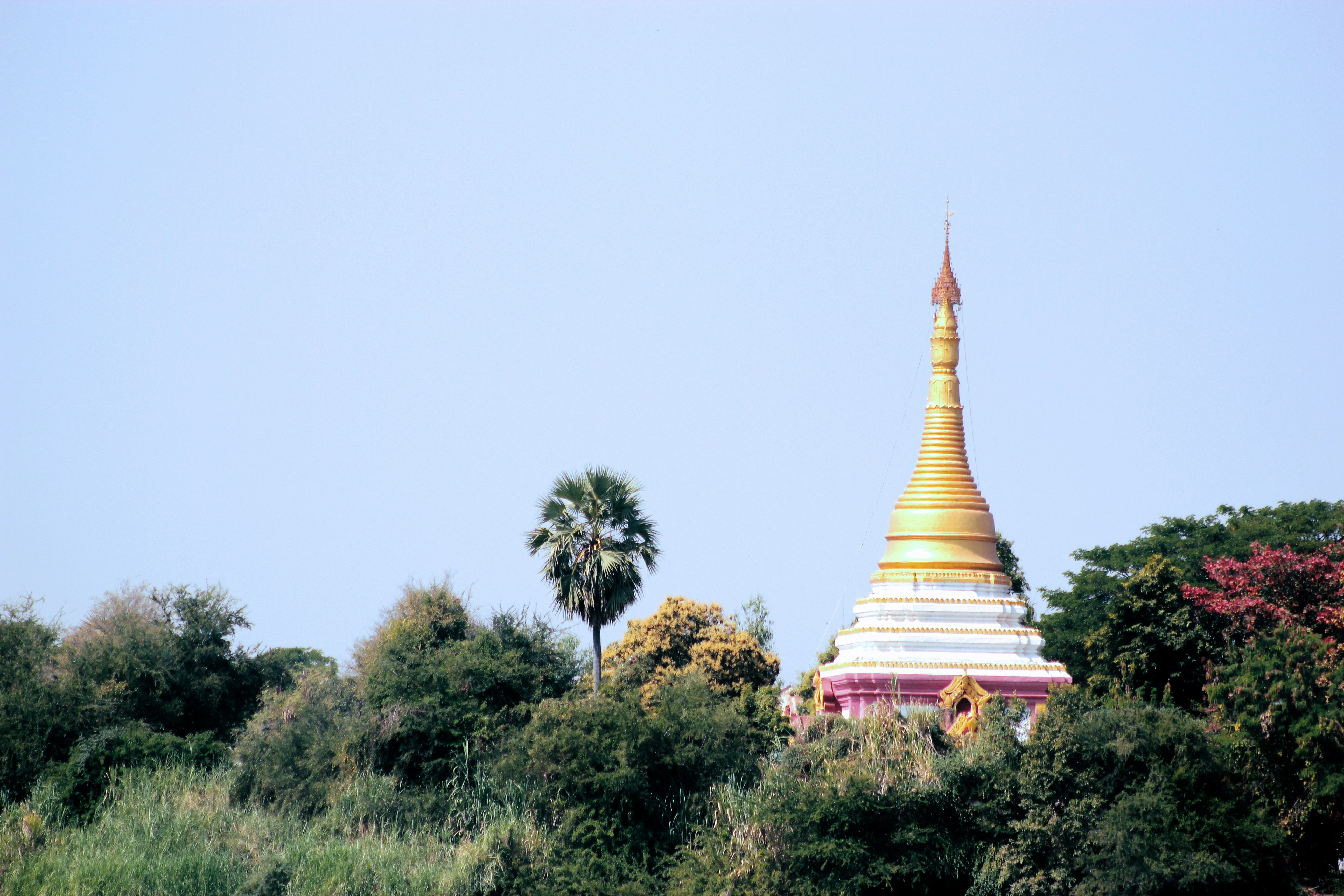
- The Shwedagon Pagoda — possibly the oldest stupa on Earth: The Shwedagon Pagoda in Yangon — its main stupa 98 m tall and covered in 60 tonnes of gold leaf — is believed by Burmese Buddhists to enshrine eight hairs of the Gautama Buddha, brought from India over 2,500 years ago. If true, it would make it the oldest Buddhist stupa in the world, predating all other known Buddhist monuments by centuries. The platform around the stupa, covered in hundreds of smaller shrines and pagodas and busy with worshippers at all hours, is the spiritual heart of Myanmar.
- Naypyidaw — the empty capital: Myanmar's military junta relocated the capital from Yangon to the purpose-built city of Naypyidaw overnight in November 2005, moving government ministries, military headquarters, and approximately 800,000 civil servants to a new city in the geometric centre of the country. Naypyidaw's 20-lane highways are almost entirely empty of cars; its ministries are spread kilometres apart across a landscape of planned symmetry and ghostly vacancy — one of the most extraordinary urban planning phenomena of the 21st century.
- 135 officially recognised ethnic groups: Myanmar officially recognises 135 distinct ethnic groups, divided into eight 'national races' — Bamar, Shan, Karen, Rakhine, Kachin, Kayah, Chin, and Mon — each with distinct languages, traditions, and histories of resistance to central Burman authority. The persistent armed conflicts between ethnic nationality armies and the Burmese military (Tatmadaw) have made Myanmar's border regions effectively ungovernable for decades, and the 2021 coup has dramatically deepened this conflict.
Nature & Key Destinations
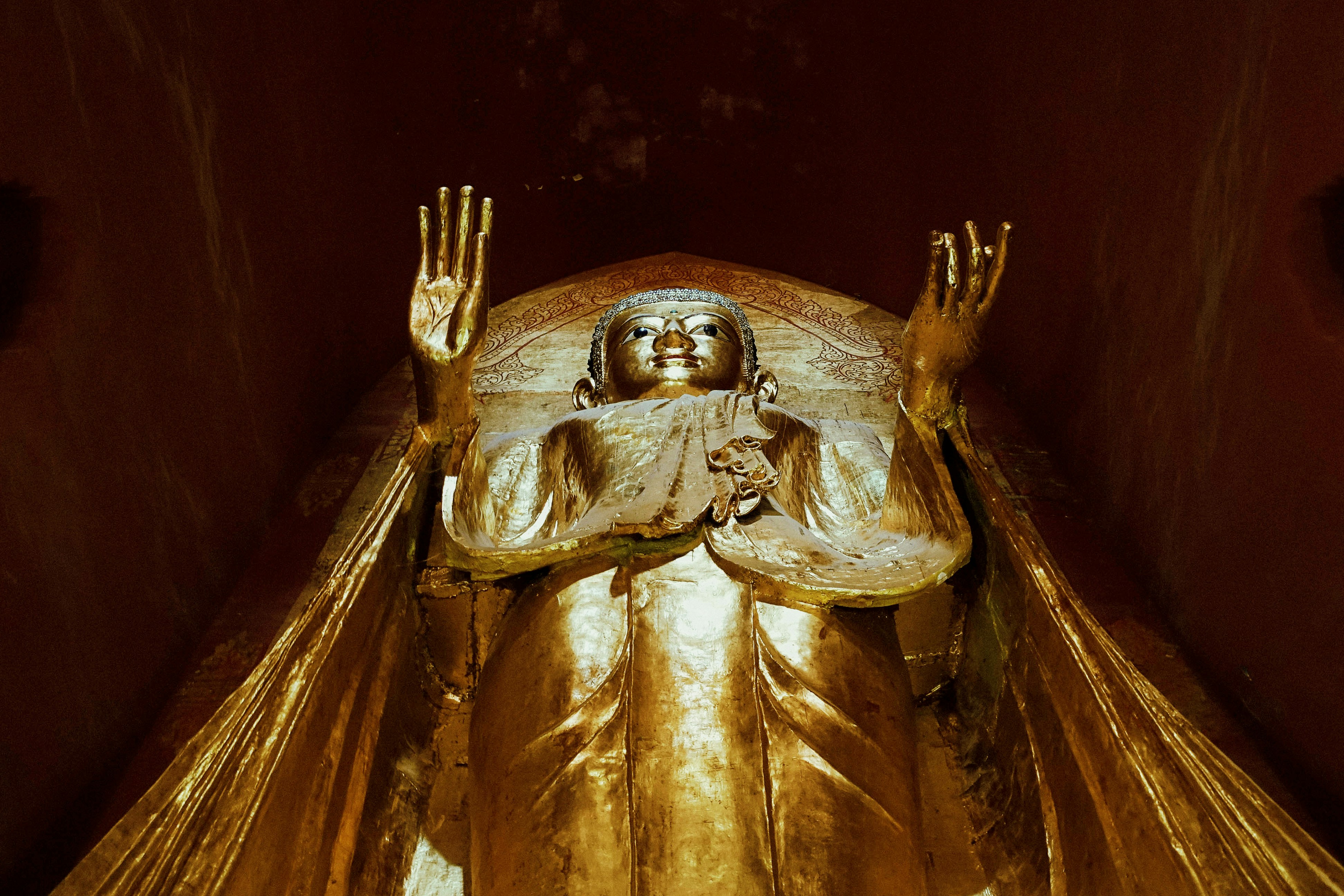
- Bagan: The plain of 3,500 temples — hot-air balloon flights at dawn above a sea of pagoda spires and mist rising from the Irrawaddy, bicycle rides between temples as the sun rises over the plain, the view from the Shwesandaw Pagoda staircase at sunset, the Ananda Temple's four standing Buddhas in white and gold, and the perfectly preserved Dhammayangyi Temple — the most massively built and most enigmatic structure on the plain.
- Yangon & Inle Lake: Yangon's Shwedagon Pagoda platform (the finest Buddhist monument in Southeast Asia, its surrounding complex of hundreds of shrines a complete world of devotion, vendors, fortune-tellers, and worshippers), the colonial architecture of downtown Yangon (the most intact Victorian-era colonial streetscape in Asia), and Inle Lake (where leg-rowing fishermen balance on their sterns, floating gardens of tomatoes and flowers stretch across the water, and stilted villages are connected by motorised canoe).
- Mandalay & the royal cities: Mandalay Hill (775 steps to a pagoda with views over the Irrawaddy plain), the teak U Bein Bridge (the world's longest teak bridge, 1.2 km across Taungthaman Lake at sunset), and the ruined royal capitals of Inwa, Sagaing (with its hundreds of white-domed pagodas covering a hillside above the river), and Amarapura — the 'royal cities' ring surrounding Mandalay that contain 500 years of Burmese royal history.
- Ngapali Beach & Hpa-An: Ngapali — Myanmar's finest beach, a crescent of white sand and fishing villages on the Bay of Bengal, reached by short flight from Yangon, its low-key resort atmosphere among the most relaxed in Southeast Asia. Hpa-An in Karen State — a landscape of extraordinary limestone karst, sacred cave temples (Kawgun Cave with its thousands of terracotta Buddhas, Saddan Cave with its underground river), and rice paddies reflecting the karst towers in their flooded surfaces.
Cuisine
- Mohinga — breakfast for a nation: Mohinga — a fish-based rice noodle soup with lemongrass, ginger, fish sauce, and the crispy split chickpea fritters (pe kyaw) crumbled on top — is Myanmar's national dish, eaten for breakfast by millions from street stalls across the country. Every region has its variation (Yangon's is richer; Mandalay's is drier); every Burmese family has its preferred vendor. The soup is fragrant, complex, and deeply satisfying — one of Southeast Asia's finest morning soups.
- Shan noodles & Burmese salads: Shan khao swe (flat rice noodles in a mild tomato and pork sauce, the comfort food of the Shan Plateau eaten at any hour) and the Burmese salad tradition — laphet thoke (the extraordinary fermented tea-leaf salad of toasted sesame, peanuts, fried garlic, dried shrimp, and fermented tea leaves, a uniquely Burmese preparation that is tart, crunchy, and addictive simultaneously) — are the two most distinctive elements of Burmese eating culture.
- Tea culture & Burmese sweets: The Burmese tea shop (teashop culture) — where sweet, condensed-milk tea is served with a tray of small sweet and savoury accompaniments (mont pyit pyo, samosa, fritters) at low tables — is the social heart of Burmese urban life, where politics is debated and friendships maintained over hours. Burmese sweets — shwe yin aye (a coconut milk dessert with sticky rice, sago, and ice), mont lone yay paw (glutinous rice balls with palm sugar centres) — reflect the Burmese love of sweet, coconut-rich confections.
Traditions & Culture
- Theravada Buddhism — the deepest root: Approximately 88% of Myanmar's population is Theravada Buddhist, and the monastic tradition (Sangha) has been the most important social institution in Burmese society for over a thousand years — providing education, welfare, and moral authority. Every Burmese male traditionally spends at least two periods as a monk (as a young boy and again as a young man); the pink-robed Thilashin (Buddhist nuns) represent another dimension of religious commitment. The Buddhist calendar structures Burmese life completely: full-moon days are public holidays, and the major festivals (Thingyan water festival, Thadingyut festival of lights) are expressions of Buddhist devotion.
- Thanaka & traditional beauty: Thanaka — a pale yellow paste ground from the bark of the thanaka tree (Limonia acidissima), applied to the face in circles or elaborate patterns — is Myanmar's most visually distinctive cultural marker, worn as sunscreen, cosmetic, and traditional beauty treatment by Burmese women and children (and some men) across all social classes. The sight of a grandmother and granddaughter both wearing thanaka on their cheeks in the same ancient pattern is one of the most enduring images of Burmese continuity through decades of political change.
Climate
- Tropical monsoon, three seasons: Myanmar has three seasons: the cool dry season (November–February, the best for travel, 20–30°C, low humidity), the hot dry season (March–May, 35–45°C in the central dry zone), and the monsoon (June–October, heavy rain particularly on the coasts and delta). Bagan is best November–February; Inle Lake and Yangon are pleasant October–March. Ngapali Beach is best October–April. The northern mountains (Kachin State) are cool year-round.