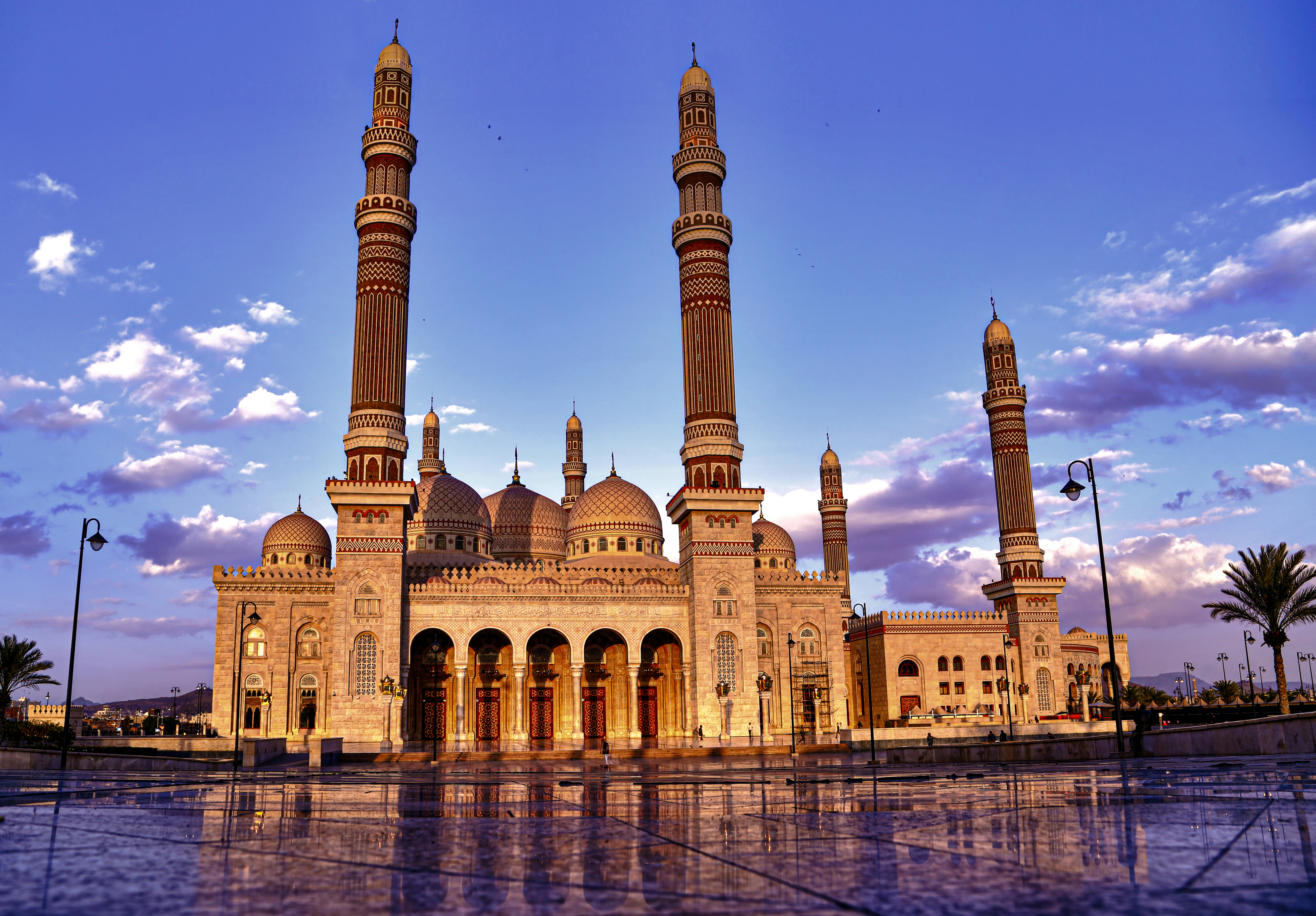
Yemen is a country of 34 million people at the southwestern tip of the Arabian Peninsula — the site of some of the oldest civilisations in Arabia (the Sabaean kingdom, whose queen may have visited Solomon; the Himyarite kingdom that converted to Judaism in the 4th century AD; the ancient frankincense and myrrh trade routes that made Arabia Felix the wealthiest corner of the ancient world). It is also, since 2015, the site of one of the world's worst humanitarian catastrophes — a civil war between the Houthi movement and the internationally recognised government (backed by a Saudi-led coalition) has killed hundreds of thousands and created the world's largest humanitarian crisis. Its extraordinary heritage — the tower houses of Sana'a, the mud skyscrapers of Shibam, the alien landscapes of Socotra — survives largely intact despite the conflict.
Capital: Sana'a (Houthi-controlled since 2015); Aden (internationally recognised government's temporary capital)
Population: ~34 million
Area: 527,968 km²
Currency: Yemeni Rial (YER)
Language: Arabic (official); Socotri (spoken on Socotra Island, a language with no native written form) and Mehri spoken by minorities
History: Ancient Sabaean and Himyarite kingdoms; unified modern Yemen 1990; civil war since 2015
Fascinating Facts
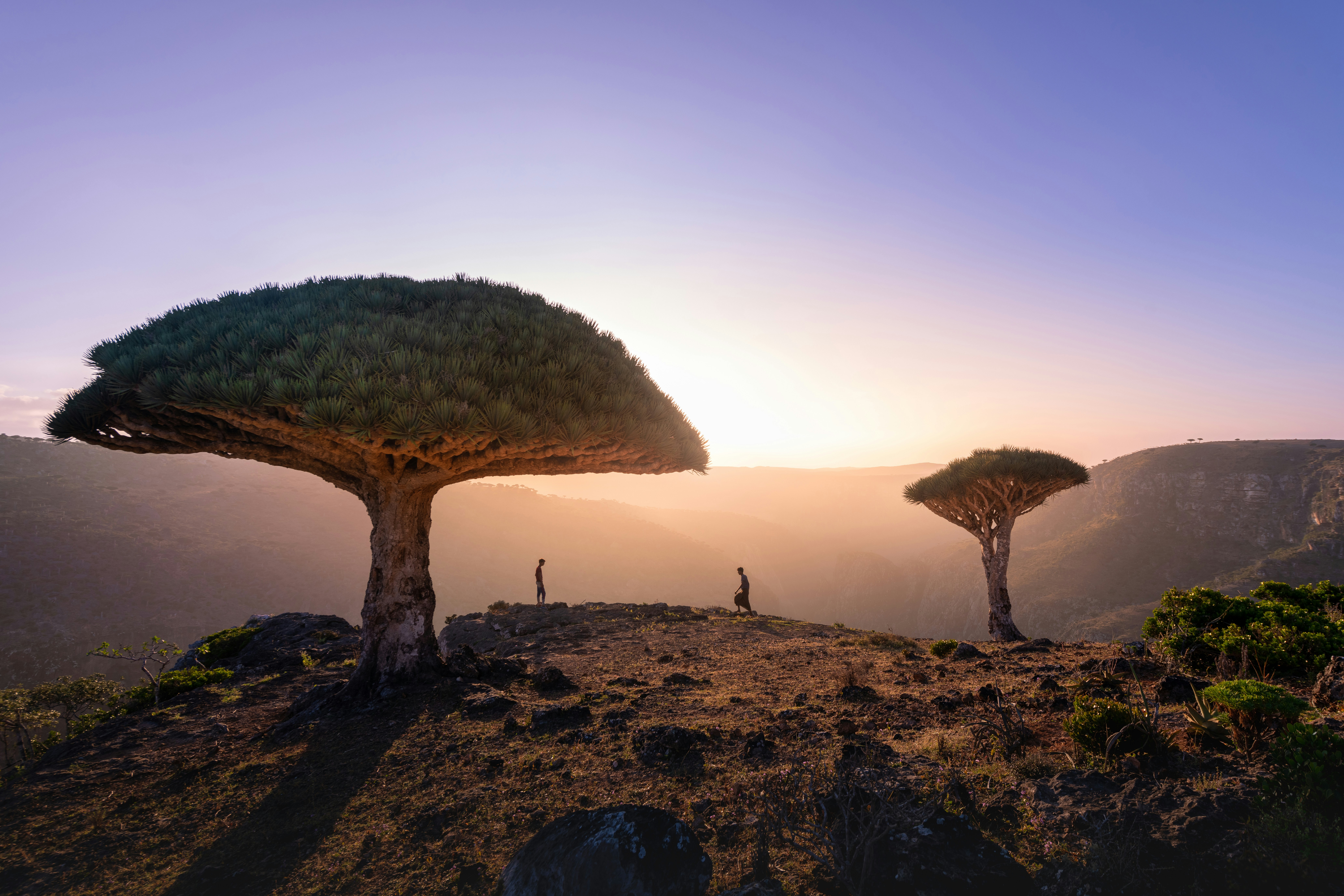
- Socotra — the Galapagos of the Indian Ocean: Socotra Island (and its three sister islands), 240 km off the Horn of Africa in the Arabian Sea, is one of the most biologically isolated places on Earth — approximately 37% of its plant species, 90% of its reptile species, and 95% of its land snail species are found nowhere else. The Dragon Blood Tree (Dracaena cinnabari) — its crown shaped like an upturned umbrella, its sap deep red — is the symbol of Socotra's alienness and appears in a landscape that seems to belong to another planet. UNESCO World Heritage.
- Shibam — the Manhattan of the Desert: Shibam in the Hadhramaut Valley — a walled city of approximately 500 mud-brick tower houses, built between the 5th and 16th centuries, rising 5 to 11 stories directly from the desert floor — is the oldest example of urban vertical construction in the world and a UNESCO World Heritage Site. The towers (built of sun-dried mud brick, replastered annually against the rain) were designed to protect against Bedouin raids; their collective silhouette, rising from a flat desert valley, is one of the most astonishing cityscapes in the world.
- The Queen of Sheba's kingdom: Yemen is the most likely location of the ancient Kingdom of Sheba (Saba) — whose queen's visit to King Solomon in Jerusalem is recorded in the Bible, the Quran, and the Ethiopian national epic (where she is called Makeda). The Sabaean civilisation (c. 900–275 BC), centred on Marib (whose Great Dam was one of the ancient world's greatest engineering achievements, irrigating a vast area of the desert), was one of the wealthiest in the ancient Near East, controlling the incense trade routes from Arabia to the Mediterranean.
- Qat — the afternoon ritual: Qat (Catha edulis) — a plant whose leaves, when chewed slowly for hours, release a mild amphetamine-like stimulant — is Yemen's defining social institution. Every afternoon from approximately 1pm to sunset, Yemeni men (and increasingly women) gather in mafraj (reception rooms) to chew qat together, discuss politics, poetry, and business, and enter the sociable state of kayf (mild euphoria) that structures Yemeni social life. Approximately 70–80% of adult Yemeni men chew qat daily; the crop consumes approximately 30% of Yemen's water supply.
Nature & Key Destinations
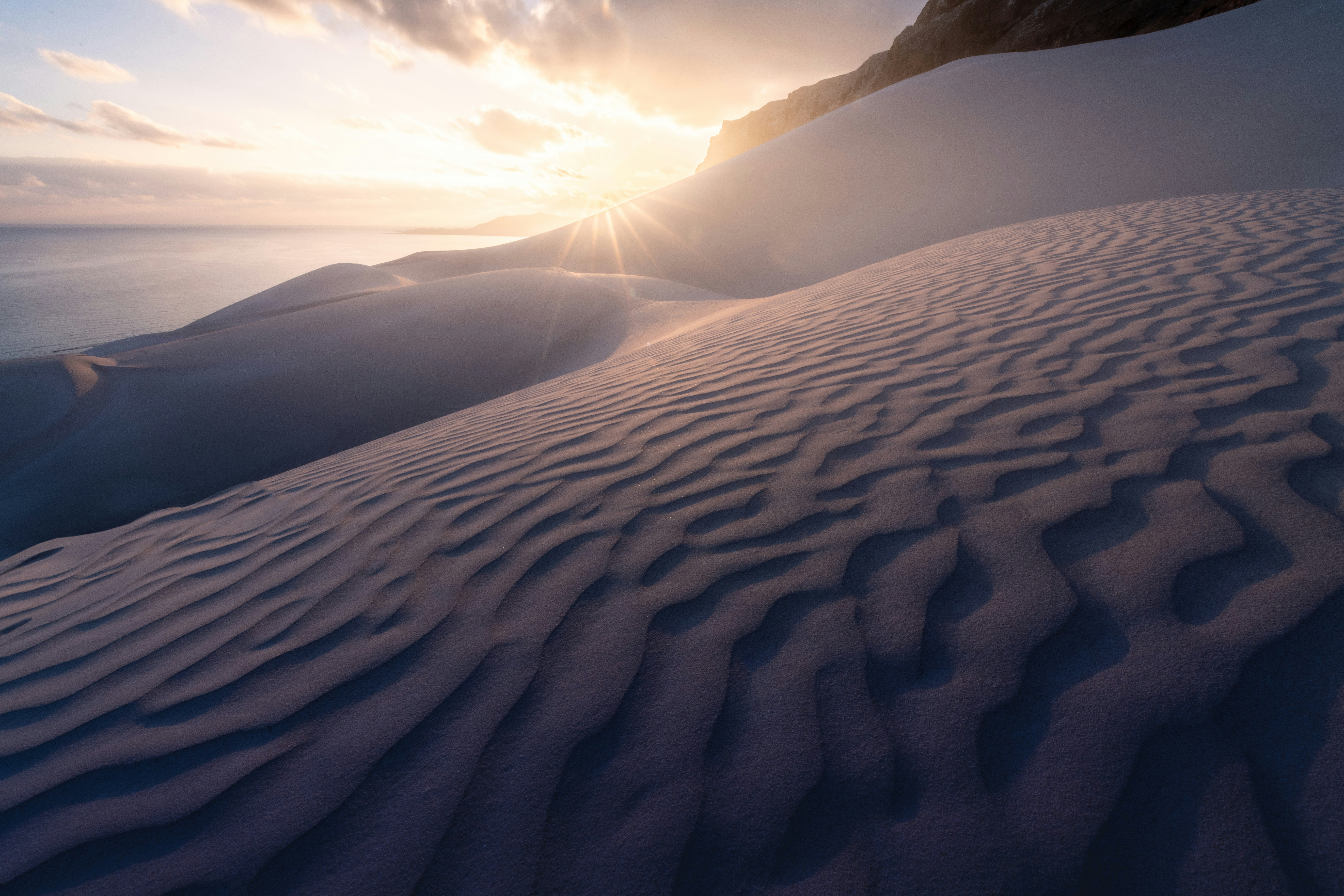
- Socotra Island: The alien landscape of Dragon Blood Trees, desert roses (Adenium obesum socotranum, a succulent with pink blooms growing from a swollen trunk), the white sand beaches of Qalansiyah lagoon, the Diksam Plateau's forests, and the extraordinary biodiversity of an island isolated for 6–7 million years. Currently accessible despite the mainland conflict, reached by flights from Abu Dhabi and Cairo.
- Sana'a Old City: The UNESCO-listed Old City of Sana'a — one of the oldest continuously inhabited cities in the world, its distinctive tower houses of dark basalt decorated with alabaster friezes and stained-glass fanlight windows (qamariyya), its 103 mosques and 14 hammams, its souks of silver, spice, and jambiya (the curved Yemeni dagger) — is one of the finest medieval urban landscapes in the Arab world.
- Shibam & the Hadhramaut Valley: The canyon of the Wadi Hadhramaut — one of the largest wadis in Arabia, its cliffs rising 100–200 m above a palm-filled floor — containing Shibam's mud skyscraper city, the ancient city of Seyun with its vast whitewashed Sultan's palace, and the medieval fortified town of Tarim (with more minarets per capita than any city in the world) — a valley of extraordinary architectural heritage.
- Aden & the south coast: The ancient port of Aden — built in the crater of an extinct volcano on the Gulf of Aden, a strategic chokepoint between the Red Sea and the Indian Ocean used by every maritime empire from ancient Himyar to the British East India Company — with its Ottoman and British colonial architecture, its natural harbour, and its fish market at the base of volcanic cliffs.
Cuisine
- Saltah — the national dish: Saltah — a stew of lamb or chicken cooked in a spiced broth thickened with fenugreek froth (holba, whipped to a green foam and stirred in just before serving), eaten from a stone bowl over rice or bread — is Yemen's national dish, its fenugreek foam a uniquely Yemeni element found in no other cuisine. Eaten communally from a single vessel, saltah is the defining expression of Yemeni table culture.
- Mandi & Yemeni bread: Mandi — lamb or chicken slow-cooked in a sealed tandoor pit over rice fragrant with dried lemon and spices, the meat falling from the bone — is Yemen's great festive rice dish, now famous across the Arabian Peninsula as 'Yemeni mandi restaurants' have spread to every Gulf city. Lahoh (a spongy, large fermented pancake made from sorghum flour, similar to Ethiopian injera, eaten with honey and butter for breakfast) is the daily bread of Yemeni households.
- Bint al-sahn & Yemeni honey: Bint al-sahn (Daughter of the Pan) — layers of paper-thin pastry brushed with samn (clarified butter) and eggs, baked until golden and served with Yemeni honey — is Yemen's most celebrated sweet, offered to honoured guests. Yemeni honey (particularly the sidr honey from the Hadhramaut Valley's lote trees) is considered the finest in the Arab world, fetching extraordinary prices in Gulf markets and used medicinally for centuries.
Traditions & Culture
- Jambiya — the curved dagger of identity: The jambiya — a curved, double-edged dagger worn in a decorated sheath at the front of the belt — is the supreme symbol of Yemeni male identity, worn daily by most Yemeni men from puberty onwards. The quality of a man's jambiya (its handle carved from rhinoceros horn, water buffalo horn, or decorated silver; its blade of ancient wootz steel) is a precise indicator of his social standing. The jambiya dance (la'b al-baraa), in which men brandish their daggers in a stylised display of pride and skill, is Yemen's defining cultural performance.
- Architecture of tower houses: Yemeni vernacular architecture — the multi-storey tower houses of Sana'a, Shibam, Kawkaban, and the Hadhramaut — represents one of the great building traditions of the Islamic world. The Sana'ani house's upper mafraj (reception room) with its alabaster windows projecting coloured light, its carved plaster friezes, and its position closest to heaven reflects a culture that places the social and intellectual life of its residents literally above the practical.
Climate
- Varied by altitude, best October–April: Yemen's climate varies enormously with altitude — the Tihama coastal plain is hot and humid year-round (35–42°C); the highland plateau (Sana'a at 2,300 m) is temperate, with warm days (20–25°C) and cool nights year-round, occasional frost in January. The Hadhramaut is hot desert. The best time to visit (security permitting) is October–April. Socotra's best season is October–April; the summer monsoon (June–September) makes it inaccessible by sea.