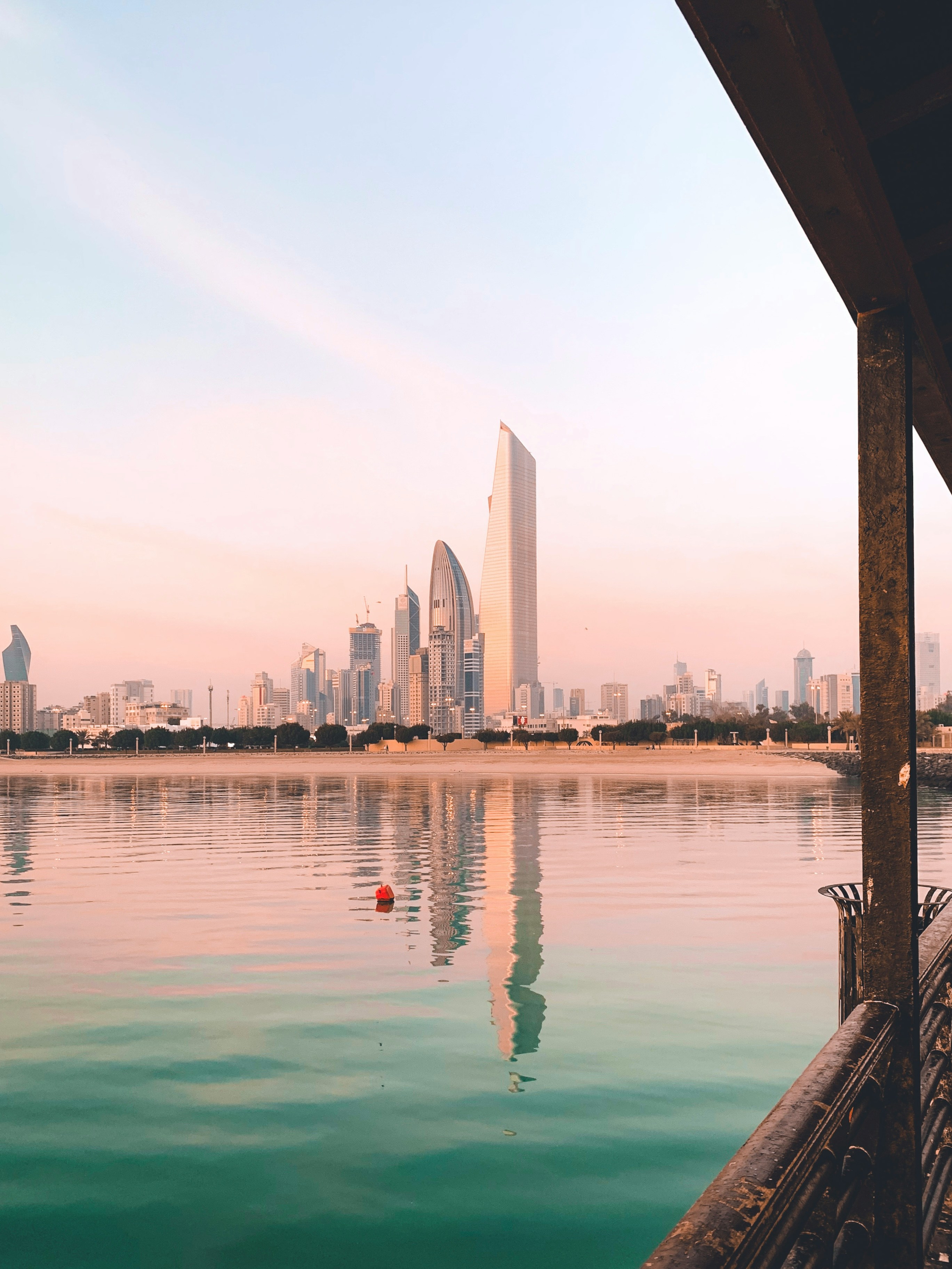
Kuwait is a small emirate of 4.4 million people (approximately 70% foreign nationals) at the northwestern tip of the Arabian Gulf — a city-state of 17,818 km² transformed from a pearl-fishing and trading port into one of the world's wealthiest nations by oil discovered in 1938. Its history is defined by two events: the 1990 Iraqi invasion and occupation (when Saddam Hussein annexed Kuwait and set fire to 700 oil wells in one of history's greatest acts of environmental sabotage during the Gulf War liberation of 1991), and the extraordinary speed of its subsequent reconstruction. Kuwait City, completely rebuilt in the 1990s, is today a modern Gulf metropolis with a more cosmopolitan character than its neighbours and a cultural heritage that reaches back through pearl-diving, dhow-building, and trade networks across the Indian Ocean.
Capital: Kuwait City
Population: ~4.4 million — approximately 70% are foreign nationals
Area: 17,818 km²
Currency: Kuwaiti Dinar (KWD) — the world's highest-valued currency unit
Language: Arabic (official); English widely spoken in business; Hindi, Urdu, and Tagalog among the most common languages of the expatriate community
Independence: 1961 from Britain; Iraqi invasion and occupation 1990–1991; liberation by US-led coalition February 1991
Fascinating Facts
- The world's highest-valued currency: The Kuwaiti Dinar (KWD) is the world's highest-valued currency unit — one Kuwaiti Dinar is worth approximately $3.25 USD (as of 2024), more than any other currency in the world. Kuwait's oil wealth (it holds approximately 6–7% of the world's proven oil reserves in a country the size of Wales) and conservative monetary policy have maintained this status since the dinar's introduction in 1961.
- 700 burning oil wells — the greatest environmental crime: When Iraqi forces retreated from Kuwait in February 1991, they set fire to approximately 700 oil wells — creating the largest oil fires in history, visible from space, burning 6 million barrels of oil per day and producing a toxic smoke cloud that turned midday to midnight across Kuwait and drifted across Iran, Pakistan, and India. The fires burned for ten months before being extinguished; the environmental damage from the estimated 1.5 billion barrels of oil spilled or burned is still being assessed.
- The Kuwaiti dhow — last of the Gulf boatbuilders: Kuwait was the Gulf's greatest dhow-building centre — the baghala, boom, and shu'ai (the great ocean-going dhow types used in the India and Africa trade) were built in Kuwait's yards using techniques unchanged since the 16th century. The last traditional dhow builders still work in the Doha village area south of Kuwait City, constructing wooden boats using adze and hand tools, one of the last living expressions of a craft that sustained Gulf maritime civilisation for centuries.
- The Pearl Diving tradition: Before oil, Kuwait's economy was based almost entirely on pearl diving — Kuwaiti divers (ghawasseen) operating wooden dhows across the Arabian Gulf, diving to depths of 12–40 m without equipment, guided only by a nose clip and a leather bag, in a seasonal industry (May–September) that employed most of the male population. The Japanese cultured pearl industry destroyed this economy in the 1930s, but the cultural memory of pearl diving remains central to Kuwaiti identity.
Nature & Key Destinations
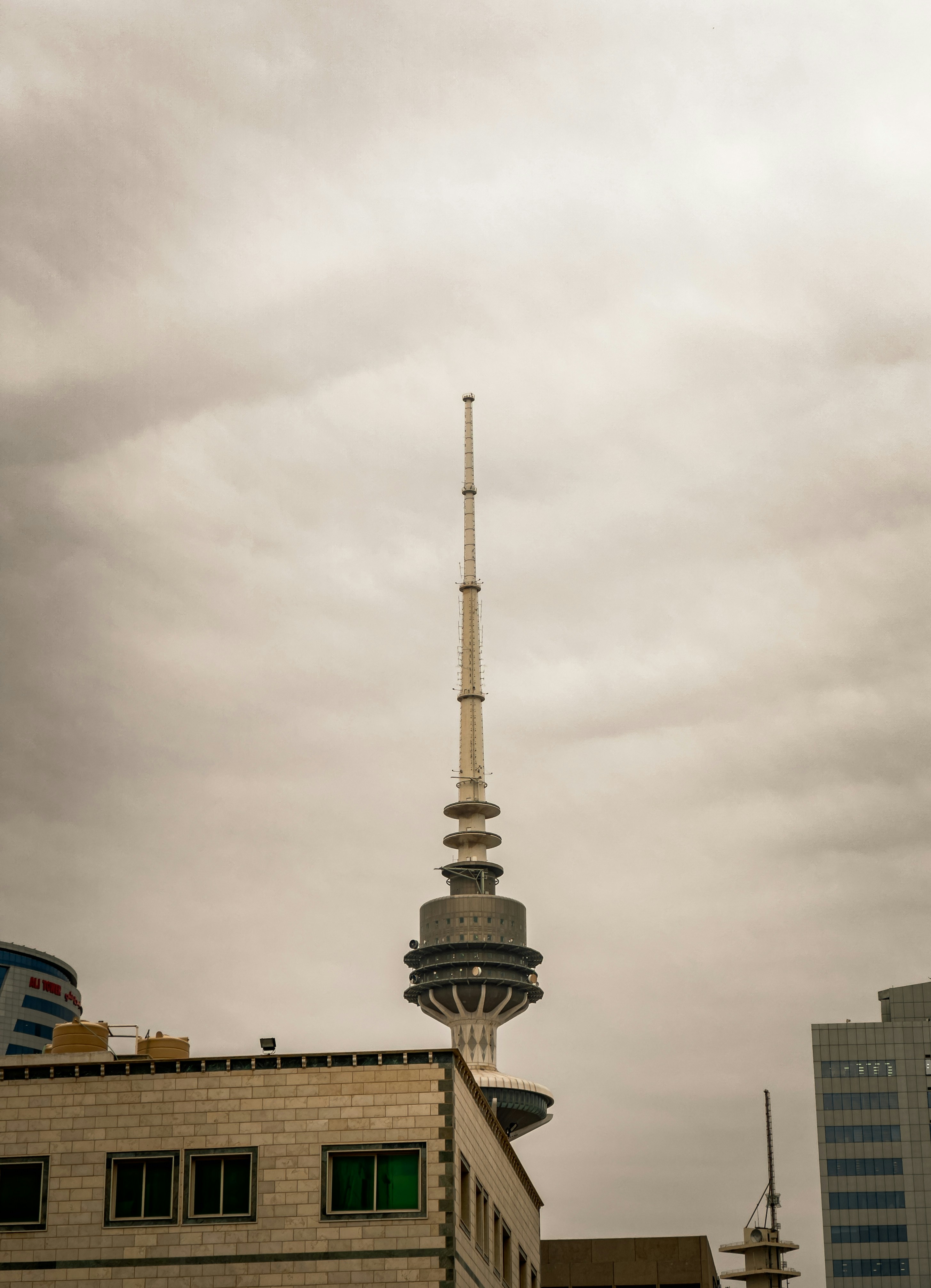
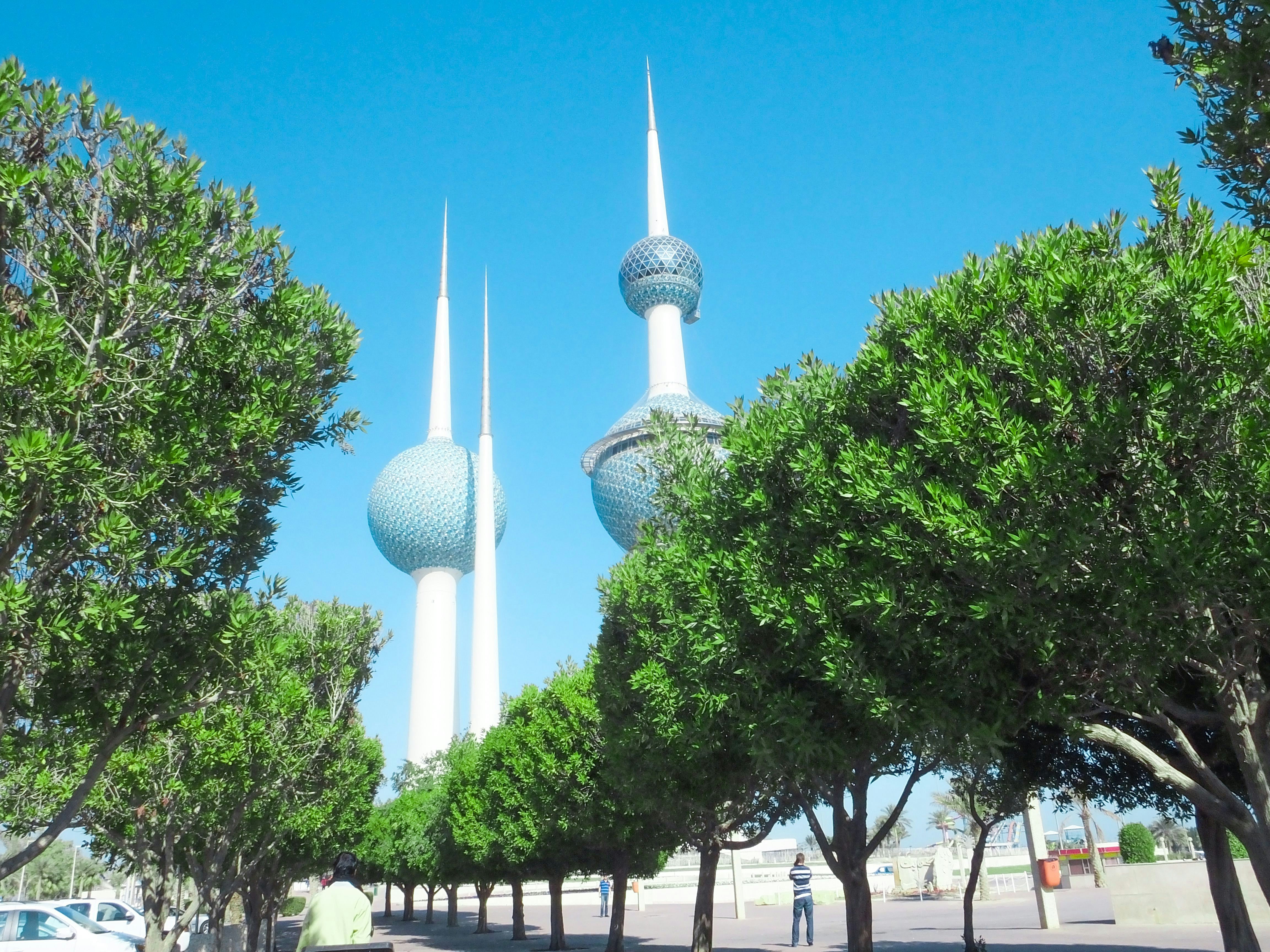
- Kuwait City: The Kuwait Towers (the iconic triple-tower water and observation complex, the symbol of modern Kuwait, overlooking the Gulf), the Liberation Tower (the second tallest telecommunications tower in the world at its construction), the Grand Mosque (Kuwait's largest, accommodating 10,000 worshippers), and the evening Corniche walk along the waterfront where Kuwait City's extraordinary Gulf light turns the sea gold at sunset.
- Souq Al-Mubarakiya: Kuwait's oldest and most atmospheric market — the gold souk, the spice merchants, the traditional Kuwaiti food stalls, the fabric sellers, and the remarkable Mubarakiya fish market where the Gulf's fresh catch arrives each morning — is the most authentic surviving expression of pre-oil Kuwait's trading culture, still active and genuinely used by Kuwaitis alongside its tourist visitors.
- Kuwait National Museum & Sadu House: The Kuwait National Museum — housing the Al-Sabah Collection of Islamic art (one of the finest private Islamic art collections in the world, temporarily held in Kuwait after repatriation from Iraq) and exhibits on pearl-diving, dhow-building, and pre-oil Gulf life — and Sadu House (a restored merchant's house preserving the traditional Bedouin weaving tradition of sadu, the geometric camel hair textiles of Kuwait).
- Failaka Island & the desert: Failaka Island in Kuwait Bay — the site of a Greek settlement established by Alexander the Great's general Nearchus (making it one of the easternmost points of Hellenistic civilisation), with a temple to Artemis and a Bronze Age settlement beneath it, now being developed as a heritage and beach destination after its devastation by Iraqi forces in 1990.
Cuisine
- Machboos & Kuwaiti rice: Machboos — Kuwait's national dish of long-grain rice cooked in a spiced meat or fish broth with loomi (dried black lime), cinnamon, and cardamom, the surface fragrant with saffron and rose water — is the foundation of Kuwaiti formal dining. The Kuwaiti version emphasises dried limes and spices more intensely than the Qatari or Bahraini equivalents, reflecting the port city's deeper access to Indian Ocean spice trade.
- Gabout & Kuwaiti sweets: Gabout (small savoury dumplings made from wheat flour, stuffed with minced meat and onion, simmered in a rich broth — Kuwait's version of the Gulf dumpling tradition) and gers ogaily (a semolina and saffron cake fragrant with rose water and cardamom, the most universally loved Kuwaiti sweet) are the dishes most deeply embedded in Kuwaiti domestic cooking and celebration culture.
- Seafood & the Gulf table: Kuwait's Gulf seafood — hammour (grouper, the king of Gulf fish), zubaidi (silver pomfret, Kuwait's most prized fish, grilled whole or fried crispy), and the Gulf shrimp cooked with rice in a preparation called murabyan — reflects a coastal culture whose relationship with the sea predates the oil wells by centuries. The Friday morning fish market at Sharq Marina is the freshest and most atmospheric seafood experience in Kuwait.
Traditions & Culture
- Diwaniya — Kuwait's living parliament: The diwaniya — a semi-public sitting room maintained by Kuwaiti men in their homes, open to guests on scheduled evenings (or always), where tea and coffee flow continuously, politics is debated, business conducted, and social bonds maintained — is Kuwait's most distinctive social institution, without equivalent in most other Gulf states. The diwaniya functions as a grassroots political forum, a social safety net, and a performance of masculine hospitality simultaneously. Kuwait's relatively lively parliamentary culture (the most democratic in the Gulf) is partly rooted in the diwaniya tradition of open debate.
- Liberation Day & Kuwaiti identity: Kuwaiti national identity is uniquely shaped by the 1990 invasion and 1991 liberation — a generation of Kuwaitis experienced occupation, exile, and the return to a devastated country, creating a national trauma and resilience narrative that distinguishes Kuwaiti self-understanding from other Gulf states. Liberation Day (26 February) and National Day (25 February) are the year's greatest celebrations, marked by car convoys draped in flags, fireworks over the Towers, and the most visible expressions of Kuwaiti patriotism.
Climate
- Extreme desert heat, mild winters: Kuwait has one of the world's most extreme desert climates — summers (May–September) are punishingly hot (42–50°C in July–August, with dust storms reducing visibility to zero), making outdoor activity genuinely dangerous. The best time to visit is November–March, when temperatures are pleasant (15–25°C) and the evenings are cool. Rain is extremely rare (about 110 mm annually, mostly December–February). The shamal (northwesterly wind) brings dust and discomfort in June–July.