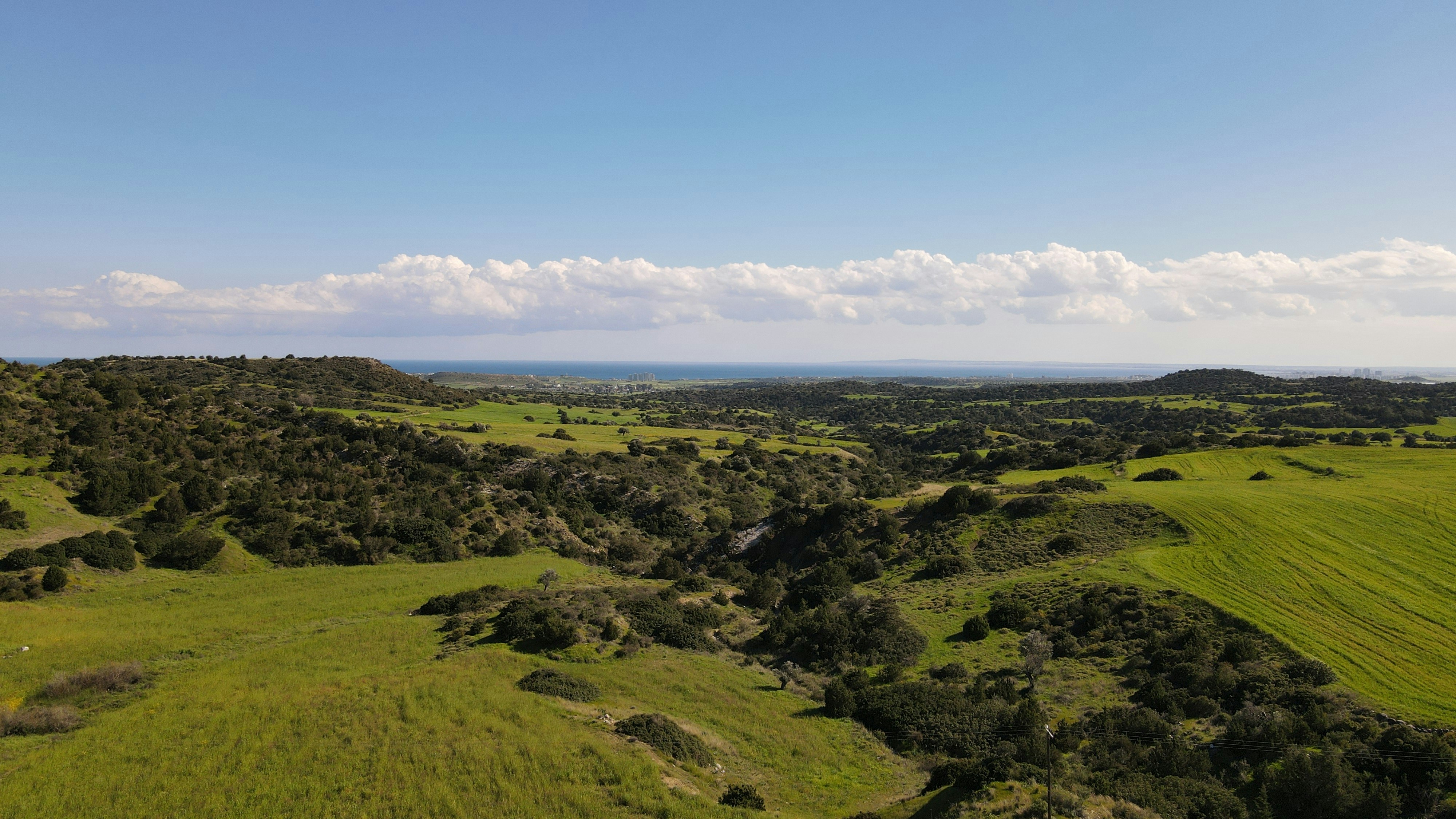
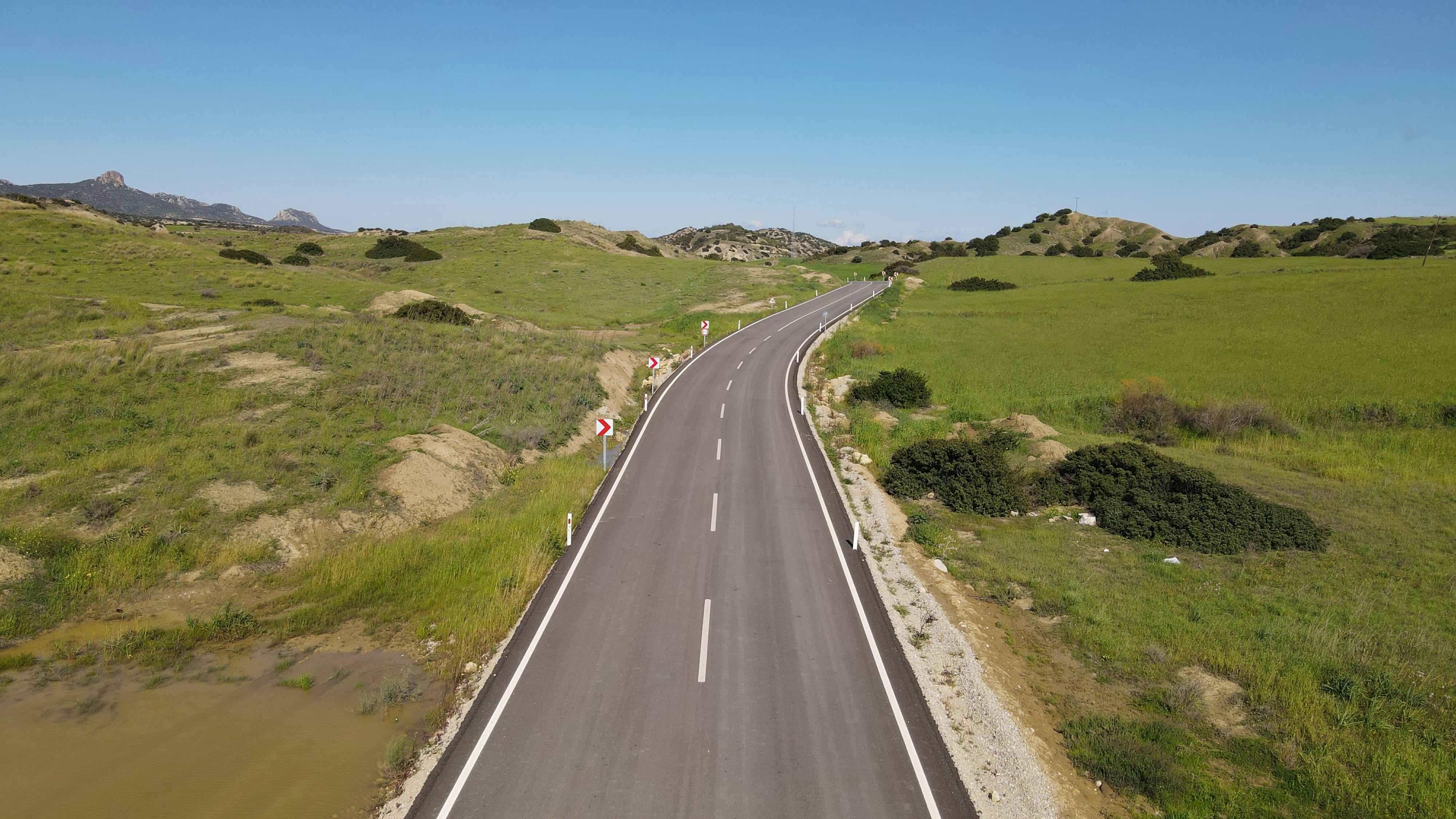
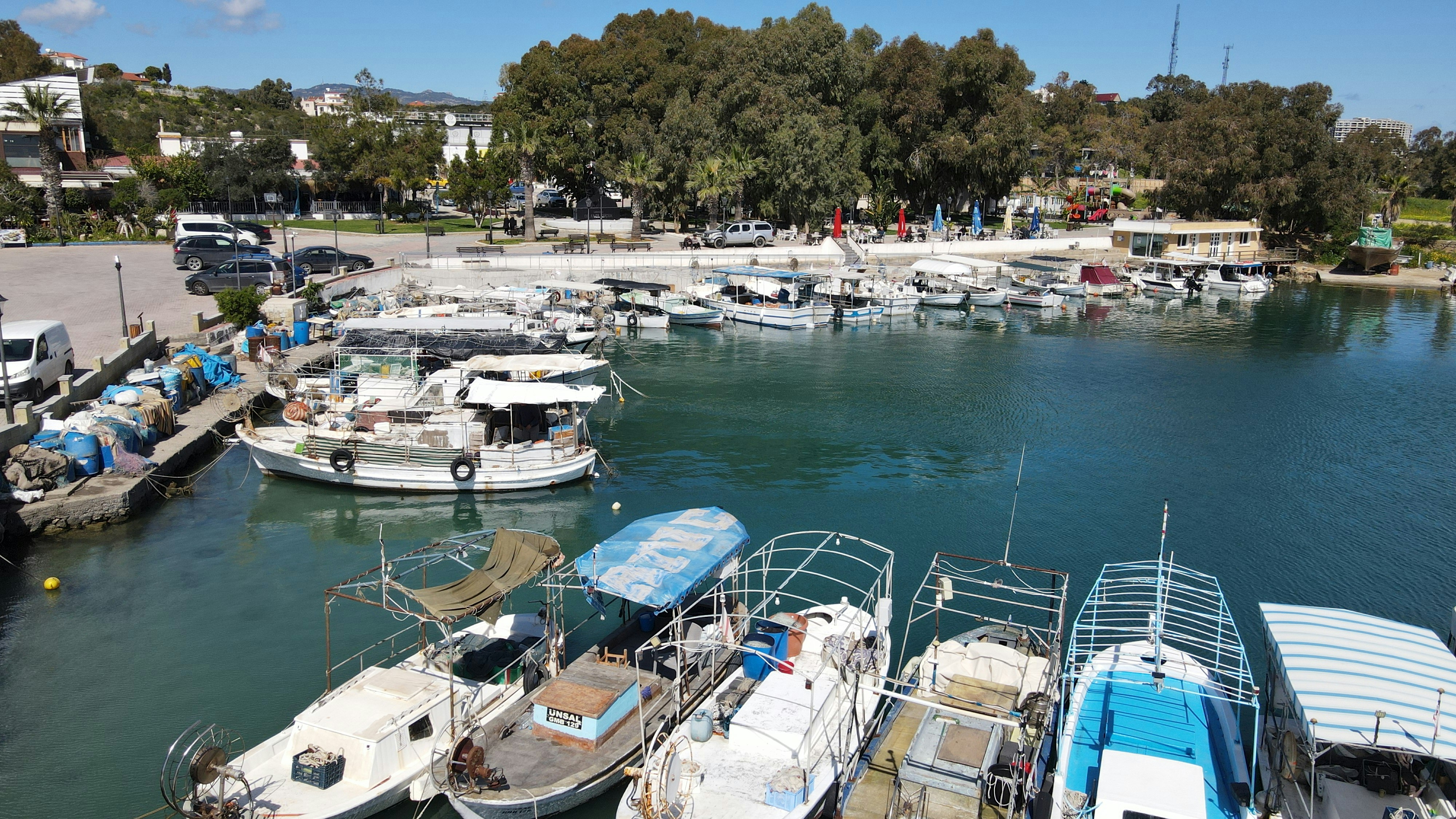
Northern Cyprus (the Turkish Republic of Northern Cyprus, TRNC) is the northern portion of Cyprus island — approximately 3,355 km² administered by Turkish Cypriots since the Turkish military intervention of 1974 and recognised as a sovereign state by Turkey alone. The rest of the world considers it occupied territory of the Republic of Cyprus, an EU member state. This political complexity has left Northern Cyprus largely frozen in time — its medieval Venetian walls, Crusader castles, Byzantine churches, and Ottoman mosques less developed and more atmospheric than the south, its beaches uncrowded, and its old cities of Kyrenia (Girne) and Famagusta (Gazimağusa) among the most historically evocative in the eastern Mediterranean.
Status: Self-declared Turkish Republic of Northern Cyprus (TRNC); recognised only by Turkey; considered occupied territory by the Republic of Cyprus and the international community
Population: ~360,000 (Turkish Cypriots, Turkish settlers, and expatriates)
Area: ~3,355 km² — approximately 36% of Cyprus island
Currency: Turkish Lira (TRY)
Languages: Turkish (official); English widely spoken; some Greek Cypriots remain in the Karpaz Peninsula
History: Cyprus gained independence from Britain 1960; intercommunal violence 1963–74; Turkish military intervention July 1974; island divided; TRNC declared 1983; UN-mediated reunification talks ongoing
Fascinating Facts
- Nicosia — the world's last divided capital: Nicosia (Lefkoşa in Turkish) is the only divided capital city in the world — the UN-patrolled Green Line runs through its heart, separating the Turkish Cypriot north from the Greek Cypriot south, with the buffer zone's abandoned buildings and vegetation visible from either side. Until 2003, crossing was impossible; today pedestrians can cross at designated checkpoints. The Venetian walls encircling the old city (built 1567, surviving intact) contain both communities within a single medieval boundary — the most poignant urban landscape in Europe.
- Famagusta — Shakespeare's Othello city: The walled city of Famagusta (Gazimağusa) was the wealthiest city in the medieval world at its peak in the 14th century — its merchant princes built 365 churches (one for every day of the year, according to legend). The massive Venetian city walls, the Gothic Cathedral of Saint Nicholas (converted to the Lala Mustafa Pasha Mosque in 1571), and the Othello Tower (where Shakespeare set his play, based on an actual Venetian military governor of Cyprus) are among the finest medieval monuments in the eastern Mediterranean. Much of the 'ghost suburb' of Varosha — the abandoned Greek Cypriot resort district sealed since 1974 — has been partially reopened.
- The Karpaz Peninsula — wild and untouched: The Karpaz (Karpasia) Peninsula — the long finger of land pointing northeast toward Syria — is the most unspoilt part of Cyprus, its hillsides covered in carob, mastic, and wild herbs, its beaches of Dipkarpaz among the finest turtle-nesting sites in the Mediterranean, and its wild donkey herds (descended from domestic animals abandoned in 1974) now a protected landmark species roaming freely between abandoned villages and churches.
- The Crusader castles of the Kyrenia range: The three medieval castles of the Kyrenia mountain range — St Hilarion (perched at 732 m with views from the Taurus Mountains to the Troodos, its towers the inspiration for Walt Disney's castle designs), Buffavento ('defier of winds', the highest and most dramatic), and Kantara (guardian of the Karpaz Peninsula) — form a chain of Lusignan Crusader fortifications of extraordinary visual drama, built in the 12th–14th centuries and never successfully stormed by assault.
Nature & Key Destinations
- Kyrenia (Girne) & the mountain range: The harbour town of Kyrenia — its horseshoe Ottoman harbour lined with restaurants and reflected in the water at night, the Kyrenia Castle (built by the Byzantines, extended by the Crusaders and Venetians, housing the Shipwreck Museum with a 2,300-year-old Greek merchant vessel), and the drive along the Kyrenia mountain range through pine forests to the three Crusader castles.
- Famagusta & the walled city: The intact Venetian walls of Famagusta (one of the finest surviving examples of Venetian military architecture in the world), the Lala Mustafa Pasha Mosque (formerly the Cathedral of Saint Nicholas, its Gothic nave now a mosque of extraordinary beauty), the Othello Tower, and the gradually opening streets of Varosha — the former beach resort sealed since 1974 whose partially accessible ruins are the most haunting space in Cyprus.
- The Karpaz Peninsula: The drive to the tip of the Karpaz — through villages of abandoned Greek Cypriot churches (some being gradually restored), past the wild donkey herds, to the Golden Beach (Altın Kumsal), a 3 km sweep of sand where loggerhead and green turtles nest in summer, and the Apostolos Andreas Monastery at the peninsula's tip (a Byzantine pilgrimage site being restored under bicommunal agreement).
- Ancient Salamis: The ruins of Salamis — the ancient capital of Cyprus (founded according to tradition by the hero Teucer after the Trojan War, flourishing from the 11th century BC to the 7th century AD) — contain a Roman gymnasium with reconstructed columns, a 50,000-seat theatre, public baths with floor mosaics, and an early Christian basilica, all largely unexcavated and uncrowded, giving them an atmosphere of romantic discovery rare in Mediterranean archaeology.
Cuisine
- Cypriot meze & shared tradition: Northern Cypriot cuisine shares its foundation with the Greek Cypriot south — the meze tradition of 20–30 small dishes arriving in sequence (hummus, tahini, olives, halloumi, grilled meats, stuffed vegetables, fish), the hellim (halloumi cheese, made from a mixture of sheep and goat milk, grilled until charred and eaten hot), and the kleftiko (lamb slow-baked in a sealed clay oven for hours) reflect the common Cypriot culinary inheritance of both communities.
- Turkish Cypriot specialities: Distinct Turkish Cypriot dishes include molehiya (jute mallow leaves slow-cooked with lamb and lemon — a dish brought by Egyptians and unique to Cyprus and parts of the Levant), kolokas (taro cooked with pork and celery), and the extraordinary variety of böreks (filled pastries) and dolmas particular to the north. The Turkish coffee culture (dark, unfiltered, drunk from tiny cups with a glass of cold water) and the tradition of rakı (anise spirit, drunk with meze) distinguish the north's café culture.
- Carob & the sweetness of the Karpaz: The carob tree — once Cyprus's most valuable export crop, earning the island the nickname 'the black gold island' from its carob pods — grows wild across the Karpaz Peninsula and is used in Northern Cyprus for carob molasses (pekmez, a thick dark syrup poured over tahini as a traditional breakfast), carob flour, and the carob-based sweets that represent a culinary tradition predating the island's sugar cane era.
Traditions & Culture
- The division and its human dimension: The 1974 division of Cyprus created one of the Mediterranean's most enduring political tragedies — approximately 160,000 Greek Cypriots fled or were expelled from the north, and approximately 45,000 Turkish Cypriots moved from south to north, each community leaving behind homes, churches, mosques, and cemeteries in the other's territory. The bicommunal reconciliation efforts (shared archaeological projects, the Apostolos Andreas restoration, the crossing checkpoints opened since 2003) represent tentative steps toward a resolution that continues to elude UN mediators.
- Ottoman heritage & religious coexistence: Northern Cyprus's Ottoman heritage — the Arabahmet and Chrysaliniotissa mosques converted from Byzantine churches, the bedestan market in Nicosia's old city, the han (caravanserai) still operating as a cultural centre — coexists with the Byzantine and Crusader Christian heritage of a territory where three great medieval civilisations left their mark within a few kilometres of each other. The Büyük Han (Great Inn of Nicosia), the finest Ottoman caravanserai in Cyprus, is now an arts and crafts centre.
Climate
- Mediterranean — hot dry summers, mild wet winters: Northern Cyprus has a classic Mediterranean climate — hot, dry summers (32–38°C, June–September) and mild, wet winters (10–18°C, December–February). The best time to visit is April–June and September–October (warm, low humidity, wildflowers in spring). The Kyrenia mountains are cooler than the coast year-round. Swimming is pleasant May–November. Summers are hot but manageable with sea breezes on the coast.