Pakistan is a country of 240 million people in South Asia — the world's fifth most populous nation, established in 1947 as the world's first Islamic republic, carved from the British Indian Empire through the traumatic Partition that displaced 10–20 million people and killed an estimated 200,000–2 million in one of history's most devastating mass population transfers. Its territory contains some of the world's most extraordinary landscapes: the Karakoram range (with K2, the world's most technically demanding 8,000 m peak, and the greatest concentration of high peaks on Earth), the ancient Indus Valley civilisation (one of the world's first urban cultures), the Mughal architecture of Lahore, and the Hunza Valley's fairy-tale villages beneath glacier-hung peaks.
Capital: Islamabad — planned capital built from scratch in the 1960s; Karachi remains the largest city and economic centre
Population: ~240 million — 5th most populous country in the world
Area: 881,913 km²
Currency: Pakistani Rupee (PKR)
Languages: Urdu and English — both official; Punjabi (the most widely spoken native language), Sindhi, Pashto, Balochi, and Saraiki are the major regional languages
Independence: 14 August 1947 from British India; East Pakistan became Bangladesh 1971; nuclear power since 1998
Fascinating Facts
- The greatest concentration of high mountains on Earth: Pakistan's Karakoram and western Himalayan ranges contain an unmatched concentration of extreme altitude — K2 (8,611 m, second only to Everest), Nanga Parbat (8,126 m, the 'Killer Mountain', with the world's highest rock face — the 4,500 m Rupal Face), Gasherbrum I and II, Broad Peak, and over 100 peaks above 7,000 m, all within 150 km of each other. The Baltoro Glacier — 63 km long, the world's longest glacier outside the polar regions — flows between these peaks in a landscape of almost incomprehensible scale.
- Mohenjo-daro — the first planned city: Mohenjo-daro (City of the Dead) in Sindh province — built approximately 4,500 years ago as part of the Indus Valley Civilisation (c. 2500–1700 BC) — was one of the world's first planned cities, with grid-pattern streets, standardised brick sizes, sophisticated drainage systems, and flush toilets connected to covered sewers 2,000 years before Rome's sewers were built. The Indus Valley Civilisation covered an area larger than ancient Egypt and Mesopotamia combined and is the least understood of the world's great early civilisations — its script remains undeciphered.
- Pakistani truck art — rolling galleries: Pakistani truck art — the extraordinary tradition of decorating trucks, buses, and rickshaws with densely layered paintings of flowers, landscapes, heroes, hawks, fish, and calligraphic poetry in vivid colours covering every surface — is one of the world's most distinctive and least known folk art traditions. The style varies by region (Karachi's is more Persian-influenced; Peshawar's more bold and geometric), but the commitment to turning every vehicle into a moving gallery of colour is universal and transforms every road journey in Pakistan into an art experience.
- The Partition — the world's largest mass migration: The partition of British India into India and Pakistan in August 1947 triggered one of the largest and most violent mass migrations in human history — an estimated 10–20 million people crossed the new borders (Muslims going to Pakistan, Hindus and Sikhs to India) in both directions simultaneously, while an estimated 200,000 to 2 million were killed in communal violence. The trauma of Partition — the severing of centuries-old communities, the destruction of cities, the separation of families — has shaped Pakistani and Indian identity, politics, and culture ever since.
Nature & Key Destinations
- The Karakoram Highway & Hunza Valley: The Karakoram Highway (KKH) — the highest paved international road in the world, connecting Pakistan to China over the 4,693 m Khunjerab Pass, built by Pakistani and Chinese workers over 20 years at enormous human cost — passes through the Hunza Valley, whose villages of apricot orchards, poplar trees, and flat-roofed stone houses beneath the peaks of Rakaposhi (7,788 m), Ultar Sar, and Lady Finger are among the most beautiful inhabited landscapes in Asia.
- K2 base camp & the Baltoro Glacier: The K2 Base Camp trek — a 12-day return journey from Skardu through the Braldu Gorge and up the Baltoro Glacier to Concordia (the confluence of four glaciers beneath four 8,000 m peaks: K2, Broad Peak, Gasherbrum I and II) — is one of the world's great mountain journeys, combining the physical challenge of glacier walking with views of the most concentrated collection of extreme altitude on Earth.
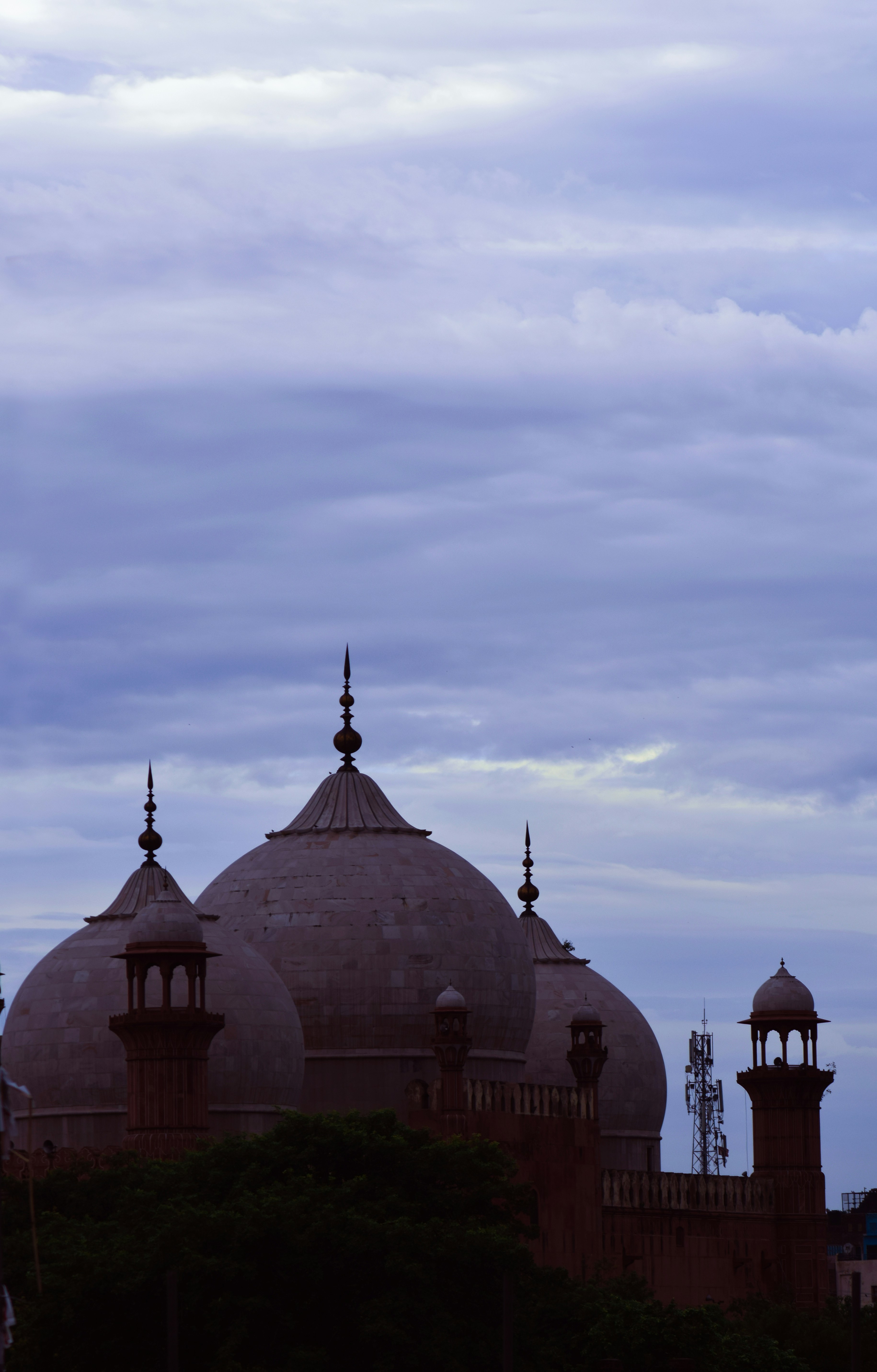
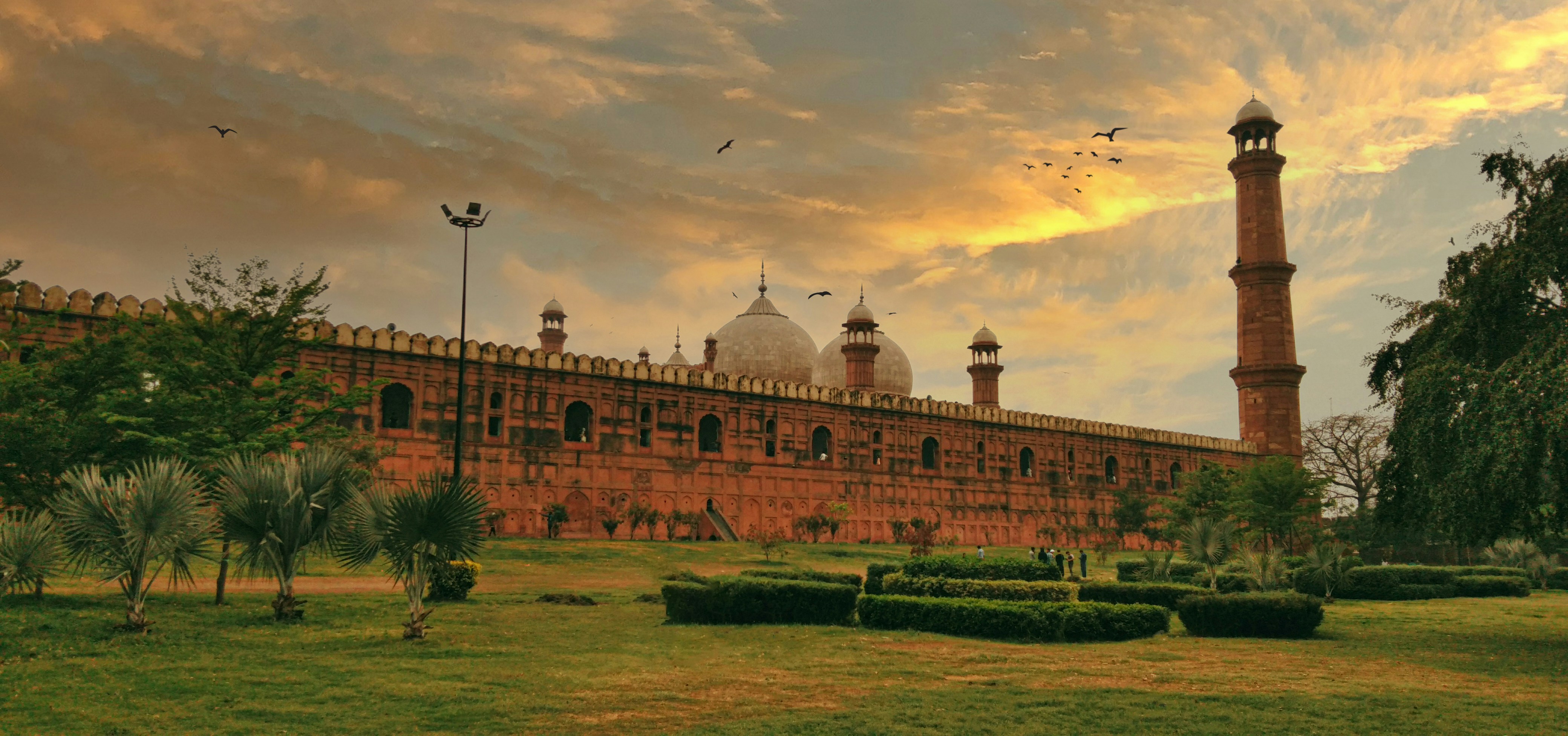
- Lahore — the Mughal city: The Lahore Fort (Shahi Qila, UNESCO World Heritage) with its Sheesh Mahal (Palace of Mirrors), the Badshahi Mosque (built 1673, the world's largest mosque for over 300 years), the Shalimar Gardens (UNESCO, designed by Shah Jahan), and the Walled City's food street (Gawalmandi and Fort Road food streets, serving the finest Lahori food in the world — hareesa, nihari, paya, and the extraordinary Lahori breakfast) — together making Lahore one of Asia's great Mughal heritage cities.
- Mohenjo-daro, Taxila & the north: Mohenjo-daro (UNESCO, the best-preserved site of the 4,500-year-old Indus Valley Civilisation), Taxila (UNESCO, the ancient Gandharan Buddhist city where Alexander the Great rested his army and which later produced the Indo-Greek art tradition that first depicted the Buddha in human form), and the fairy meadows of Nanga Parbat's northern face — accessible by jeep track from Raikot Bridge — combine Pakistan's archaeological and natural heritage.
Cuisine
- Nihari, haleem & the Mughal kitchen: Pakistani cuisine is built on the Mughal culinary tradition — nihari (a slow-cooked shin-of-beef stew, fragrant with whole spices and eaten with naan for breakfast, originally cooked overnight in the embers of the Mughal kitchen to be ready at dawn) and haleem (a thick porridge of lentils, wheat, and slow-cooked meat, garnished with fried onion, lime, ginger, and coriander) are the two most beloved dishes of Lahore and Karachi. Both require many hours of cooking and represent the summit of Pakistani home and restaurant cooking.
- Biryani, karahi & the regional diversity: Pakistani biryani (particularly the Sindhi biryani of Karachi — spiced with whole dried plums, potatoes, and a distinct spice blend — and the Lahori biryani with its yoghurt-marinated lamb) is among the finest in South Asia. Karahi (a tomato-based chicken or lamb curry cooked in a wok over high heat with ginger, garlic, and green chillies, served in the cooking vessel at the table) is the most widely eaten restaurant dish in Pakistan, its smoky, fresh-tomato intensity the defining flavour of Pakistani urban eating.
- Lahori breakfast & street food: The Lahori breakfast — paye (slow-cooked trotters in a rich, gelatinous broth), siri (braised head meat), hareesa (slow-cooked wheat and chicken), and the deep-fried puri with halwa — eaten from before dawn at old-city restaurants is one of South Asia's most extraordinary morning food traditions. Pakistani street food: gol gappa (crispy shells filled with tamarind water), chapli kebab (Pashtun-style minced beef patties with tomato and coriander, the finest fast food in Pakistan), and the chai dhaba culture of the GT Road.
Traditions & Culture
- Sufi culture & the dargah tradition: Pakistan is the heartland of South Asian Sufi Islam — the mystical tradition of music, poetry, and ecstatic devotion that produced Rumi, Bulleh Shah, and Shah Hussain. The dargahs (shrines of Sufi saints) across Pakistan — the Data Darbar of Lahore (the most visited shrine in South Asia), the Lal Shahbaz Qalandar shrine of Sehwan Sharif (where 50,000 pilgrims gather every Thursday for the dhamaal trance dance), the Shrine of Shah Abdul Latif Bhittai — are the living expressions of a devotional culture that predates Pakistan and will outlast every political boundary.
- Truck art & handicraft traditions: Pakistan's truck art — the most elaborate vehicle decoration tradition in the world, transforming trucks and buses into rolling galleries of folk painting, calligraphy, and mirror work — expresses a national aesthetic exuberance that finds parallel expression in the embroidered shawls of Sindh, the carved wooden furniture of Chiniot, the blue pottery of Multan, and the handmade carpet-weaving of the Pashtun and Baloch tribal traditions. These craft traditions, maintained across generations, are the most direct connection between contemporary Pakistan and its Central Asian and Mughal past.
Climate
- Highly varied — from Arctic to tropical: Pakistan's climate spans every extreme — the Karakoram mountains are glaciated year-round (best for trekking June–September, Baltoro open July–August). Lahore and the Punjab have hot summers (40–45°C, May–August) and cool winters (5–15°C, December–February, the best for city visits). Karachi is hot and dry year-round, best October–March. The north's Hunza Valley is pleasant May–October. The monsoon (July–September) affects the east and north; the southwest (Balochistan) is very dry year-round.