Plovdiv is Bulgaria’s cultural capital and one of the oldest cities in Europe, blending ancient Roman ruins, colorful 19th-century houses, and a vibrant modern art scene. With its charming Old Town, creative districts like Kapana, and rich historical layers, Plovdiv is a city where history meets creativity and tradition lives alongside innovation.
 Bulgaria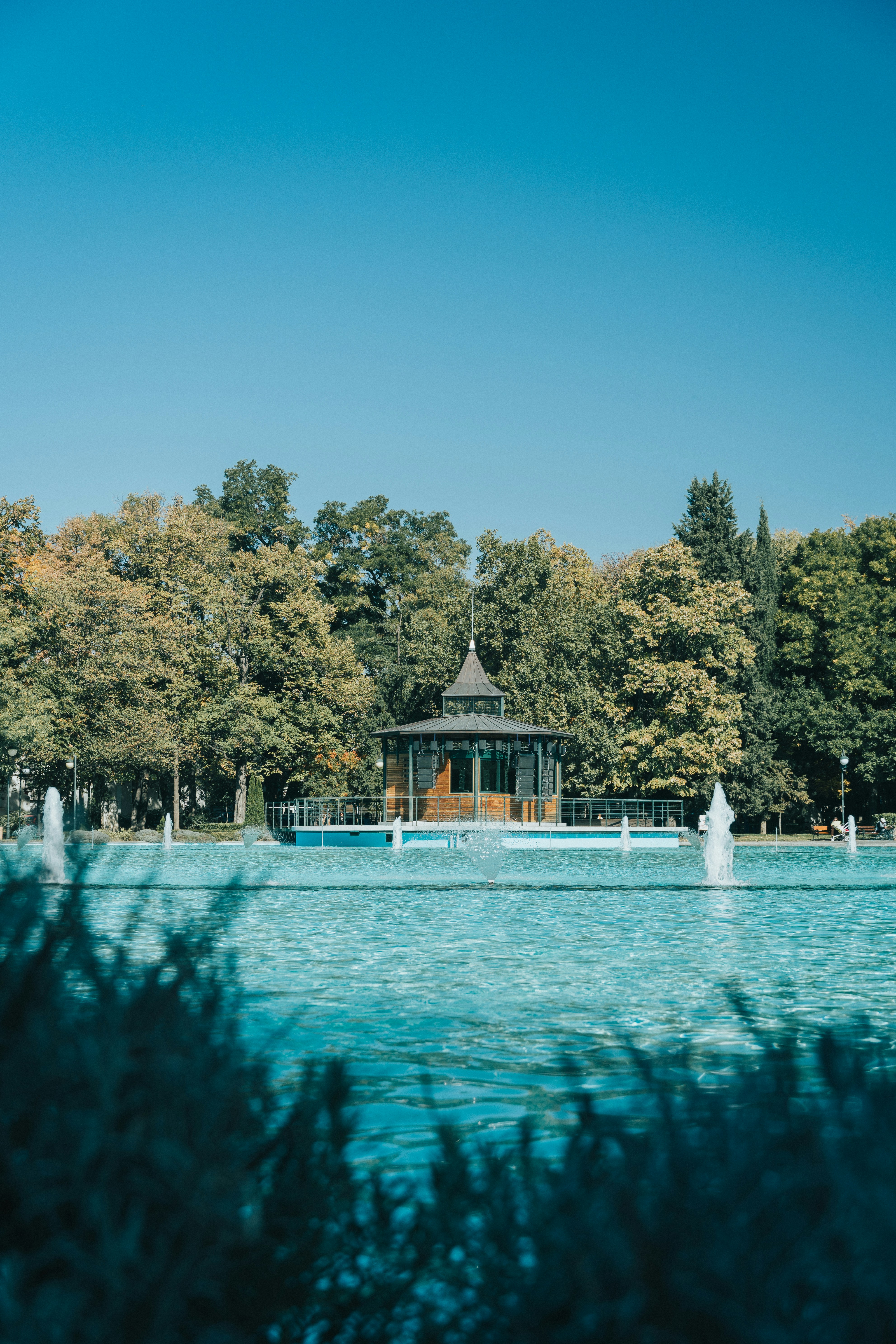
What is Plovdiv?
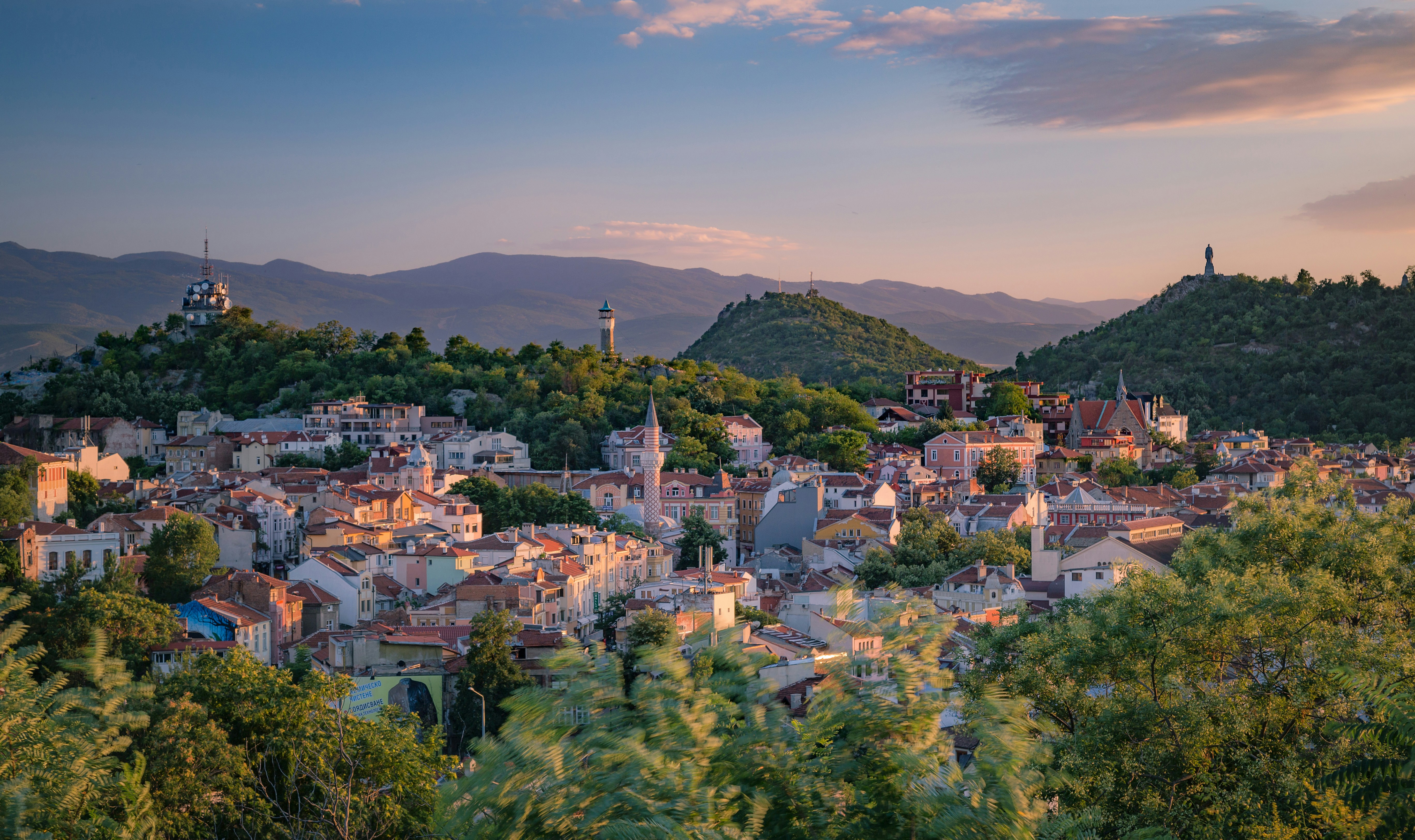
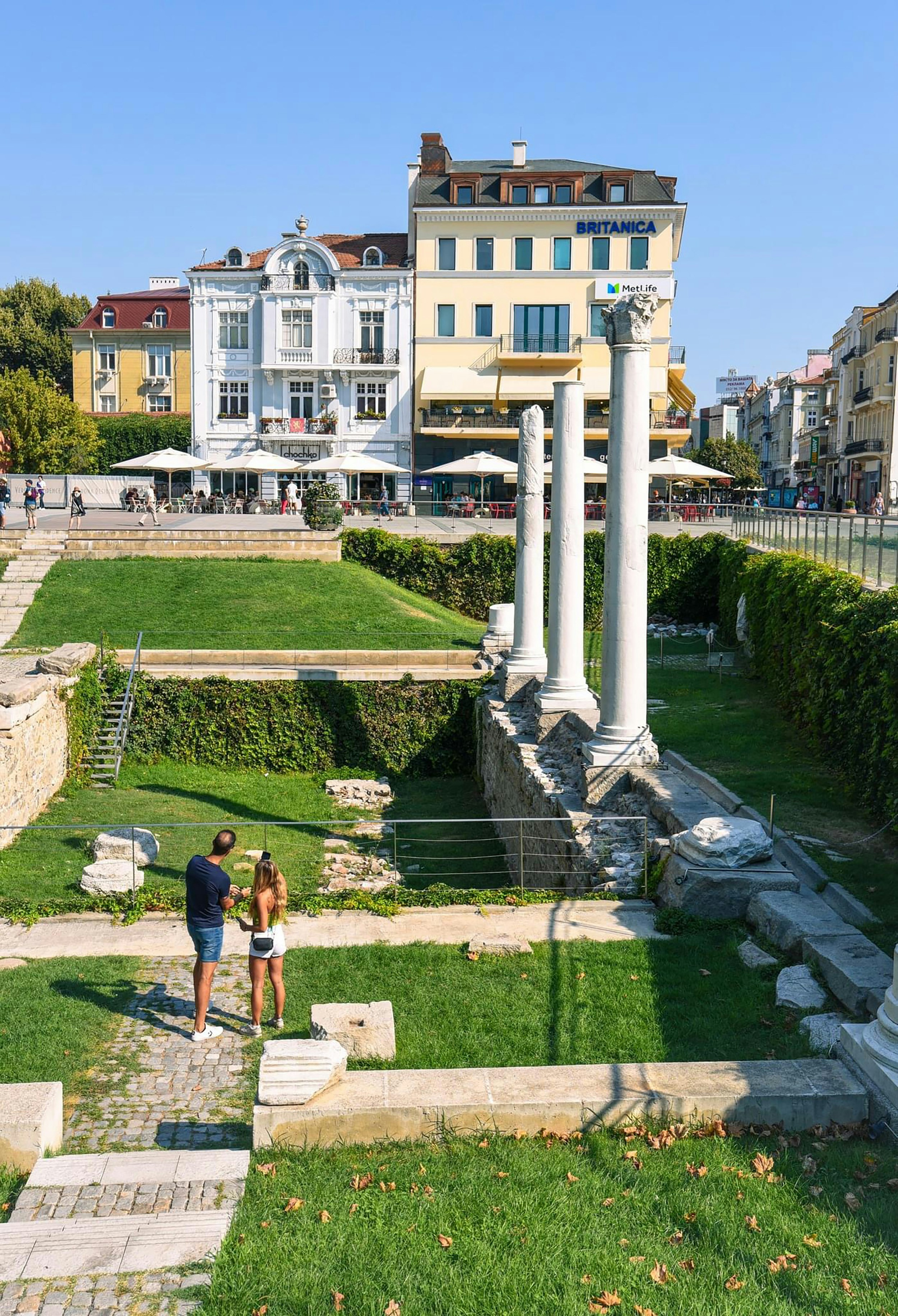
Plovdiv is not just one of the oldest cities in Europe – it is a living museum of civilizations that have come and gone, each leaving its unique imprint. Situated in south-central Bulgaria along the banks of the Maritsa River, it is the country’s second-largest city and a vibrant cultural and economic hub. With more than six millennia of history, Plovdiv effortlessly combines the ancient with the contemporary, drawing visitors in with its charm, warmth, and layers of stories.
Often referred to as “The City of the Seven Hills”, Plovdiv offers stunning hilltop views, centuries-old architecture, and a lifestyle that blends the past with the present in a way that is both authentic and inspiring.
A Deep and Diverse History
Plovdiv’s roots date back to the 6th millennium BC, making it one of the oldest continuously inhabited cities in the world. The Thracians first settled here, followed by Macedonians, Romans, Byzantines, Bulgarians, and Ottomans – all of whom left behind visible remnants of their time in the city.
Known as Philippopolis during the time of Philip II of Macedon, Plovdiv flourished as a major Roman city. Impressive ruins such as the Ancient Theatre, Roman Stadium, and parts of the Forum showcase this rich heritage. During the Middle Ages and the Ottoman period, the city remained an important commercial and spiritual center.
The 19th century saw a cultural and economic boom during Bulgaria’s National Revival, a period still visible in the city’s stunning townhouses and artistic traditions.
Cultural Capital of Bulgaria
Plovdiv is widely recognized as the cultural heart of Bulgaria. In 2019, it was named European Capital of Culture, and that legacy continues to influence its identity. The city hosts numerous festivals, concerts, open-air performances, and international events throughout the year, attracting artists, musicians, and audiences from all over the world.
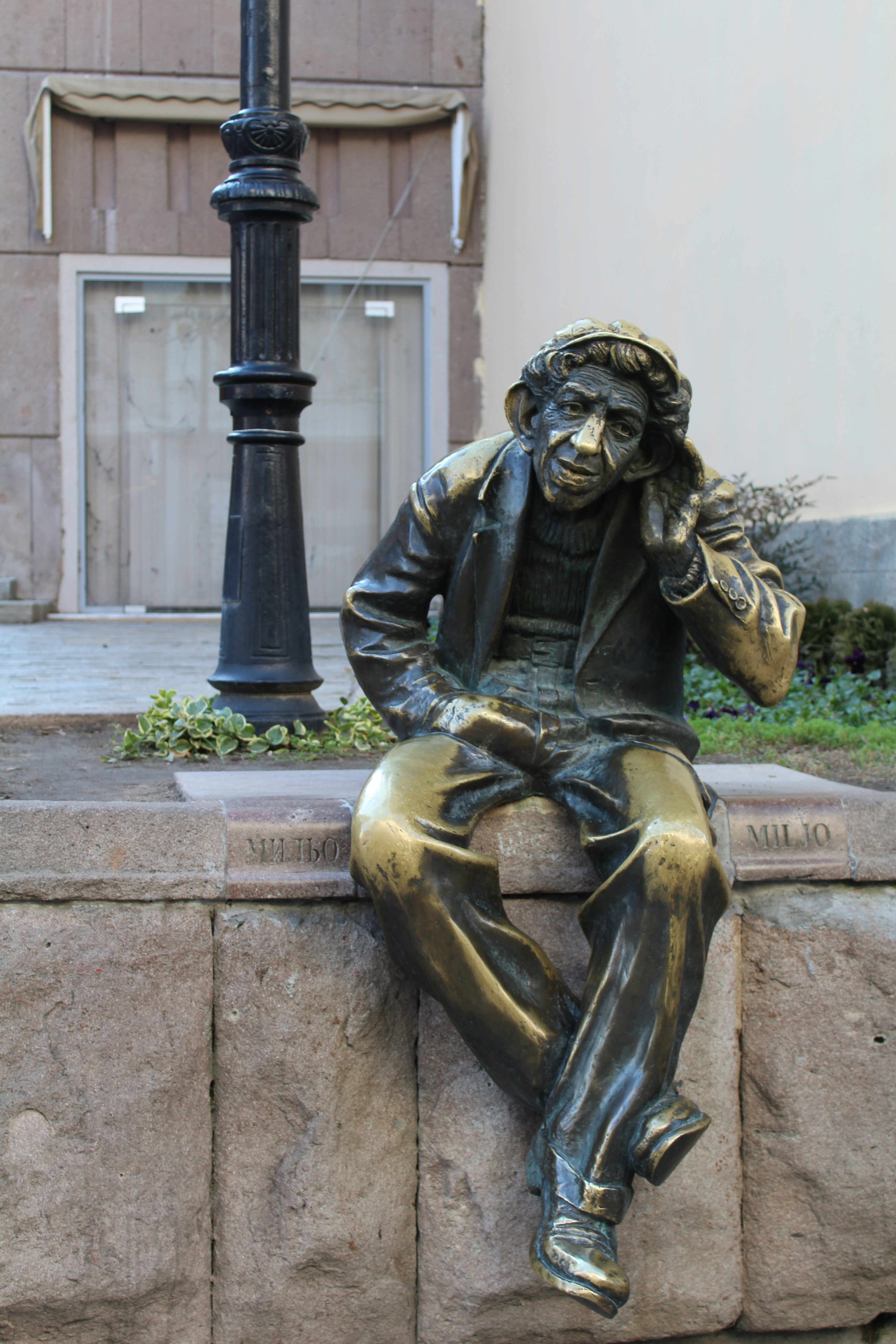
From classical music in Roman ruins to contemporary art in modern galleries, from folk festivals to alternative theatre – Plovdiv embraces it all. Museums such as the Regional Ethnographic Museum, the City Art Gallery, and the Museum of Natural History enrich the cultural experience even further.
The Old Town – A Walk Through Time
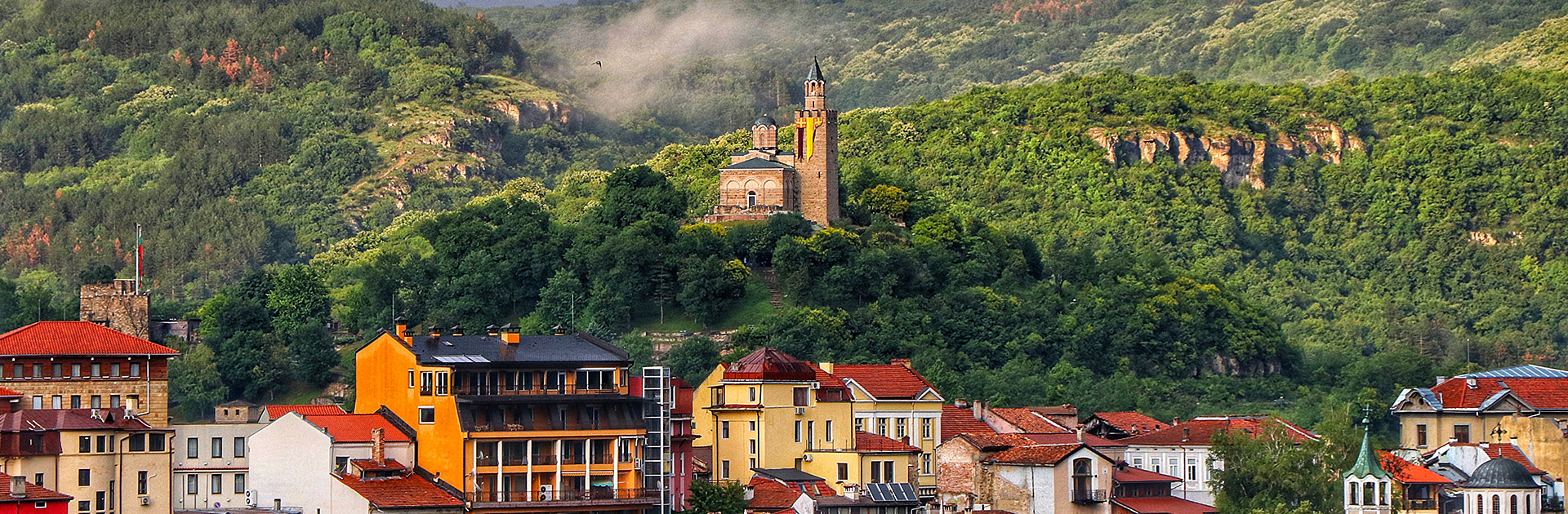
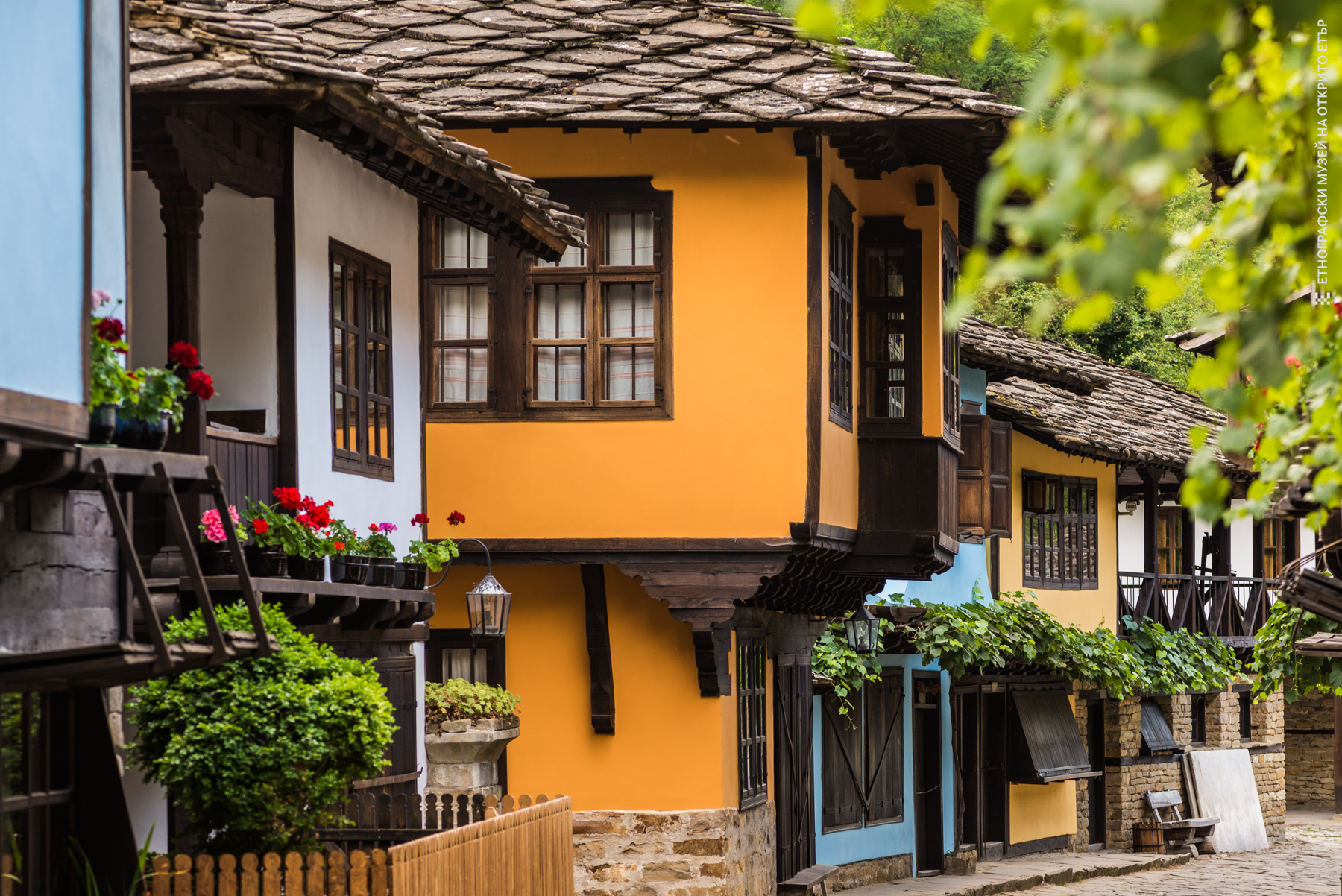
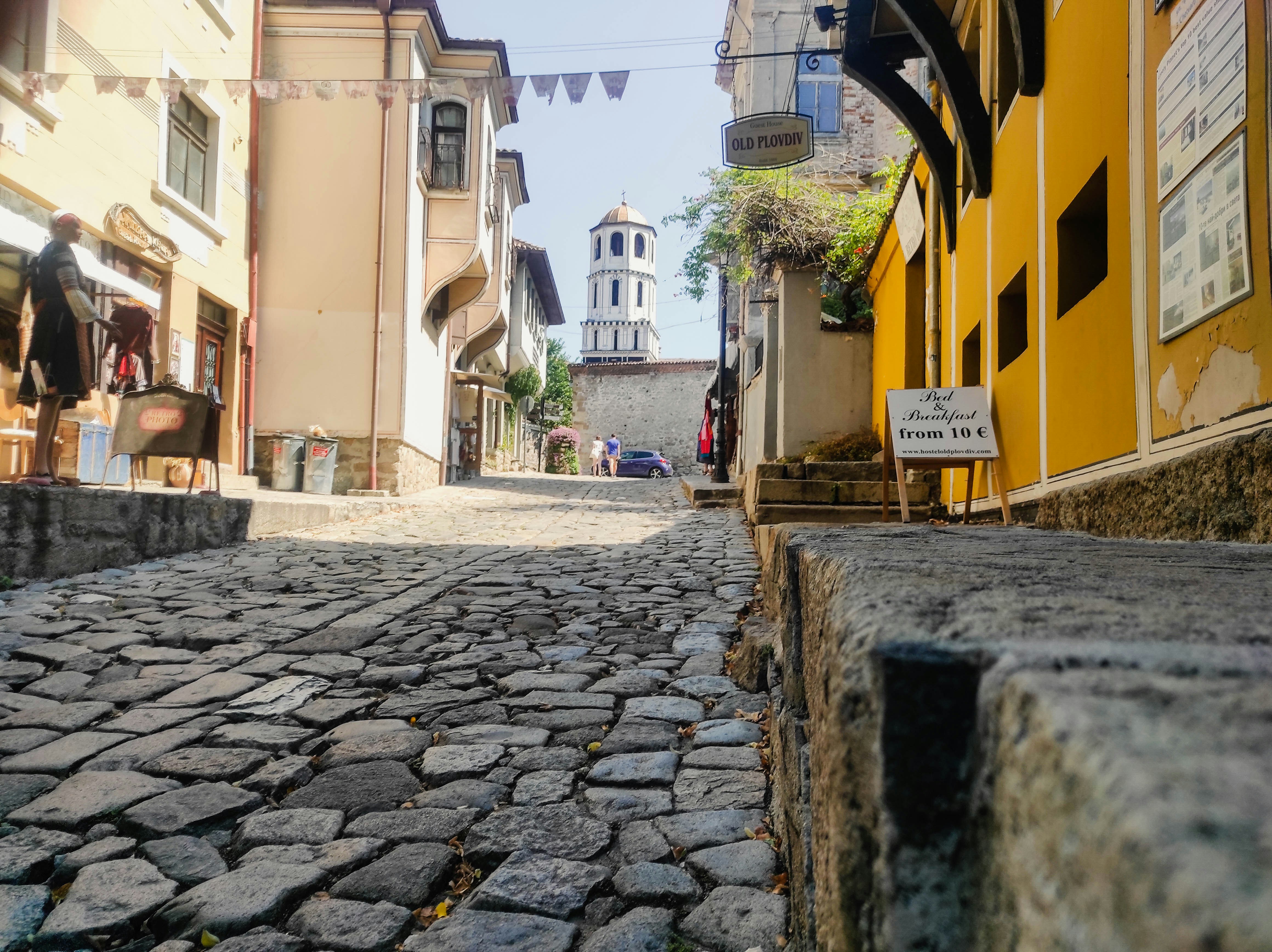
One of Plovdiv’s crown jewels is its Old Town, a unique architectural reserve built on three of the city’s hills. This area is famous for its beautifully restored Bulgarian Revival houses with brightly painted facades, wooden oriels, carved ceilings, and lush inner courtyards.
Among the highlights are:
Kapana – The Creative District
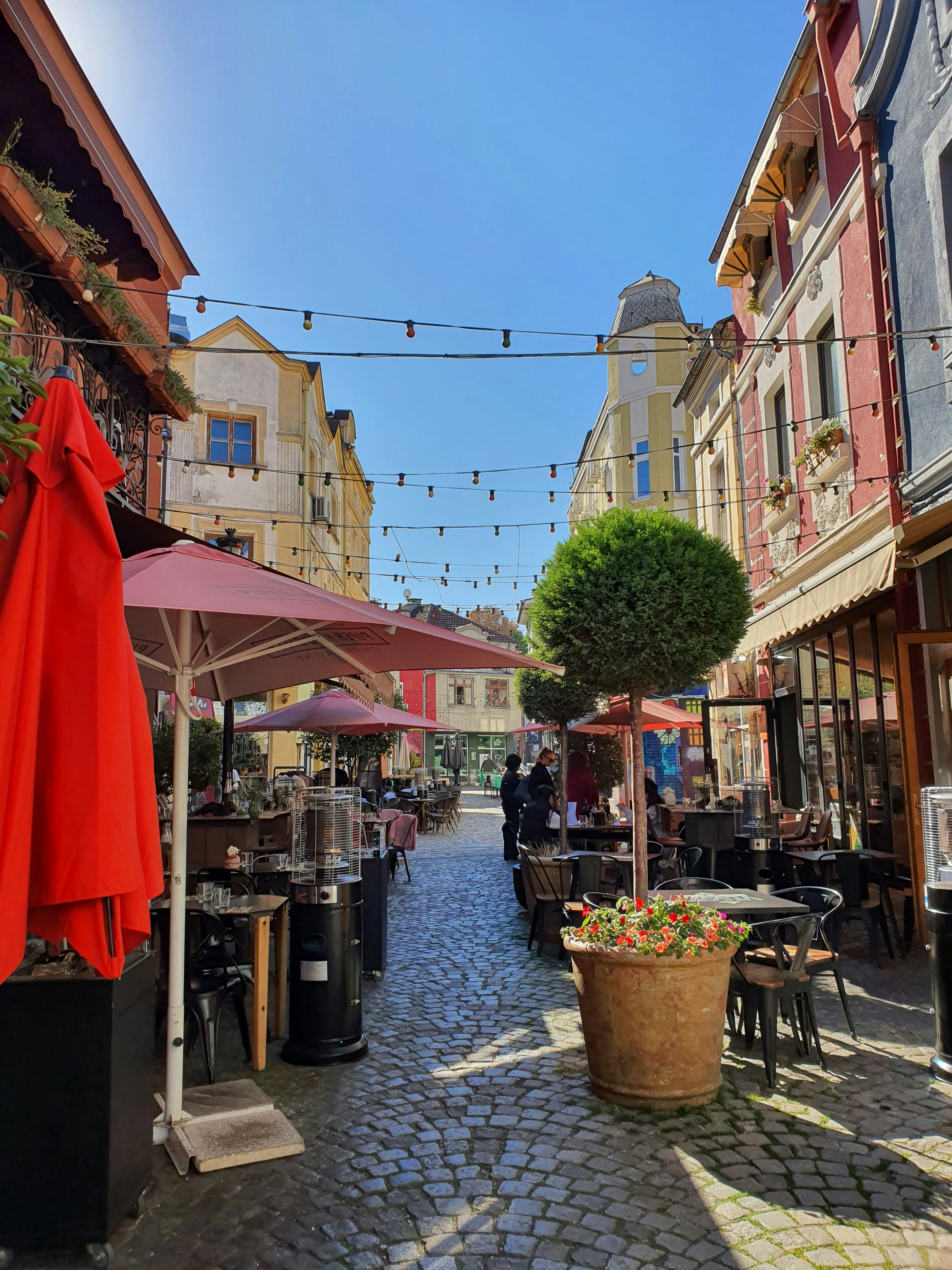
Just beneath the Old Town lies Kapana, meaning “The Trap.” Once a maze of neglected alleyways, Kapana has been transformed into a lively and artistic urban zone. Today it is a pedestrian-friendly neighborhood bursting with street art, small galleries, craft beer bars, design studios, and cozy cafés.
Kapana is not just a place to walk through; it's a place to experience. Whether you're sipping specialty coffee, shopping for local handmade goods, or attending a street festival, you’re guaranteed to feel the pulse of modern Plovdiv.
Modern Plovdiv – Youthful and Dynamic
Beyond its historic heart, Plovdiv is a thriving modern city. Its long pedestrian main street is filled with shops, restaurants, and local boutiques, making it one of the most pleasant city centers in Europe. The city has a large student population, giving it an energetic and forward-looking atmosphere.
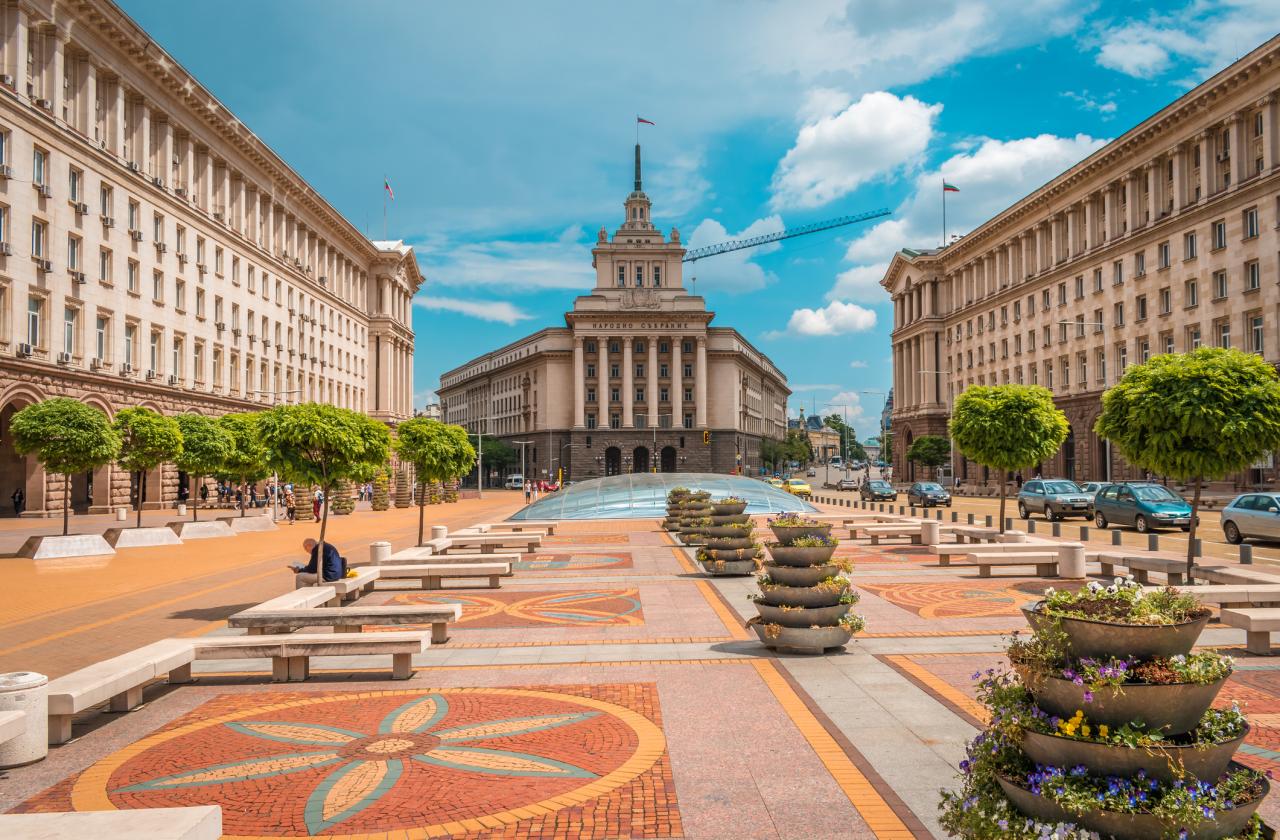
Green parks, wide boulevards, and a mix of architectural styles – from 19th-century neoclassical to socialist and contemporary – reflect the city’s dynamic growth. With new business centers, co-working spaces, and cultural startups, Plovdiv is as much a city of the future as it is of the past.
Local Cuisine and Flavors
Plovdiv offers a rich culinary landscape. Traditional Bulgarian dishes such as shopska salad, banitsa, kavarma, sarmi,and grilled meats are served alongside modern fusion cuisine and international options.
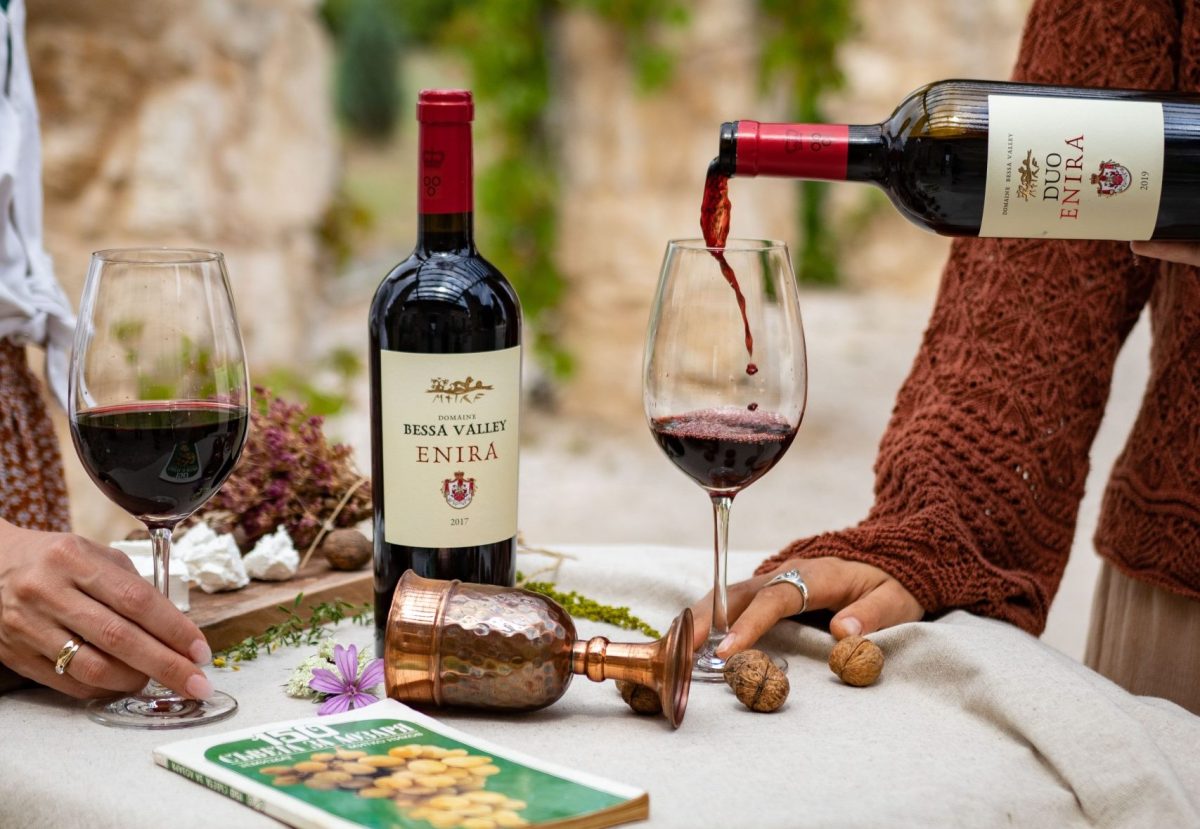
Whether you choose a traditional mehana (tavern) in the Old Town or a trendy bistro in Kapana, the local food is hearty, flavorful, and often prepared with locally sourced ingredients. Bulgarian wine and rakia (fruit brandy) are a must-try, especially from the nearby Thracian Valley, known for its excellent vineyards.
Why Visit Plovdiv?
Plovdiv is more than a city to see – it’s a city to feel. It invites you to step into layers of history, lose yourself in cobbled streets, discover creativity around every corner, and enjoy the relaxed rhythm of life. Whether you're a history lover, an art enthusiast, a foodie, or a curious traveler, Plovdiv has something to offer – in its streets, in its stories, and in its soul.