Rila Monastery is Bulgaria’s largest and most sacred monastery, nestled in the Rila Mountains. A UNESCO World Heritage Site, it combines stunning architecture, centuries of history, and deep spiritual significance – making it one of the country’s most important cultural and religious landmarks.
 Bulgaria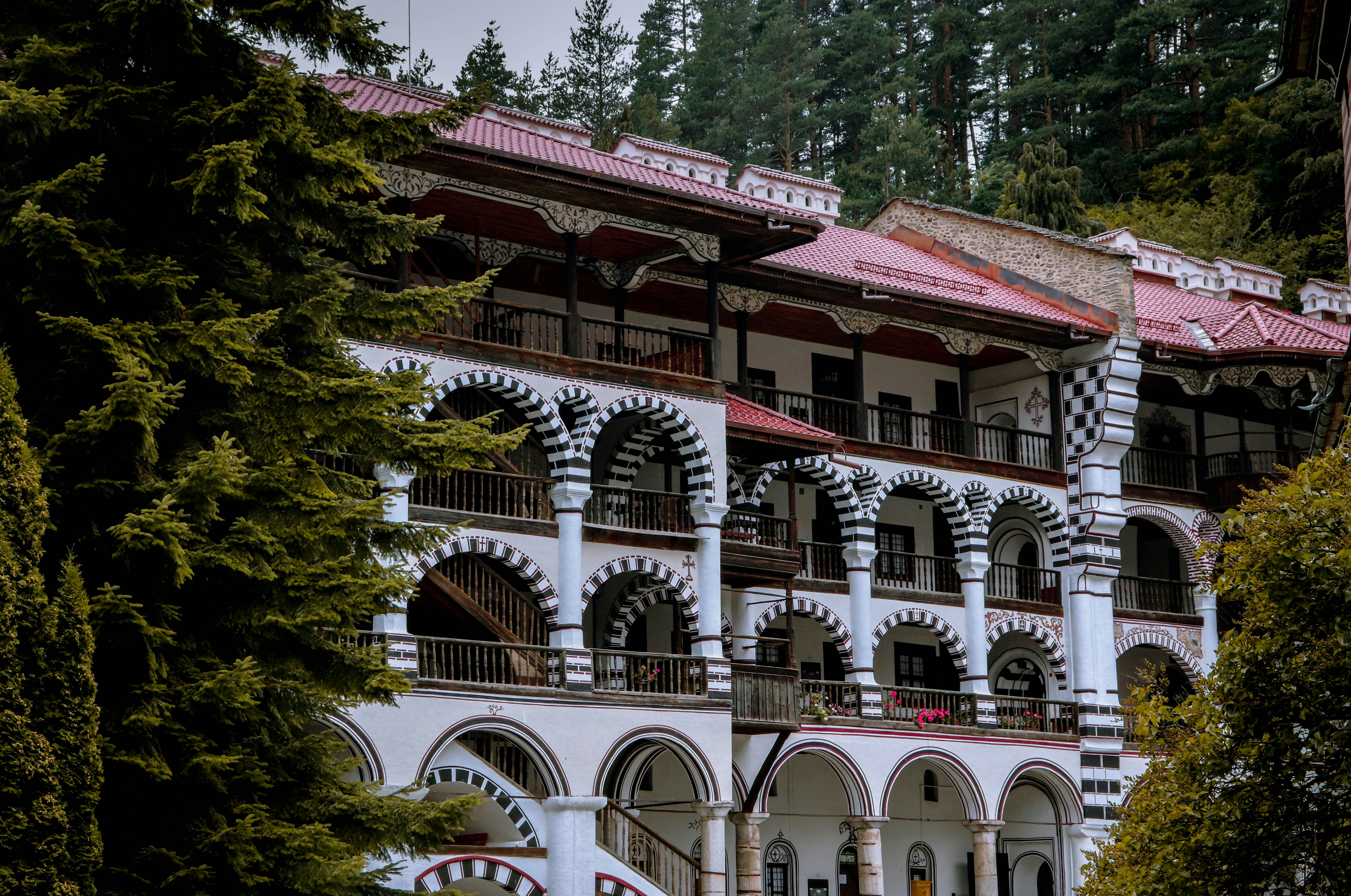
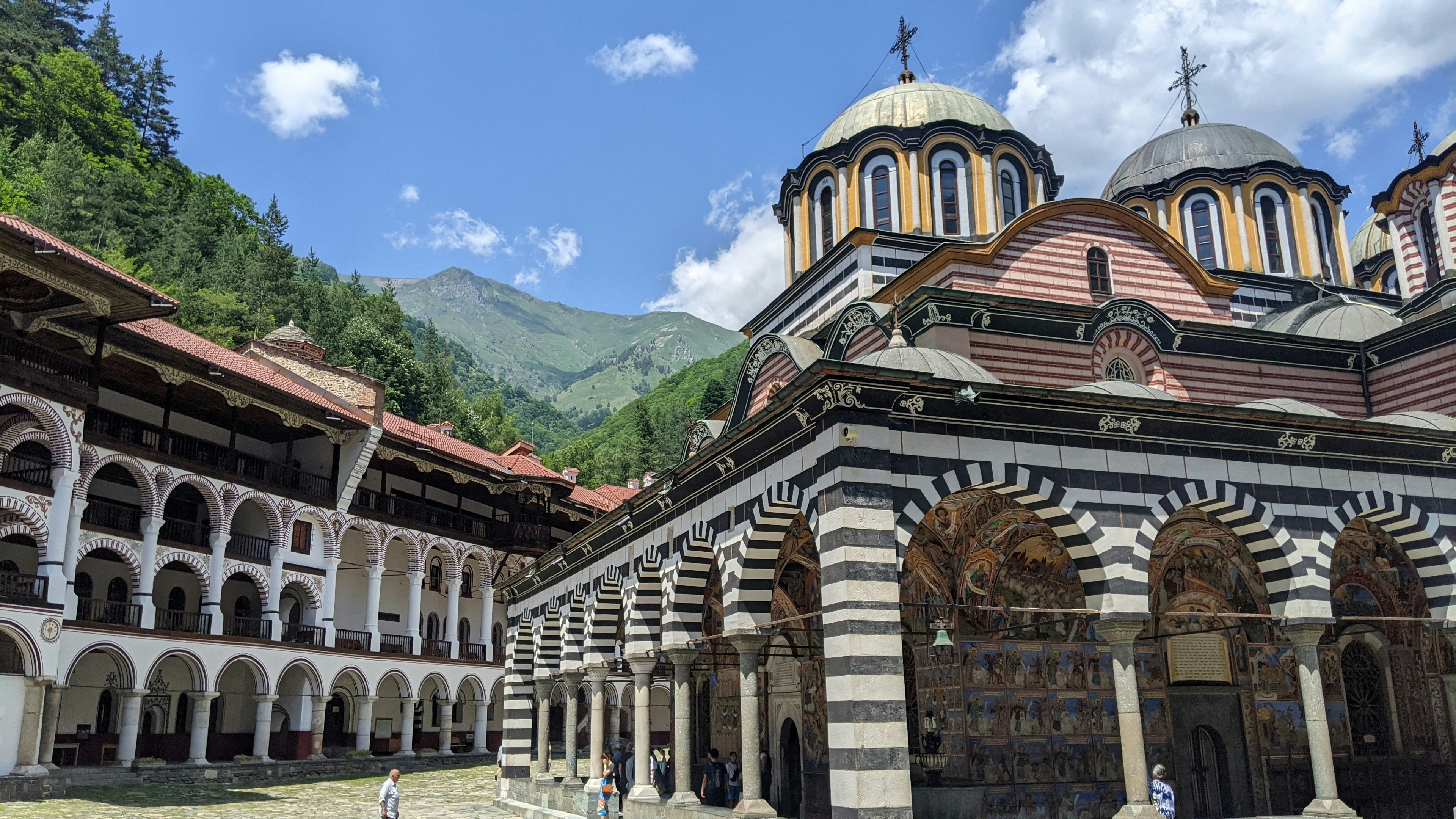
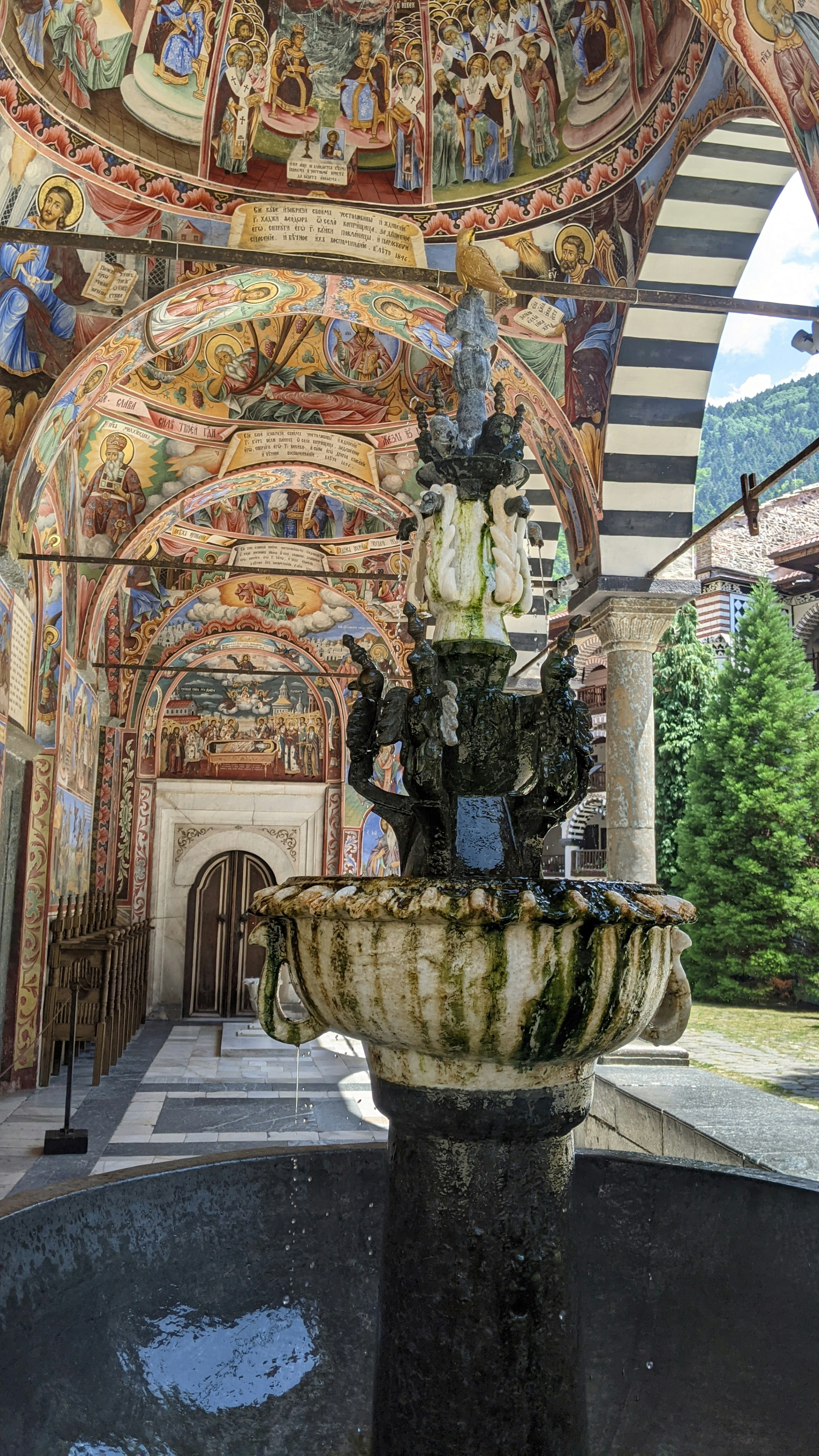
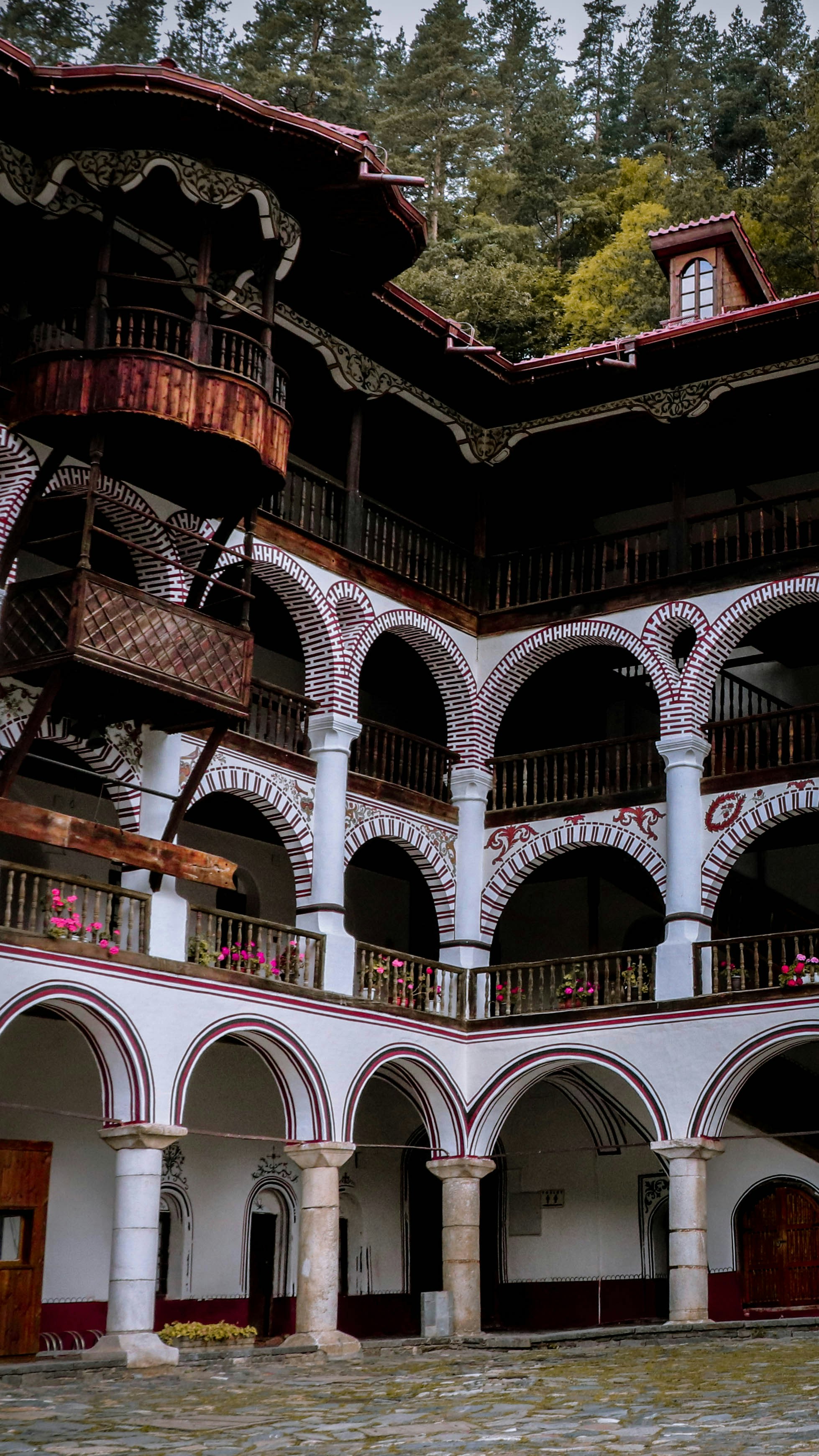
Rila Monastery is the largest and most famous Eastern Orthodox monastery in Bulgaria and one of the country’s most iconic landmarks. Located in the heart of the Rila Mountains, about 1,100 meters above sea level, it is a place of spiritual significance, historical importance, and architectural beauty. The monastery is a UNESCO World Heritage Site and a symbol of Bulgarian identity, resilience, and faith.
A Place Steeped in History
The monastery was founded in the 10th century by Saint Ivan of Rila, a hermit and spiritual leader who lived in a nearby cave. His disciples built the first monastic community in his honor, and over the centuries, the monastery grew into a major center of religious and cultural life.
Rila Monastery has survived fires, invasions, and political upheaval. It was destroyed and rebuilt several times, most notably in the 19th century during the Bulgarian National Revival. Despite these challenges, it has remained a vital spiritual and educational center throughout Bulgarian history.
Architectural Marvel
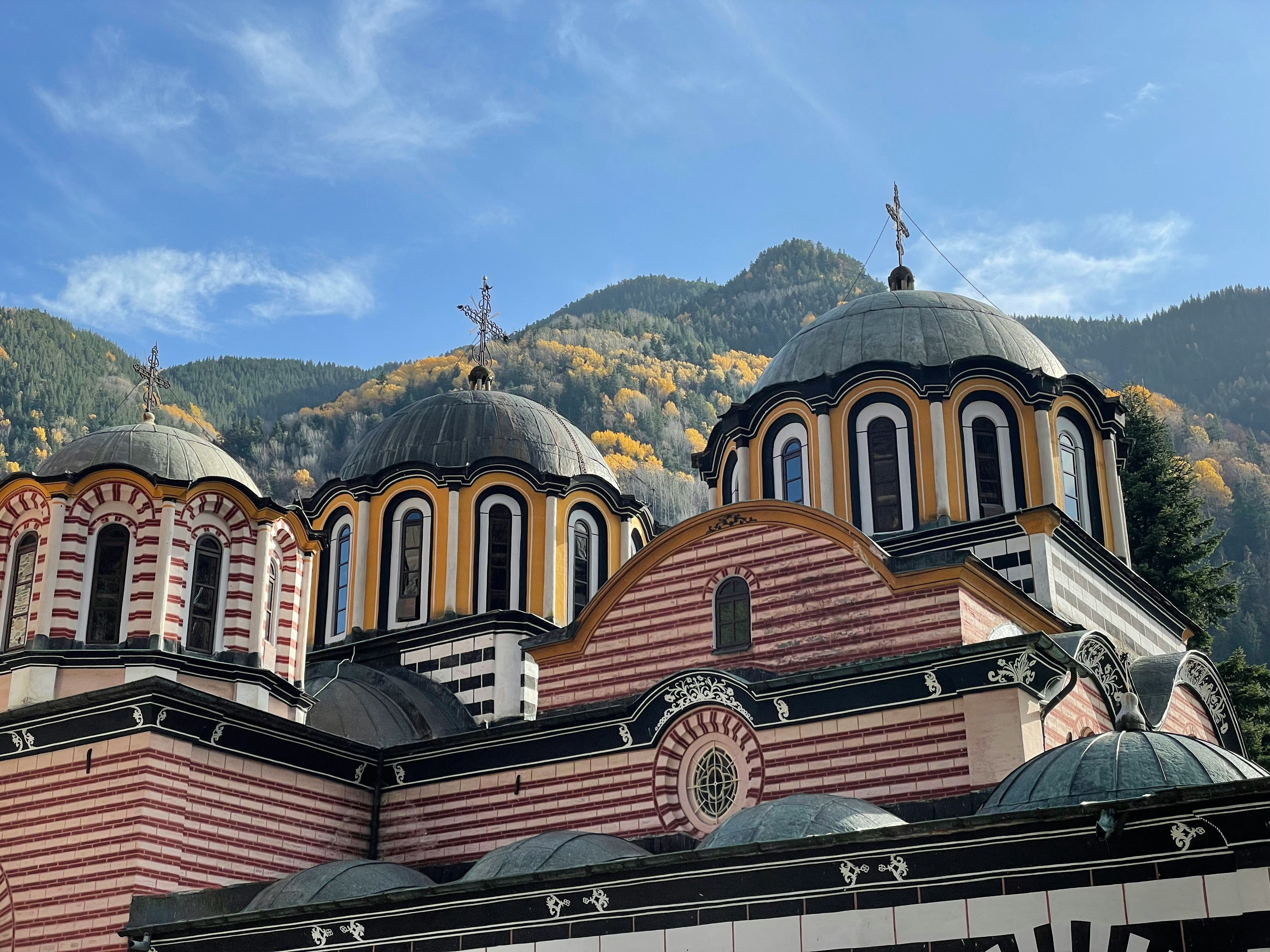
The current complex dates largely from the 19th century and features a harmonious blend of stone, wood, and vibrant color. Its main courtyard is surrounded by arcaded galleries, monks' quarters, and a fortified tower.
The centerpiece is the Church of the Nativity of the Virgin, known for its striped façade, colorful frescoes, and ornate wood-carved iconostasis. The paintings, created by some of Bulgaria’s most renowned artists, illustrate scenes from the Bible and Bulgarian Orthodox tradition.
Nearby stands the Hrelio Tower, a medieval defensive structure from the 14th century — the oldest preserved part of the complex.
Spiritual and Cultural Importance
Rila Monastery is more than just a religious site — it has played a crucial role in preserving Bulgarian culture, language, and education, especially during the centuries of Ottoman rule. It housed a rich library, a scriptorium, and served as a refuge for intellectuals and revolutionaries.
Today, it continues to function as a working monastery, where monks live, worship, and welcome pilgrims and tourists alike.
Surroundings and Nearby Attractions
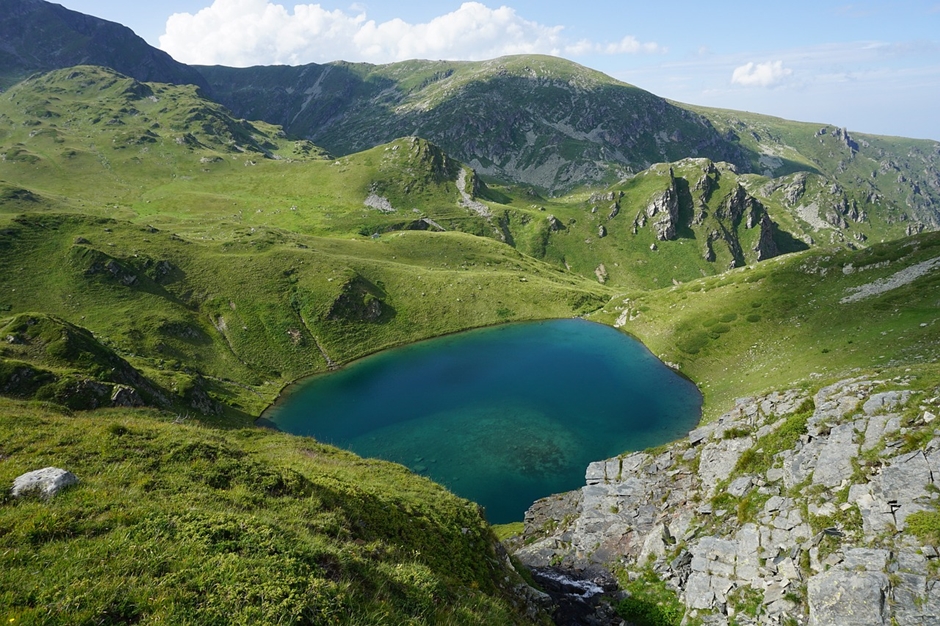
The monastery is set in a lush forested valley, surrounded by the majestic peaks of the Rila Mountains. The nearby St. Ivan of Rila’s Cave, where the saint lived in solitude, is a short hike away and is also a place of pilgrimage.
Visitors can enjoy nature trails, mountain air, and the peaceful atmosphere of the region, making Rila Monastery not only a cultural highlight but also a perfect retreat from the city.
Rila Monastery is a must-visit destination for anyone interested in Bulgarian history, Orthodox spirituality, or traditional Balkan architecture. Its stunning setting, rich heritage, and artistic treasures make it one of the most awe-inspiring places in the Balkans.
Whether you come for quiet reflection, cultural exploration, or scenic beauty — Rila Monastery leaves a lasting impression on every traveler.