Panama

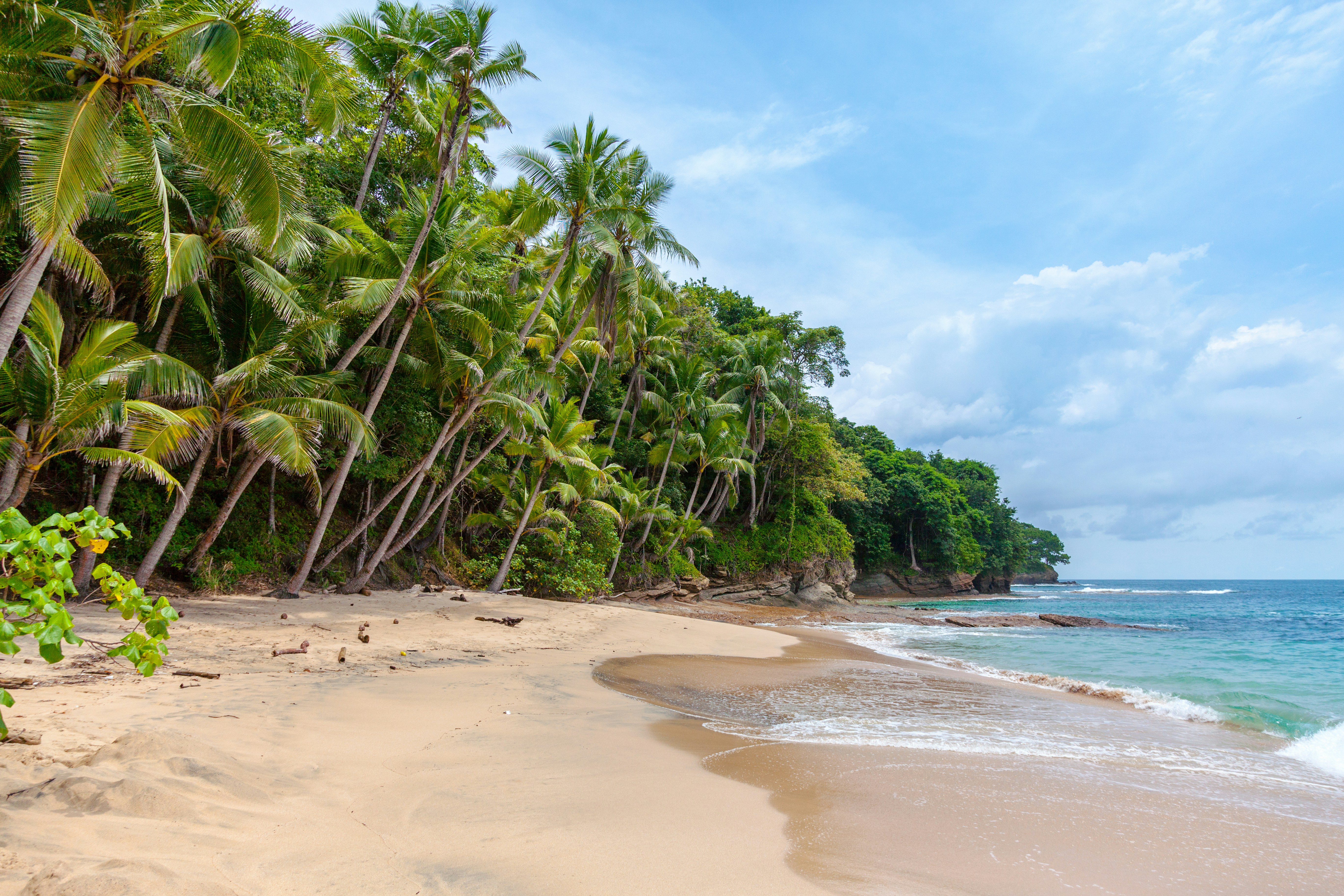
From the white sand beaches of Bocas del Toro to some of the best rum and coffee in the world, there are plenty of reasons to visit Panama.
PanamaPanama

Panama

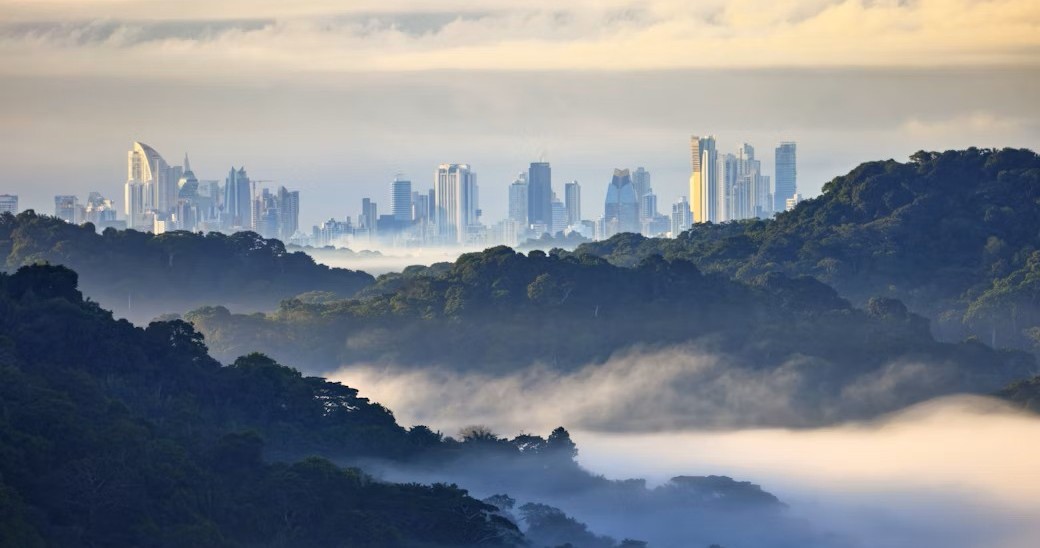
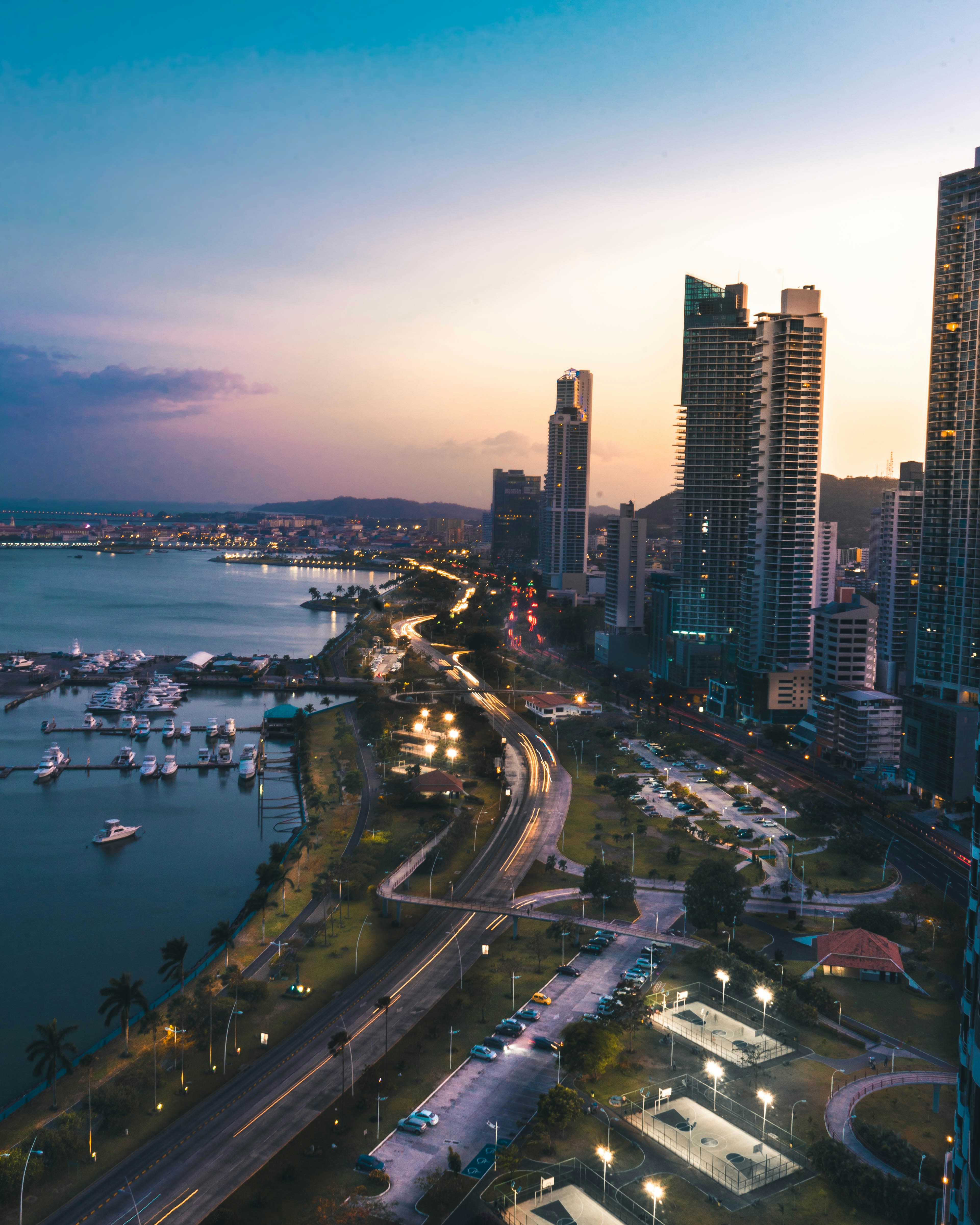
Panama is the southernmost country of Central America — the narrow land bridge connecting North and South America, and home to the most strategically important waterway in the world: the Panama Canal. Despite its tiny size (75,000 km²), Panama is extraordinarily diverse: pristine rainforests on both the Pacific and Caribbean slopes, coral archipelagos of great beauty, the second largest city in Central America, and a financial hub that draws business from across the hemisphere. The canal, completed in 1914, handles approximately 5% of all world maritime trade and remains one of the greatest engineering achievements in history.


Capital: Panama City

Population: ~4.4 million

Area: 75,417 km²

Currency: US Dollar (USD) and Panamanian Balboa (PAB) — at parity

Language: Spanish; English widely spoken in business and the Canal Zone

Religion: Predominantly Roman Catholic


Fascinating Facts

  • The Panama Canal: The 80 km canal connecting the Atlantic and Pacific oceans was completed in 1914 after a decade of construction — one of the largest and most difficult engineering projects in history, costing approximately 27,500 lives during construction. It saves ships a 12,000 km detour around Cape Horn.
  • Two oceans from one mountain: From the summit of Volcán Barú (3,474 m, Panama's highest peak), on clear days it is possible to see both the Pacific Ocean and the Caribbean Sea simultaneously — one of the rarest geographical experiences in the world.
  • More bird species than North America: Panama has recorded over 1,000 bird species — more than the entire USA and Canada combined. The Darién jungle, Pipeline Road near the Canal, and the Soberanía National Park are among the world's finest birdwatching destinations.
  • The Panama hat is not Panamanian: The famous toquilla straw hat originates in Ecuador — it was named after Panama because it was sold and popularised there during the construction of the Canal and the Railroad. Ecuadorians have never forgiven the confusion.


Nature & Key Destinations

  • Panama Canal: The Miraflores and Agua Clara locks visitor centres offer extraordinary views of container ships, tankers, and cruise vessels being raised and lowered between ocean levels. The Canal expansion of 2016 added a new lane capable of handling the world's largest ships.
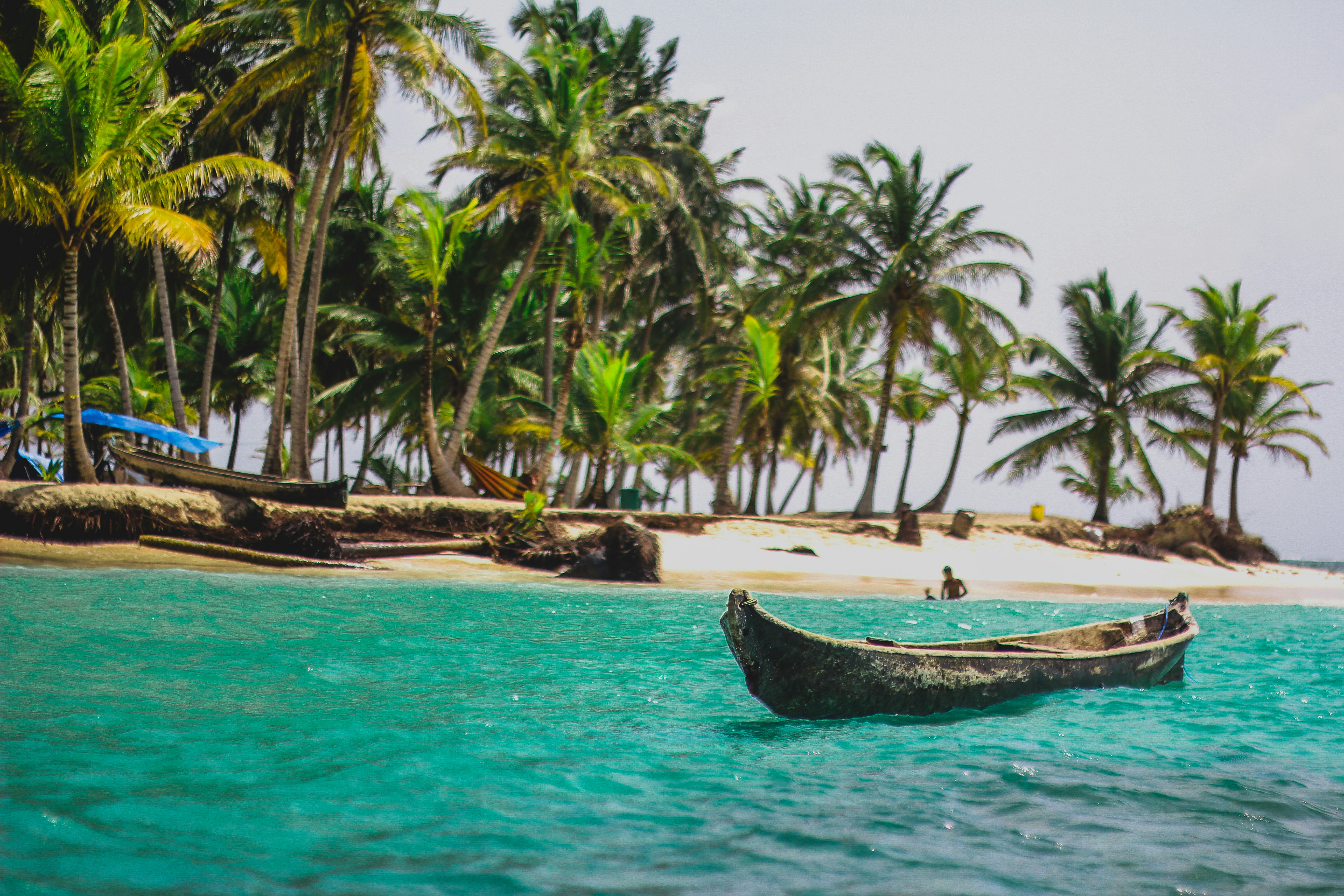
  • San Blas Islands (Guna Yala): An archipelago of 365 islands governed autonomously by the Guna Indigenous people — palm-fringed islands of white sand, clear water, and colourful mola textile art. One of the most authentic and protected Indigenous territories in the Americas.
  • Bocas del Toro: A Caribbean archipelago of jungle islands, coral reefs, and stilted villages above the water — one of Central America's finest snorkelling and surfing destinations, with a distinct Afro-Caribbean culture.
  • Darién National Park: A UNESCO World Heritage wilderness on the Colombian border — the famous Darién Gap, the only break in the Pan-American Highway, is one of the most biodiverse and least visited jungle areas in the Americas.


Cuisine

  • Sancocho & arroz con pollo: Sancocho panameño — a slow-cooked chicken and root vegetable soup with culantro (a strong local herb) — is Panama's national dish and the great hangover cure. Arroz con pollo (chicken rice with vegetables and beer) is the definitive everyday Panamanian meal.
  • Ceviche & patacones: Panamanian ceviche uses corvina (sea bass) with lime, coriander, and ají chombo (scotch bonnet pepper) — different from Peruvian but equally fresh and vibrant. Patacones (twice-fried green plantain discs) accompany almost every meal.
  • Panama's multicultural food scene: Panama City's cosmopolitan history — Canal workers from the Caribbean, Chinese, Indian, and West African communities — has created one of the most diverse dining scenes in Central America, from Afro-Caribbean rice and peas to Chinese-Panamanian chow mein.


Traditions & Culture

  • Pollera — the national dress: The pollera — an elaborately embroidered traditional dress worn with gold jewellery and ornate hairpieces — is considered the most beautiful national costume in Latin America. Worn at the Pollera Parade in Las Tablas during the Carnaval season.
  • Carnival: Panama's carnival (in Las Tablas and Panama City) is one of the most energetic in Latin America — four days of culecos (water truck battles), murgas (street bands), and the famous rivalry between the 'calle arriba' and 'calle abajo' neighbourhoods of Las Tablas.
  • Kuna (Guna) mola art: The Guna people's mola — layered reverse-appliqué textile panels of extraordinary geometric complexity — are among the finest traditional textile arts in the Americas. Worn as blouse panels by Guna women and sold as art objects worldwide.


Climate

  • Tropical: Hot and humid year-round (26–32°C). Dry season December–April (best for most travel). Wet season May–November — heavy afternoon rain, lush green landscape. Panama City's Pacific side is significantly drier than the Caribbean slope.
 
           
Payment by card
© Web Tours Ltd. All rights reserved
  Destinations
Tours
Ski Vacations
Entertainment & Nightlife
SPA & Wellness Packages
Day Trips from Sofia
Events
Art
Exotic
VIP For Couples
Weekends in Europe
Protect your trip!
Wine Tours
Gift voucher
Blog
Calendar

Client login

Agency login

Search