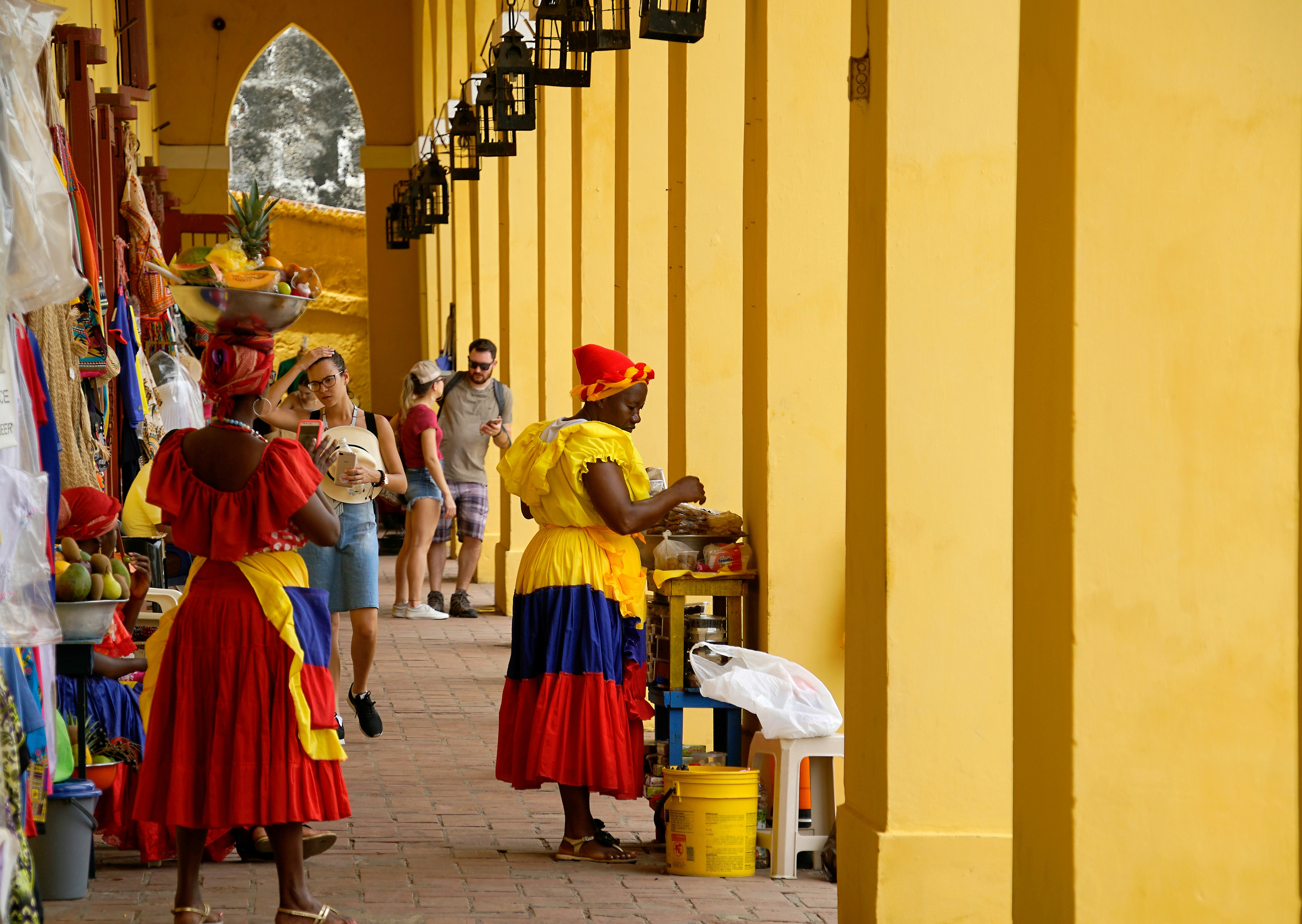
Colombia sits at the top of South America — the only country on the continent with coastlines on both the Pacific Ocean and the Caribbean Sea, and a land bridge connecting South America to Central America. It is a country of five distinct geographical regions: the Caribbean coast, the Pacific lowlands, the Andean highlands, the Amazonian jungle, and the Orinoco plains — each with its own culture, climate, and food. After decades overshadowed by conflict, Colombia has emerged as one of the hemisphere's most dynamic and welcoming travel destinations.
Capital: Bogotá
Population: ~52 million — the third most populous country in Latin America
Area: 1,141,748 km²
Currency: Colombian Peso (COP)
Language: Spanish
Religion: Predominantly Roman Catholic
Fascinating Facts
- Colombia produces 90% of the world's emeralds: The mines of Boyacá in the Colombian Andes are the source of the world's finest and most prized emeralds — a legacy of ancient Muisca culture that valued them far above gold.
- The most biodiverse country per km²: Colombia has more species of birds (1,900+) than any other country, more orchid species (4,000+) than anywhere on Earth, and the highest biodiversity per square kilometre of any nation. It occupies only 0.8% of Earth's land area but contains 10% of its species.
- Gabriel García Márquez: The Nobel Prize-winning novelist — born in Aracataca, Colombia in 1927 — invented Magical Realism as a literary genre in One Hundred Years of Solitude (1967). His work, set in the fictional Macondo, is the defining literary portrait of Latin American culture.
- The world's best coffee: Colombian coffee — grown in the mountainous Coffee Triangle (Eje Cafetero) at ideal altitudes of 1,200–1,800 m — is considered among the world's finest. The image of Juan Valdéz and his mule is one of the most recognisable brand icons in the world.
Nature & Key Destinations
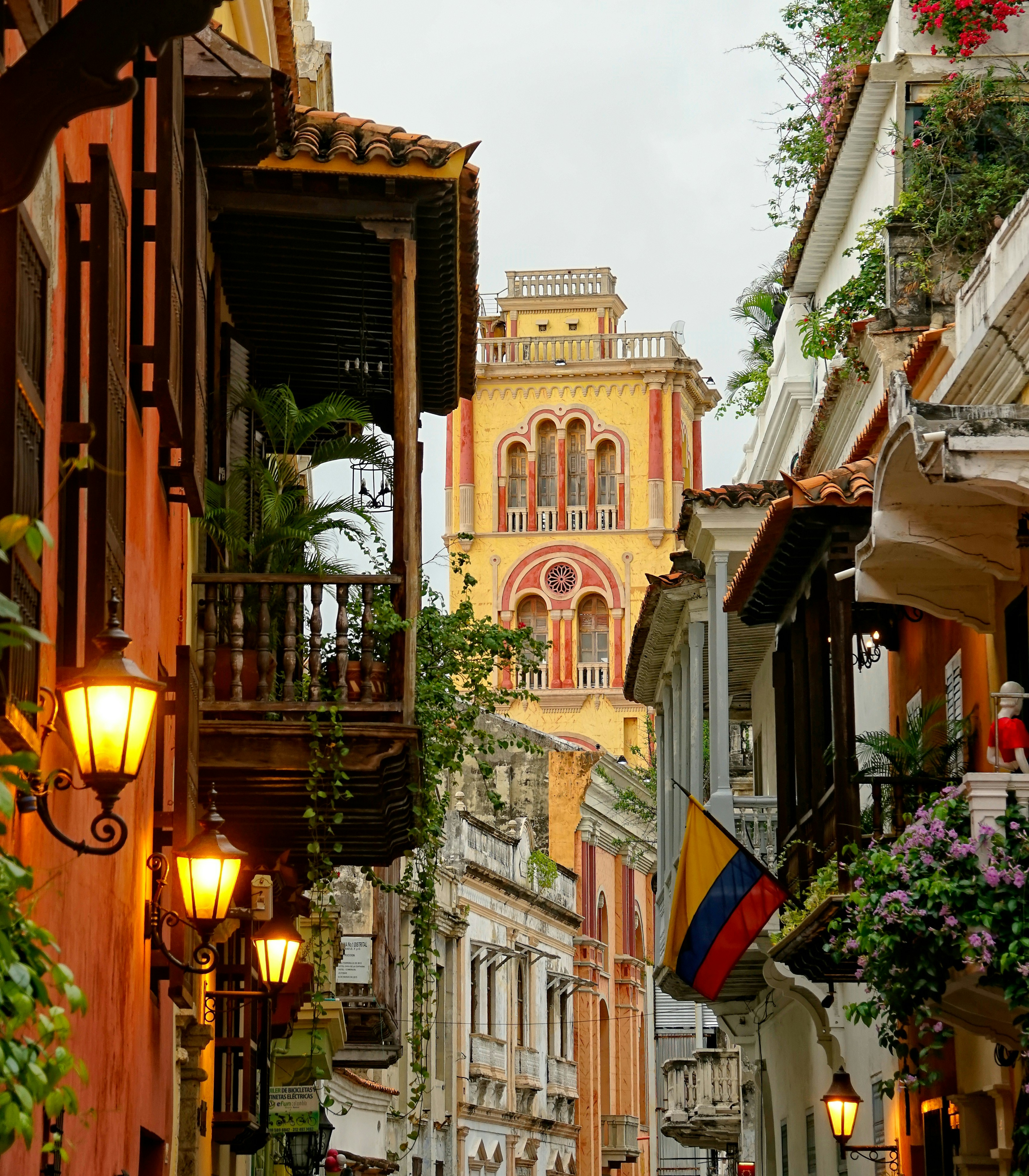
- Cartagena: A UNESCO-listed Caribbean walled city of extraordinary colonial beauty — pastel-coloured mansions, bougainvillea-draped balconies, golden beaches, and one of the most romantic old towns in Latin America.
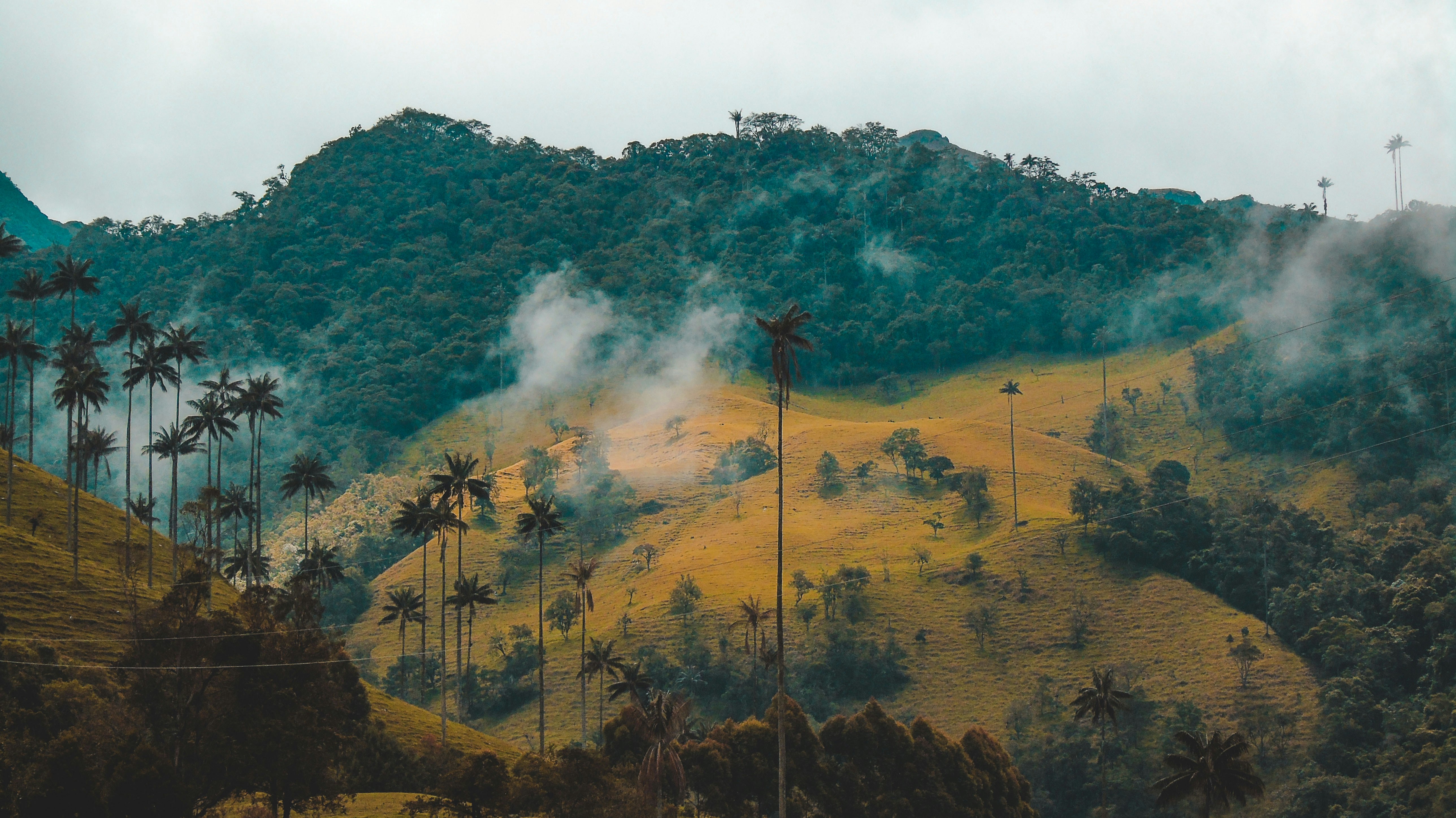
- Coffee Triangle (Eje Cafetero): The Andean coffee-growing heartland — steep green hillsides of coffee and banana plants, colourful Paisa villages, the Valle de Cocora's giant wax palms (Colombia's national tree), and hacienda stays on working coffee farms.
- Amazon & Los Llanos: Colombia's Amazon (accessible from Leticia) offers jungle lodges, river expeditions, and extraordinary wildlife. Los Llanos — the vast Orinoco plains — is one of South America's great wildlife spectacles during the dry season.
- Medellín: Once the world's most dangerous city, now one of the hemisphere's most innovative — the cable cars and outdoor escalators of its hillside comunas, the Botero sculptures in Plaza Botero, and a nightlife of legendary energy.
Cuisine
- Bandeja paisa: Colombia's most famous dish — a vast platter of red beans, white rice, minced beef, chicharrón (fried pork belly), fried egg, sweet plantain, avocado, and arepa. The definitive meal of the Paisa region and a challenge of formidable dimensions.
- Arepas & empanadas: Arepas — thick cornmeal discs grilled, baked, or fried — are the daily bread of Colombia, eaten at every meal in dozens of regional varieties. Colombian empanadas are small, fried, and filled with potato and meat.
- Colombian coffee & aguardiente: A tinto (small black coffee) is offered as a greeting throughout Colombia. Aguardiente — anise-flavoured sugarcane spirit — is the national drink, consumed at every celebration with dancing.
Traditions & Culture
- Carnaval de Barranquilla: A UNESCO World Heritage carnival — the second largest in the world after Rio — four days of cumbia, mapalé, and vallenato music, elaborate costumes, and the ceremonial 'burial of Joselito Carnaval' on the final night.
- Vallenato music: The music of the Colombian Caribbean — accordion, caja drum, and guacharaca, playing the four rhythms of paseo, merengue, son, and puya. UNESCO-listed and the sound of García Márquez's Macondo brought to life.
- Fernando Botero: Colombia's most famous visual artist — Botero's 'Boterismo' style (monumental, rotund figures of deliberate exaggeration) is one of the most instantly recognisable styles in Latin American art. His sculptures grace public squares in Medellín, Bogotá, and Cartagena.
Climate
- No seasons — only altitudes: Colombia has no traditional seasons — climate is determined by altitude. The coast and lowlands are hot year-round (28–35°C). Bogotá (2,600 m) is mild and often rainy (14–19°C). The Coffee Triangle is spring-like year-round. Best dry seasons: December–March and July–August.

 Colombia