Bulgaria

Bulgaria – the mystical land of ancient Thracians, golden treasures, and rose oil that enchants the world!
BulgariaBulgaria

Bulgaria

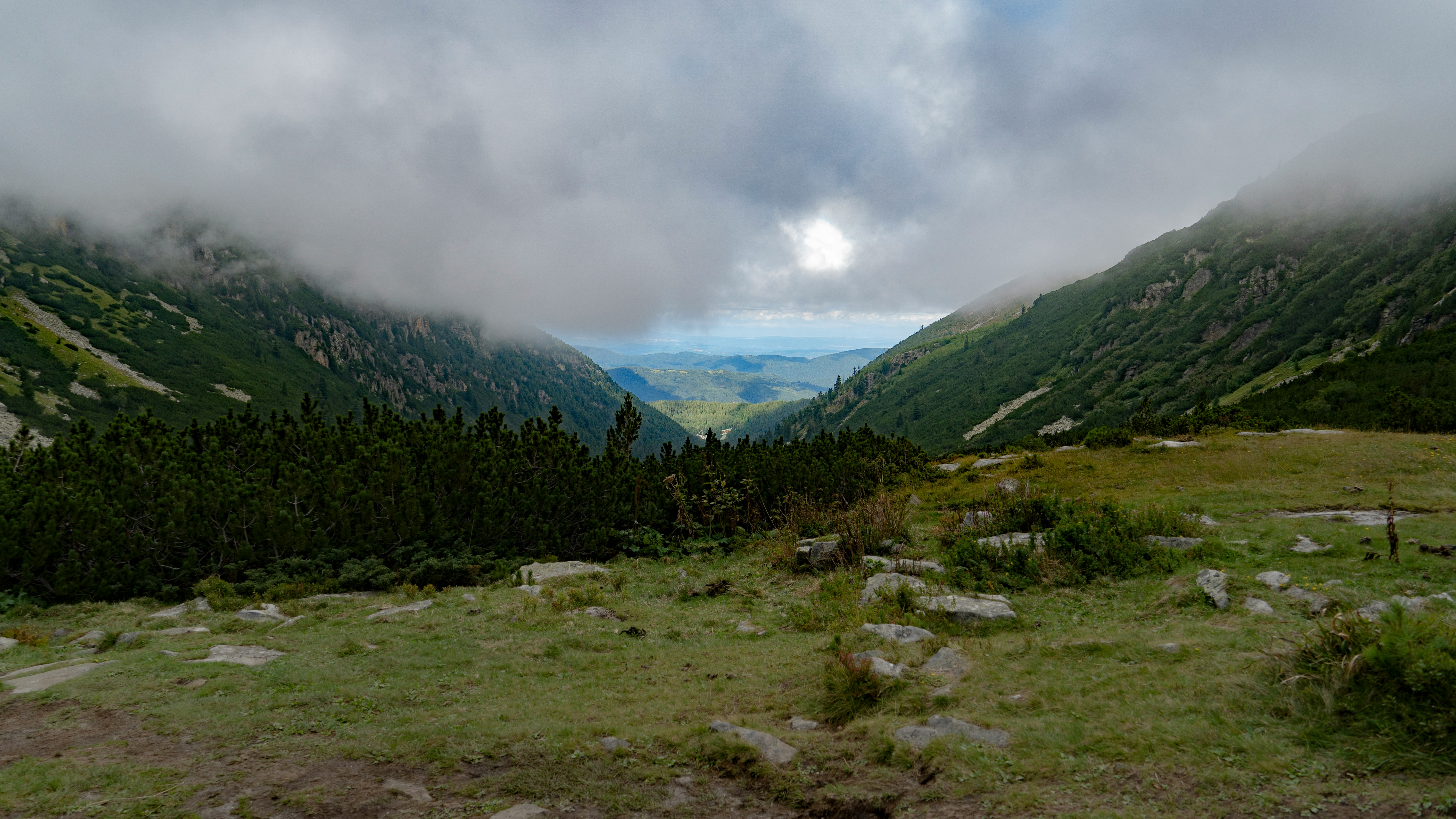
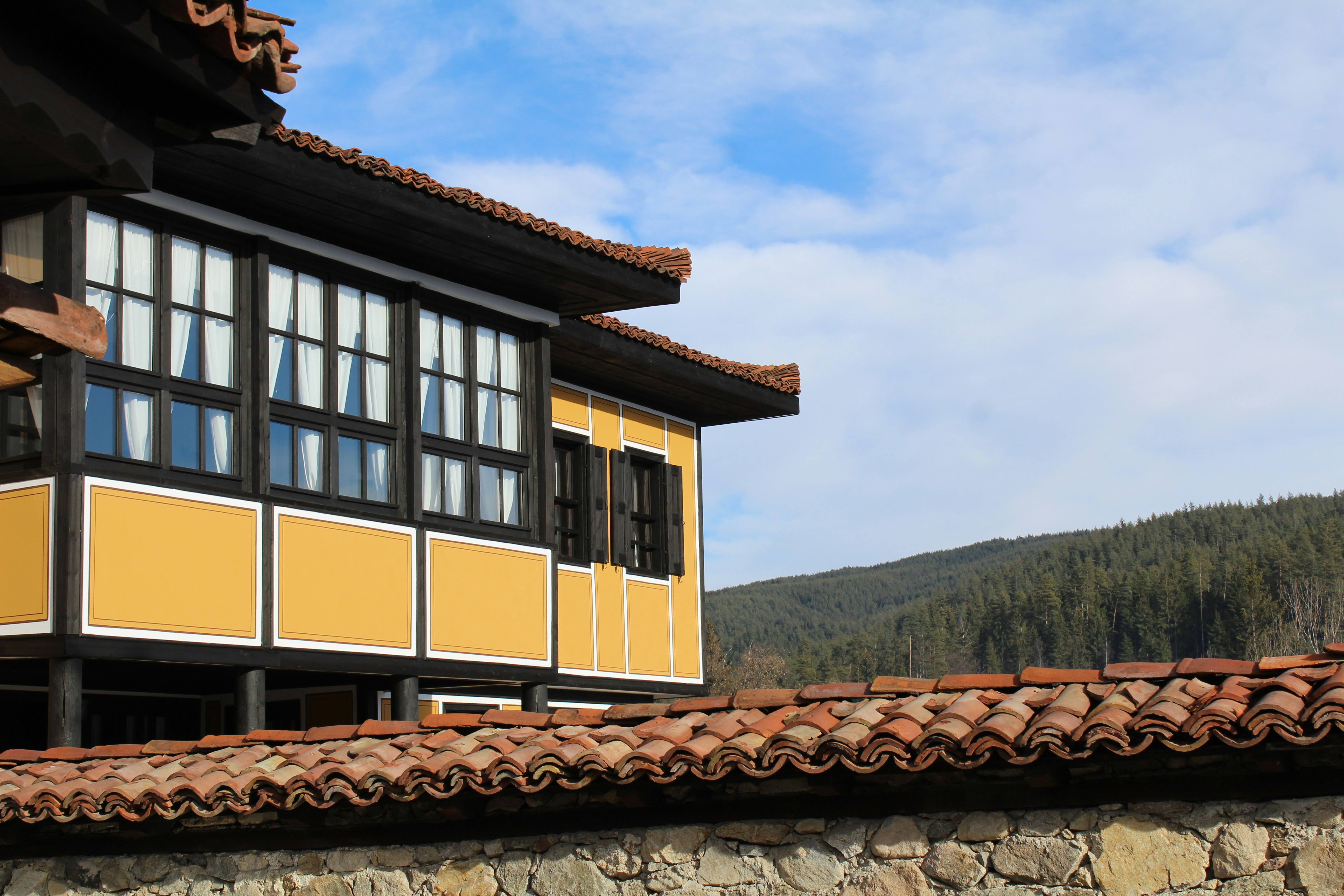
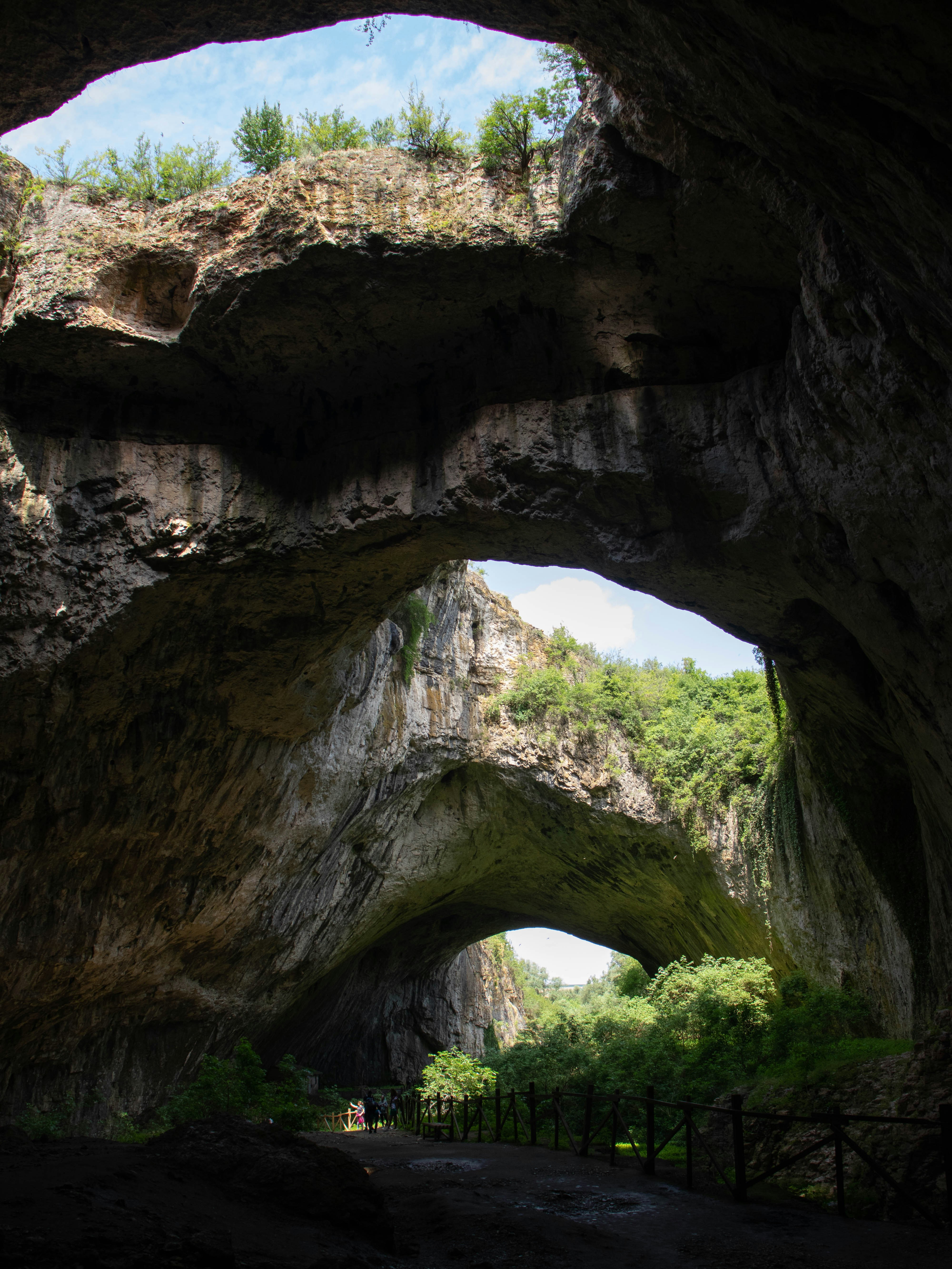
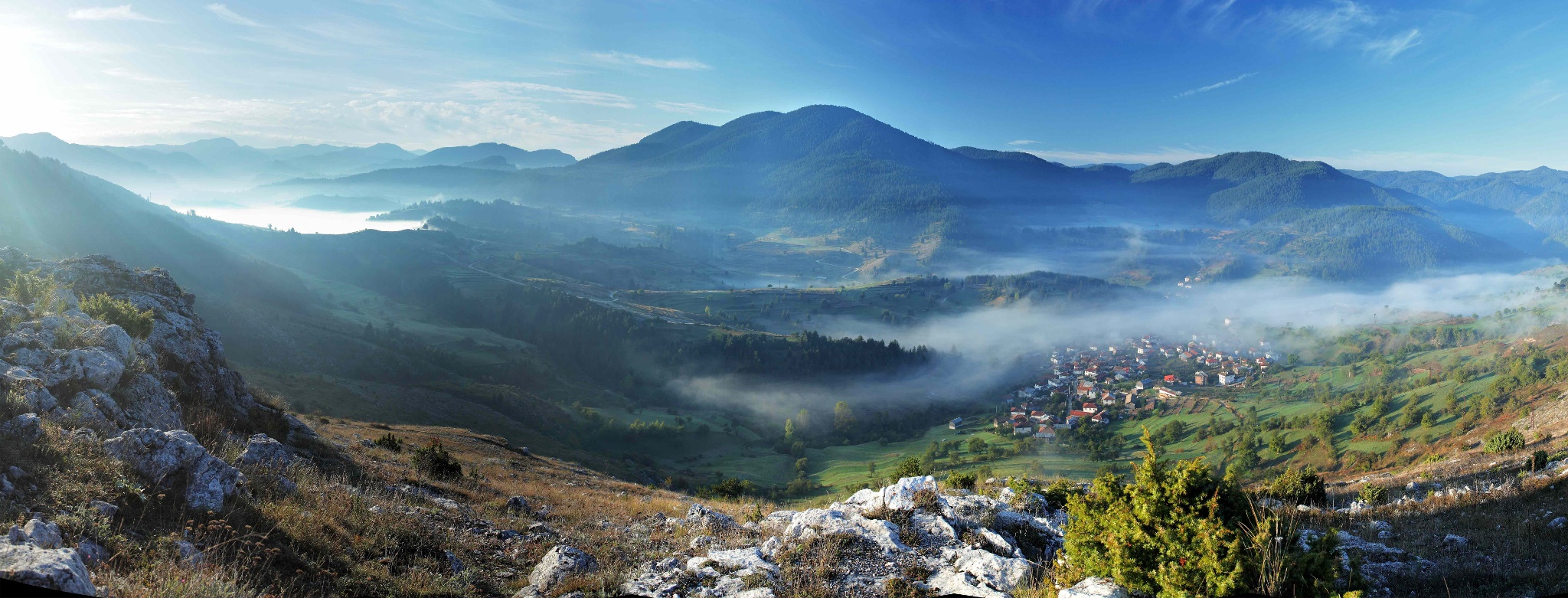
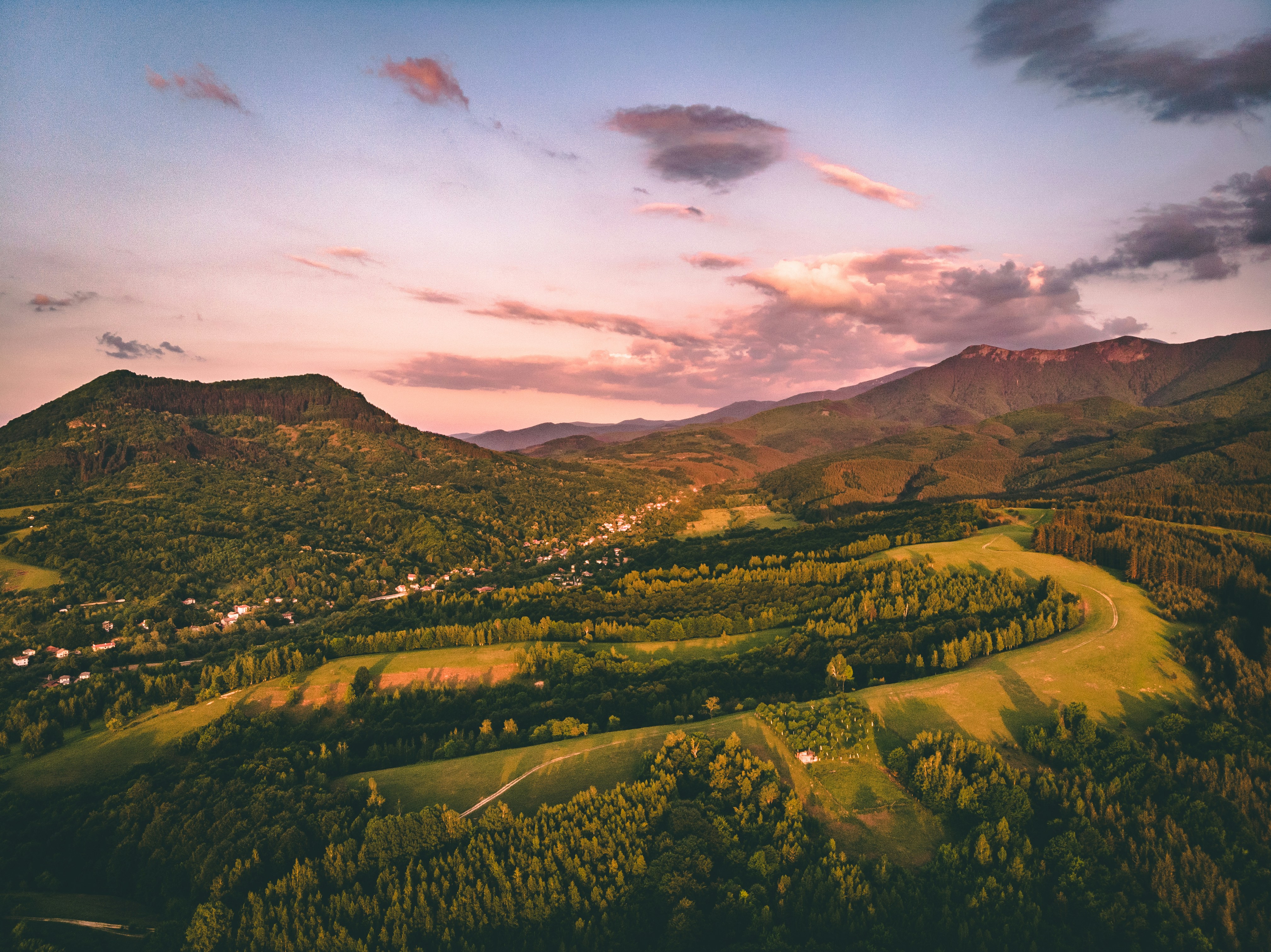
Located at the crossroads of Europe and Asia, Bulgaria is a small country with a remarkably diverse landscape — from the snowy peaks of the Rila and Pirin mountains to the golden sands of the Black Sea coast. Its history spans millennia, shaped by the Thracians, Romans, Byzantines, and Slavs, each leaving behind a rich cultural and architectural legacy that can still be explored today.


Capital: Sofia

Population: ~6.5 million

Area: 110,879 km²

Currency: Euro (EUR) — EU member

Language: Bulgarian, written in the Cyrillic alphabet

Religion: Predominantly Eastern Orthodox Christian

Founded: 681 AD — one of Europe's oldest states, never changed its name


Fascinating Facts

  • World's oldest gold: The Varna Necropolis holds the oldest processed gold jewellery ever found — over 6,500 years old, predating the Egyptian pyramids.
  • Cyrillic alphabet: Created in Bulgaria in the 9th century, now used by over 250 million people across Eastern Europe and Central Asia.
  • Rose oil capital: Bulgaria produces 70–85% of the world's rose oil, used in the finest perfumes. The Rose Valley blooms every May.
  • Martenitsa: On 1 March, Bulgarians exchange red-and-white trinkets for health and good luck — a tradition unique to Bulgaria, listed by UNESCO.
  • Head gestures are reversed: Nodding means 'no'; shaking side-to-side means 'yes' — the opposite of most countries.
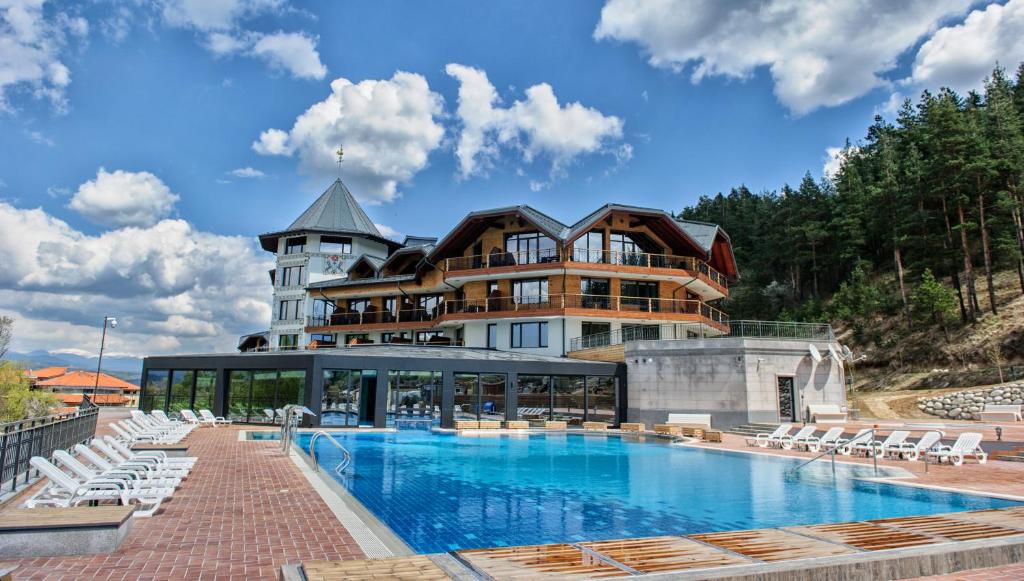
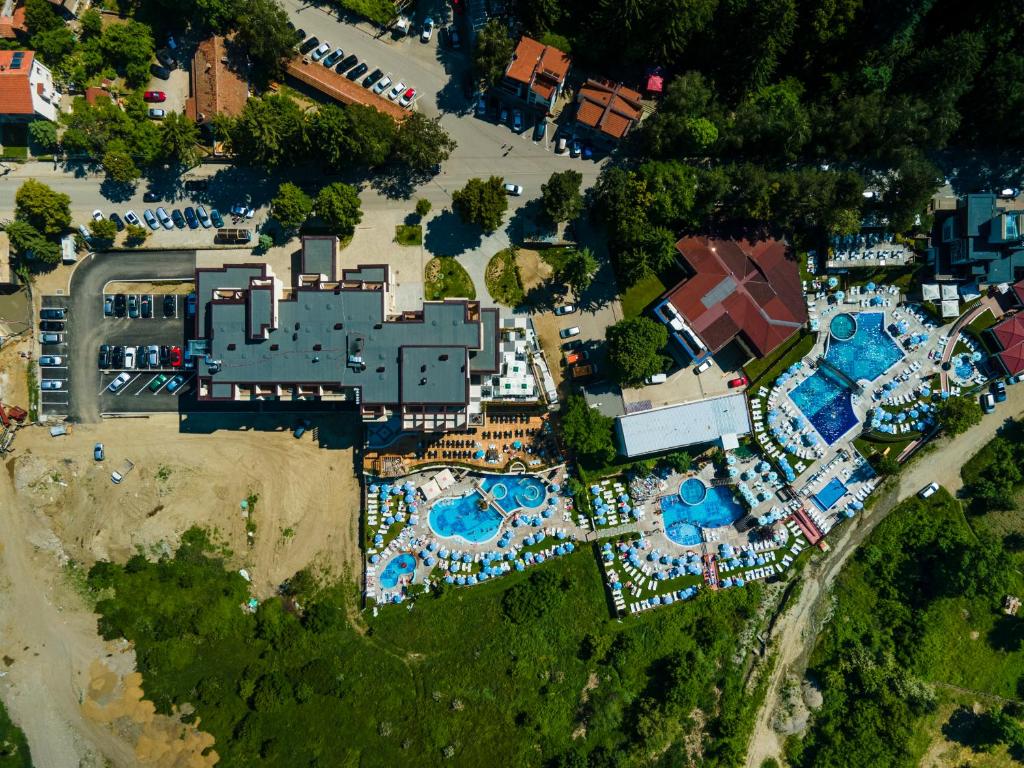
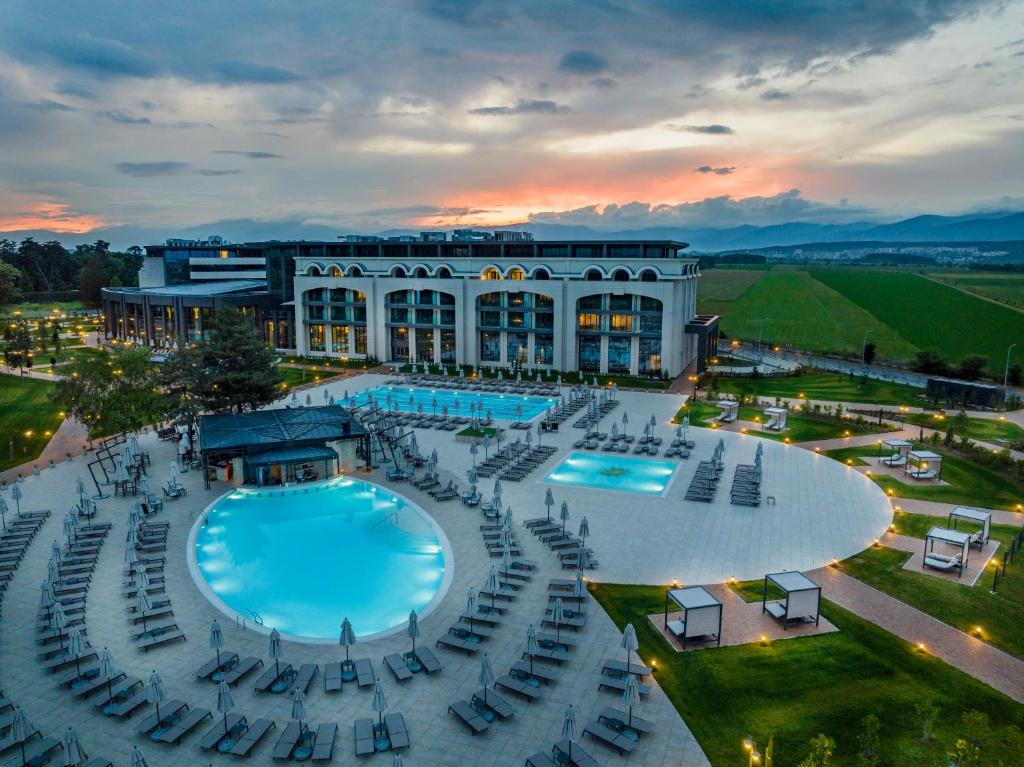
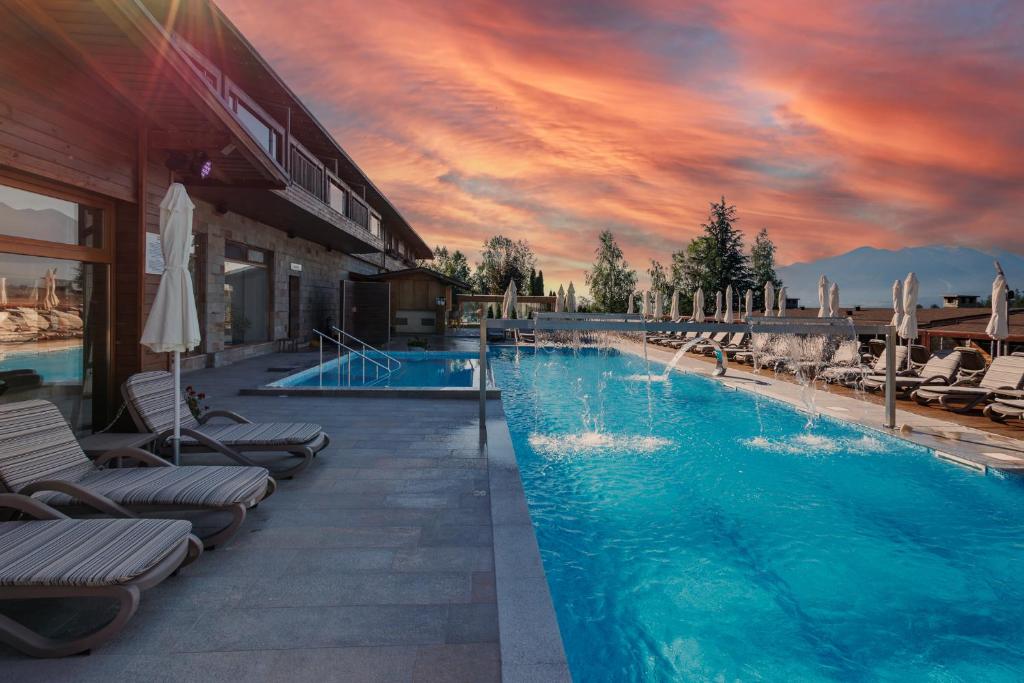
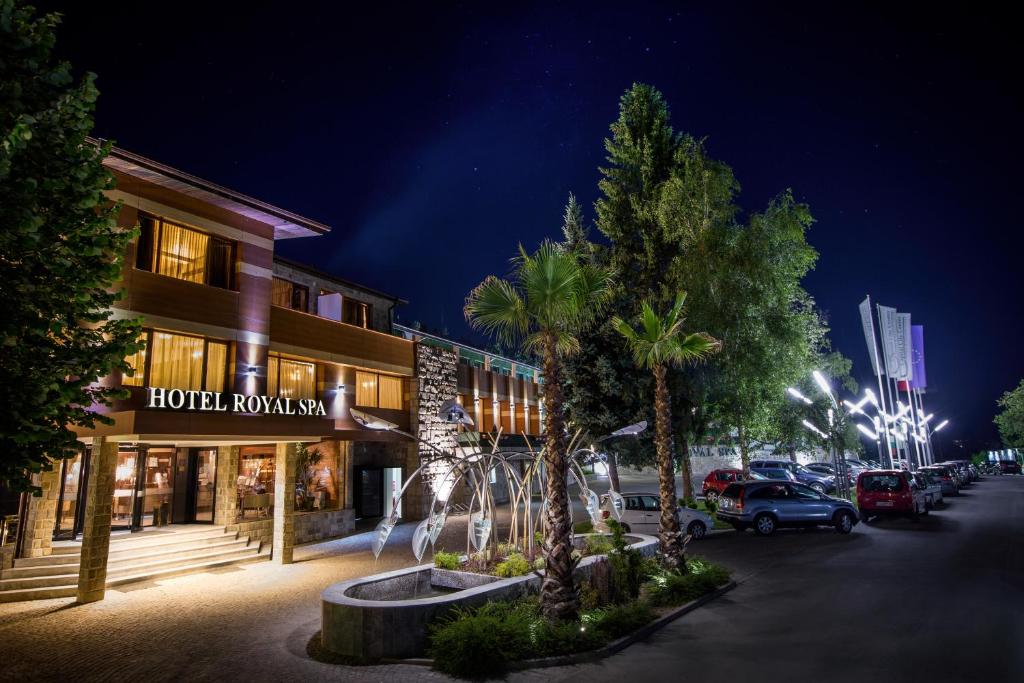
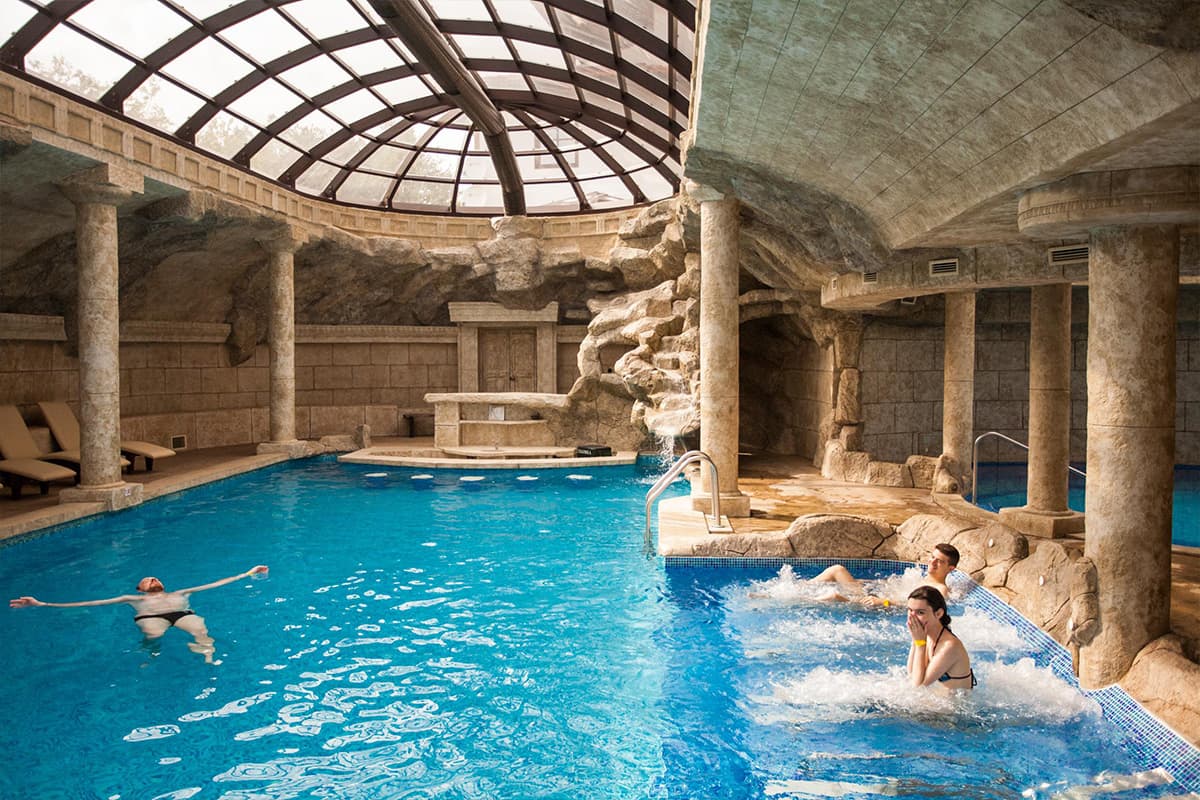
  • Over 700 mineral springs: Bulgaria has more hot springs per km² than almost any European country. The Romans built baths here; spa tourism thrives today.


Nature & Geography

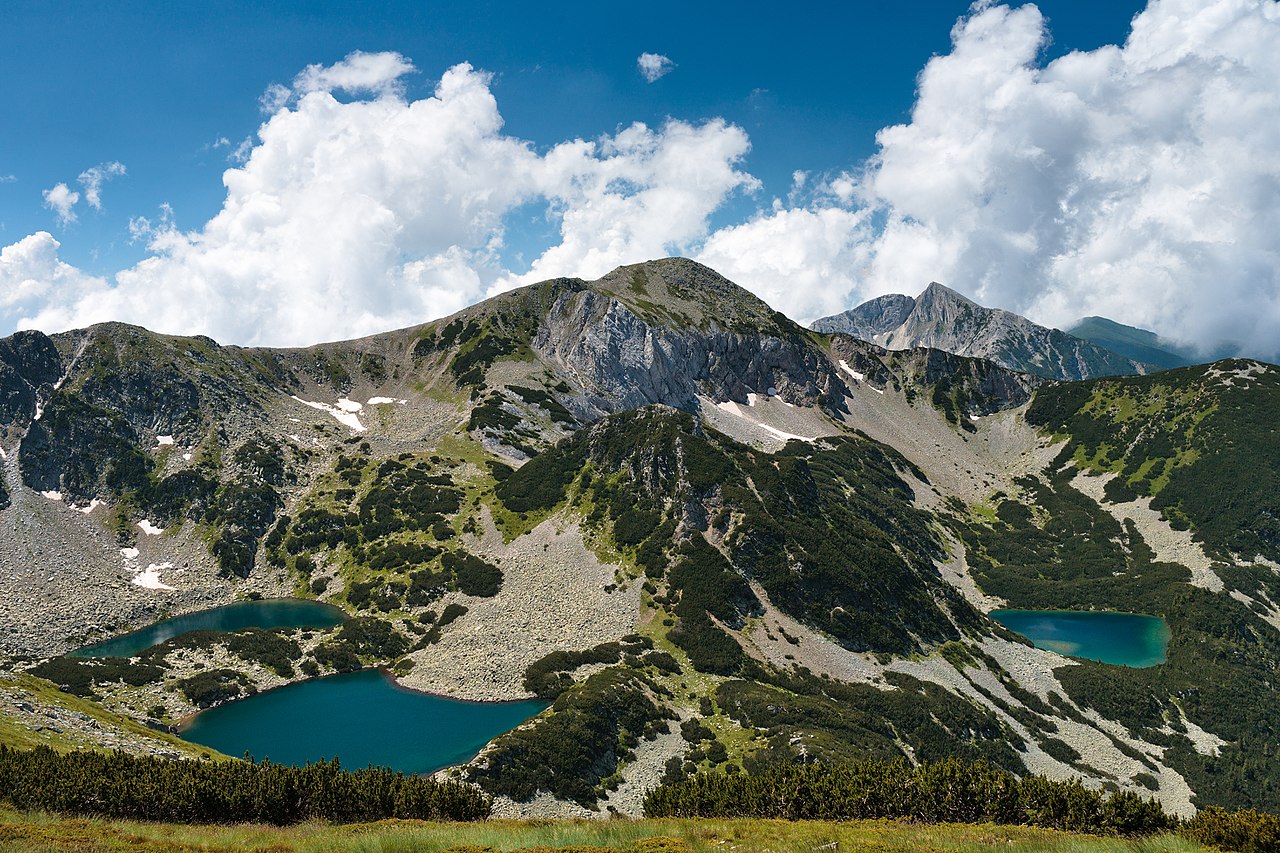
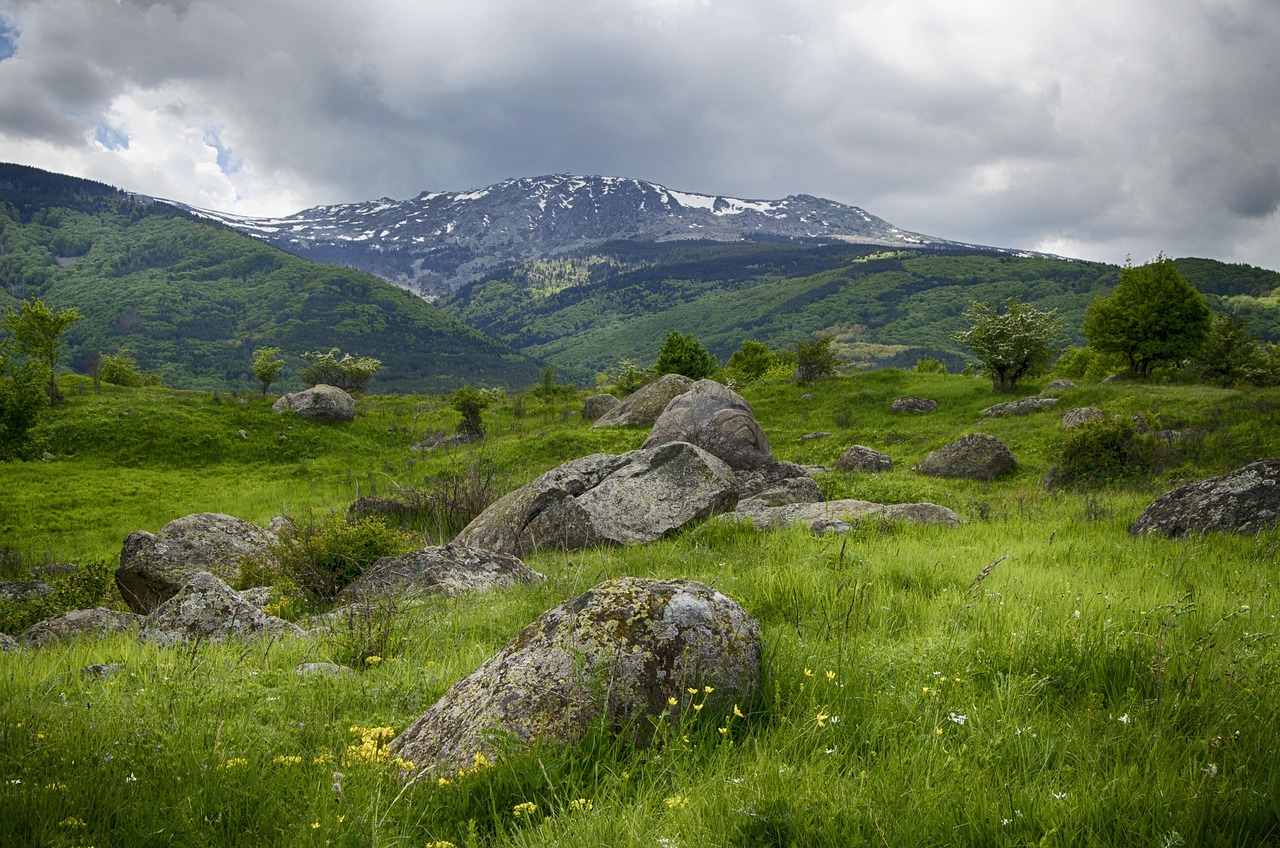
  • Highest peak: Musala (2,925 m) in the Rila Mountains — the highest point in the entire Balkan Peninsula.
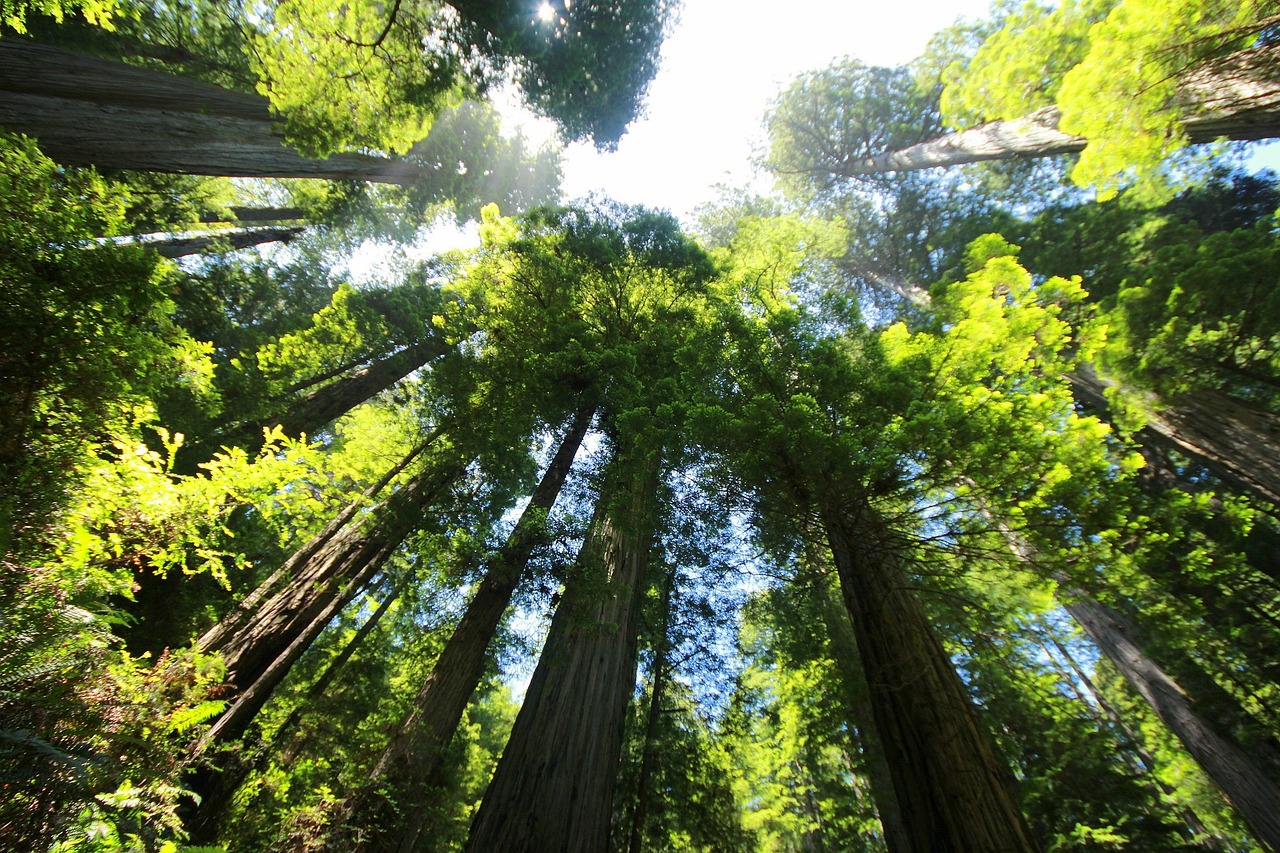
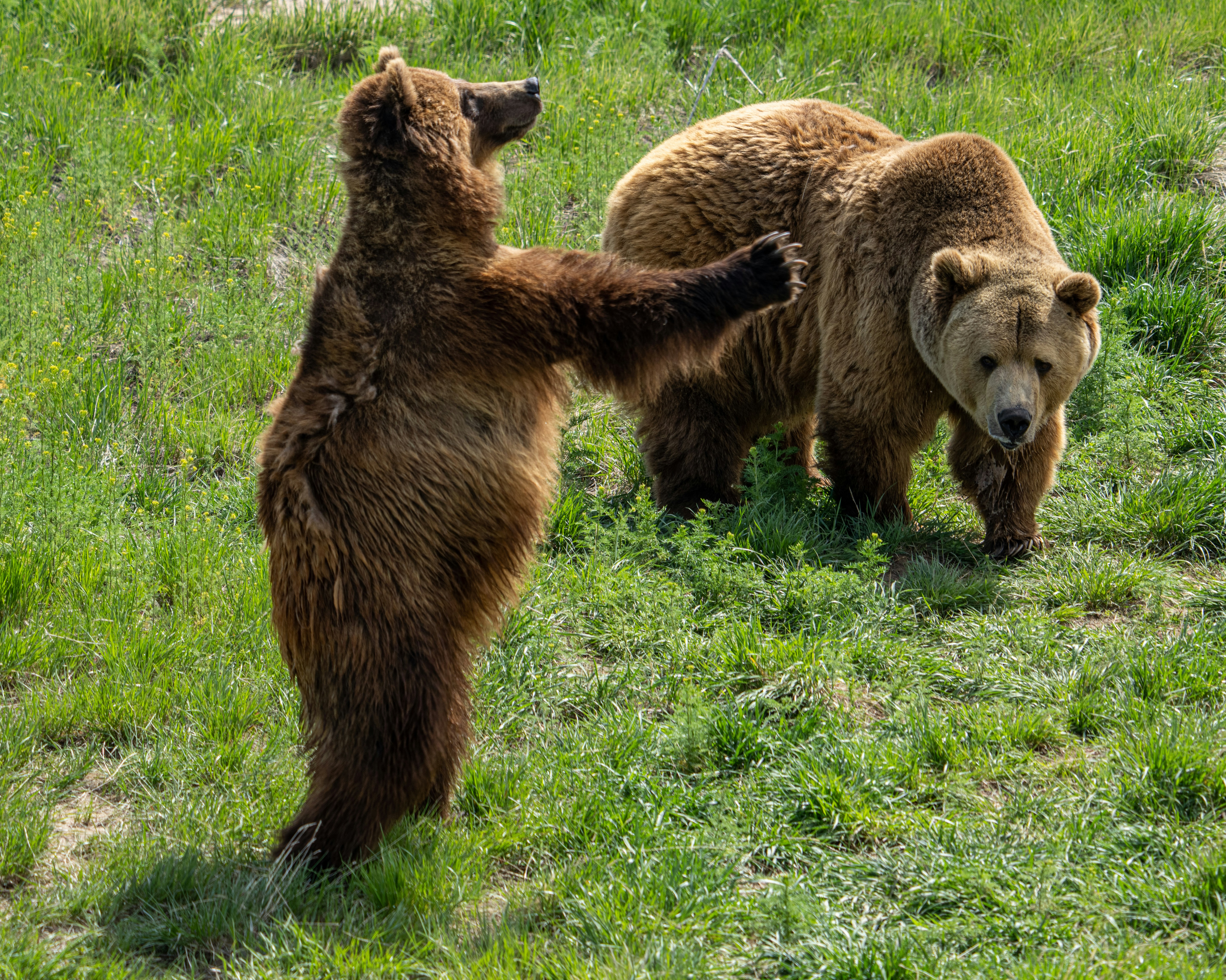
  • National parks: Rila, Pirin, and Central Balkan — all UNESCO-listed, home to bears, wolves, golden eagles, and hundreds of endemic plants.
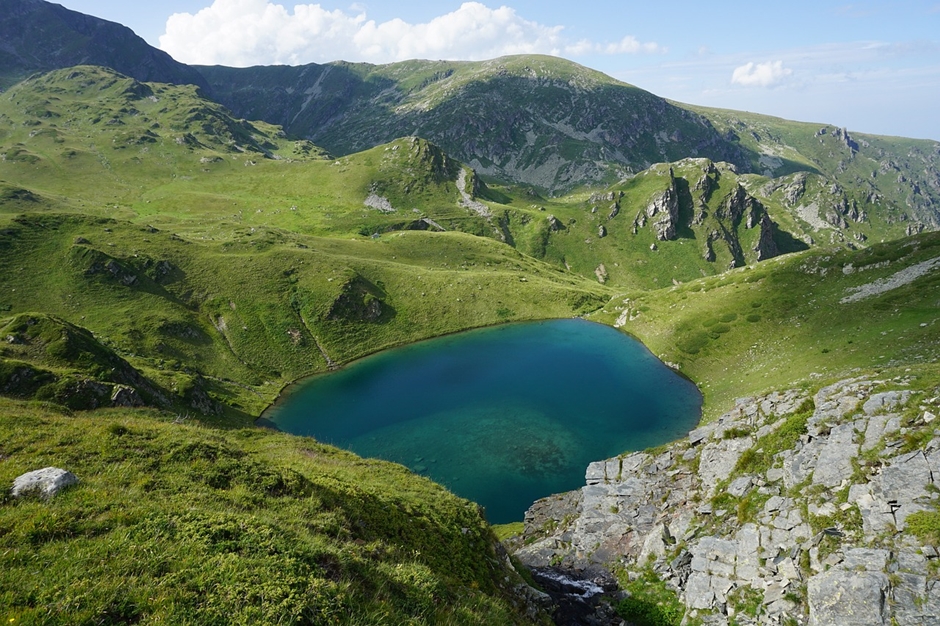
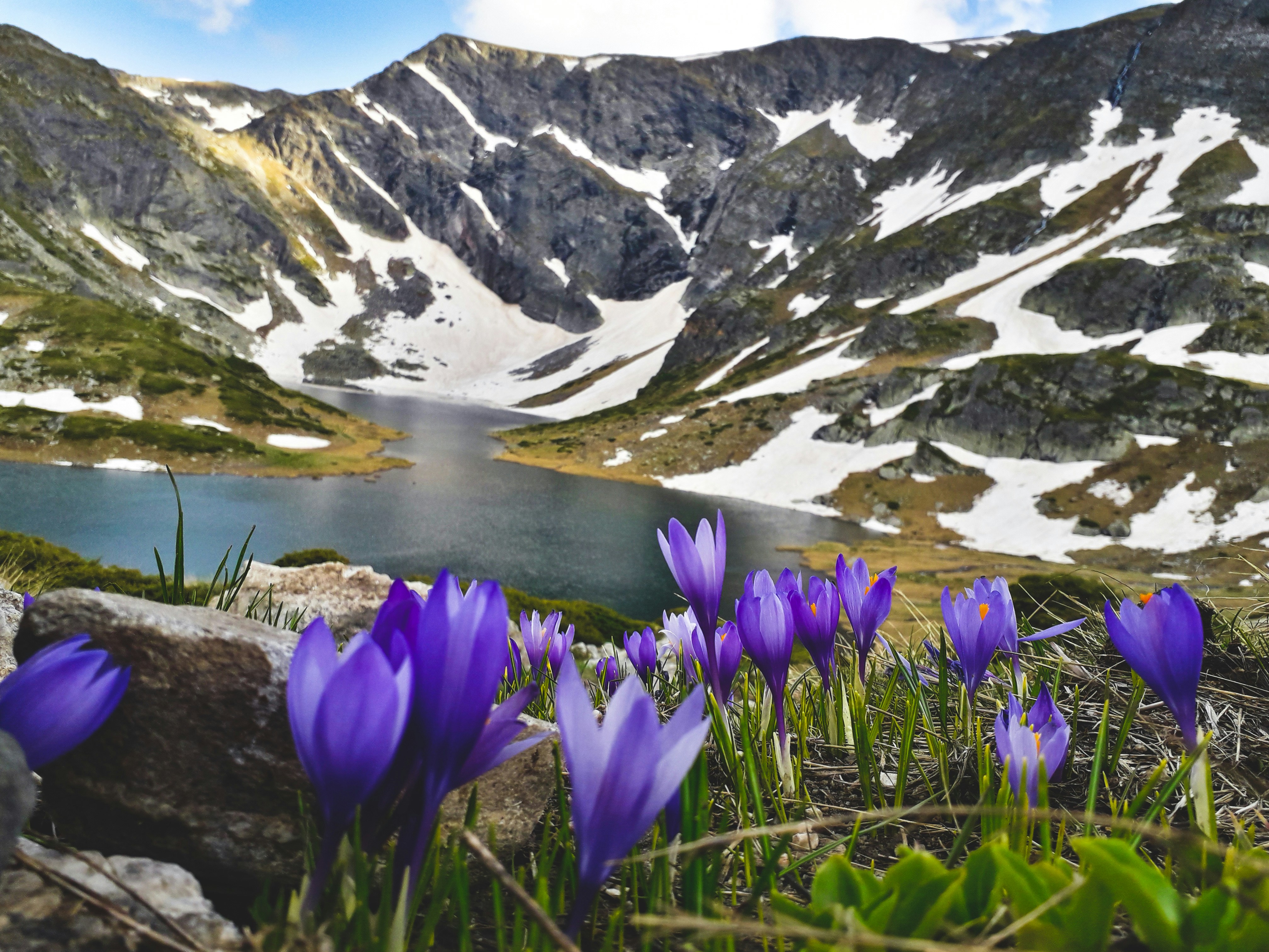
  • Seven Rila Lakes: A stunning glacial lake system in the Rila Mountains, accessible by cable car.
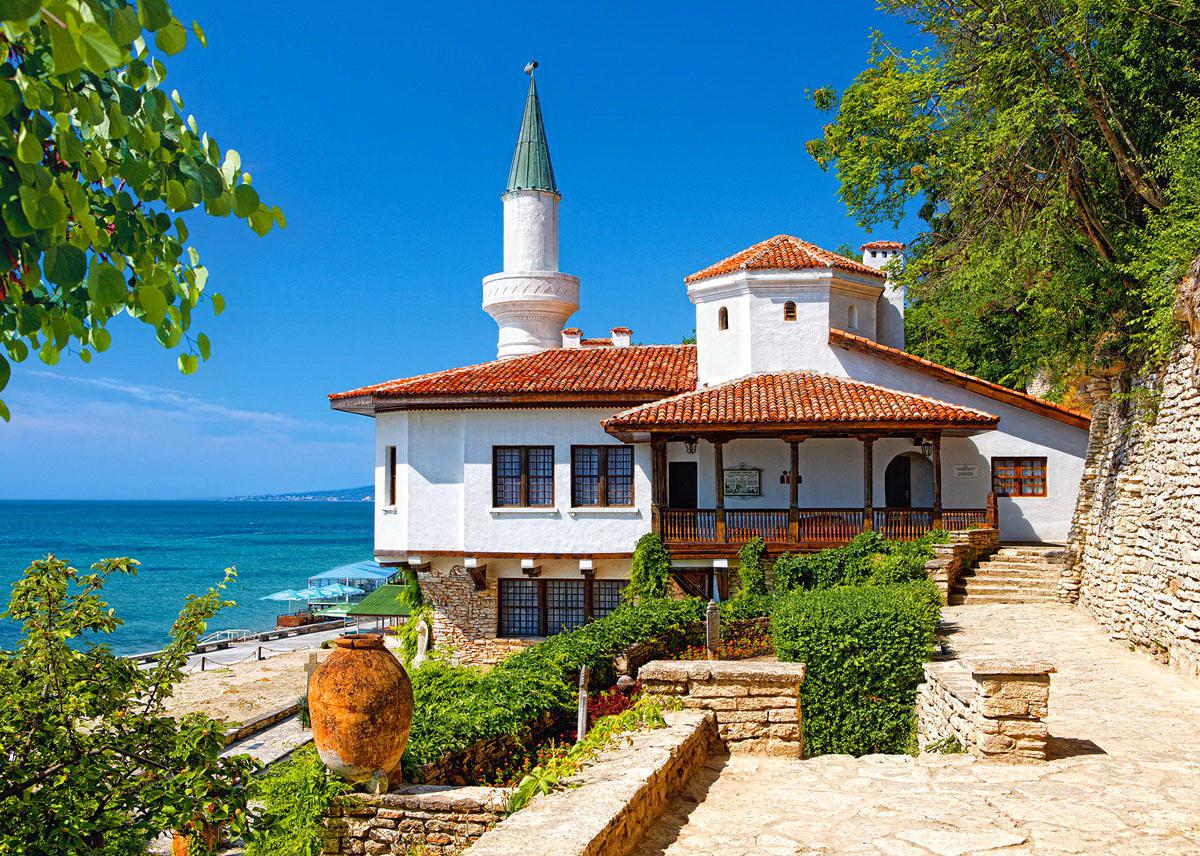
  • Black Sea coast: 370 km of coastline, from lively resorts (Sunny Beach, Golden Sands) to the ancient UNESCO town of Nessebar.


Key Destinations

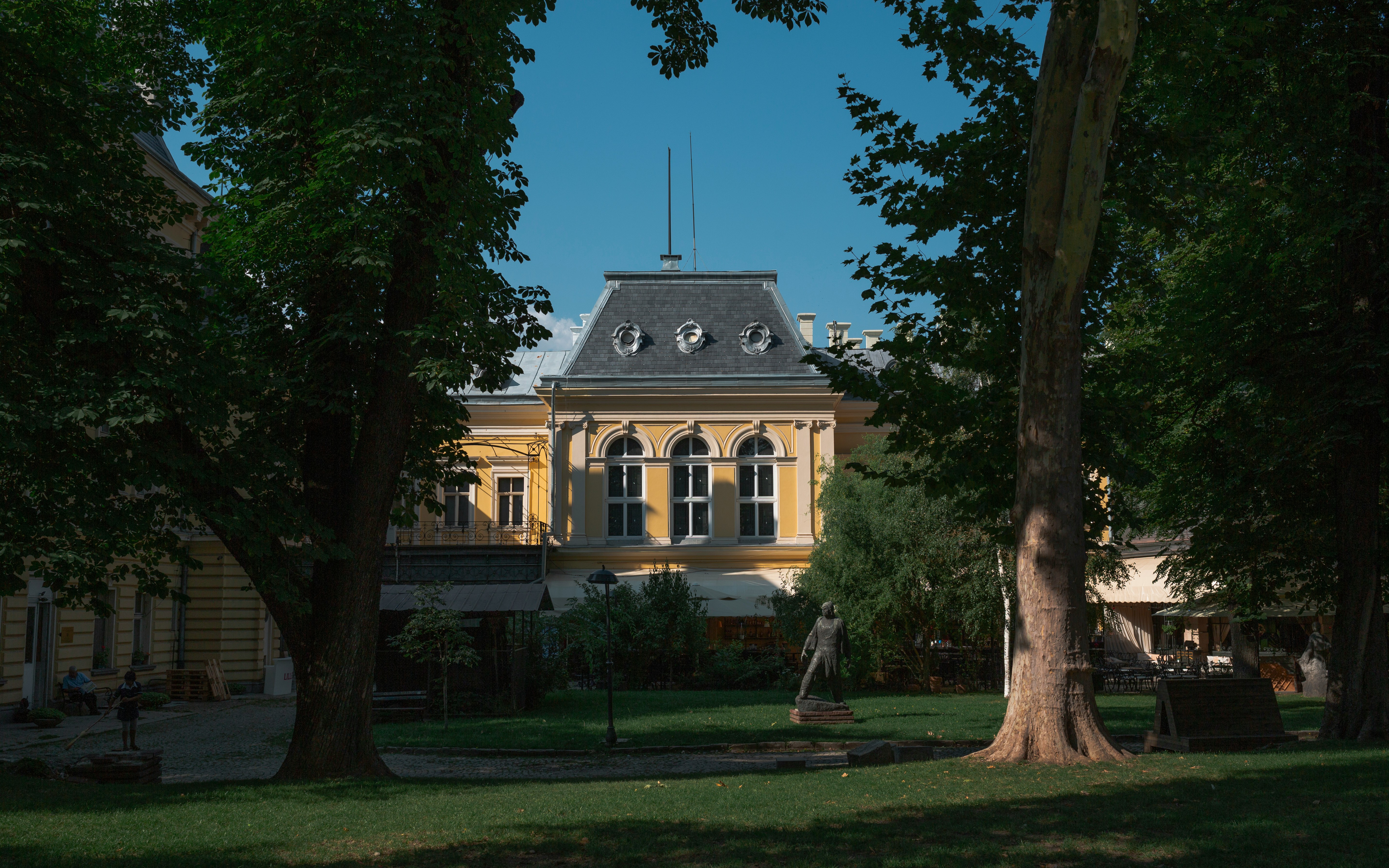
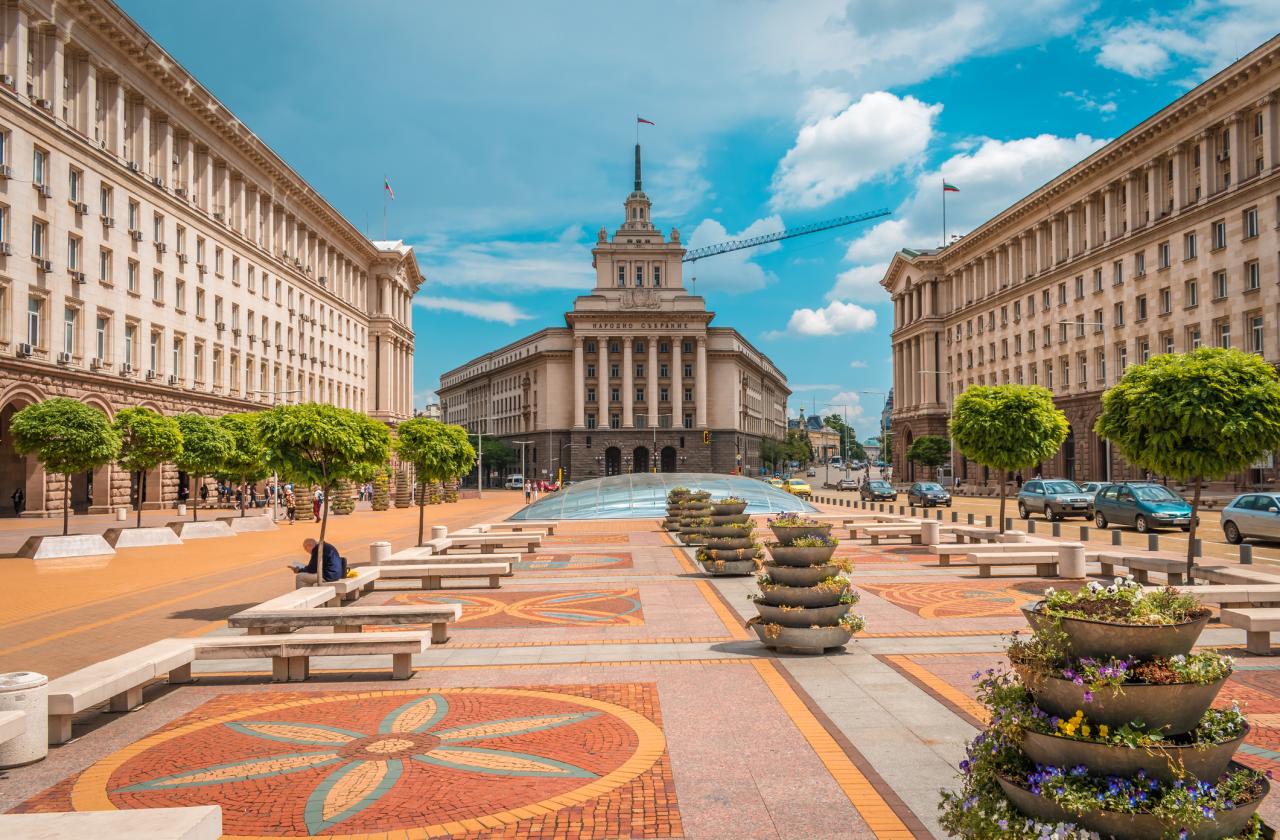
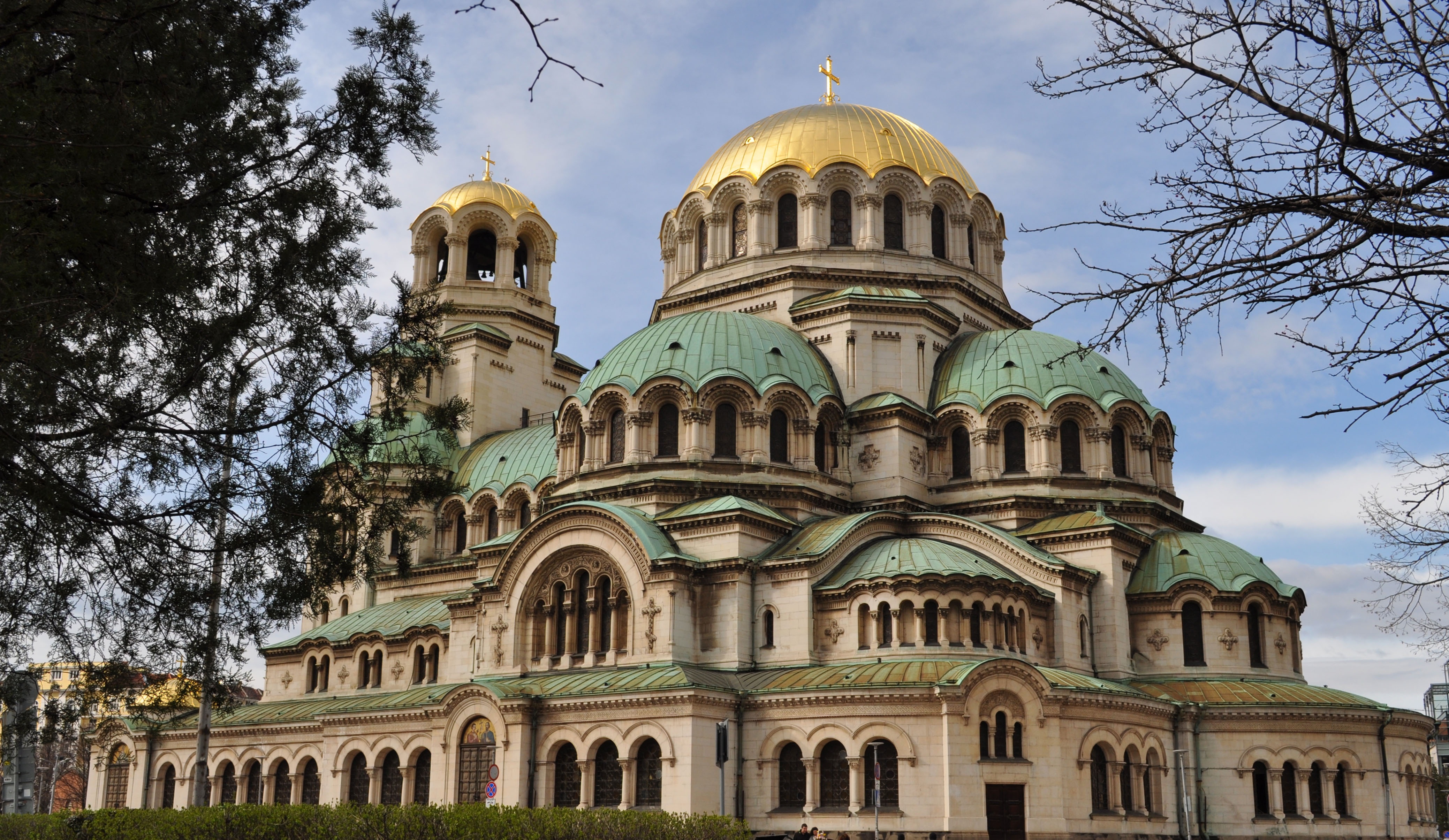
  • Sofia: The capital — Roman ruins, the Alexander Nevsky Cathedral, and a vibrant café culture.
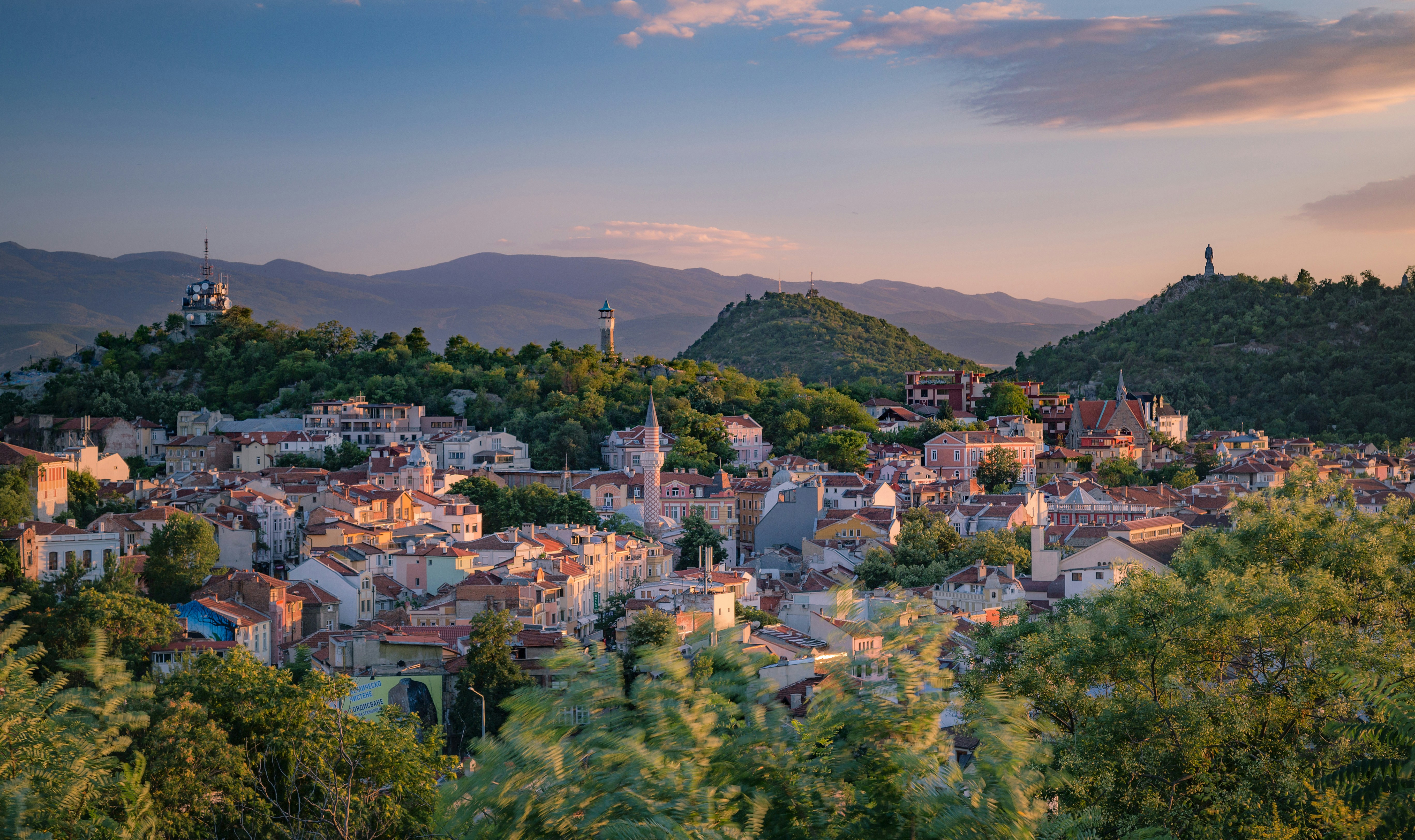
  • Plovdiv: One of the world's oldest cities (8,000+ years), with a beautifully preserved Old Town and Roman amphitheatre. European Capital of Culture 2019.
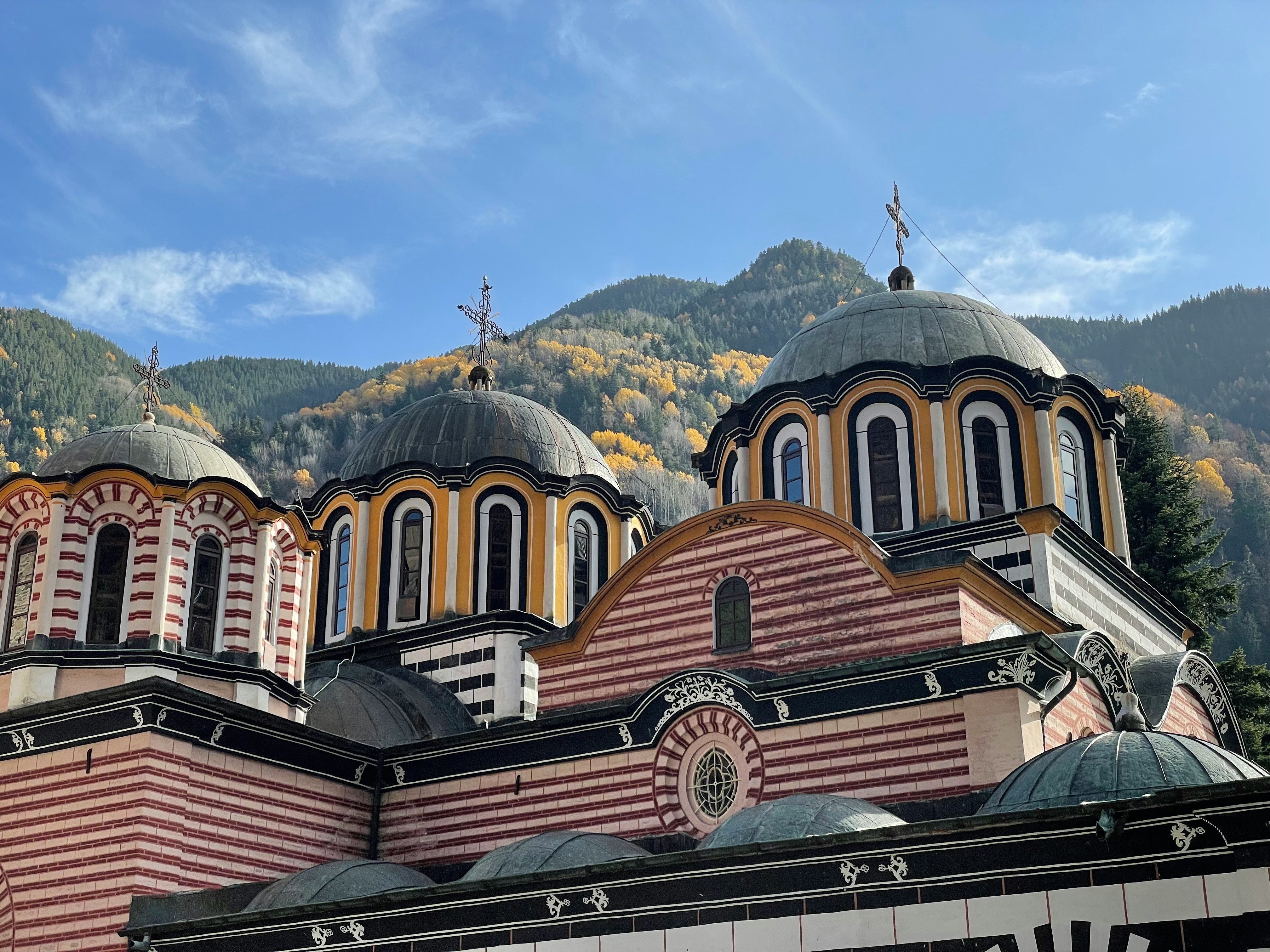
  • Rila Monastery: Bulgaria's spiritual heart — a UNESCO-listed 10th-century monastery with stunning frescoed arcades in a mountain valley.
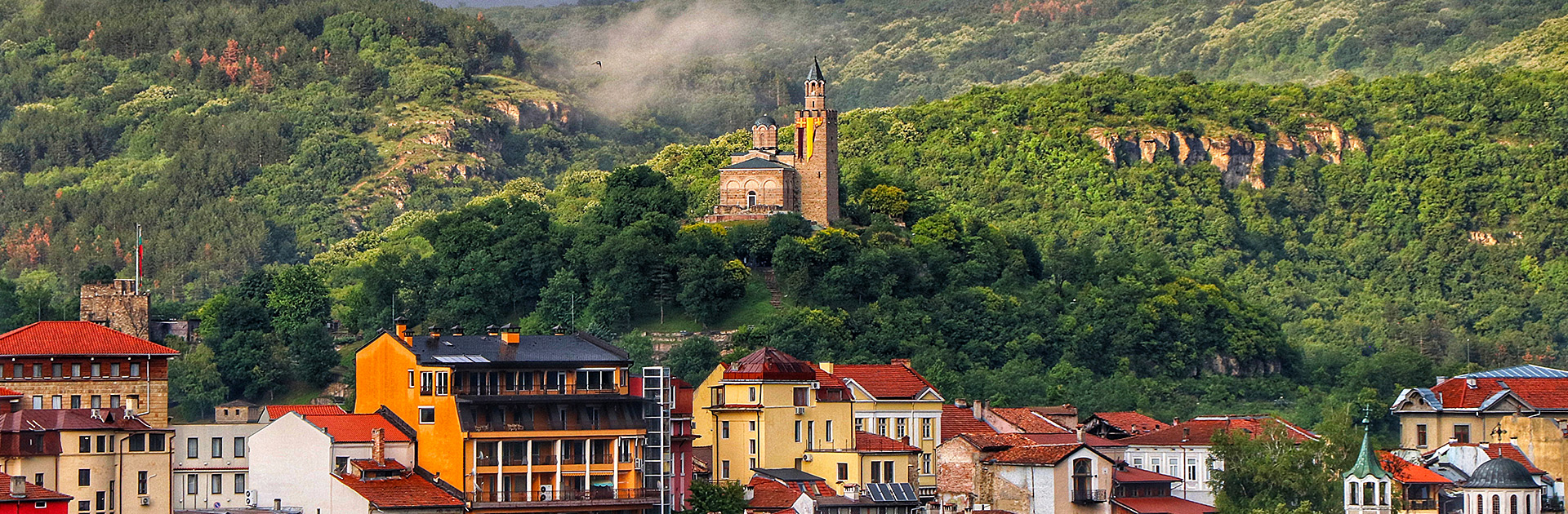
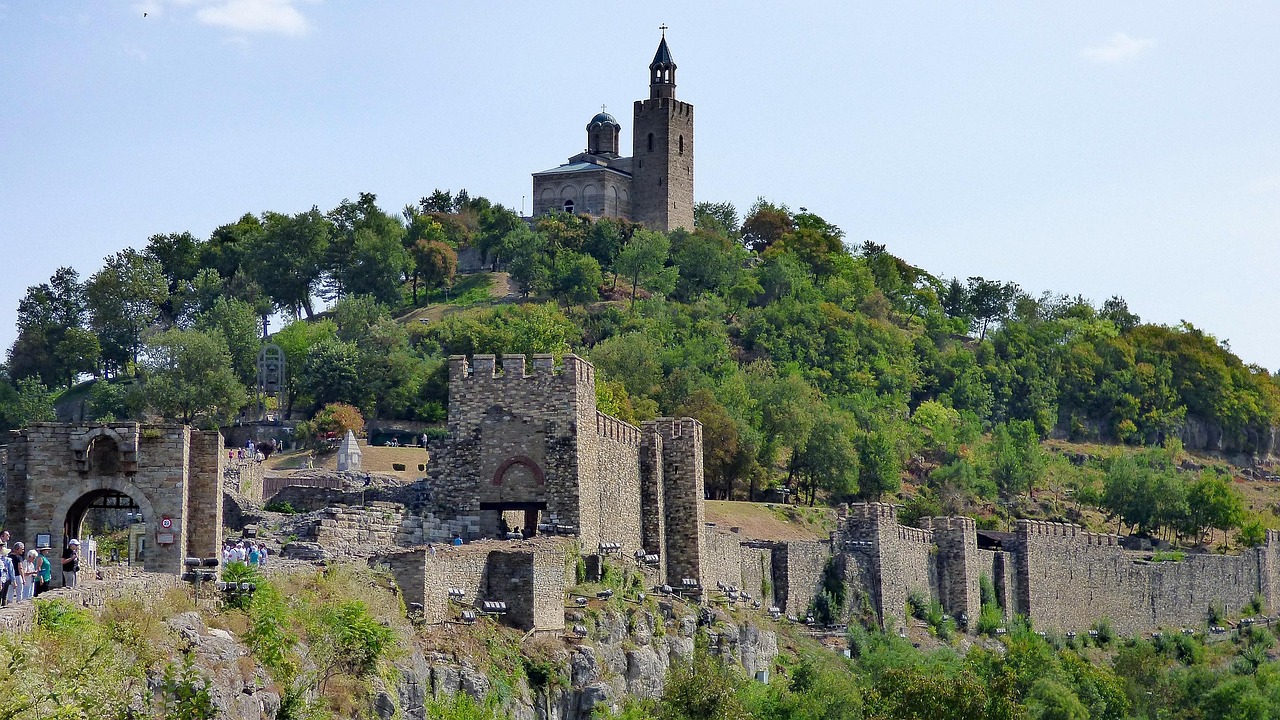
  • Veliko Tarnovo: The medieval capital, dramatically set above a river gorge. The Tsarevets Fortress is spectacular by day and night.
  • Bansko: A charming old mountain town and Bulgaria's top ski resort.


Cuisine

  • Shopska Salad: Tomatoes, cucumbers, peppers, and onion topped with grated white sirene cheese — Bulgaria's national dish.
  • Banitsa: Flaky filo pastry filled with egg and white cheese — the classic Bulgarian breakfast.
  • Lyutenitsa: Roasted red pepper and tomato relish with garlic — every family has their own recipe.
  • Tarator: Cold yoghurt soup with cucumber, garlic, dill, and walnuts — perfect in summer.
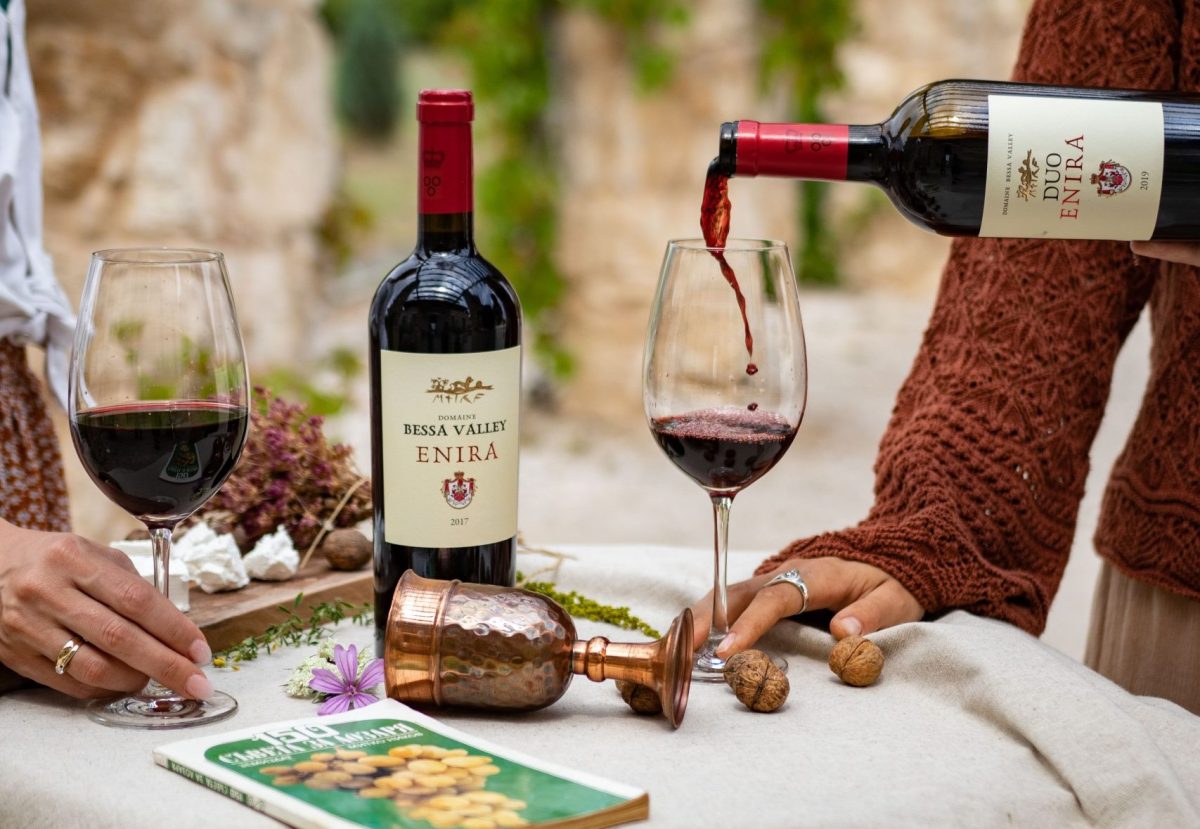
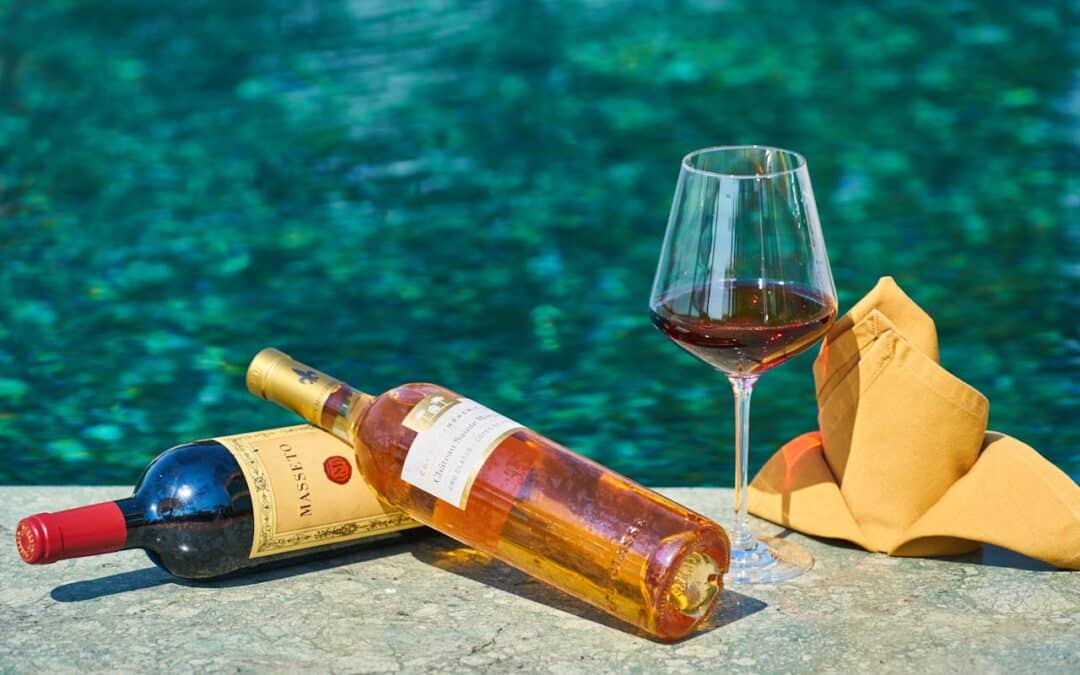
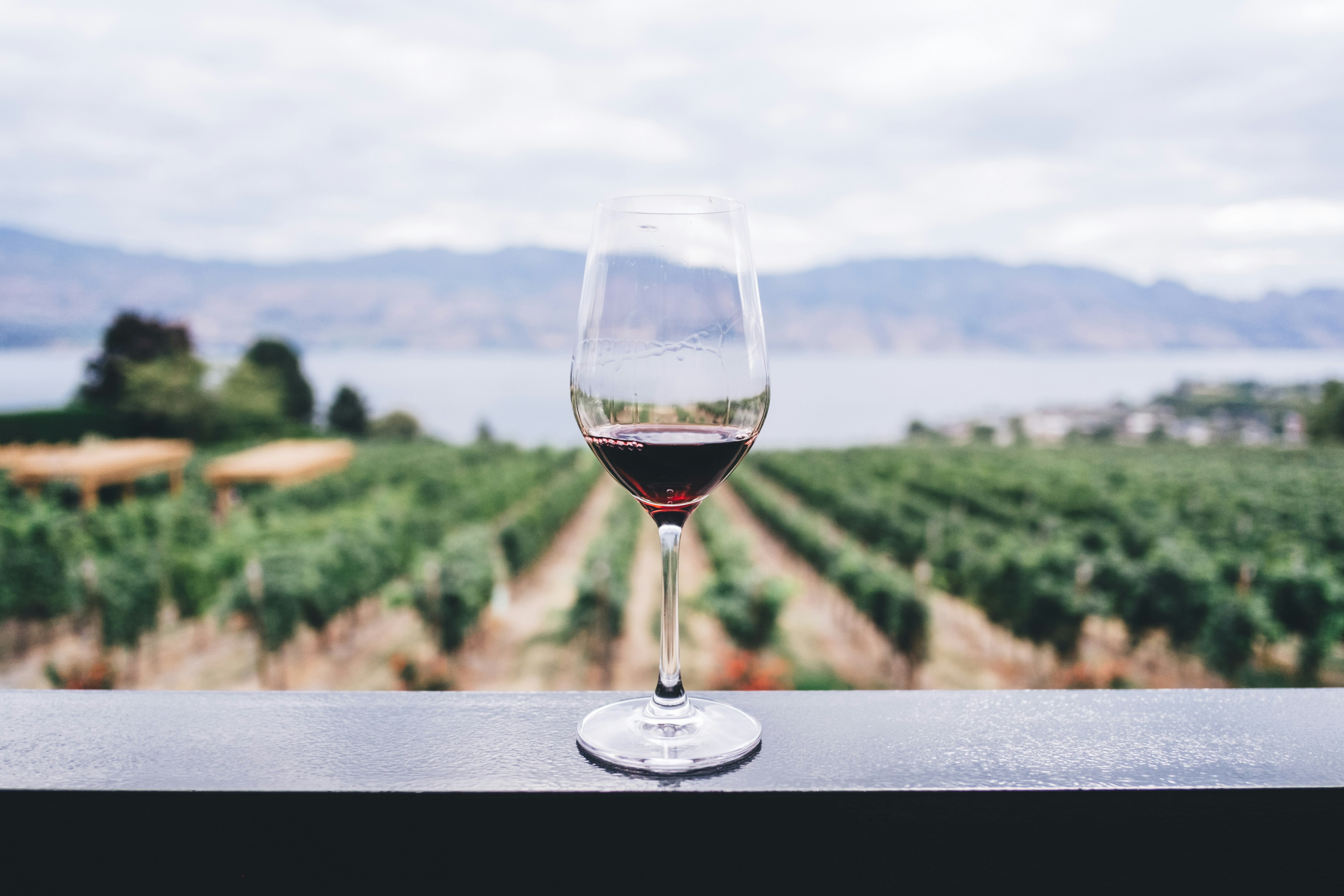
  • Yoghurt & Wine: Bulgarian yoghurt is world-famous thanks to the unique Lactobacillus bulgaricus strain. Bulgarian wines from the Thracian Valley are award-winning and excellent value.


Traditions & Culture

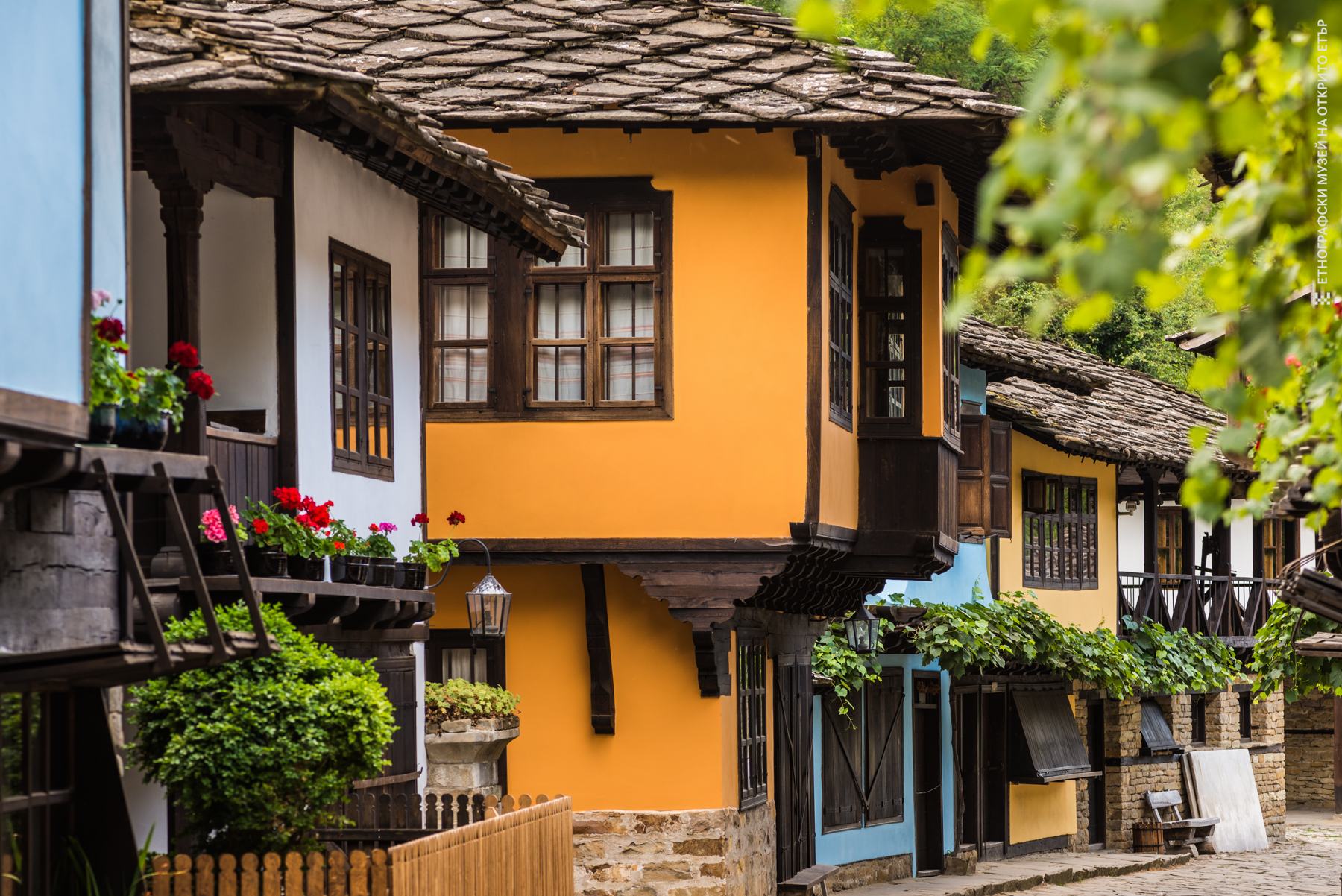
  • Kukeri: Costumed dancers in giant masks and bells perform rituals to drive away evil spirits — one of Europe's most spectacular folk customs.
  • Nestinarstvo: Firewalking on live coals to bagpipes and drums, practised in Strandzha villages. Listed by UNESCO.
  • Rose Festival: Held each May/June in Kazanlak — folk dancing, rose-picking ceremonies, and the crowning of a Rose Queen.
  • Bulgarian choir music: The country's polyphonic choral tradition, with unusual harmonies and time signatures, captivated the world through the 'Le Mystère des Voix Bulgares' recordings.


Climate
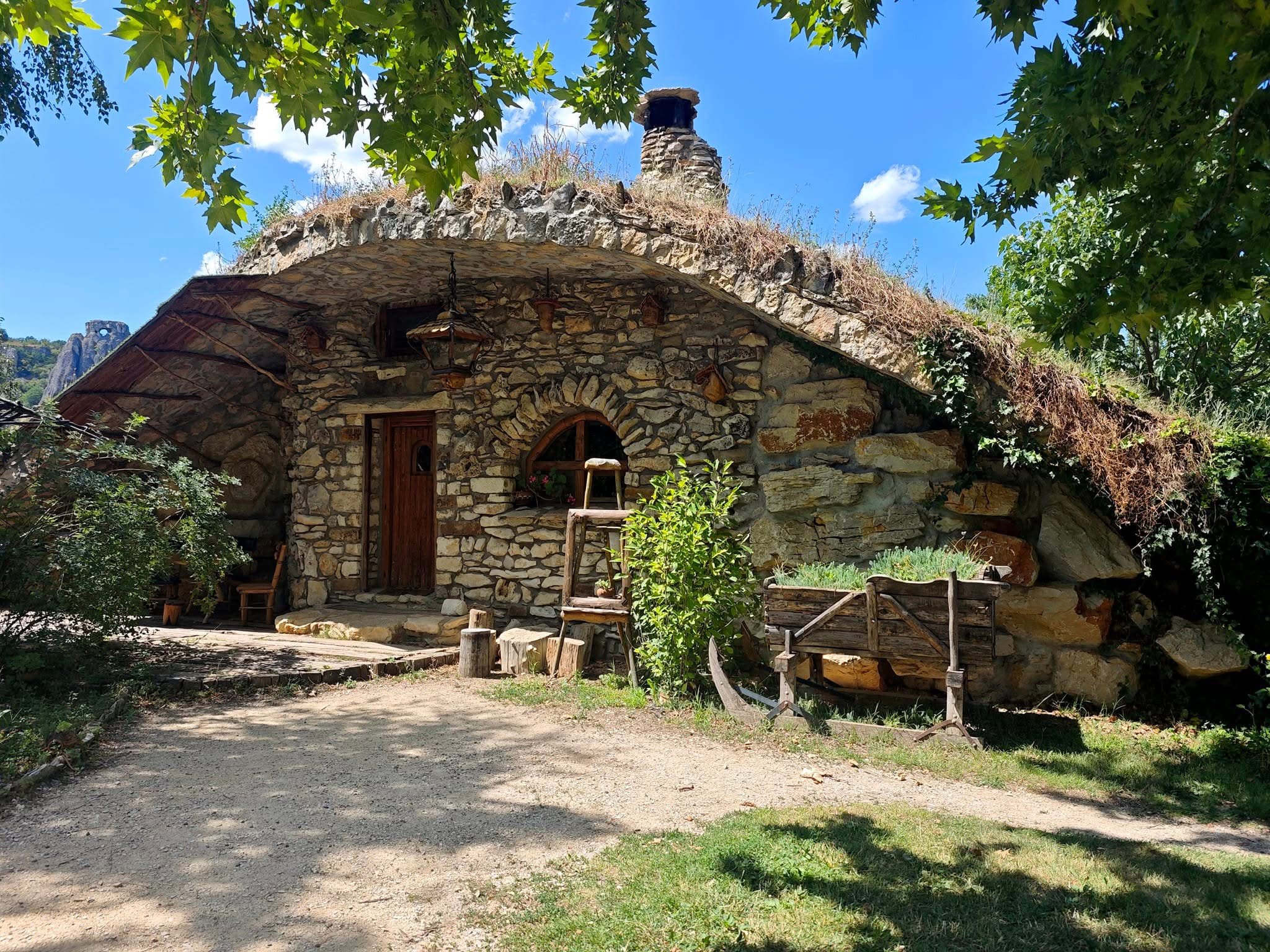
  • Spring / Autumn: Mild and ideal for sightseeing, hiking, and wine tourism.

  • Summer: Hot and sunny — peak season for the Black Sea coast (avg. 28–30°C).
  • Winter: Cold with heavy snow in the mountains — great for skiing in Bansko, Borovets, and Pamporovo.


Payment by card
© Web Tours Ltd. All rights reserved
  Destinations
Tours
Ski Vacations
Entertainment & Nightlife
SPA & Wellness Packages
Day Trips from Sofia
Events
Art
Exotic
VIP For Couples
Weekends in Europe
Protect your trip!
Wine Tours
Gift voucher
Blog
Calendar

Client login

Agency login

Search