Peru is one of the cradles of human civilisation — home to the Inca Empire, the largest pre-Columbian state in the Americas, and to dozens of earlier cultures including the Nazca, Moche, Chimú, and Tiwanaku. It is a country of extraordinary geographical diversity: the coastal desert, the Andean highlands with their ancient ruins and living Indigenous cultures, and the vast Amazon rainforest. Peru's cuisine has emerged in the past two decades as one of the world's most creative and celebrated, drawing on Indigenous, Spanish, Japanese, Chinese, and African influences.
Capital: Lima
Population: ~33 million
Area: 1,285,216 km²
Currency: Peruvian Sol (PEN)
Languages: Spanish; Quechua and Aymara are co-official — over 45 Indigenous languages are spoken
Religion: Predominantly Roman Catholic, with deep syncretic Andean traditions
Fascinating Facts
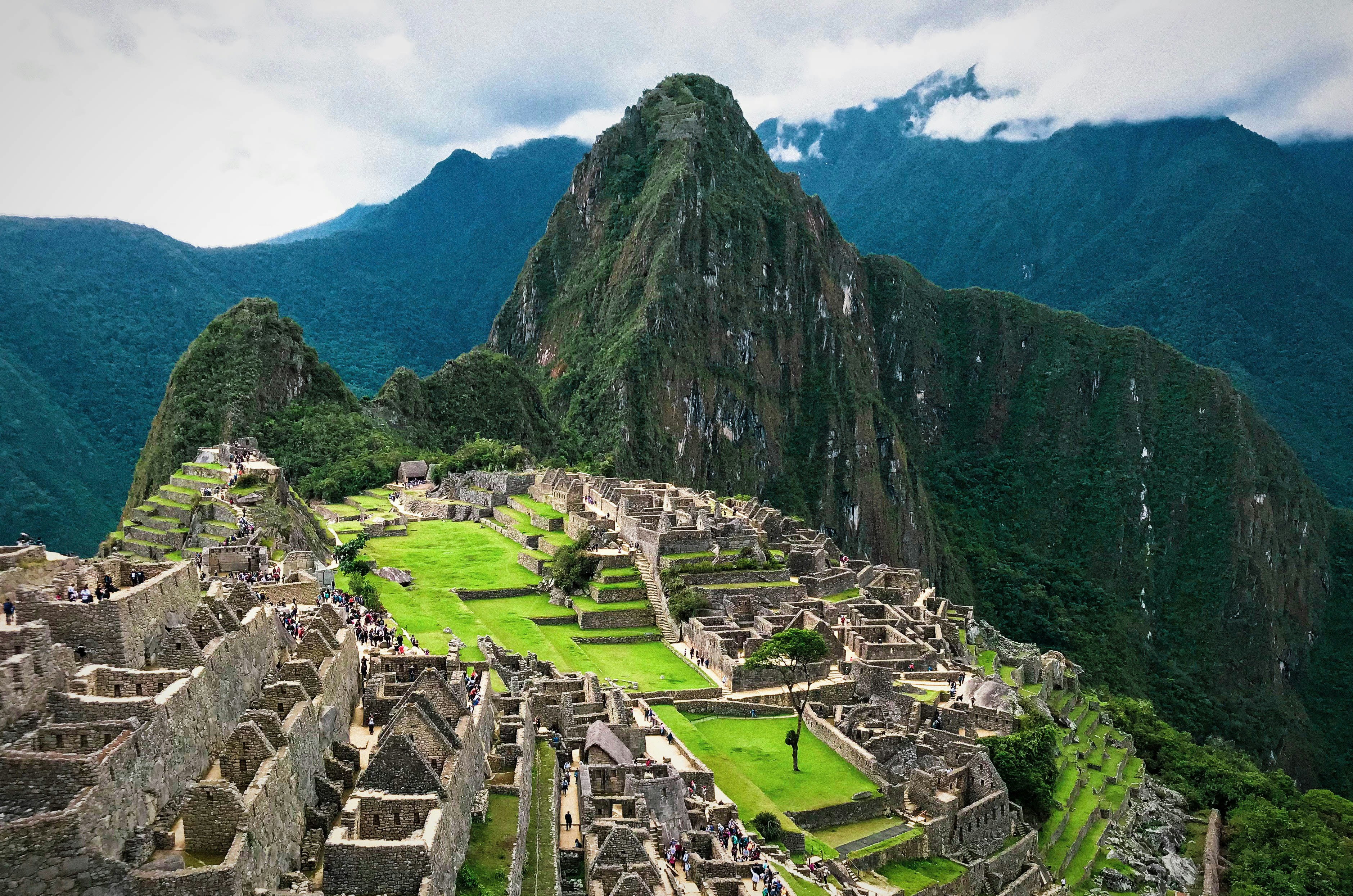
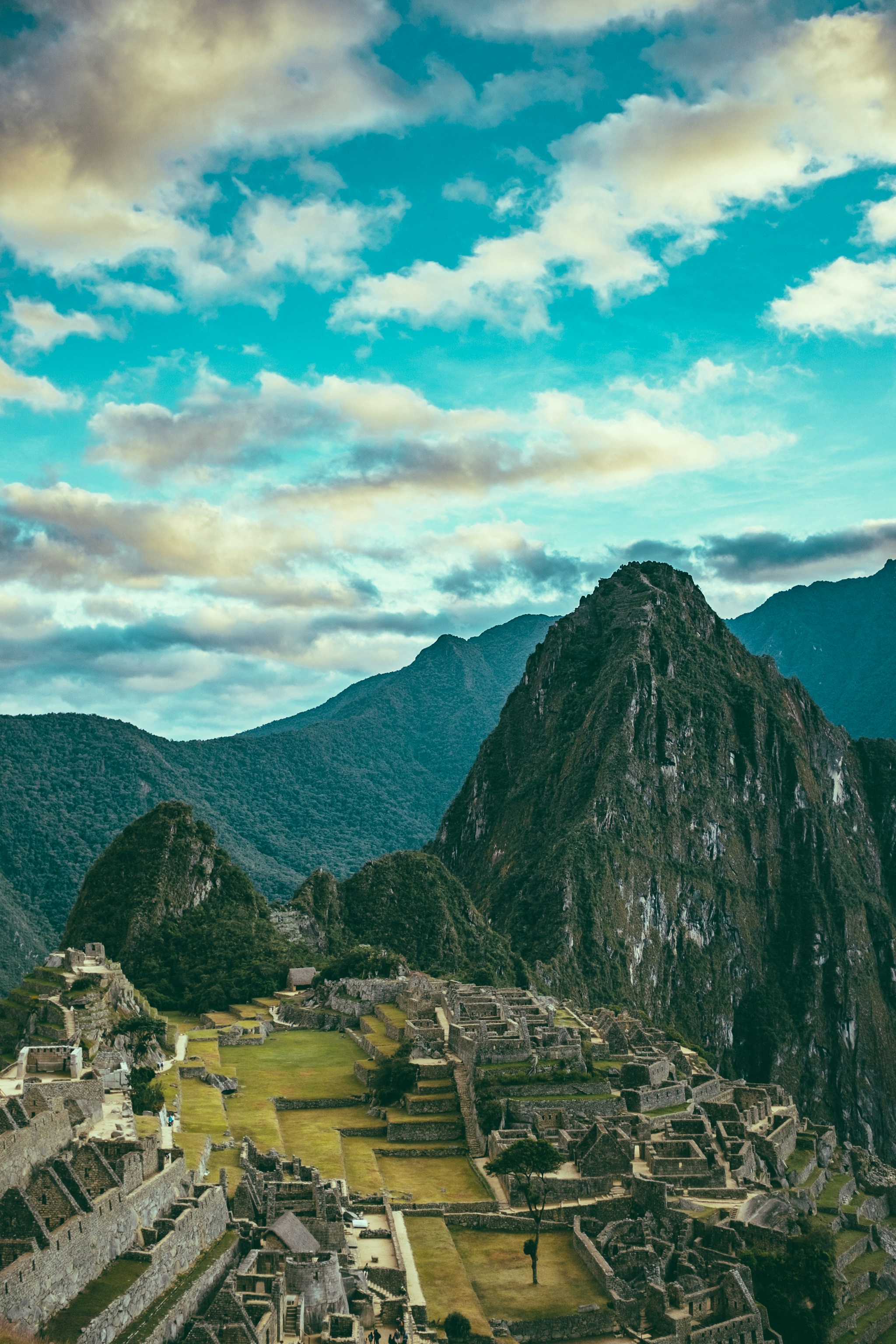
- Machu Picchu was unknown to the outside world until 1911: The Inca citadel was 'discovered' by American historian Hiram Bingham in 1911 — though local farmers had always known of it. Built in the 15th century at 2,430 m, it was abandoned a century later and hidden by cloud forest for 400 years.
- The Nazca Lines are still unexplained: Enormous geoglyphs — a hummingbird, spider, monkey, and hundreds of geometric lines etched into the Nazca Desert — were created between 500 BC and 500 AD. They are only fully visible from the air, and their purpose remains debated by archaeologists.
- The Amazon River begins here: The Amazon's ultimate source — Nevado Mismi, a glacier in the Peruvian Andes at 5,170 m — was confirmed only in 2000. The river flows 6,400 km from Peru to the Atlantic Ocean.
- Peru has the most UNESCO sites in South America: With 13 UNESCO World Heritage Sites, Peru has the highest number of any country in South America — from Machu Picchu to the historic centre of Lima, the Nazca Lines, and Chan Chan (the world's largest pre-Columbian city).
Nature & Key Destinations
- Machu Picchu: The 'Lost City of the Incas' — terraced stone temples and houses perched on a ridge above the Sacred Valley, surrounded by cloud forest and towering peaks. One of the world's most visited and most magnificent archaeological sites.
- Lake Titicaca: The world's highest navigable lake (3,812 m) on the border with Bolivia — home to the Uros people who live on floating reed islands, and to the island of Taquile with its UNESCO-listed textile tradition.
- Amazon basin: The Peruvian Amazon — accessible from Iquitos and Puerto Maldonado — contains some of the most biodiverse jungle on Earth. The Manu National Park is a UNESCO World Heritage Site of extraordinary wildlife richness.
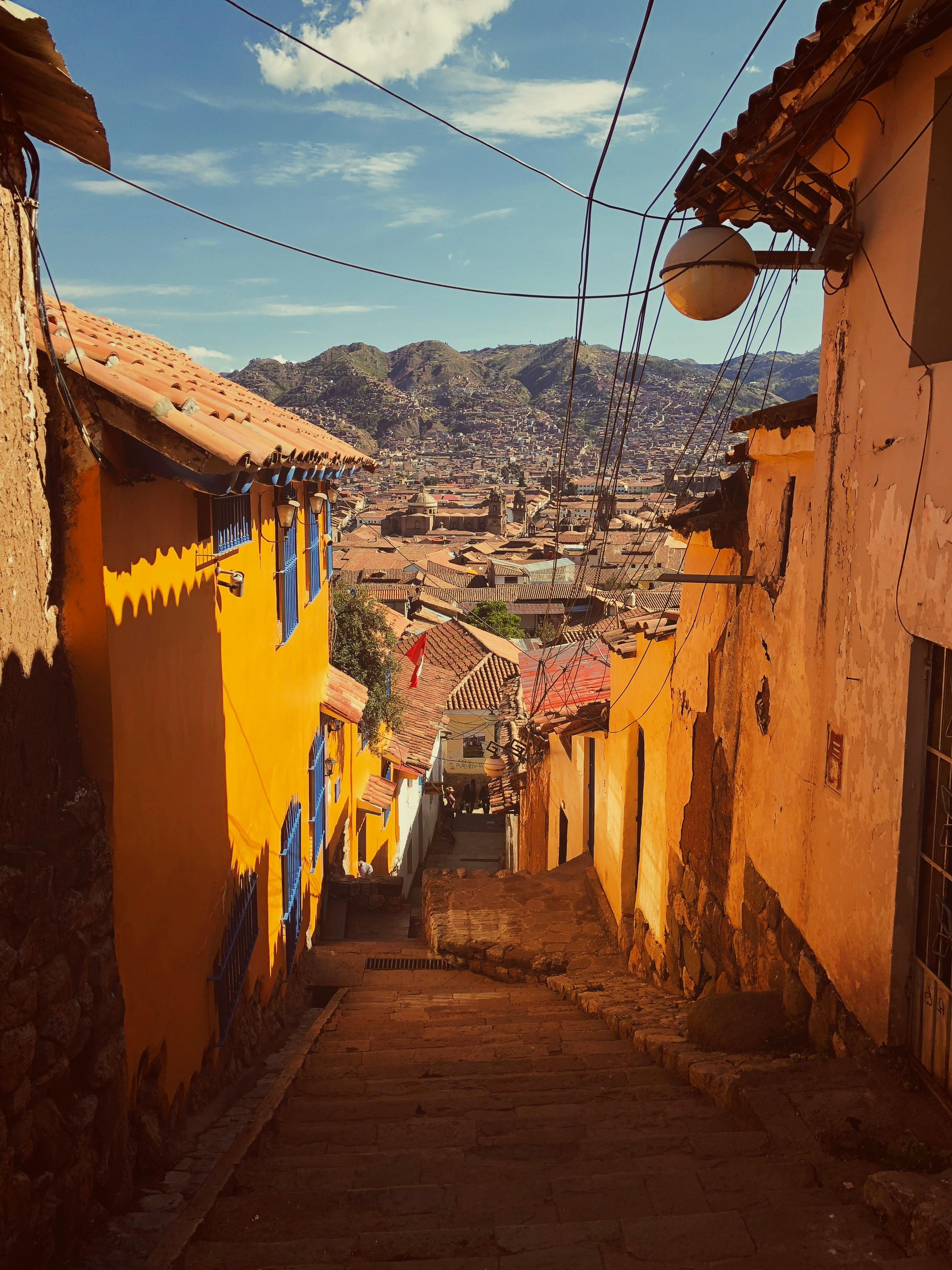
- Sacred Valley & Cusco: Cusco — the former Inca capital (UNESCO-listed) — and the Sacred Valley below it, dotted with Inca terraces, salt pans, and markets. The base for Machu Picchu and one of the most culturally rich regions in the Americas.
Cuisine
- Ceviche: Peru's national dish and its greatest culinary gift to the world — raw fish cured in lime juice with chilli (ají), red onion, and coriander, served with sweet potato and corn. Peruvian ceviche is defined by the leche de tigre (tiger's milk) — the intensely flavoured marinating liquid.
- Lomo saltado & ají de gallina: Lomo saltado (stir-fried beef with soy sauce, peppers, tomato, and chips — a Chinese-Peruvian fusion) and ají de gallina (shredded chicken in a creamy walnut and yellow chilli sauce) are the two pillars of everyday Peruvian cooking.
- Pisco: Peru's national spirit — a grape brandy produced in the coastal valleys. The Pisco Sour (pisco, lime, egg white, Angostura bitters) is one of South America's great cocktails, and the subject of a passionate rivalry with Chile over its origin.
Traditions & Culture
- Inti Raymi: The ancient Inca Festival of the Sun, celebrated on the winter solstice (24 June) at the Sacsayhuamán fortress above Cusco — thousands of participants in Inca costume re-enact the ceremony honouring Inti, the sun god. One of the most spectacular cultural events in South America.
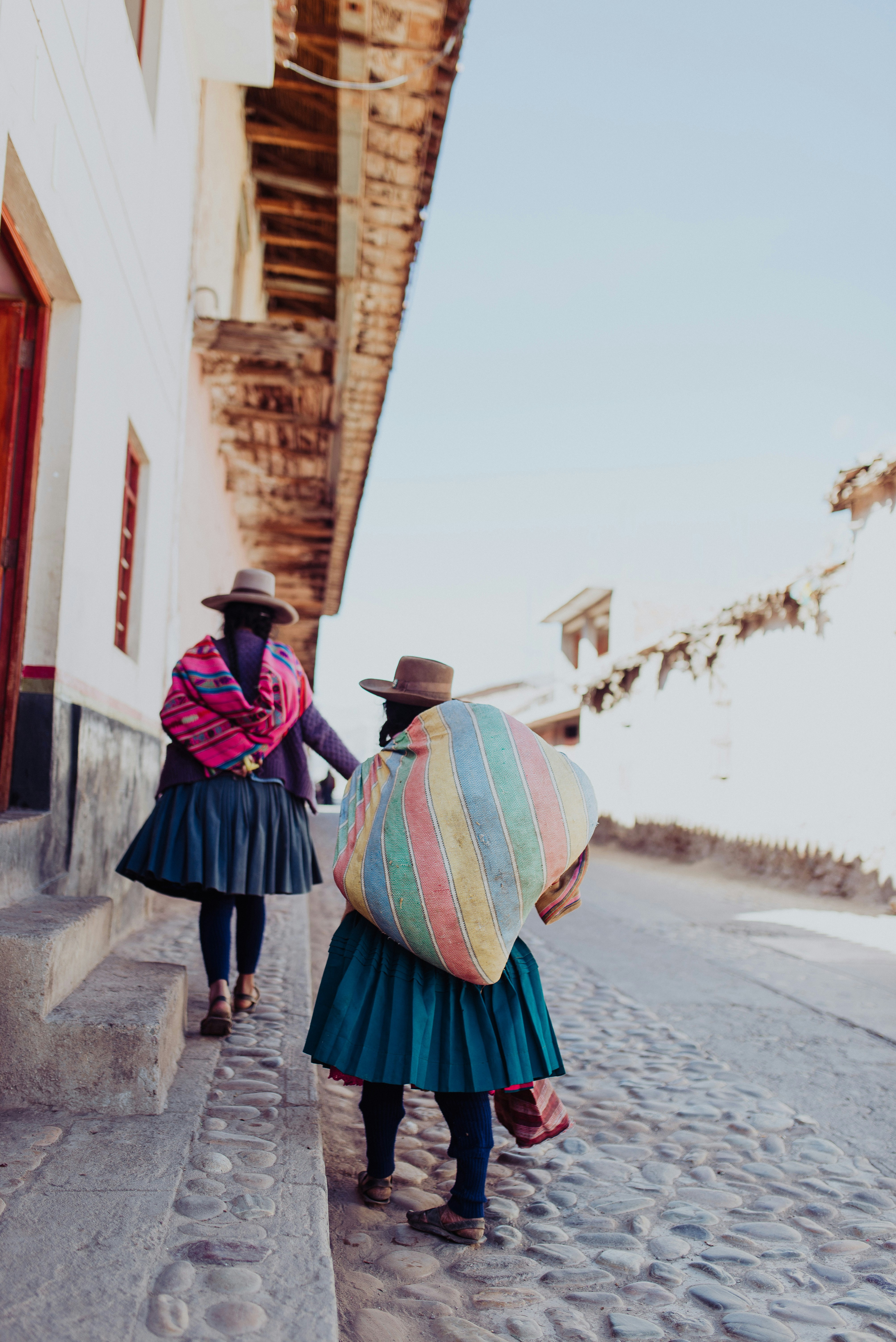
- Andean textile tradition: Peru's Indigenous communities maintain weaving traditions of extraordinary complexity and beauty — the textiles of Chinchero, Pisac, and Taquile, made on backstrap looms using natural dyes, are UNESCO-recognised masterpieces of living craft.
- Lima's food scene: Lima is consistently ranked among the world's top dining cities — Central (ranked world's best restaurant in 2023), Maido, Astrid y Gastón, and hundreds of cevicherías and chifas (Chinese-Peruvian restaurants) make it the gastronomic capital of Latin America.
Climate
- Three distinct zones: The coastal desert is mild and grey May–November, warm and sunny December–April. The Andes have a dry season May–October (best for Machu Picchu and trekking) and a wet season November–April. The Amazon is hot and humid year-round, slightly drier June–September.
 ArequipaBosque del Olivar in LimaCarved deep into a PeruvianChincheroColca and Volcanes de Andagua GeoparkCuscoLake TiticacaLimaMachu PicchuMirafloresMuseum of San FranciscoOasis HuacachinaOllantaytamboPisacPlaza de ArmasPlaza MayorPunoSacsayhuamánSillustaniThe Archbishop’s Palace of LimaThe Ballestas IslandsThe Cathedral of LimaThe Cusco CathedralThe Government Palace of LimaThe Larco Herrera MuseumThe Maras Salt MinesThe Moray RuinsThe Nazca LinesThe Paracas National ReserveThe Sacred Valley of the IncasThe Santo Domingo MonasteryThe Uros Floating IslandsThe Cathedral of ArequipaThe Monastery of Santa Catalina de Siena

 Bulgaria